



Baroque Gilded Wall Mirror
A baroque gilded wall mirror brings theatrical depth and warm, reflective light to a room through elaborate carved frames.
Baroque Gilded Wall Mirror
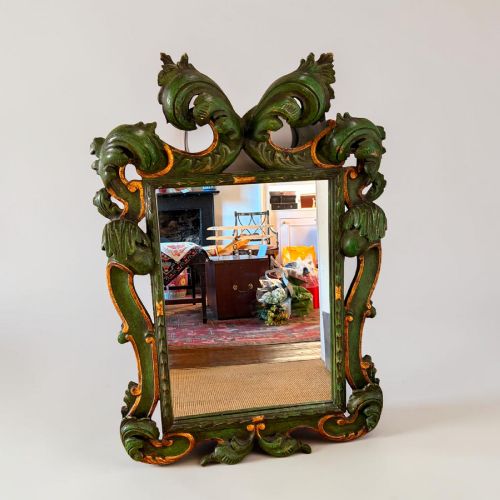
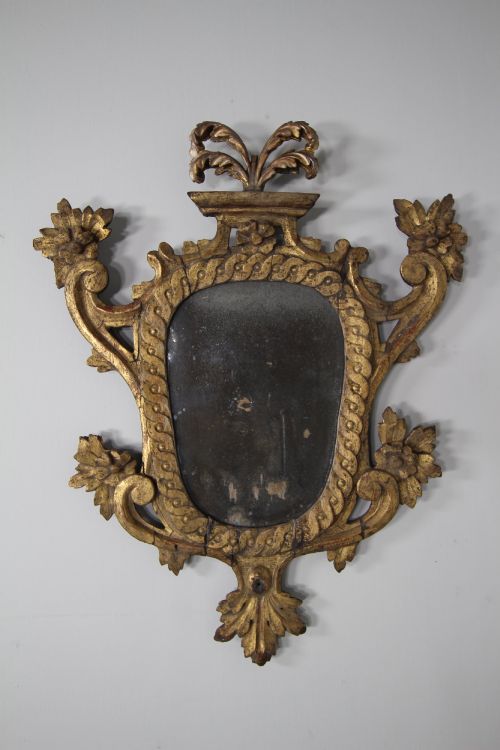
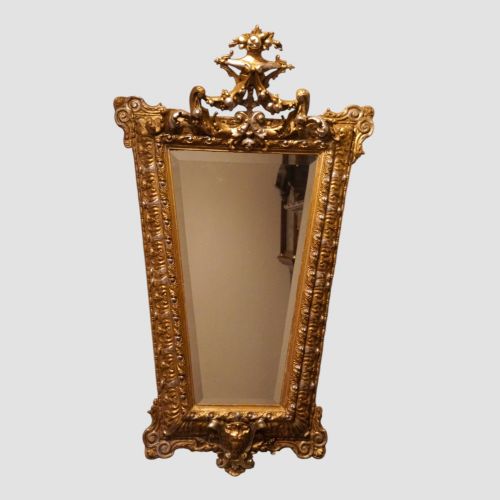
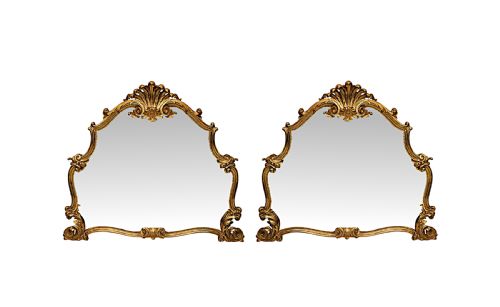
A baroque gilded wall mirror serves as a dramatic focal point, combining deep wooden carvings with metallic finishes. When searching for a baroque gilded wall mirror, buyers encounter examples originating primarily from the eighteenth and nineteenth centuries, alongside revival pieces from later decades.
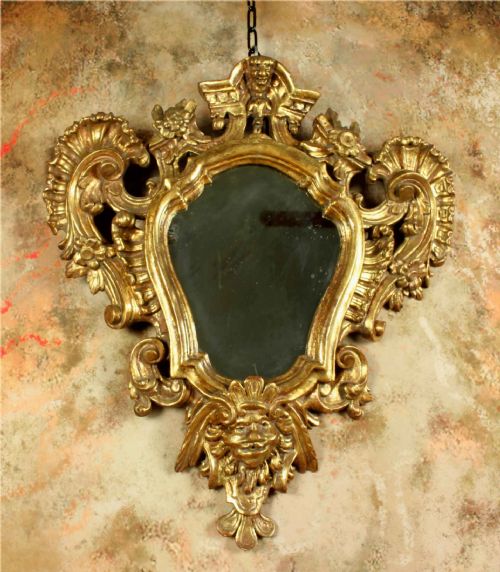
The selections span grand Italian and French origins, taking forms such as overmantel mirrors, pier glasses, and cushion frames. Many pieces reflect regional styles, notably Florentine workshops and Italian baroque traditions, incorporating ornate crests and decorative masks.
The surviving inventory demonstrates a strong presence of carved wooden frames, often paired with gesso and silver or gold leaf applications. Buyers find smaller vanity pieces alongside substantial architectural wall mirrors suited to principal reception rooms.
Materials and construction methods
Makers shaped the structural framework from solid timber or carved wood, applying layers of gesso to build up intricate relief details before gilding. This preparation created a smooth, receptive base for subsequent leaf application.
Surfaces received gold leaf or silver leaf to achieve a brilliant, reflective metallic sheen that aged distinctively over centuries. Artisans combined these metal layers with cast brass elements in specific Victorian iterations.
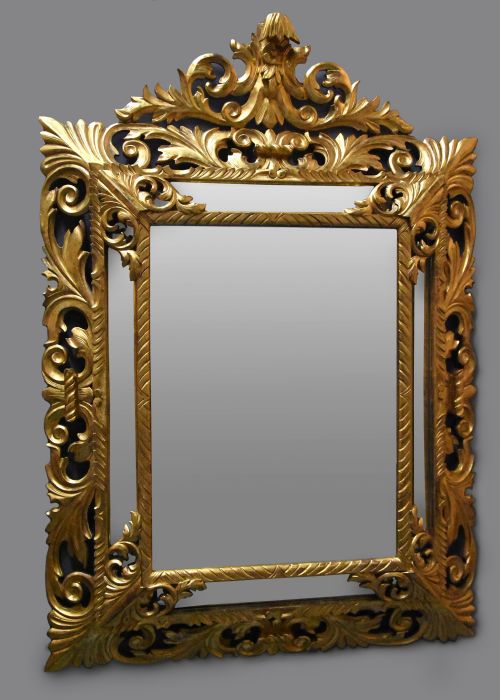
Mirror glass was set within these ornate surrounds, sometimes utilising cushion-framed profiles or multi-part plates to enhance the play of light across the room.
Materials documented across the inventory include traditional giltwood, gesso, carved wood, mirror glass, and combined gold and silver leaf surfaces.
Assessing quality and craftsmanship
The depth and crispness of the hand-carved wood define the upper tier of these pieces, distinguishing skilled sculptural work from mechanical or heavy-handed replication. Stronger examples exhibit organic flow within scrolls, foliage, and figural motifs such as lions' heads or decorative masks.
The integrity and application of the original gesso and leaf layers govern the visual richness of the surface. Superior examples retain harmonious wear across the gold or silver leaf, where underlying bole layers peek through organically rather than through harsh abrasion.
The Baroque Gilded Wall Mirror Glossary
- Giltwood
- Timber that has been coated with gold leaf over a prepared gesso ground. This technique provides the characteristic warm metallic radiance found on period frames.
- Gesso
- A plaster mixture applied to wood frames to create a smooth surface for carving and gilding. It allows for sharp relief details in ornate mouldings.
- Pier glass
- A tall mirror designed specifically to hang on the wall space between two windows. These pieces often coordinate with console tables placed directly beneath them.
- Cushion frame
- A mirror frame profile that curves outward toward the outer edge like a pillow. This style creates a pronounced three-dimensional border around the glass.
- Girandole
- A wall mirror fitted with attached candle sconces. The candle flames reflect in the glass to multiply the ambient light in a room.
Baroque Gilded Wall Mirror: Frequently Asked Questions
Where should I hang a large wall mirror?
These pieces function effectively above a fireplace mantelpiece or centered on a principal drawing-room wall where they can reflect natural light from windows.
Ensure the wall construction supports substantial weight, as carved wooden and gesso frames carry considerable heft compared to modern alternatives.
How do I clean a gilded frame safely?
Dust the carved wooden surfaces gently with a soft, dry brush to remove particles without disturbing delicate leaf layers.
Avoid liquid cleaners, abrasives, or moisture entirely, as water and chemical solvents damage historic gesso and nineteenth-century gilding.
How can I distinguish eighteenth-century from revival pieces?
Examine the construction joints, the tool marks on the timber behind the frame, and the composition of the gesso ground layer under magnification.
Revival mirrors from the nineteenth and twentieth centuries often display standardised machine-sawn timber or different oxidation patterns on the mirror plate.
What is a pier mirror used for?
Historical interiors utilised these tall vertical mirrors to brighten dark architectural spaces between windows and amplify candle or daylight.
Today, they serve a similar purpose in hallways or grand reception rooms, frequently paired with a matching console table.