
Rococo Gilt Framed Mirror
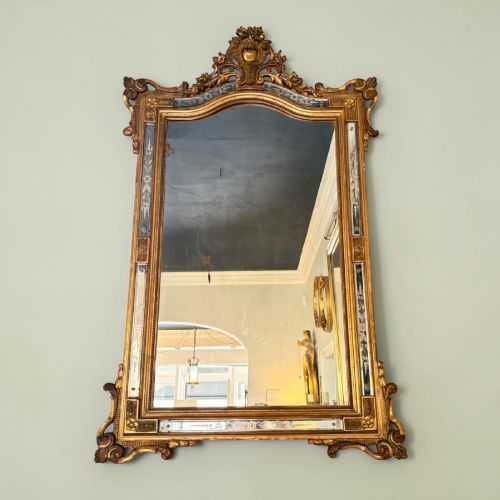
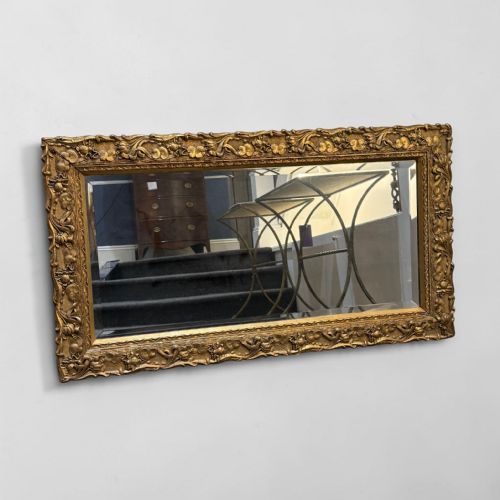
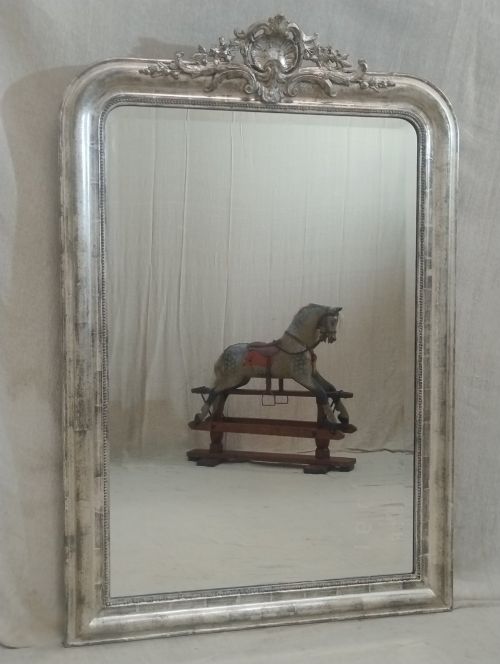
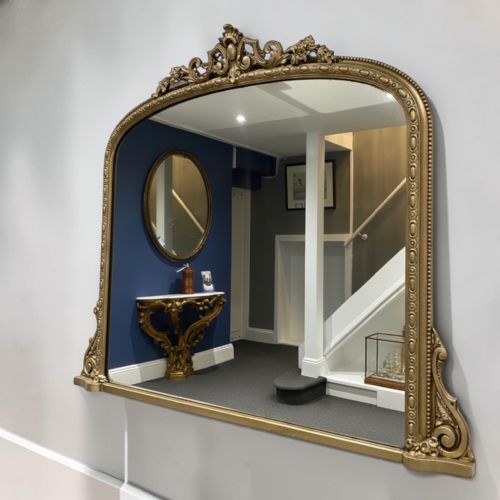
A rococo gilt framed mirror brings organic curves, asymmetrical scrolls and reflective depth to a room.
Rococo Gilt Framed Mirror
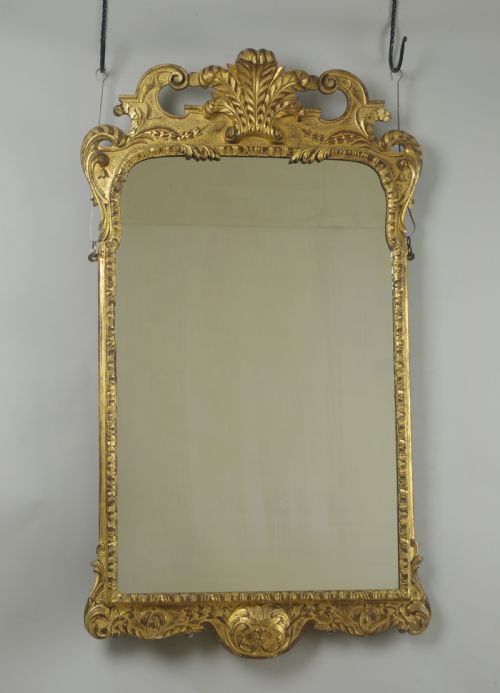
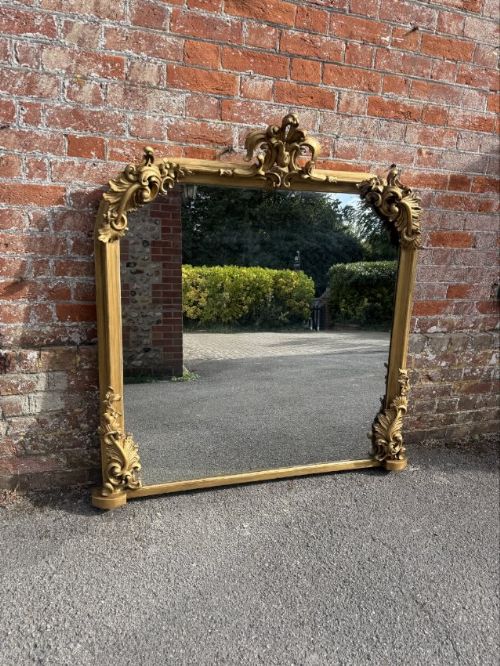
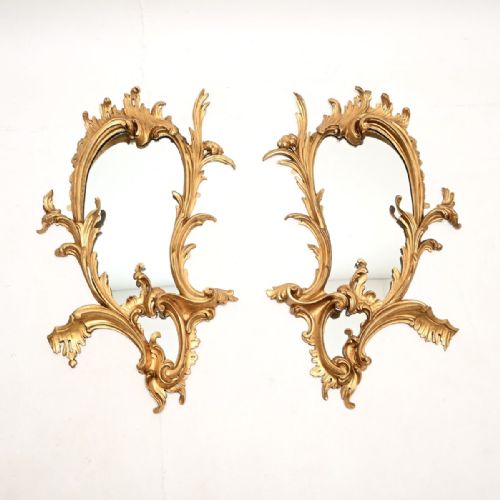
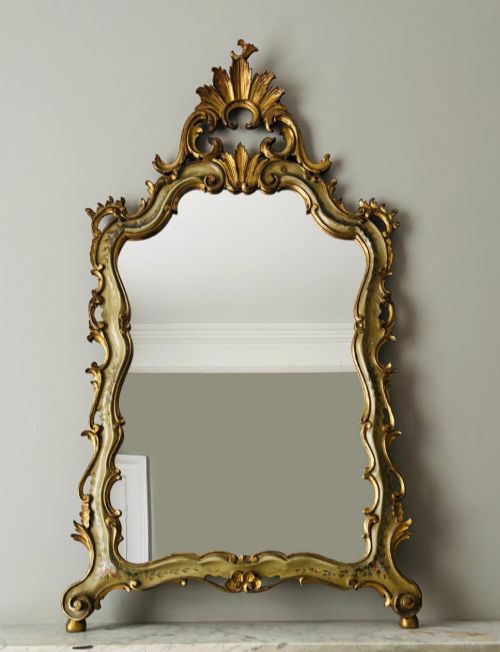
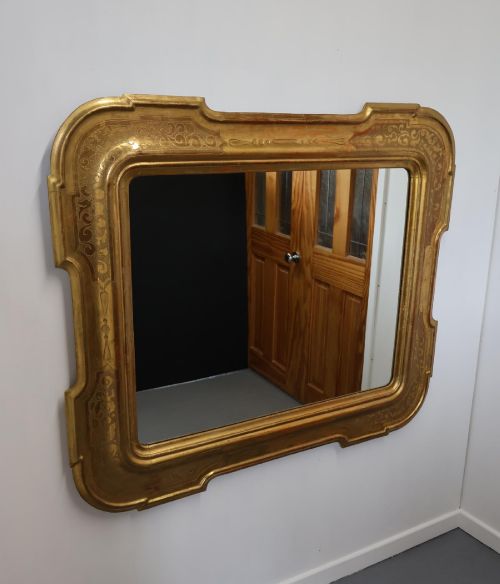
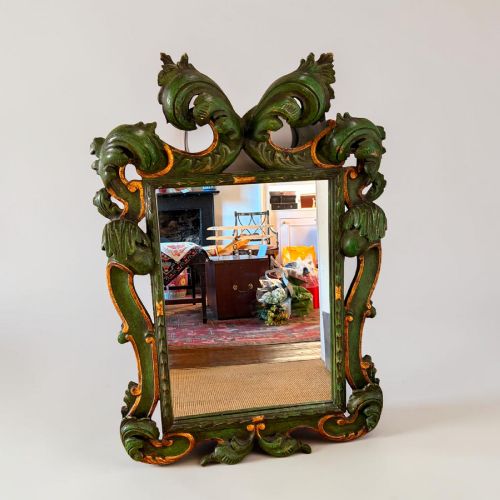
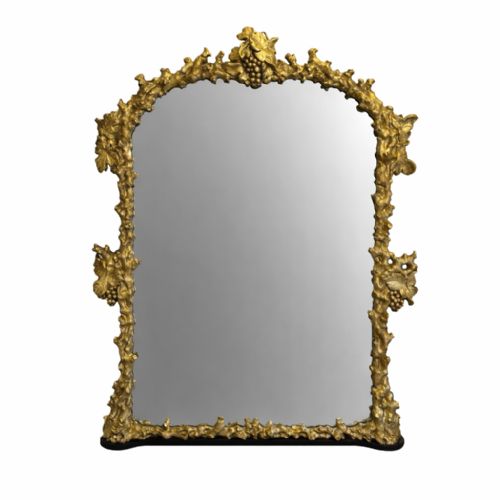
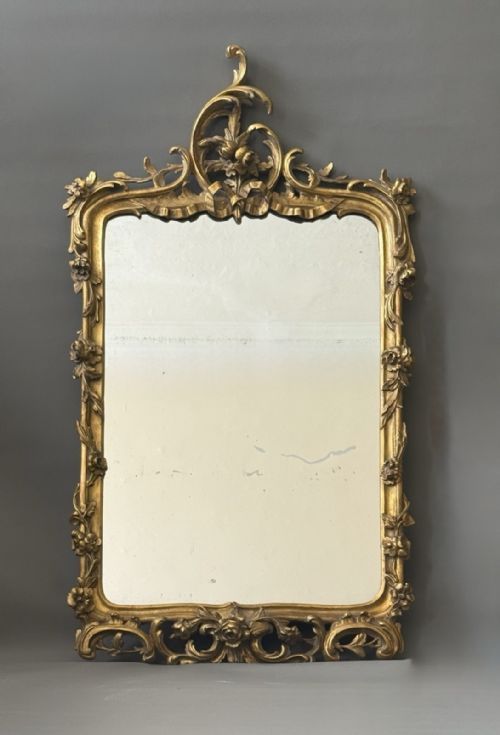
A rococo gilt framed mirror represents an ornamental tradition defined by C-scrolls, floral motifs and elaborate crestings. These pieces range from compact wall mirrors to expansive overmantels designed to hang above a fireplace.
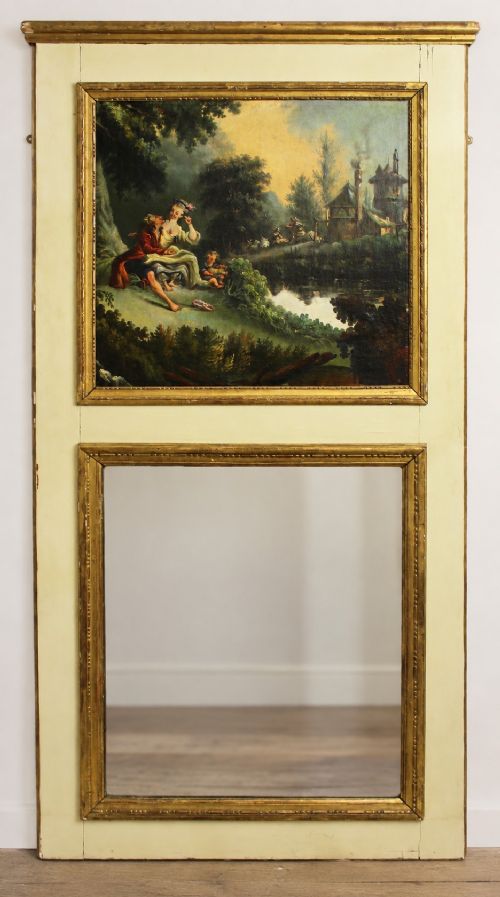
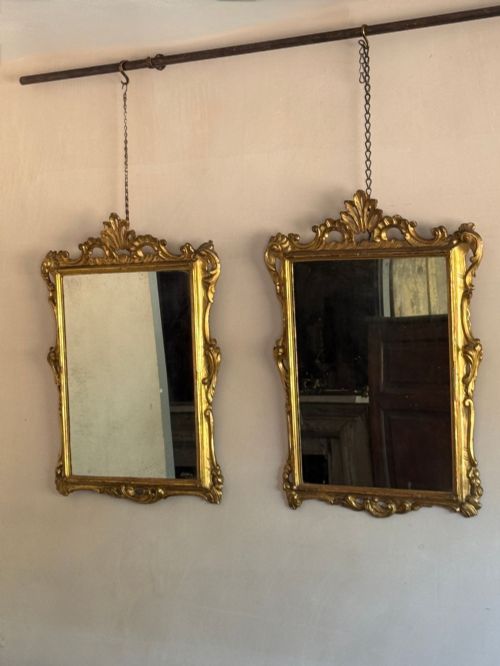
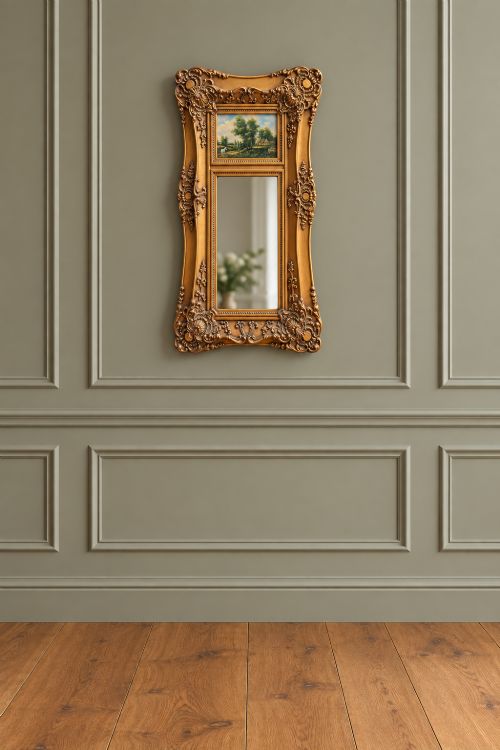
You will frequently encounter French and Italian examples from the eighteenth and nineteenth centuries, alongside later revival iterations. Forms include tall trumeau panels, twin arm girandoles and oval wall mirrors.
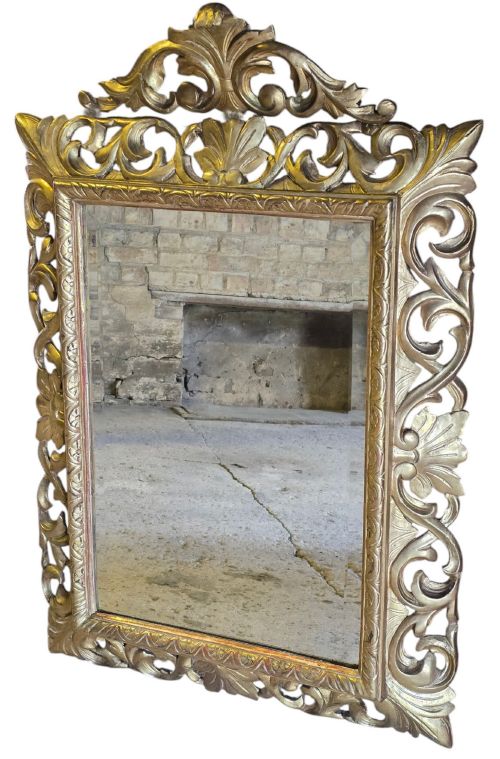
The aesthetic draws on Rococo Revival, French Chateau and Florentine Baroque idioms. Surviving specimens often display antique mirror plates or mercury glass housed within heavily carved timber frames.
How they were made
Framemakers built the structural carcass from timber such as walnut, mahogany or carved pine before applying layers of gesso to build up the relief detail. Artisans then sculpted and chased the gesso surface to create crisp botanical and scroll motifs.
Gilding involved laying thin sheets of gold leaf or silver leaf over a prepared bole. Many pieces utilise mercury glass or early bevelled mirror plates set securely into the rebated frame.
Seafarers and galleons occasionally sail across centuries within trumeau panels featuring maritime oil paintings.
What varies in quality
Depth and sharpness in the wood and gesso carving dictate visual hierarchy, distinguishing hand-chiselled depth from shallow moulded uniformity. Superior frames retain crisp undercut foliage and balanced asymmetry without losing structural integrity.
The preservation of the original gilt surface and the character of the mirror plate determine authenticity and depth. Patinated silver leaf, antique mercury glass and untouched gilding carry greater material weight than later respray treatments.
The Rococo Gilt Framed Mirror Glossary
- Gesso
- A plaster mixture applied to wood frames as a base for carving and gilding. It allows artisans to achieve sharp, intricate relief work.
- Giltwood
- Timber that has been coated with gold leaf or silver leaf. This technique provides a luminous metallic finish.
- Overmantel
- A large mirror specifically proportioned to sit above a mantelpiece or fireplace. These pieces often anchor a room's primary wall.
- Girandole
- A branched wall mirror designed to hold candles. The reflective plate multiplies the ambient light.
Rococo Gilt Framed Mirror: Frequently Asked Questions
How do I hang a heavy overmantel mirror?
Heavy carved frames require secure fixing directly into masonry or substantial wall studs using rated brackets. The weight must rest on load bearing fixings rather than relying on the top wire alone.
Professional installation is recommended for large nineteenth century pieces due to the combined weight of timber, gesso and thick glass plates.
What is mercury glass in an old mirror?
Mercury glass refers to double walled blown glass containing a silvering mixture inserted through a pontil hole. This historical method produces a distinctive mottled, dark reflective appearance.
True antique plates show natural foxing and oxidation spots that distinguish them from modern uniform silvering.
Can I place these mirrors in a bathroom?
High humidity and fluctuating temperatures risk damaging historic gesso, glue grounds and delicate leaf finishes. Moisture can also penetrate old silvering and accelerate edge corrosion.
Keep these pieces in dry living spaces, hallways or bedrooms to preserve the original materials.