

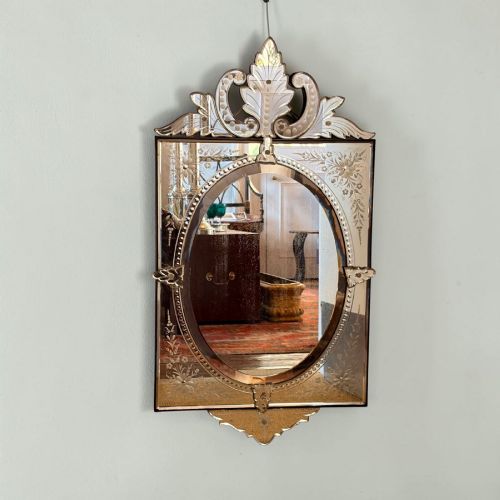
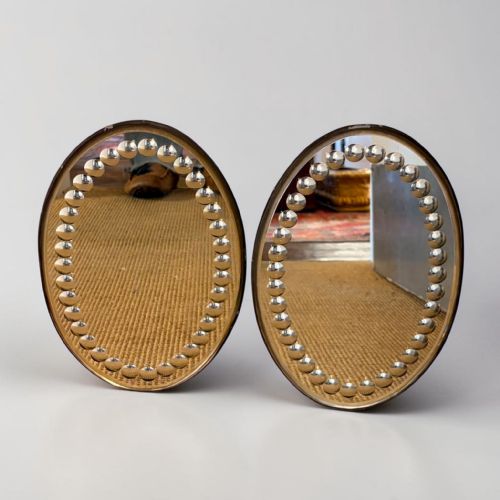
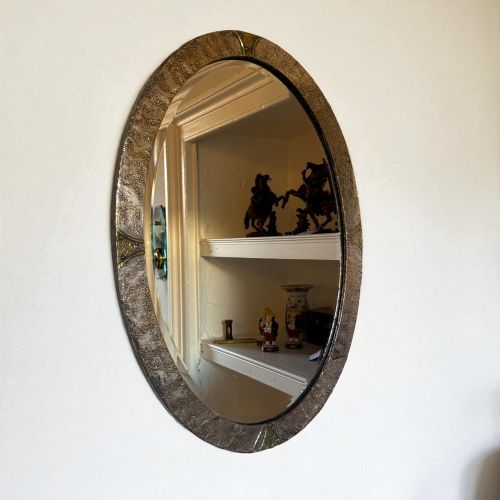
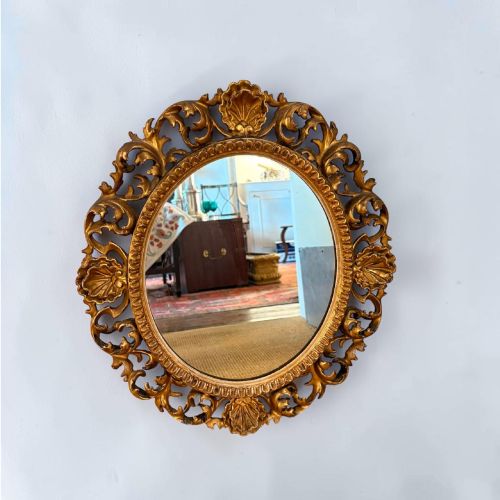



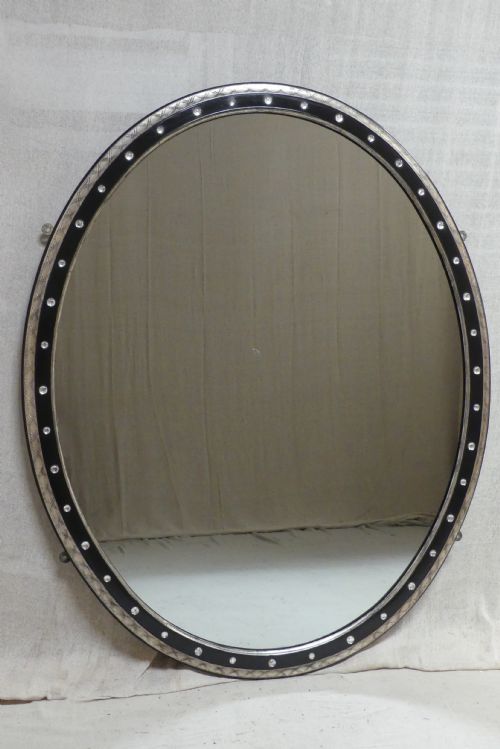
Decorative Oval Wall Mirror
A decorative oval wall mirror breaks the straight lines of a room, bringing light and movement to a wall.
Decorative Oval Wall Mirror
A decorative oval wall mirror brings curved grace to interior spaces, appearing most often in nineteenth-century and early twentieth-century editions. These pieces range from compact boudoir glass to substantial country house overmantels designed to reflect light across a large room.
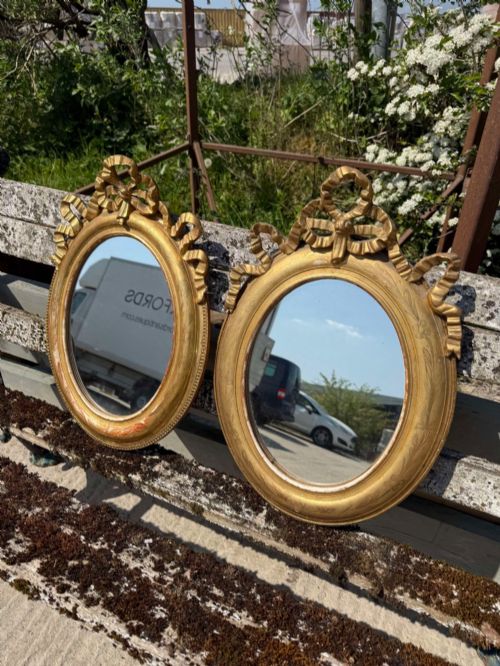
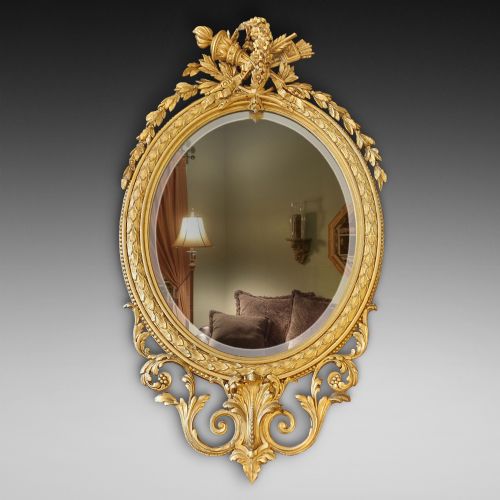
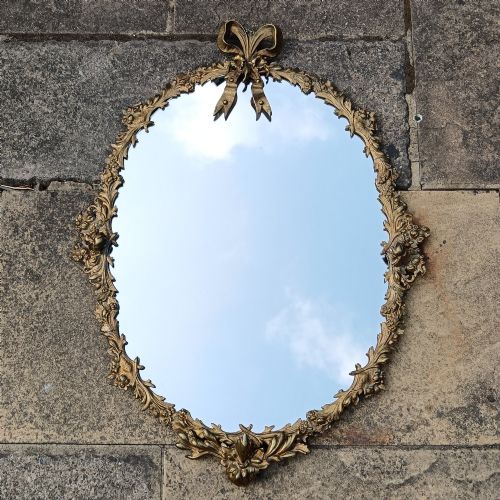
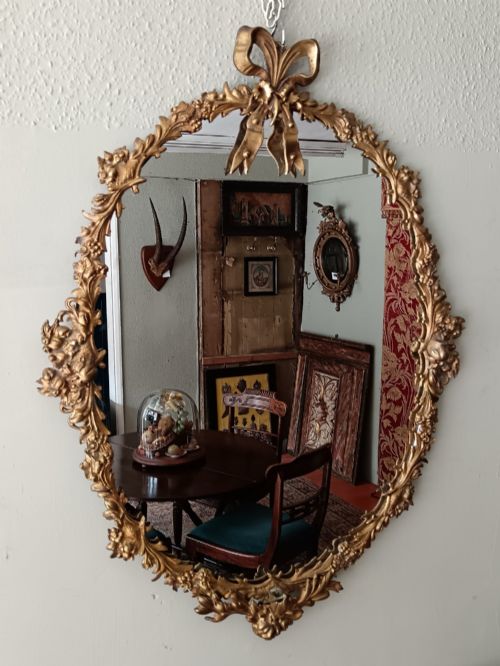
The selection on this page draws heavily from Victorian and Edwardian periods, alongside French chateau and continental revival styles. Buyers encounter everything from restrained mahogany frames to elaborate gilded pieces ornamented with vines, ribbons, and bows.
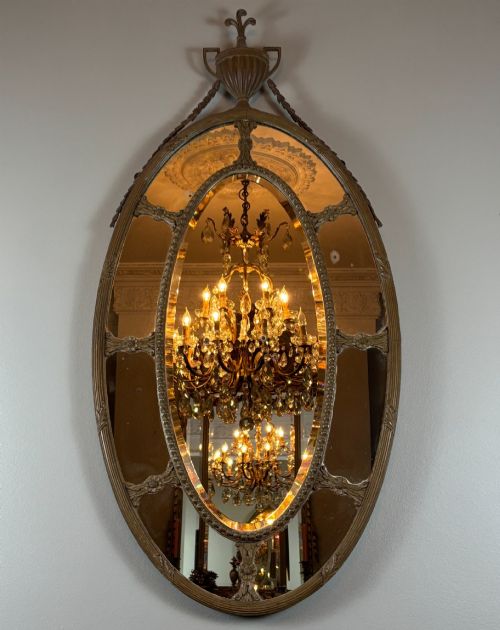
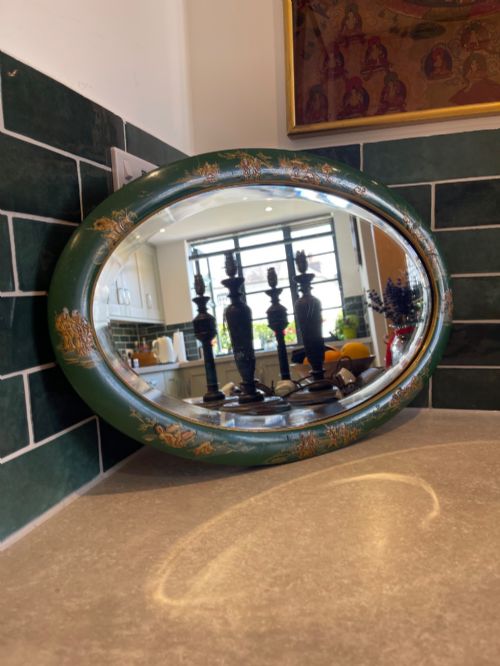
Makers utilised diverse forms, including classical Adam-style frames with urns and swags, as well as distinct Chinoiserie and Barbola decorated designs. Each object serves primarily as a wall-hanging focal point that softens rectangular room proportions.
Materials and construction
Craftsmen shaped frames from timber such as mahogany, ebonised wood, and carved giltwood, frequently applying gesso to build up intricate surface decoration. Gold leaf and paint provided the lustrous finishes seen on French and English models alike.
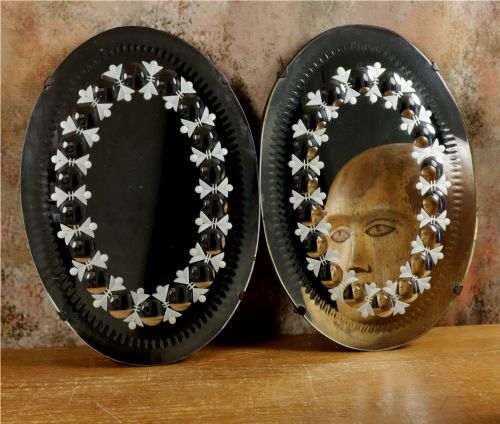
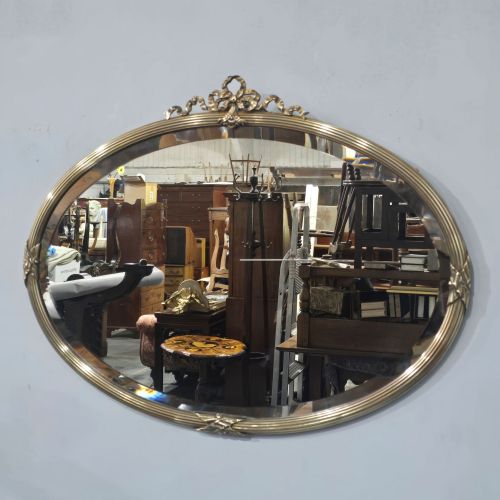
Gilt bronze and brass formed the durable metal structures of specific revival pieces, while specialist details like painted silk and porcelain decorated specialised frames. Mirror glass was set within these borders, sometimes featuring bevelled edges or border glass panels.
Decorative Oval Wall Mirror Retail Price Guide 2026
Typical asking prices for decorative oval wall mirror among the pieces listed under this phrase on Sellingantiques today, from the lower quarter to the upper quarter. They describe what is for sale here now, not the wider market.
One remarkably persistent nineteenth-century trend involved framing your reflection inside an explosion of carved wooden vine leaves.
What separates the range
The depth and crispness of the carving distinguish finer pieces from standard production, particularly in the rendering of delicate motifs like vine leaves, ribbons, and swags. Deeply undercut timber and hand-modelled gesso show superior workshop execution.
The quality of the gilding and the preservation of the original glass plate determine the upper tier of the market. Intact gold leaf with subtle patination carries more visual weight than later re-gilding or flat modern paint.
The Decorative Oval Wall Mirror Glossary
- Gesso
- A plaster-like mixture applied to wood frames to create a smooth surface for carving or gilding. This material allowed artisans to mould intricate relief decorations before applying gold leaf.
- Giltwood
- Timber that has been coated with a thin layer of gold leaf. It remains a hallmark of high-status decorative mirrors from the eighteenth century onward.
- Overmantel mirror
- A large wall mirror specifically designed to hang above a fireplace mantelpiece. These pieces often feature extended proportions to fill the vertical space of a chimney breast.
- Adam style
- A neoclassical design vocabulary inspired by Robert Adam, characterised by lightness, symmetry, and classical motifs such as urns, swags, and husks.
- Barbola
- A decorative technique using a thick, paste-like gesso composition applied directly to surfaces to form raised floral designs. It gained popularity during the early twentieth century.
- Parcel-gilt
- Woodwork where only specific raised portions or carved details are gilt, leaving the underlying dark wood or paint exposed elsewhere on the frame.
Decorative Oval Wall Mirror: Frequently Asked Questions
How do I hang a heavy antique oval mirror?
Substantial antique mirrors require professional wall fixings secured directly into masonry or heavy timber studs to support the weight safely. Using two secure hanging points distributes the load evenly across the frame.
Avoid relying solely on decorative top rings or old picture wire attached to the backboards of large pieces. Inspect the original joints of the frame before hanging to ensure the structure remains stable under tension.
What is the difference between Victorian and Edwardian mirrors?
Victorian mirrors tend to be heavier and more ornate, featuring deep gesso mouldings, dark ebonised woods, and rich gilding designed to anchor grand interiors. They often reflect revival styles like Rococo or Grand Regency.
Edwardian pieces generally lean towards lighter aesthetics, incorporating Adam-style neoclassical motifs, painted finishes, and brighter giltwood frames. These later mirrors suit brighter, less cluttered domestic spaces.
Can I place an antique oval mirror in a bathroom?
High humidity and steam can damage antique gesso, fragile wood glues, and the silver backing of historic mirror glass over time. Placing them in damp environments risks accelerating the deterioration of the original materials.
If you choose to hang one in a bathroom, ensure the room has robust ventilation and keep the piece away from direct splashes of water. Regular atmospheric stability preserves both the frame and the reflective plate.