




Foxed Mirror Plate
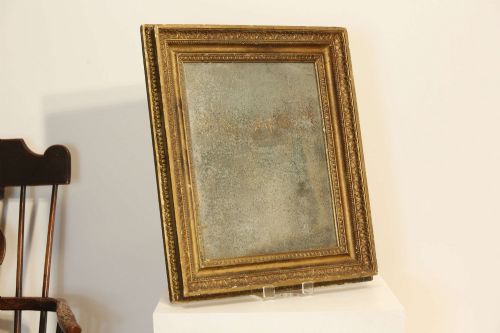
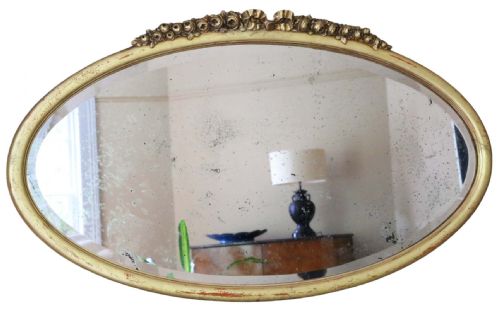
A foxed mirror plate brings genuine age and deep, mottled reflection to a room, offering the unmistakable charm of centuries past.
Foxed Mirror Plate
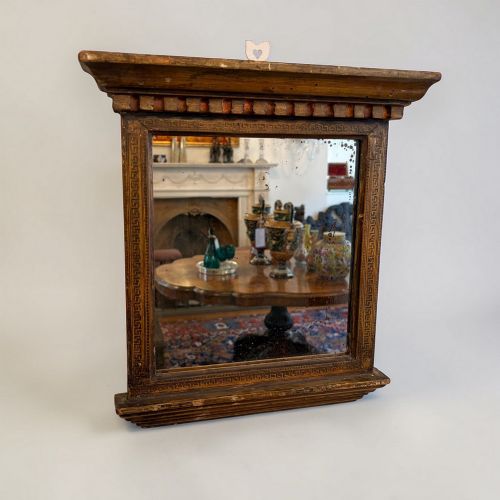
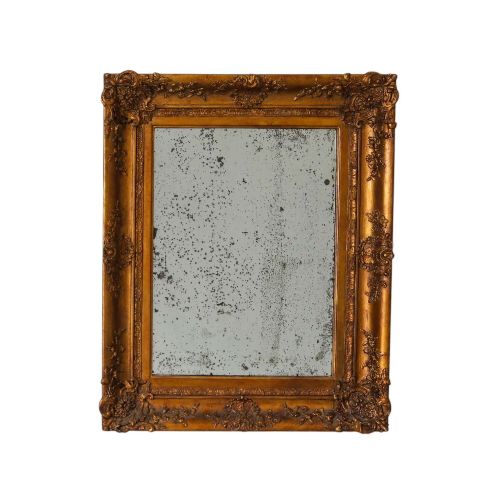
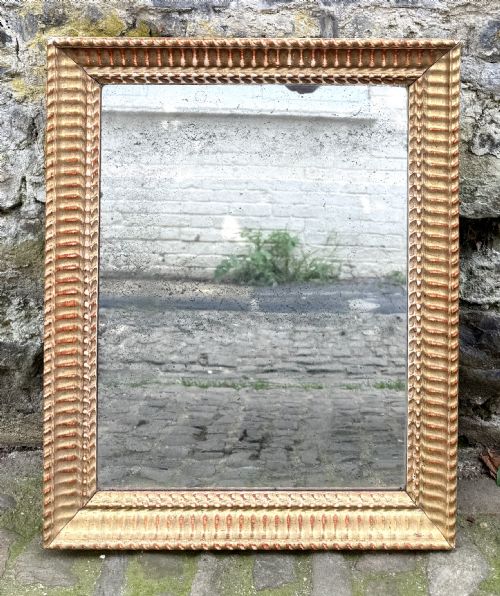
When you search for a foxed mirror plate, you are looking at antique and vintage glass that has naturally aged over decades or centuries, developing dark spots and silvering degradation. The examples you are most likely to meet on this page span the seventeenth, eighteenth, and nineteenth centuries, taking the form of wall mirrors, pier mirrors, and hand mirrors.
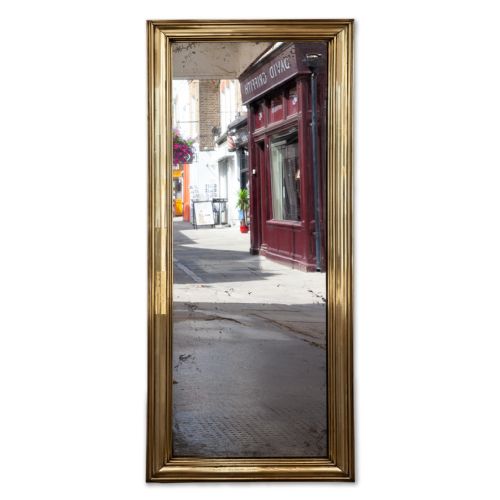
The frames housing these plates vary widely across styles and origins, including English country house giltwood, French provincial brass, Venetian designs, and early walnut cushion frames. Many retain their original mercury plates or distressed surfaces, giving interiors a historic focal point that modern glass simply cannot replicate.
How they were made
The construction of these pieces relies on traditional cabinetmaking and glass-silvering methods using materials such as wood, giltwood, gesso, gold leaf, brass, and metal. Early plates frequently utilised a mercury amalgam technique before modern chemical silvering processes were introduced.
Frames were expertly carved from timber, often accented with hand-applied gold leaf or gesso detailing to house the heavy glass plates securely. Over time, exposure to moisture and air caused the backing materials to oxidise, creating the characteristic foxing patterns seen today.
Foxed Mirror Plate Retail Price Guide 2026
Typical asking prices for foxed mirror plate among the pieces listed under this phrase on Sellingantiques today, from the lower quarter to the upper quarter. They describe what is for sale here now, not the wider market.
Object forms include wall mirrors, pier mirrors, overmantles, and double-sided hand mirrors reflecting various European styles.
What varies in quality
The distinction between ordinary and exceptional examples rests upon the harmony between the frame and the glass, as well as the depth and character of the oxidation. Original mercury plates paired with period frames command greater interest than later replacements.
The integrity of the original gilding or woodwork dictates the overall presence of the piece, where untouched surfaces with honest patination elevate the object well above those with heavy restoration.
The Foxed Mirror Plate Glossary
- Foxing
- The natural degradation of a mirror plate, where the reflective backing oxidises and forms dark, speckled spots over time. This process is highly prized by collectors for the authentic age it imparts.
- Mercury Plate
- An early mirror-making technique using a tin and mercury amalgam applied to the glass. It produces a warm, deep reflection distinct from modern silver nitrate mirrors.
- Giltwood
- Timber carved and coated with a thin layer of gold leaf. It is a defining material of ornate decorative frames from the eighteenth and nineteenth centuries.
- Pier Mirror
- A tall mirror specifically designed to hang on the narrow wall space between windows. These pieces often feature original distressed plates suited to grand interiors.
- Cushion Frame
- A distinctive framing style with a rounded, sloping profile resembling a soft cushion. These frames are frequently seen on seventeenth-century walnut examples.
Foxed Mirror Plate: Frequently Asked Questions
What is a foxed mirror plate?
A foxed mirror plate is an antique piece of glass where the reflective backing has aged and oxidised over time, creating mottled dark spots and a characteristic speckled appearance.
This natural weathering process gives the glass a soft, atmospheric reflection that modern manufacturing cannot duplicate, making original antique plates desirable for period interiors.
Are these plates original?
Many of the mirrors listed feature their original mercury plates or early distressed glass that has aged in place alongside the frame over the centuries.
Descriptions often note whether the plate is original to the piece, allowing buyers to identify examples that have remained untouched since their original manufacture.
How do I hang a heavy antique wall mirror?
Due to the substantial weight of solid wood, gesso, and thick antique glass, these mirrors require secure wall fixings suited to the specific construction of your wall.
It is advisable to consult a professional installer to evaluate the weight of the frame and utilise appropriate brackets or battens to support the piece safely.
How do I care for antique glass?
Cleaning antique glass requires a gentle approach to protect both the fragile frame and the delicate oxidised backing from further moisture damage.
Use a dry or barely damp microfiber cloth to remove dust, avoiding harsh chemical cleaners that could seep behind the glass and accelerate the degradation of the plate.