

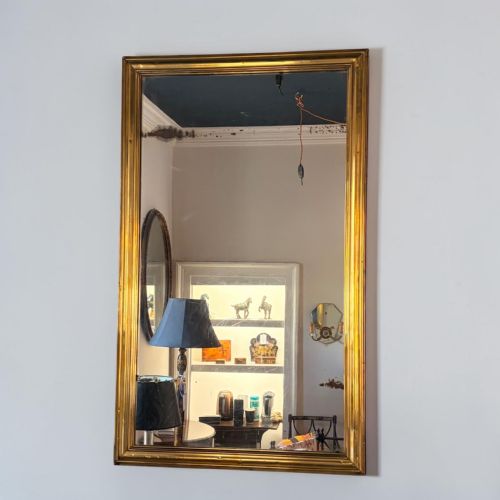
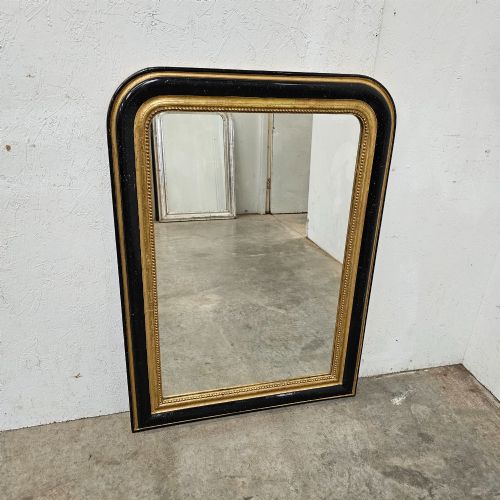
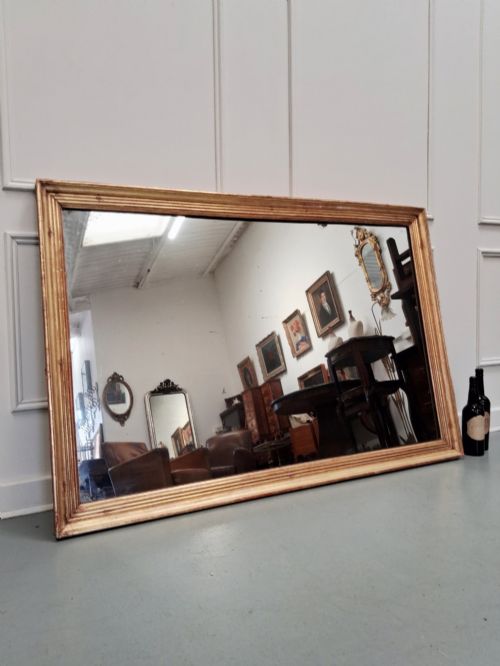
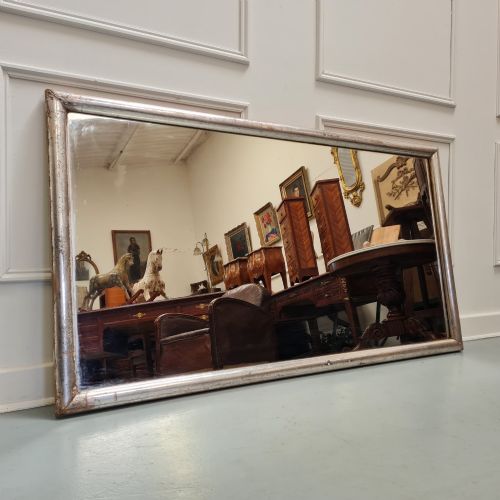




Antique Bistro Mirror
When choosing an antique bistro mirror, you secure a piece of French interior history built for commercial hospitality and daily use.
Antique Bistro Mirror
An antique bistro mirror serves primarily as a wall hanging originating from French commercial and domestic settings across the nineteenth and early twentieth centuries. These objects combine practical reflective glass with decorative framing intended to expand visual space in public rooms.
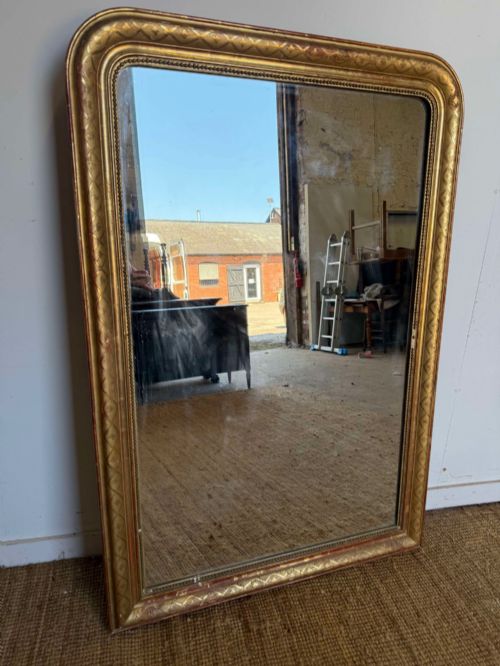
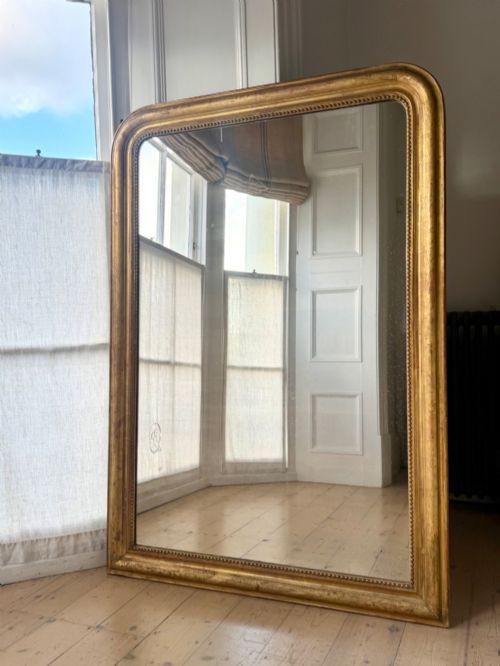
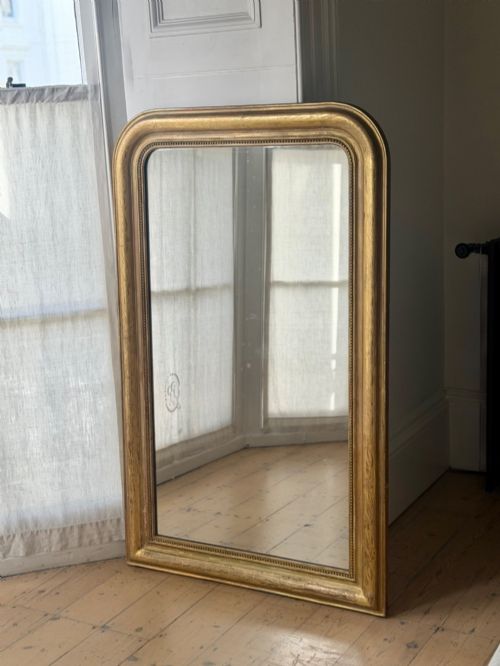
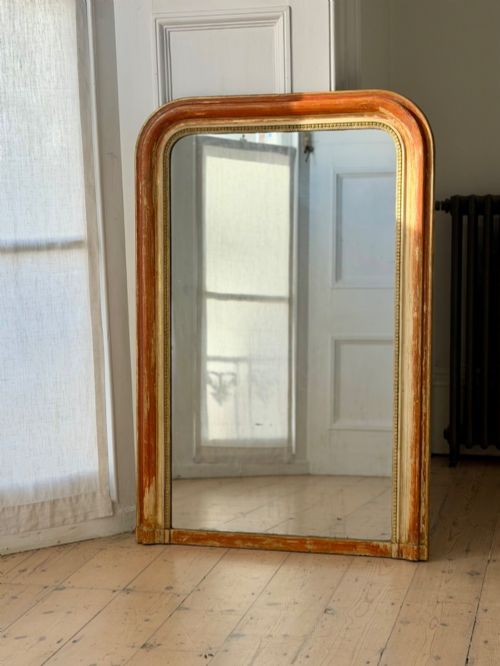
The version most commonly met on this page is the large French wall mirror, often framed in carved wood and gesso with painted or gilded surfaces. Pieces range from simple rectangular formats to taller pier mirrors and architectural overmantel designs.
Makers and manufacturers produced these mirrors for everyday cafes, brasseries, and salons, which accounts for their robust timber construction and substantial scale. Surviving examples frequently retain original distressed plates that show decades of atmospheric ageing.
Materials and construction
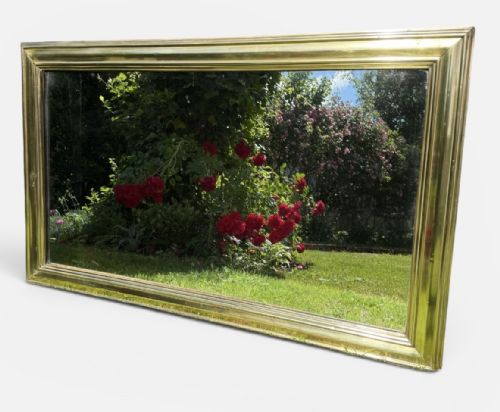
Makers built the frames of an antique bistro mirror primarily using timber, carved wood, and applied gesso to create ornamented mouldings. Many examples also incorporate brass framing or thick brass mounted directly onto oak backings for added structural durability.
Surfaces were finished with paint, silver gilt, or traditional gilding applied over the gesso base to achieve a bright reflective border. The reflective glass plates themselves were set securely within these heavy frames, often utilising mercury glass techniques in nineteenth-century specimens.
Antique Bistro Mirror Retail Price Guide 2026
Typical asking prices for bistro mirror among the pieces listed under this phrase on Sellingantiques today, from the lower quarter to the upper quarter. They describe what is for sale here now, not the wider market.
Some mirrors spent their youth dodging flying corks and spilled absinthe in bustling Parisian cafes before retiring to quiet living room walls.
Distinctions in quality
Quality in an antique bistro mirror rests upon the crispness of the carved wood and gesso ornamentation along the frame. Superior examples display deep, deliberate hand-carving rather than superficial moulding, preserving intricate detail beneath layers of original paint or gilt.
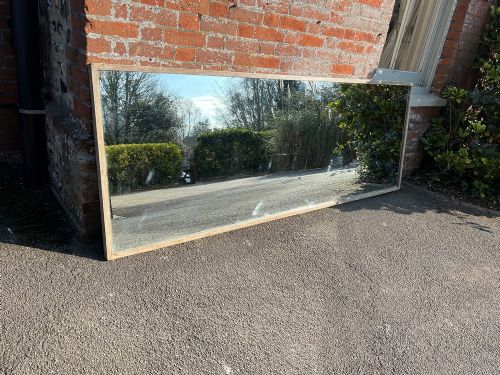
The integrity of the mirror plate itself establishes a major tier of distinction between pieces. Original distressed glass retaining authentic foxing and silvering commands greater interest than later replacement plates, offering an undisturbed historic patina.
The Antique Bistro Mirror Glossary
- Gesso
- A plaster-like mixture applied to wood frames to provide a smooth surface for gilding or painting. This material allows for intricate relief moulding around the border.
- Pier Mirror
- A tall, narrow mirror designed specifically to hang on the wall space between two windows. These pieces often feature elongated proportions to maximise light reflection.
- Overmantel Mirror
- A wide mirror intended to be positioned directly above a fireplace mantel. Such items typically span horizontal dimensions to complement room proportions.
- Mercury Glass
- An early type of silvered glass produced using a mercury amalgam technique before safer chemical silvering methods became standard. It yields a characteristically deep and cloudy reflection.
- Portmanteau
- A combined hall fixture incorporating a mirror alongside hooks for garments and hats. These objects served utilitarian entranceway functions in nineteenth-century interiors.
Antique Bistro Mirror: Frequently Asked Questions
How do I hang a heavy bistro mirror?
These mirrors possess substantial weight due to thick timber frames and heavy glass plates. Secure fixings directly into wall studs or utilise appropriate heavy-duty masonry anchors.
Verify that the hanging wire or integrated brackets on the back of the frame can support the total load before mounting the piece.
Are original mirror plates always distressed?
Original nineteenth-century plates naturally develop foxing, dark spots, and silver degradation over decades of exposure to ambient conditions. This ageing process creates the characteristic clouded appearance valued by collectors.
Not every plate shows heavy deterioration, but untouched examples typically exhibit gentle patination rather than a modern, flawless reflection.
Where should I place a bistro mirror?
Position these mirrors opposite windows or light sources to bounce natural illumination deeper into living spaces and dining rooms. Their original commercial purpose makes them particularly effective in hallways, kitchens, and social areas.
Ensure the chosen wall can accommodate the scale, as many surviving examples measure several feet tall.
How do I clean antique mirror glass?
Apply a mild, non-ammonia glass cleaner to a soft microfibre cloth rather than spraying the liquid directly onto the glass. This prevents moisture from seeping behind the plate and damaging the old silvering or backing.
Exercise caution around the edges where the original glass meets the wood and gesso frame.