

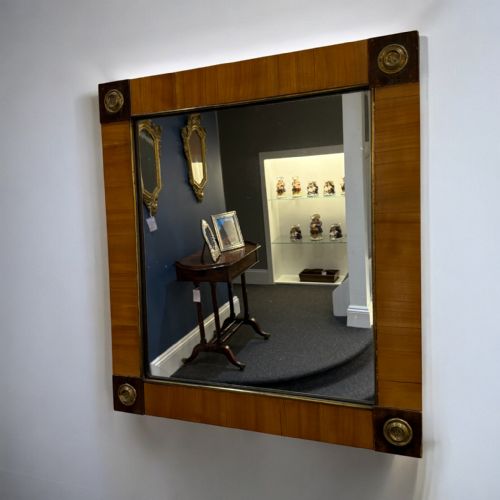
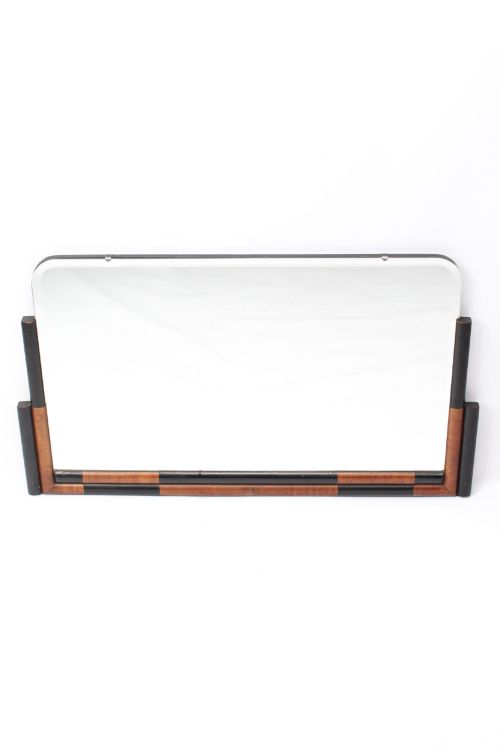
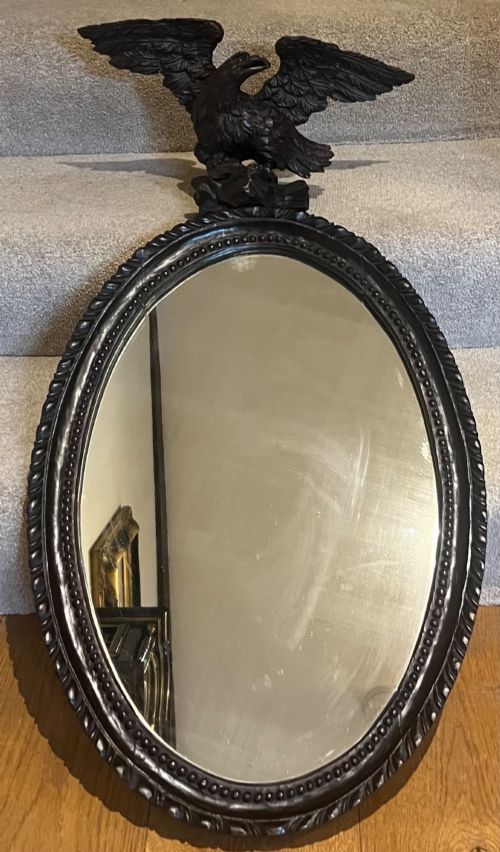


Ebonised Wooden Mirror
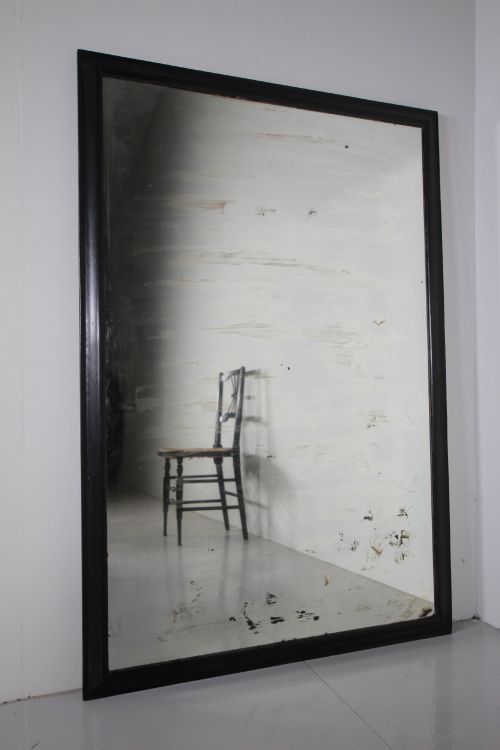
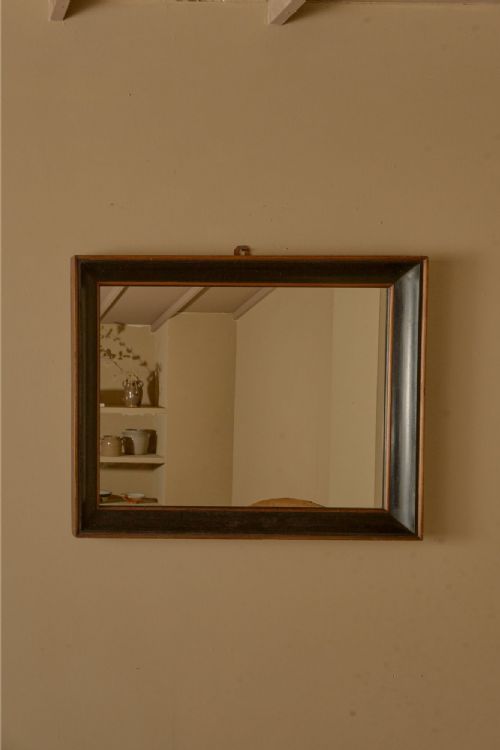
An ebonised wooden mirror brings deep, dark contrast to a room, trading bright timber for a sleek, polished surface.
Ebonised Wooden Mirror
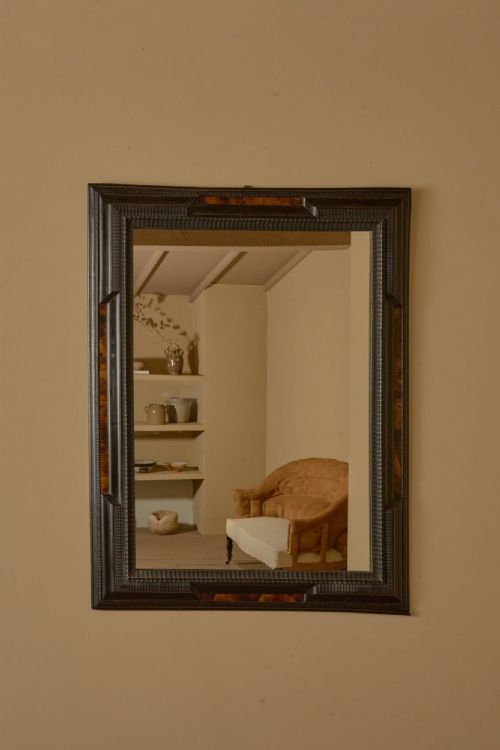
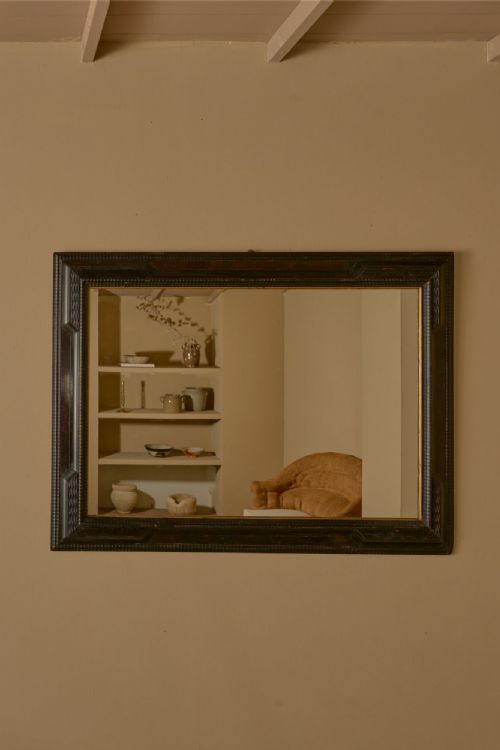
When you search for an ebonised wooden mirror, you encounter timber stained or painted black to imitate ebony, often highlighted with gilt details. These furnishings appear across several historical periods, including the Regency, Victorian, and Art Deco eras.
The pieces on this page span diverse forms ranging from large overmantle wall mirrors designed for principal reception rooms to small hand-held mirrors and floor-standing pieces. Victorian aesthetic movement and later revival styles dominate the selection.
Makers utilised various woods beneath the dark finish, including fruitwood veneer and birchwood, creating dense and heavy frames. Overmantle mirrors often incorporate original glass plates and generous proportions suited to period interiors.
How they were made
Craftsmen achieved the signature black finish by staining or painting timber, frequently combining the dark surface with gold leaf accents to catch the light. Frames incorporate materials such as brass fittings, fruitwood veneer, and walnut beneath the ebonised coating.
Mirror glass was set into carved or moulded wooden structures, sometimes accompanied by gilt details or inlaid elements. Structural integrity relied on traditional joinery suited to heavy overmantle and wall formats.
Ebonised Wooden Mirror Retail Price Guide 2026
Typical asking prices for ebonised wooden mirror among the pieces listed under this phrase on Sellingantiques today, from the lower quarter to the upper quarter. They describe what is for sale here now, not the wider market.
Object forms range from compact hand-held pieces and girandoles to large overmantle and floor-standing wall mirrors.
What varies in quality
Quality rests upon the crispness of the carving and the depth of the ebonised finish relative to the underlying wood. Ornate overmantle designs demonstrate finer decorative detail compared to simpler utility pieces.
The condition of the original mirror plate and the preservation of the gold leaf significantly influence the character of the object. Weight, proportion, and timber selection dictate the distinction between standard room mirrors and exceptional examples.
The Ebonised Wooden Mirror Glossary
- Ebonised
- Timber treated with stain, dye, or paint to simulate the appearance of expensive ebony wood. This technique became popular during the nineteenth century for furniture and frames.
- Overmantle mirror
- A large mirror designed to hang directly above a fireplace mantelpiece. These pieces often feature wide proportions to reflect light across a room.
- Gilt
- A thin layer of gold leaf or powder applied to the surface of wood or metal. It frequently accents ebonised frames to highlight carved details.
- Girandole
- A decorative wall mirror featuring attached candle sconces or arms. The reflective glass multiplies the candlelight within the interior.
- Fruitwood veneer
- A thin decorative layer of fruit tree timber applied to a secondary wood core. Makers used this material to provide a smooth ground for finishing.
Ebonised Wooden Mirror: Frequently Asked Questions
How do I hang a heavy overmantle mirror?
Heavy overmantle mirrors require secure wall fixings distributed evenly across the primary wooden structure. Professional installation ensures the weight rests safely against structural studs.
Avoid relying solely on decorative brackets or picture wire when mounting large nineteenth-century frames.
Can I clean the ebonised surface with water?
Excess moisture damages dark finishes and can seep into old wooden joints. Use a dry cloth to remove dust from the carved frame.
Keep glass cleaner away from the wooden edges to prevent staining the surrounding ebonised surface.
Are these mirrors fitted with original glass?
Period mirrors often retain their original glass plates, which may show light foxing or small blemishes. These surface marks confirm the age of the object.
Replacements typically appear clearer and lack the slight distortion found in older manufactured glass.
What rooms suit an ebonised mirror?
Dark wooden frames work well in hallways, living rooms, and bedrooms needing strong visual contrast. The reflective surface brightens darker corners while the dark frame grounds the wall.
Overmantle versions suit traditional fireplace settings or act as standalone focal points on plain walls.