






Geometric Wall Mirror
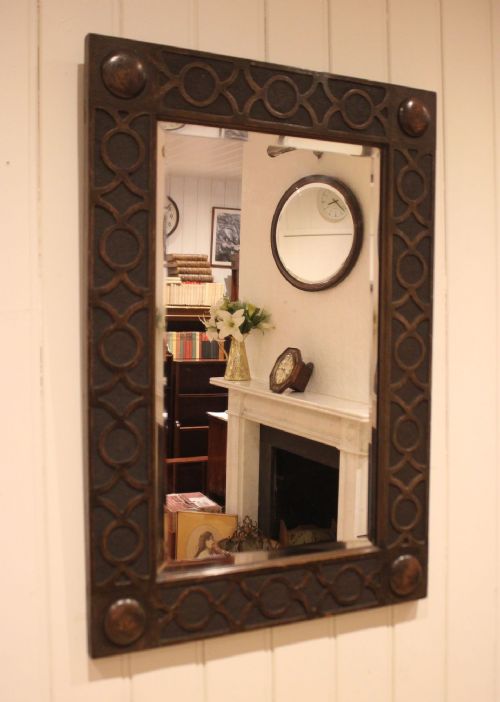
These geometric wall mirrors are striking focal points that bring linear clarity and period character to a room.
Geometric Wall Mirror
A geometric wall mirror delivers structured visual impact through crisp angles, panelled segments and distinct architectural shapes.
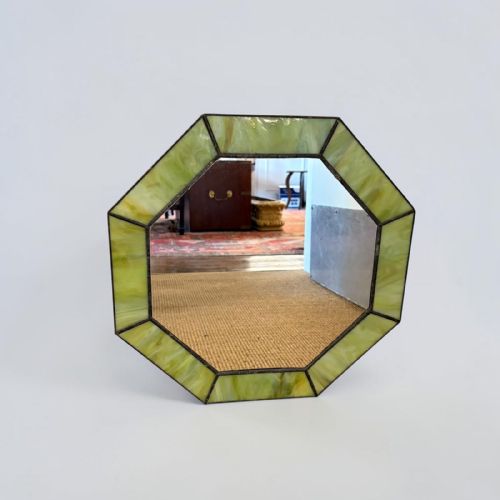
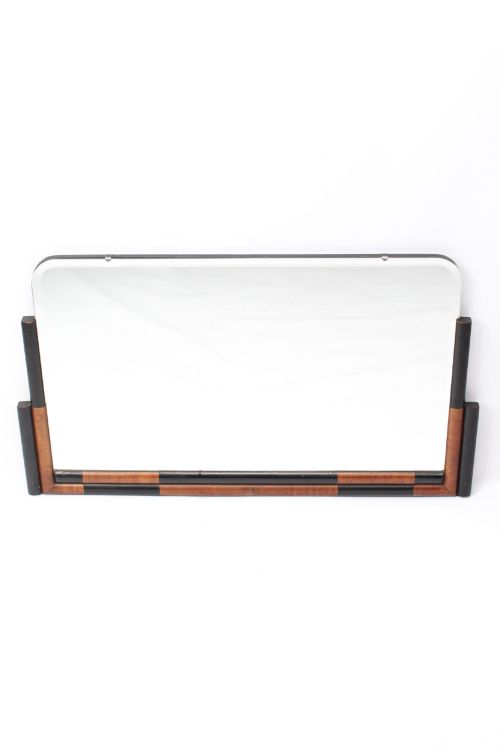
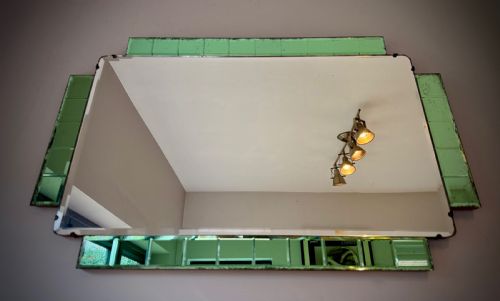
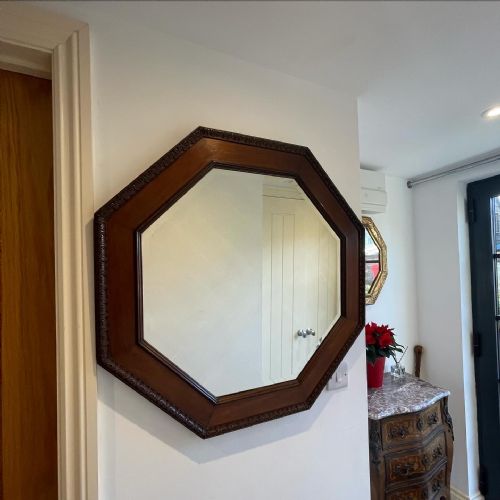
The versions most commonly met here belong to the Art Deco period, featuring octagonal, diamond and multi-section formats.
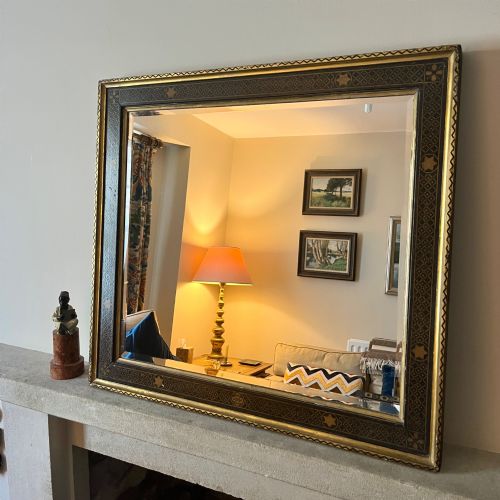
Earlier Victorian Aesthetic Movement and Edwardian examples also appear, alongside Islamic influenced and Ottoman revival designs.
How they were made
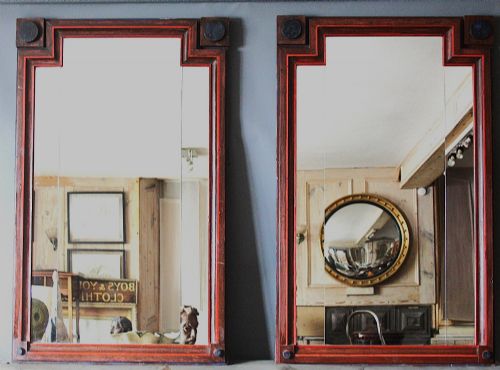
Maker construction relies on timber frames of walnut, oak and ebonised wood, often incorporating painted details and inlaid sections.
Reflective surfaces utilise bevelled glass panels, sometimes accented with coloured glass in shades like emerald green or paired with chrome elements.
Geometric Wall Mirror Retail Price Guide 2026
Typical asking prices for geometric wall mirror among the pieces listed under this phrase on Sellingantiques today, from the lower quarter to the upper quarter. They describe what is for sale here now, not the wider market.
One exceptional nineteen-twenties piece even doubles as a clock, proving that functional timekeeping once took a distinctly angular turn.
What varies in quality
Quality reveals itself in the precision of the panel assembly and the crispness of the bevels cut into the glass.
The choice of frame timbers, such as figured walnut or carefully applied ebonisation, distinguishes finer workshops from standard production.
The Geometric Wall Mirror Glossary
- Art Deco
- A design style dominant in the nineteen-twenties and nineteen-thirties characterised by sleek geometric shapes and stylised motifs. It provides the majority of the pieces found in this category.
- Bevel
- An edge of a glass panel cut at an angle rather than square to the surface. This technique catches the light and adds depth to multi-section mirrors.
- Ebonised wood
- Timber treated with a dark finish to imitate expensive ebony. It offers high contrast against mirrored glass and lighter wood inlays.
- Aesthetic Movement
- A late nineteenth-century British design movement prioritising visual beauty over narrative. Pieces from this period often display refined craftsmanship and stylized forms.
Geometric Wall Mirror: Frequently Asked Questions
How do I hang a heavy geometric mirror?
These mirrors often carry substantial weight due to multi-section glass and timber frames. Secure fixings into solid wall anchors rather than plasterboard alone.
Ensure the hanging wire or brackets on the reverse match the structural demands of the specific piece.
Are these mirrors original period pieces?
The selection includes genuine examples dating from the Victorian era through the nineteen-thirties. Materials and construction methods reflect the manufacturing standards of their respective decades.
Checking the backing boards, frame construction and glass characteristics helps confirm the age of each mirror.
How do I clean antique mirror glass?
Use a soft microfiber cloth and a mild, ammonia-free cleaning solution applied to the cloth rather than directly onto the glass. This prevents moisture seeping behind the silvering.
Take care around panel joints and painted or ebonised wooden frames to protect the original finishes.
What rooms suit a geometric wall mirror?
The clean lines and angles of these pieces complement hallway spaces, living rooms and bedroom dressing areas. They function effectively above mantelpieces or console tables.
Smaller octagonal formats work well in compact spaces, while diamond and multi-section designs anchor larger feature walls.