





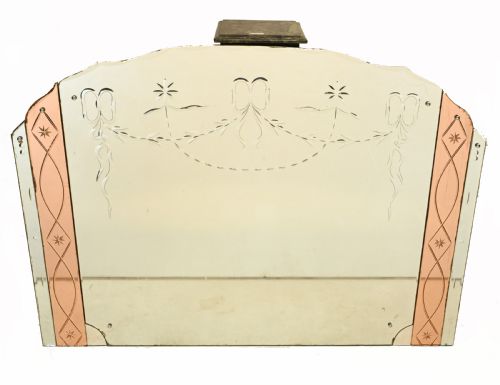
Art Deco Mantel Mirror
An art deco mantel mirror brings geometric rhythm and tinted glass to a room, offering the sharp lines and clean styling collectors seek.
Art Deco Mantel Mirror
When you search for an art deco mantel mirror, you encounter wall mirrors, overmantel mirrors, and mirrored clock combinations designed for interior placement above a fireplace. These pieces originate principally from the 1920s and 1930s, reflecting the dominant styles of the period.
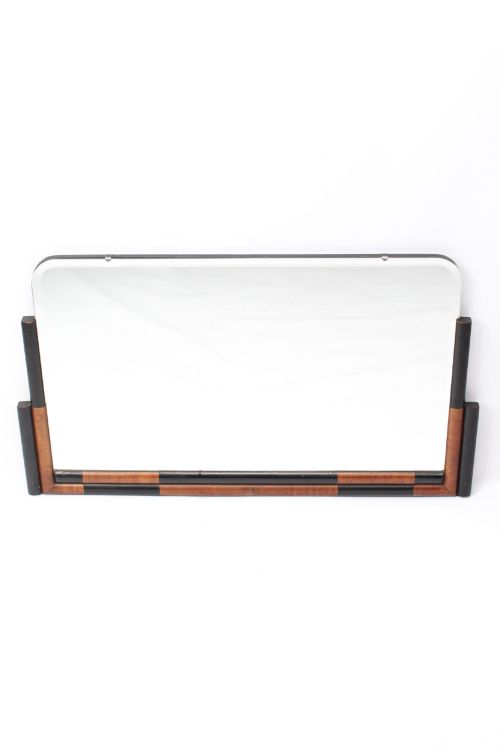
The version you are most likely to meet on this page is a mirror glass or wooden-framed piece from around 1930. Alongside standard wall mirrors, the selection includes clock garnitures and fire surrounds incorporating mirrored panels.
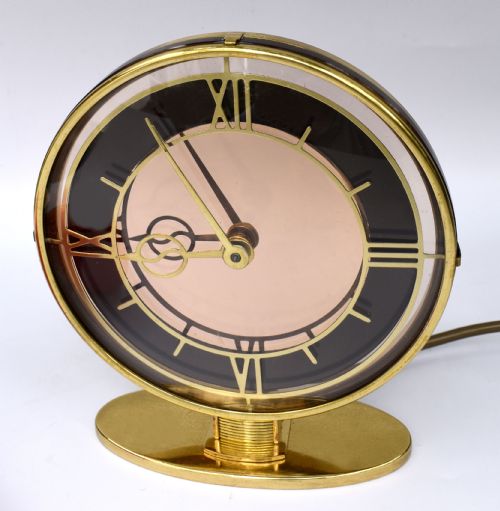
Makers integrated function with decoration, combining timepieces and mechanical movements directly into the mirrored glass structure. English and French examples appear frequently across the listings.
Factors influencing quality
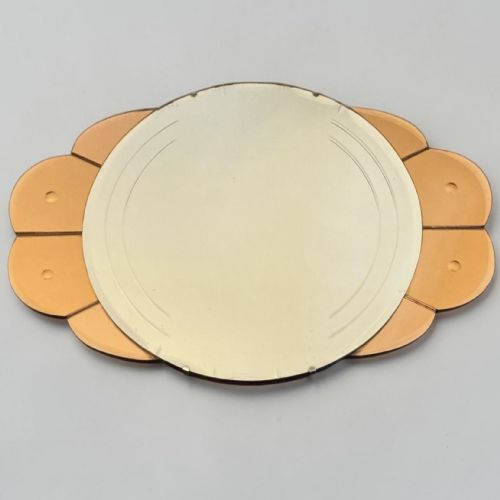
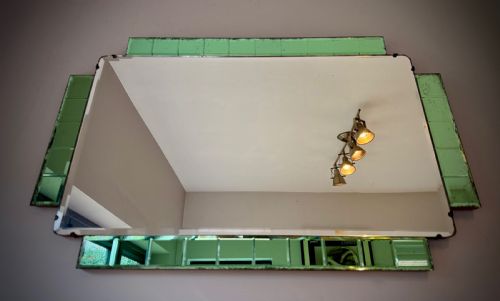
The sophistication of the glass assembly separates standard production from superior examples. Pieces featuring multi-coloured glass panels, such as emerald green or blue sections combined with peach mirror glass, demonstrate higher ambition than plain silvered glass.
Integration of mechanical movements, including eight-day and Westminster chiming mechanisms by makers like Smiths Clock Company, alters the character and complexity of the object. The choice of cabinet woods, from simple ebonised timber to figured walnut and inlaid macassar ebony, dictates the status of the frame.
Art Deco Mantel Mirror Retail Price Guide 2026
Typical asking prices for art deco mantel mirror among the pieces listed under this phrase on Sellingantiques today, from the lower quarter to the upper quarter. They describe what is for sale here now, not the wider market.
One listed figure goes by the title 'The woman hand mirror', capturing a distinct sculptural moment from 1930s design.
Smiths Clock Company
The Art Deco Mantel Mirror Glossary
- Overmantel mirror
- A large mirror specifically designed to sit on the mantelpiece above a fireplace. These pieces often span a significant width to reflect the room.
- Beveled mirror
- A mirror plate with an angled, polished edge that catches the light. This technique adds depth and a finished appearance to the glass perimeter.
- Mirror clock
- A timepiece built directly into a mirrored glass housing or dial surround. The mechanical movement operates behind or through the glass face.
- Macassar ebony
- A heavily figured exotic wood with dark brown and black stripes used for cabinetwork. It provides a striking contrast against mirrored surfaces.
- Ebonised wood
- Timber treated to imitate ebony through staining or painting. This technique creates a dense black finish popular in period furniture.
Art Deco Mantel Mirror: Frequently Asked Questions
How do I date an art deco mantel mirror?
Dating relies on stylistic markers and materials associated with the 1920s and 1930s, such as geometric glass cuts and coloured mirror panels. Mechanical clock movements and maker signatures also assist in establishing a timeline.
Evidence from period pieces points toward standardised production methods during the 1930s, alongside earlier 1920s examples featuring emerald green glass.
Where should I place a mirror clock?
These pieces suit mantelpieces, sideboards, or console tables where both the timekeeping function and the decorative glass can be observed. They require a stable, flat surface away from excessive moisture.
Ensure the location supports the weight of the glass and wooden framework safely without risk of tipping.
What colours of glass were used?
Makers incorporated peach, pink, emerald green, and blue mirror glass alongside standard silvered glass panels. These tints define the aesthetic of the period.
Combinations of contrasting glass colours often appear around clock dials or framing borders.
Are these mirrors suitable for everyday use?
Period mirrors function well in modern interiors for reflection and decorative impact. Clock combinations also maintain practical timekeeping if fitted with mechanical or electric movements.
Careful placement protects the vintage glass panels and original wood or brass frames from accidental impact.