



Tinted Glass Wall Mirror
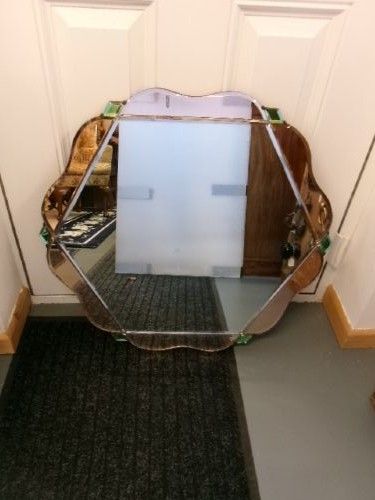
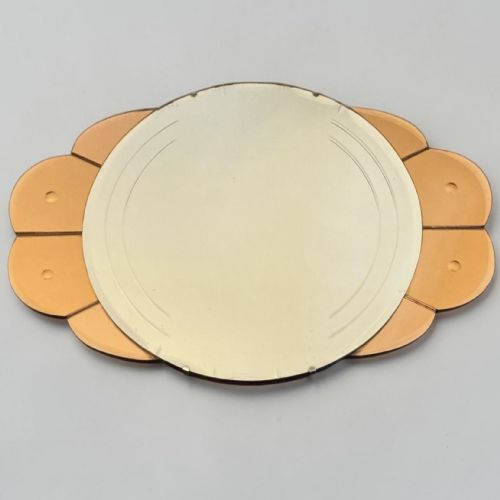
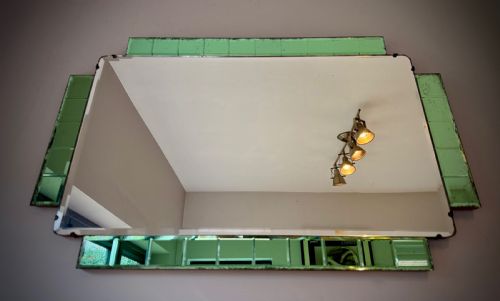
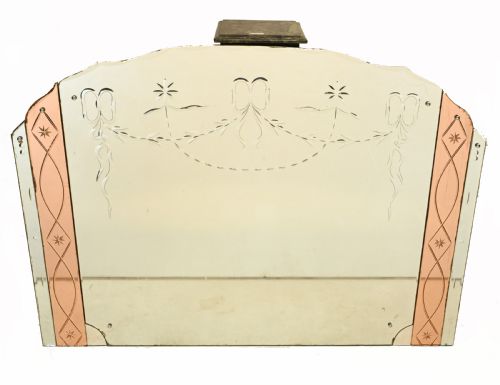
A tinted glass wall mirror brings distinct period colour and geometric geometry to an interior, defined by peach, emerald green, and blue hues.
Tinted Glass Wall Mirror
A tinted glass wall mirror is typically encountered from the Art Deco period, dating across the 1920s and 1930s. These pieces take the form of wall mirrors, overmantel mirrors, and mantle mirrors, designed with distinct decorative glass panels.
The selection ranges from large Venetian examples to English and French geometric designs. Builders utilised coloured glass sections, such as peach glass, blue glass, and emerald green glass panels, to create striking visual focal points.
How they were made
Art Deco workshops employed geometric cutting techniques to assemble panels of peach and white mirrors. The integration of coloured glass panes with traditional silvered mirror plates required precise joinery and framing.
Tinted Glass Wall Mirror Retail Price Guide 2026
Typical asking prices for tinted glass wall mirror among the pieces listed under this phrase on Sellingantiques today, from the lower quarter to the upper quarter. They describe what is for sale here now, not the wider market.
Current listings span the 1920s and 1930s, featuring glass, wood, metal, and copper materials configured into Art Deco and Venetian styles.
What varies in quality
Quality rests in the complexity of the glass assembly and the depth of the colour palette used across the piece. Examples featuring contrasting tones, such as blue glass with copper or emerald green panels, demonstrate greater ambition than monochrome versions.
The sophistication of the original framework, whether large Venetian configurations or substantial overmantle formats, dictates the standing of the piece. Intricate beveling and embossed glass details elevate standard wall mirrors into finer decorative objects.
The Tinted Glass Wall Mirror Glossary
- Art Deco
- A design style prevalent during the 1920s and 1930s characterised by streamlined geometric forms and stylised motifs. This period produced the vast majority of tinted glass wall mirrors.
- Overmantle mirror
- A large wall mirror specifically designed to hang above a fireplace mantelpiece. These pieces often span a wider horizontal format to complement the hearth.
- Beveled glass
- Glass featuring an angled edge cut and polished to a specific width around the perimeter. This technique refracts light and adds a decorative border to the mirror plate.
- Venetian style
- An ornamental approach associated with traditional glassmaking techniques originating from Venice. These mirrors often incorporate complex glass arrangements and decorative framing elements.
Tinted Glass Wall Mirror: Frequently Asked Questions
Where should I hang a tinted glass wall mirror?
These mirrors suit principal reception rooms, hallways, or above a fireplace where an overmantle mirror reflects natural light. Their distinctive colours function well against neutral walls.
Ensure the wall construction supports the weight of the wooden backing and glass panels safely.
How do I date a tinted glass wall mirror?
Most examples originate from the 1920s and 1930s within the Art Deco era. Stylistic indicators include geometric panel layouts and specific glass shades like peach or emerald.
Examine the construction of the wooden backing and metal fixings for period characteristics.
What maintenance do these mirrors require?
Clean the mirrored glass and tinted glass panels gently using a soft cloth and mild glass cleaner. Avoid harsh chemicals that could damage the silvered backing or copper elements.
Check the hanging wire and structural fixings periodically to ensure secure wall attachment.
Are these mirrors English or continental?
The selection includes pieces attributed to English and French workshops, alongside Venetian styles. Design traits and glass combinations often point to their regional origins.
Documentation or traditional construction methods help identify whether a piece originates from domestic makers or continental designers.