




1930s Wall Mirror
A 1930s wall mirror brings geometric rhythm and tinted glass to a room, offering both functional reflection and striking modernist character.
1930s Wall Mirror
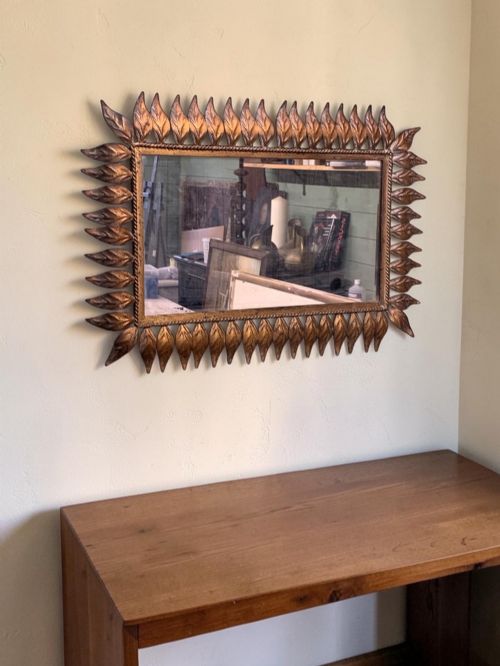
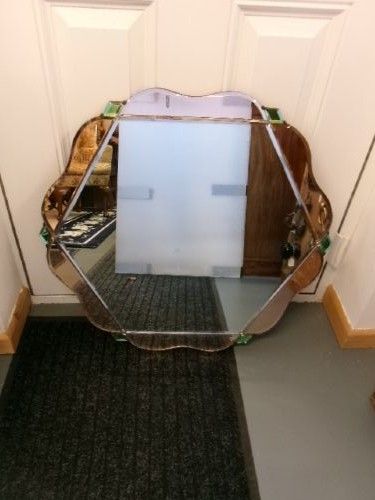
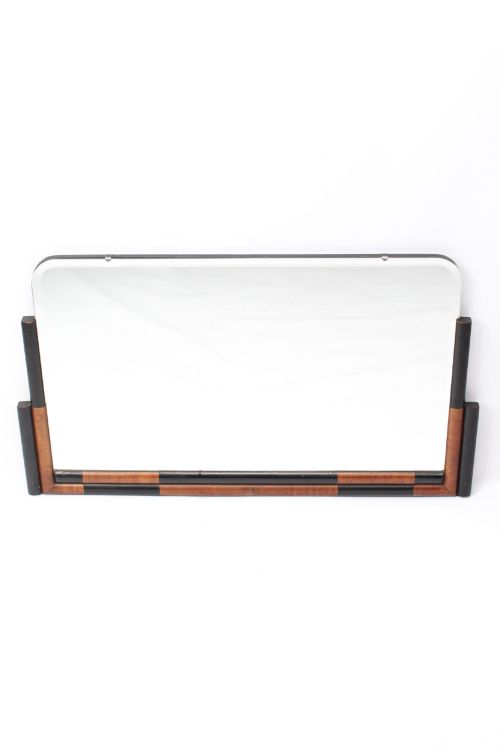
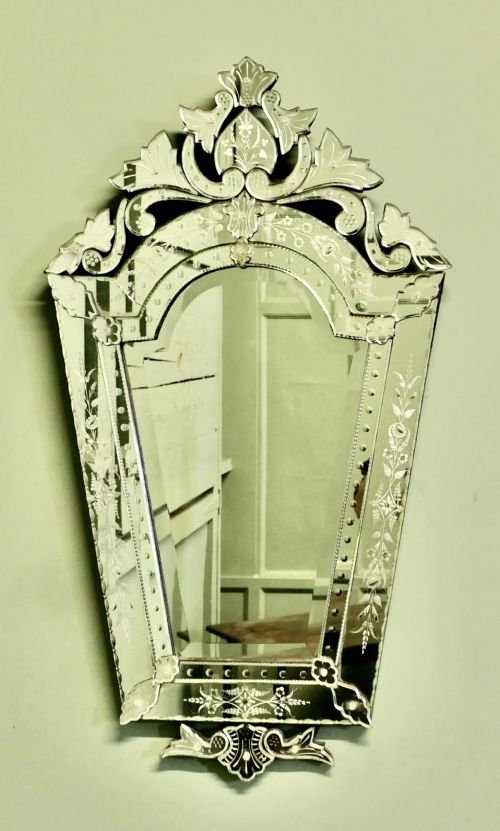
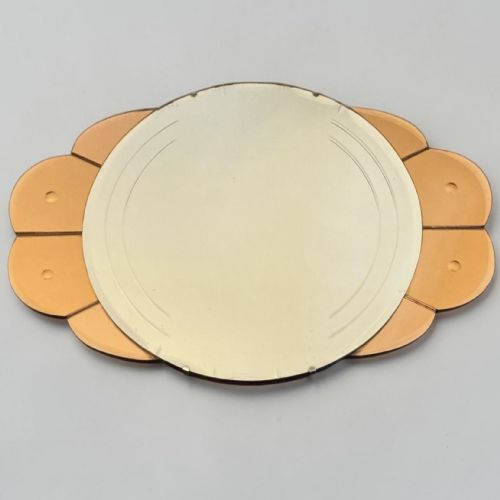
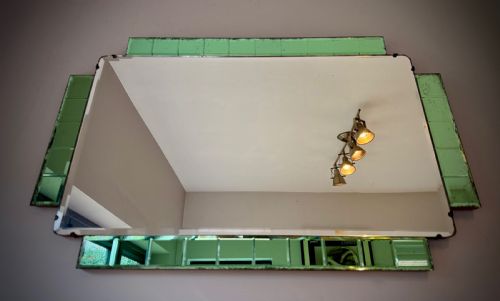
A 1930s wall mirror primarily embodies the bold geometries of Art Deco, along with Swedish Modern, Venetian, and occasional Rococo Revival interpretations. You will frequently encounter circular, overmantel, and large wall-hanging formats defined by clean lines and segmented plates.
The selection ranges from simple frameless circular designs to complex constructions featuring peach, emerald green, blue, and pink tinted glass panels. Some pieces incorporate metal frames, carved silvered wood, bamboo, or leather detailing alongside the primary glass elements.
What varies in quality
The sophistication of the glasswork largely determines the distinction between standard and superior examples. Fine pieces often display complex multi-tone coloured glass configurations, precise bevelling, and delicate etched motifs rather than plain single sheets.
The construction of the frame and backing materials also dictates the standard of the piece. High-grade items utilise robust timber foundations, substantial metal framing such as heavy chrome or brass, and intricate carved wooden details.
1930s Wall Mirror Retail Price Guide 2026
Typical asking prices for 1930s wall mirror among the pieces listed under this phrase on Sellingantiques today, from the lower quarter to the upper quarter. They describe what is for sale here now, not the wider market.
Listings feature periods spanning the 19th Century, 1920, 1930, and 1950, utilising glass, chrome, brass, and wood.
The 1930s Wall Mirror Glossary
- Art Deco
- A design style spanning the 1920s and 1930s characterised by streamlined geometric shapes, stylised motifs, and modern industrial materials. It dominates the aesthetic of these mirrors.
- Overmantel mirror
- A large horizontal mirror specifically designed to hang above a fireplace mantelpiece. They often feature extended proportions to span the width of the fireplace below.
- Girandole
- A decorative wall mirror fitted with attached candle branches or light fixtures. The reflective glass enhances the illumination from the central light source.
- Foxed
- Aged or deteriorated silvering on a mirror plate resulting in characteristic dark spots and mottled patches. This natural oxidation often confirms genuine antique age.
- Bevelling
- An angled edge ground and polished around the perimeter of the glass plate. This technique catches and refracts light to create a decorative framing effect.
1930s Wall Mirror: Frequently Asked Questions
How do I hang a heavy wall mirror?
Ensure your fixing is secured directly into wall studs or uses heavy-duty wall anchors appropriate for your wall type. The weight of wooden frames and thick glass requires robust support.
Check that the original hanging wire or brackets on the back are structurally sound before mounting. Professional installation is recommended for large overmantel mirrors.
How do I clean antique mirror glass?
Use a soft microfiber cloth and a mild, ammonia-free glass cleaner applied to the cloth rather than directly onto the glass. This prevents moisture from seeping behind the silvered backing.
Avoid harsh chemical sprays and abrasive pads, which can damage the fragile silvering and etched details. Take extra care around foxed areas where the original backing is already delicate.
Are these mirrors suitable for bathrooms?
Original pieces with silvered glass and metal or wooden frames can be vulnerable to high humidity and moisture. Steam may accelerate the deterioration of the silvering and cause foxing to spread.
If placed in a bathroom, ensure the room has adequate ventilation and keep the mirror away from direct water contact. Dry the frame and edges promptly if condensation forms.
How do I spot a reproduction?
Examine the glass plate for signs of age, such as natural foxing, tiny bubbles, and slight distortions in the reflection. Modern reproductions often use flawless, newly manufactured glass.
Inspect the construction methods, backing materials, and fixing hardware on the reverse. Period pieces typically show appropriate wear, oxidation on metals, and traditional joinery consistent with the twentieth century.