


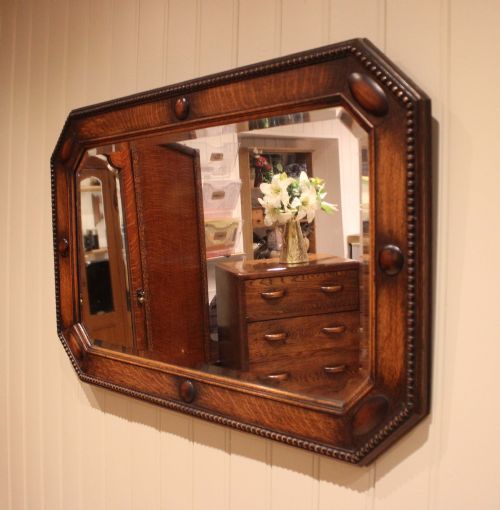
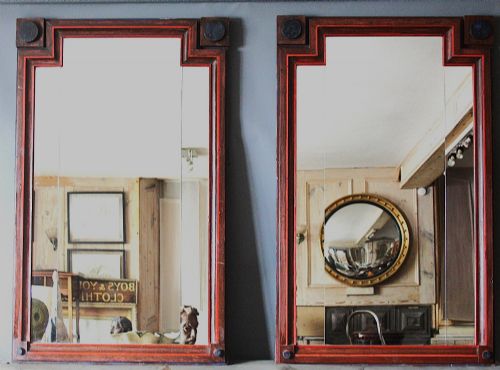
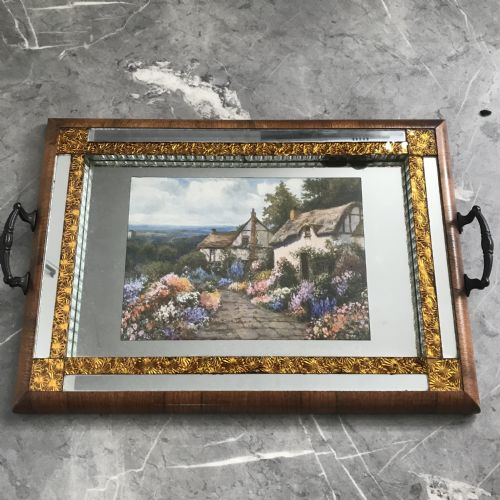


Framed Art Deco Mirror
A framed art deco mirror brings geometric discipline and striking linear forms to an interior, and you will most often meet geometric wall-hung pieces from the 1930s.
Framed Art Deco Mirror
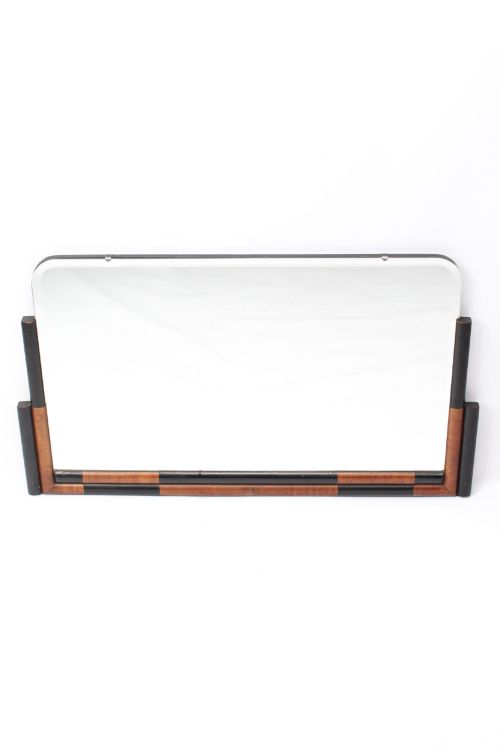
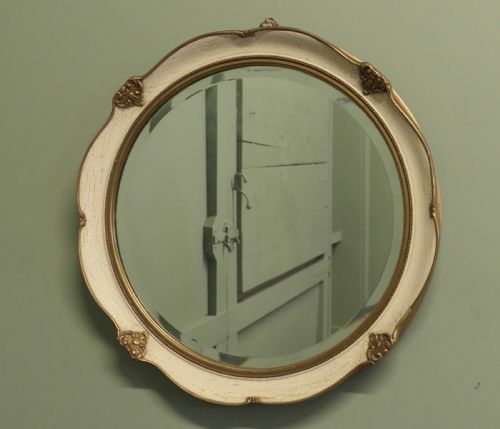
When you search for a framed art deco mirror, you encounter wall mirrors, triptych dressing table mirrors, and fire screen hybrids originating primarily from the 1920s and 1930s. The selection ranges from strict geometric wall-hung rectangles and circles to French wall mirrors incorporating cream, gilt, or bamboo frames.
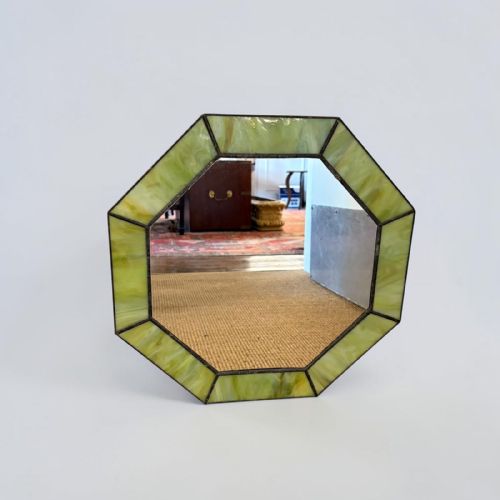
You are most likely to meet wall-mounted oak, walnut, and chrome versions dated to 1930, alongside occasional French pieces and Edwardian or nineteenth-century antecedents. Forms extend from simple rectangular oak panels to elaborate round wall mirrors and specialised pieces integrating blue glass, copper, or soldier motifs.
How they were made
Framed art deco mirror production relies on combining mirrored glass with structural materials such as walnut veneer, oak, brass, and chrome. Makers also utilised specialised treatments including silver-gilt, marquetry, coloured glass, and mercury backing to achieve distinct visual depth.
Frames demonstrate varied construction techniques, spanning carved silvered wood, bent tubular chrome, leather coverings, and ebonised timber. Etched glass details and panel assemblies complete the construction repertoire seen across these decades.
Framed Art Deco Mirror Retail Price Guide 2026
Typical asking prices for framed art deco mirror among the pieces listed under this phrase on Sellingantiques today, from the lower quarter to the upper quarter. They describe what is for sale here now, not the wider market.
One unexpected 1920s piece doubles as a vending machine mirror, proving people checked their reflections even while buying gum.
What varies in quality
The distinction between standard production and top-tier pieces rests on the sophistication of materials and the precision of assembly. Finer examples combine complex veneers like walnut with superior metalwork in brass or chrome, whereas simpler items utilise plain oak or standard painted wood.
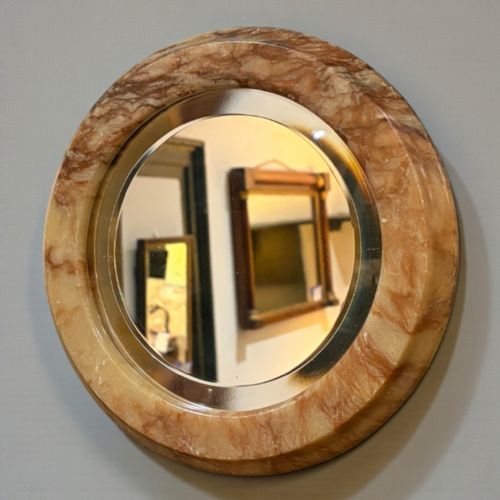
Artistic ambition separates ordinary mirrors from exceptional works, visible in integrated marquetry panels, specialised coloured glass inserts, or elaborate frames incorporating gilt and alabaster. The presence of documented workshop attribution or unusual motifs elevates a piece above standard decorative items.
A.J Rowley
The Framed Art Deco Mirror Glossary
- Art Deco
- A design style emerging in the early twentieth century characterised by sleek lines, geometric shapes, and stylised motifs. It dominated decorative arts through the nineteen-twenties and thirties.
- Triptych
- A three-panel mirror construction where the outer wings hinge inward to adjust the angle of reflection. This configuration appears frequently in dressing table mirrors.
- Girandole
- A decorative wall mirror featuring attached candle branches or light fittings as part of the frame structure. These combine illumination with reflective glass.
- Mercury Mirror
- A type of mirror manufactured using a mercury-tin amalgam behind the glass, producing a characteristic mottled and deep reflective quality.
- Marquetry
- The art of applying small pieces of veneer to a structure to form decorative patterns or pictorial scenes. This technique appears on high-end frames and trays.
Framed Art Deco Mirror: Frequently Asked Questions
Where should I place an art deco mirror?
These pieces function effectively above living room fireplaces, console tables, or dressing surfaces where their geometric frames can act as focal points. Positioning them opposite windows also maximises natural light distribution.
Consider the scale of the wall space to ensure rectangular or circular wall mirrors balance harmoniously with surrounding furniture.
How do I clean original mirrored glass?
Clean original glass gently using a soft microfibre cloth and a mild, non-ammonia cleaning solution applied to the cloth rather than directly to the surface. This prevents moisture seeping behind aged bevelled edges or vintage mercury backings.
Avoid abrasive materials that might scratch sensitive glass or damage delicate wood, brass, and chrome frames.
How do I distinguish 1920s deco from earlier styles?
Nineteen-twenties and thirties pieces embrace strict symmetry, industrial metals like chrome, and streamlined geometric motifs absent in nineteenth-century designs. Earlier Victorian and Edwardian items typically display heavier carving, gilt wood, and floral ornamentation.
Look for the transition from organic Victorian curves to the sharp angles and contrasting veneers characteristic of the interwar period.