

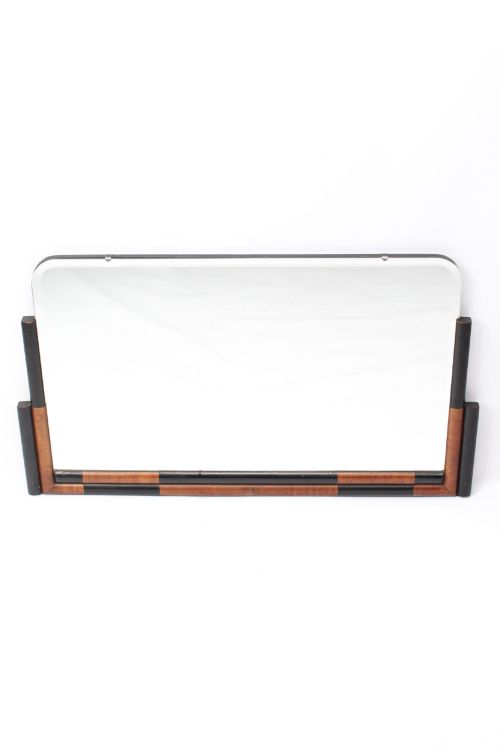
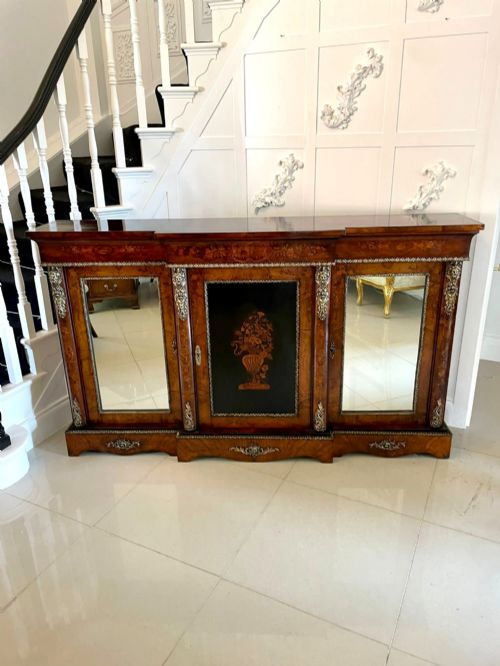


Walnut Ebonised Mirror
A walnut ebonised mirror brings together dark timber frames and rich grain, offering a striking focal point that anchors a room with historic character.
Walnut Ebonised Mirror
When you search for walnut ebonised mirror, you encounter pieces spanning from the seventeenth century through to the art deco period. The selection includes wall mirrors, overmantel mirrors, and tall narrow console cheval pier dressing room examples.
Most pieces combine warm walnut or burr walnut with deep ebonised wood frames. These designs frequently appear alongside larger Victorian cabinets, credenzas, and dressing tables.
Origins stretch across English, Dutch, and Italian workshops, showing styles from William and Mary cushion frames to Aesthetic Movement and Victorian designs.
How they were made
Cabinetmakers utilised solid wood and applied veneers of burr walnut to create intricate patterns on the frames. Ebonising involved staining timber to imitate expensive ebony, a technique popular across multiple centuries.
Makers incorporated brass details, gilt accents, and delicate wood inlay into the structures. Glass was cut and bevelled to fit wall and overmantel formats, often set within deep cushion mouldings.
Walnut Ebonised Mirror Retail Price Guide 2026
Typical asking prices for walnut ebonised mirror among the pieces listed under this phrase on Sellingantiques today, from the lower quarter to the upper quarter. They describe what is for sale here now, not the wider market.
Listings combine walnut and ebonised wood across Victorian, Art Deco, and seventeenth century periods.
What varies in quality
The choice of timber creates a distinct difference, particularly the depth and figuring found in burr walnut veneers compared to plain grain. Precision in the ebonised finish and the crispness of applied wood inlay separate standard examples from finer works.
Structural proportions and the integrity of the original mirror plate heavily influence the overall character. Earlier pieces show hand-cut joinery and distinct cushion moulding profiles that define their period.
H Ogden Manchester
The Walnut Ebonised Mirror Glossary
- Ebonised
- Timber treated with stain or pigment to achieve a dark, glossy finish resembling ebony. This technique was widely utilised in nineteenth century revival furniture.
- Burr walnut
- Wood taken from a walnut tree growth, showing complex, swirling grain patterns. It was frequently applied as a veneer on high status cabinet furniture.
- Cushion frame
- A convex, rounded moulding profile framing a mirror or painting. This style emerged prominently in seventeenth century English and Dutch pieces.
- Overmantel mirror
- A large glass designed to hang directly above a fireplace mantelpiece. These often incorporated wide burr walnut and ebonised surrounds.
- Cheval mirror
- A freestanding or console dressing glass mounted on a pivoting frame. The evidence records tall narrow versions used in dressing rooms.
Walnut Ebonised Mirror: Frequently Asked Questions
How do I date a walnut ebonised mirror?
Dating relies on examining the construction methods, framing profiles, and secondary timbers used in the backboards. Seventeenth century examples often feature deep cushion mouldings, whereas nineteenth century pieces align with Victorian revival styles and Aesthetic Movement designs.
Changes in glass manufacture and silvering techniques also provide clues to age. Bevelled edges and machine cut frames point firmly towards the later Victorian and Edwardian periods.
Where should I hang an overmantel mirror?
An overmantel mirror is traditionally placed directly above a fireplace mantelpiece to reflect light and anchor the wall space. Their large proportions make them suitable as the primary focal point in a reception room.
Ensure the wall fixings match the considerable weight of timber and glass frames. Positioning them opposite a window maximises the distribution of natural daylight.
What is the difference between walnut and ebonised finishes?
Walnut is a natural timber valued for its warm brown tones and varied grain, while ebonised wood is stained dark to replicate expensive ebony. Many period mirrors combine both materials, using walnut for central veneers and ebonised wood for borders.
This contrast highlights the decorative qualities of each surface. The dark borders frame the warmer grain, creating visual depth.
Are these mirrors suitable for small rooms?
Smaller wall mirrors and console dressing variants work effectively in compact spaces by bouncing light around the room. Tall narrow designs take up minimal wall width while creating a sense of height.
Choosing a simpler frame style prevents smaller interiors from feeling overcrowded. The reflective glass remains the functional priority in restricted areas.