


French Decorative Mirror
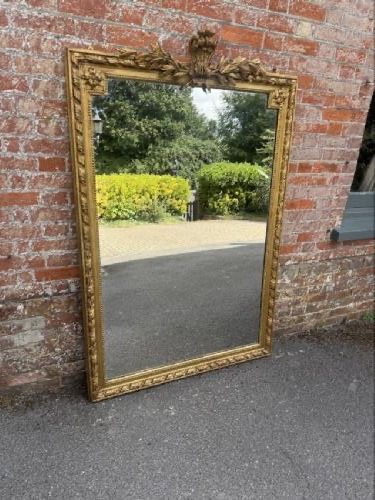
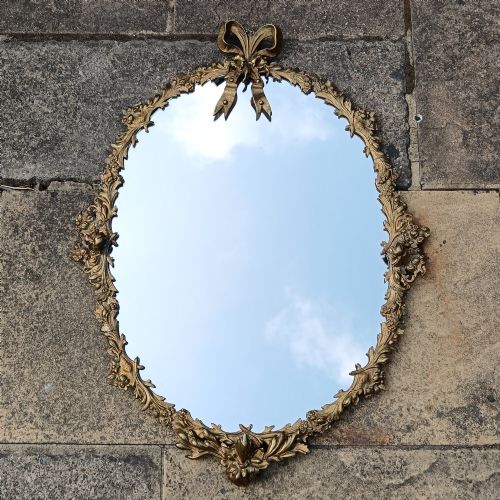
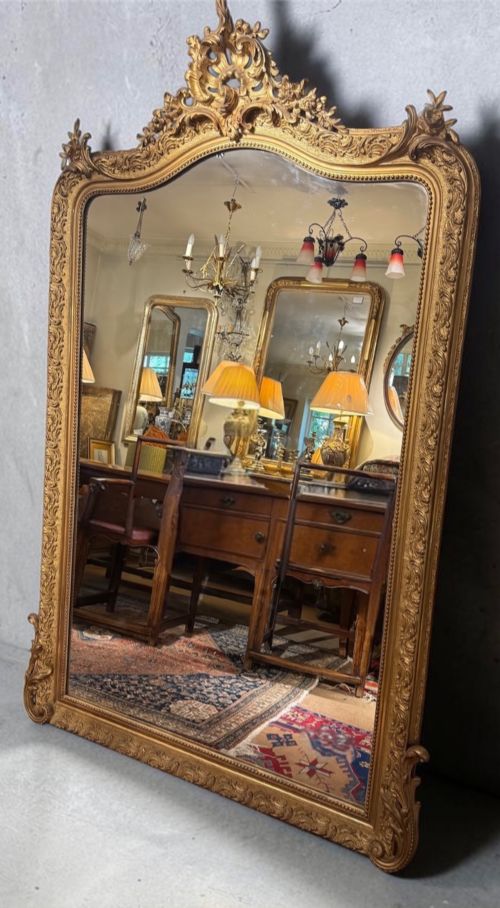
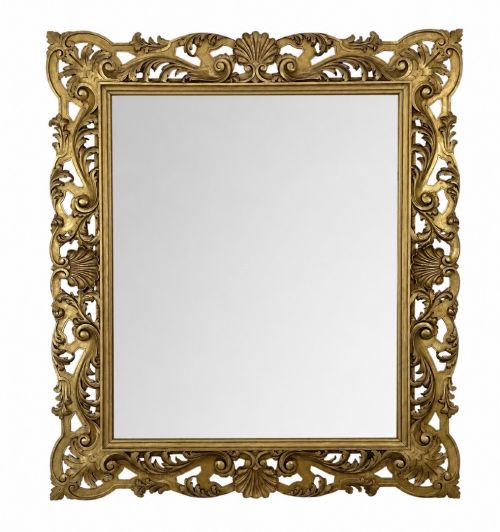
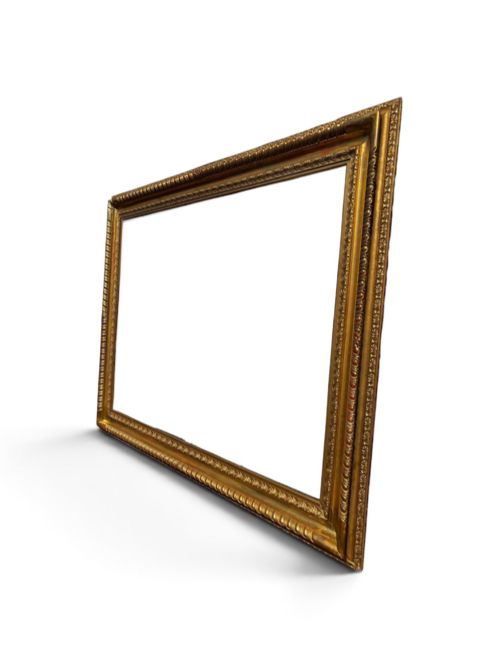
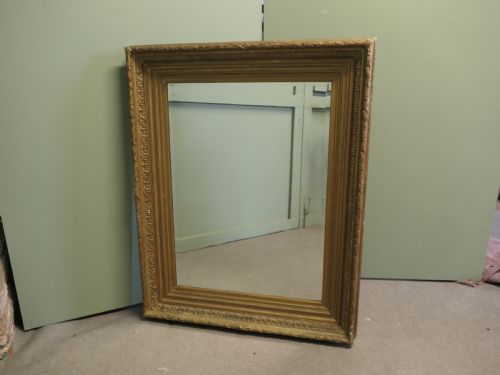
When choosing a french decorative mirror, one looks for the intricate carvings and gilded finishes that define nineteenth-century reception rooms.
French Decorative Mirror
A french decorative mirror encompasses wall-hung pieces, large overmantels, and pier glasses designed to reflect light and expand interior spaces. Buyers searching this phrase will find nineteenth-century examples dominate the selection, alongside turn-of-the-century and art deco variations.
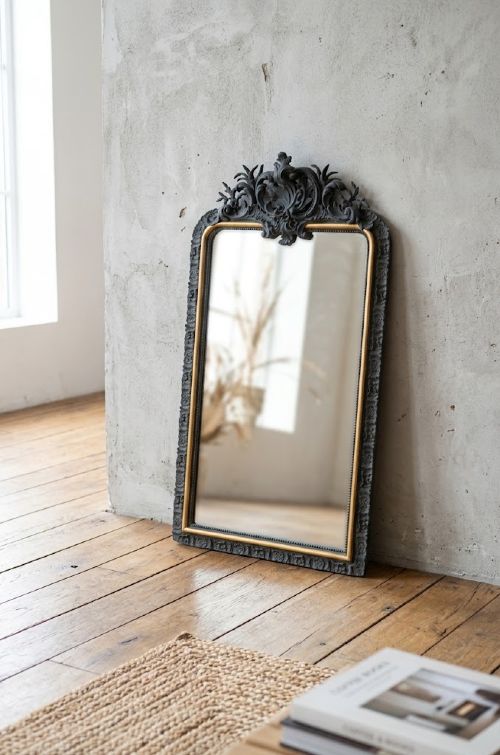
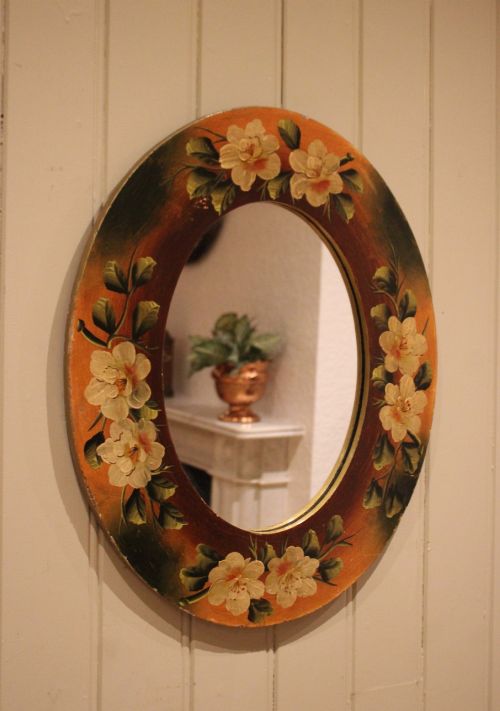
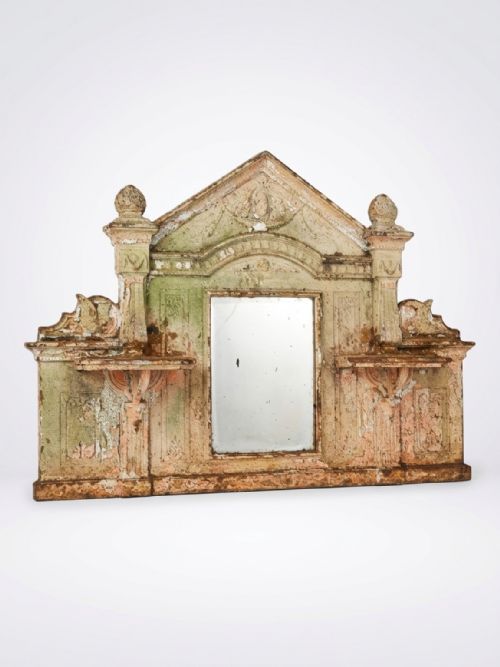
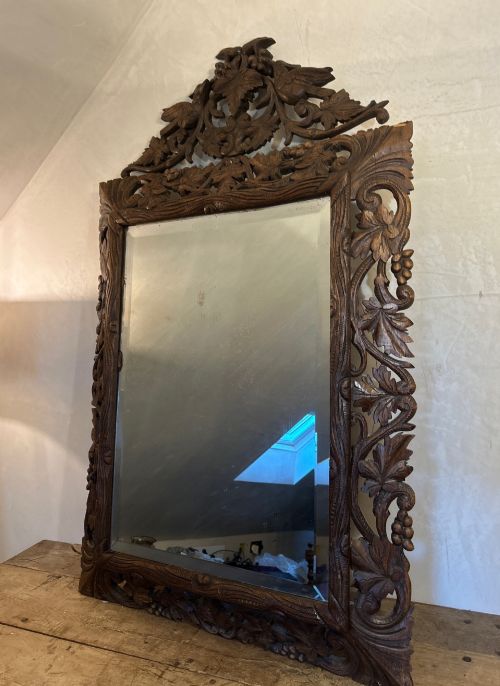
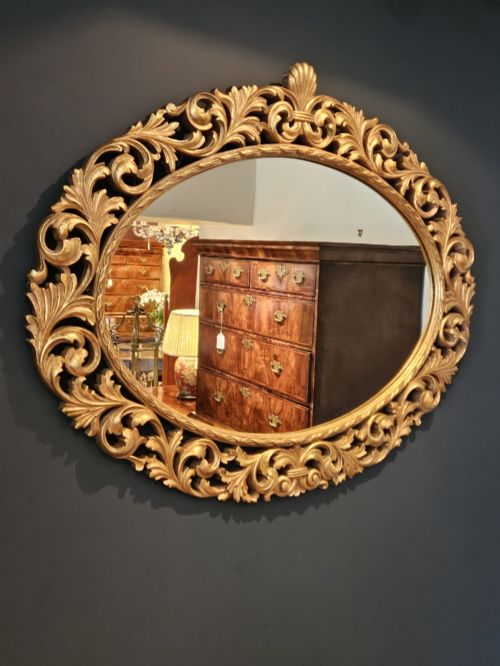
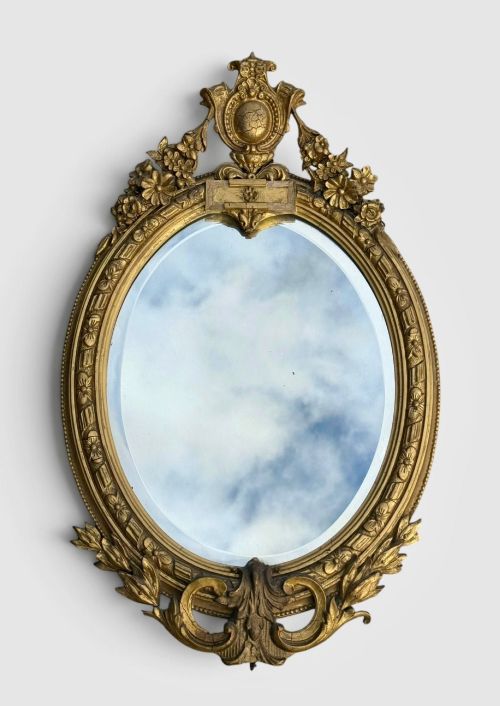
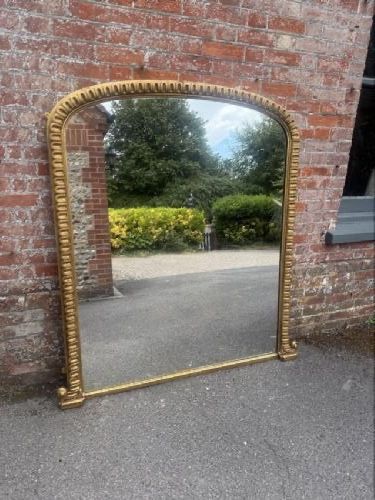
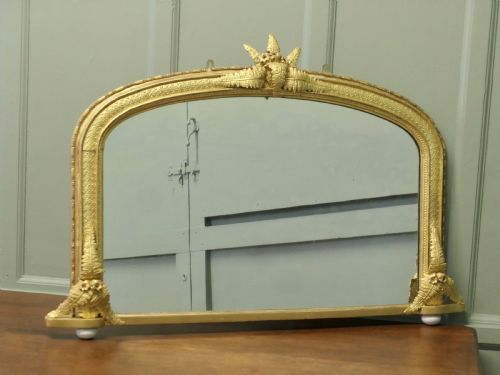
The prevalent forms include arched tops, oval frames, and rectangular formats intended for placement above mantelpieces or console tables. Many pieces display distinct regional aesthetics such as French chateau, rococo revival, and Louis XVI styles.
Makers and craftsmen applied ornate motifs, including floral carvings, scrollwork, and central cartouches, onto timber frames. These objects served both functional reflection and decorative architectural statements in period homes.
How They Were Made
Carved wood and gesso formed the primary structural foundation for many frames, allowing artisans to shape elaborate scrollwork and relief ornamentation. Plaster and cast elements were frequently applied to wooden bases before finishing.
Gilding techniques involved the application of gold leaf or paint over prepared surfaces, sometimes combined with ebonised sections or parcel-gilt highlights. Mirror glass was set within these constructed rebates, occasionally retaining original silvering or showing age-related foxing.
Listings feature wood, gesso, glass, and gold leaf across Victorian, 1900, and 1920 periods.
What Varies In Quality
The depth and crispness of the hand-carved relief work distinguish superior examples from simpler moulded pieces. Wood and gesso frames that retain their original gilding without heavy modern intervention display greater integrity.
Proportion and scale dictate the visual impact of overmantels and large wall mirrors, with well-balanced frames commanding stronger presence. The integration of original mirror glass or appropriate replacement plates influences the overall authenticity of the piece.
The French Decorative Mirror Glossary
- Gesso
- A plaster-like mixture applied to wood frames to create a smooth surface for subsequent gilding or painting. Artisans carved intricate decorative details directly into this hardened layer.
- Giltwood
- Timber that has been coated with gold leaf or gold paint to simulate solid gold objects. This finish provides the characteristic metallic brilliance seen on period frames.
- Overmantel Mirror
- A large mirror specifically proportioned to hang above a fireplace mantel. These pieces often feature arched tops to match architectural chimney breasts.
- Pier Glass
- A tall, narrow mirror designed to hang on the wall space between two windows. They frequently paired with matching console tables in nineteenth-century interiors.
- Trumeau
- A decorative wall panel that incorporates a painted scene or mirror glass within wood moulding. These architectural elements originated in French interior design.
- Parcel-Gilt
- A finishing method where only specific portions of a frame are gilded while the remaining areas are painted or left as natural wood. This technique highlights carved details.
French Decorative Mirror: Frequently Asked Questions
How do I hang a heavy overmantel mirror safely?
Large nineteenth-century mirrors require secure wall fixings attached directly to structural studs or masonry rather than standard plasterboard. Professional mirror hangers utilise heavy-duty brackets to distribute the substantial weight of wood and gesso frames.
Placement should account for the height of the mantelpiece or console table below, ensuring the frame proportions balance the surrounding wall space. Adequate clearance prevents the lower edge from striking furniture surfaces during temperature shifts.
Are these mirrors suitable for bathrooms?
Historic frames constructed from carved wood and gesso are sensitive to high humidity and moisture fluctuations. Bathrooms can cause the gesso to swell and the original gilding or paint layers to flake.
Dry living spaces, hallways, and reception rooms provide a more stable environment for antique glass and gilded surfaces. Placing them away from direct water exposure preserves the structural integrity of the timber.
How do I clean antique mirror glass?
Gentle dusting with a soft, dry cloth removes surface particles without disturbing fragile frame edges. Avoid spraying liquid cleaners directly onto the glass, as moisture can seep behind the plate and damage the silvering.
If cleaning fluid is necessary, apply a small amount to a cloth rather than the glass itself. Care must be taken around nineteenth-century gesso and gold leaf to prevent abrasion.
What is the difference between a pier mirror and an overmantel mirror?
Pier mirrors are traditionally tall and narrow, built to fit the specific wall space between windows or doors. Their proportions direct vertical emphasis in a room.
Overmantel mirrors are wider formats designed to span the horizontal width of a fireplace opening. They often incorporate arched tops and landscape orientations tailored to hearth dimensions.