



Baroque Gilt Frame
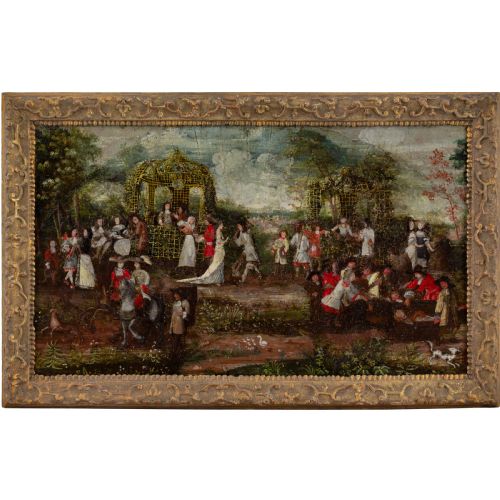
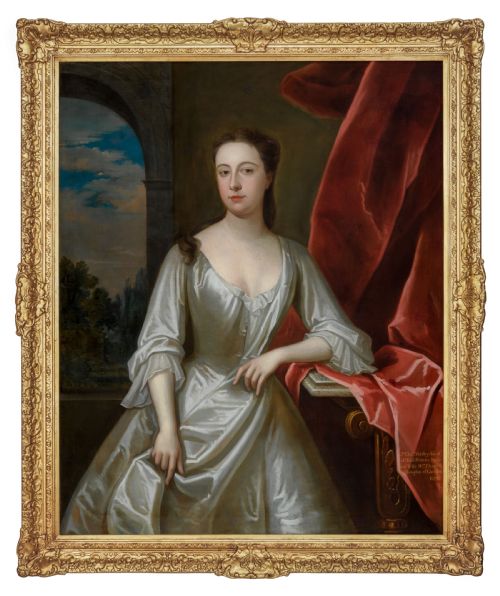
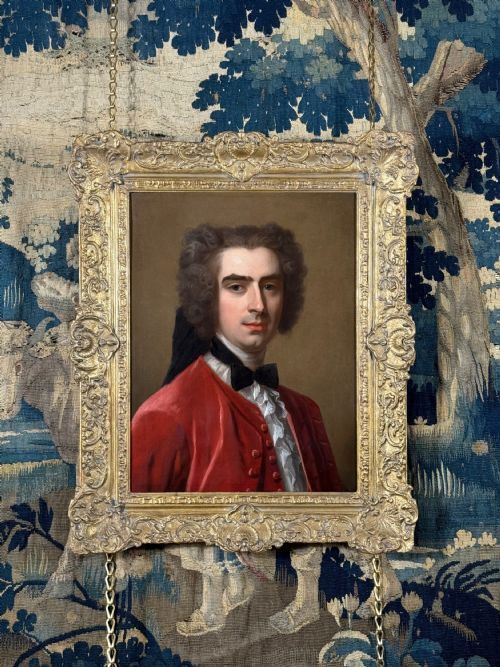
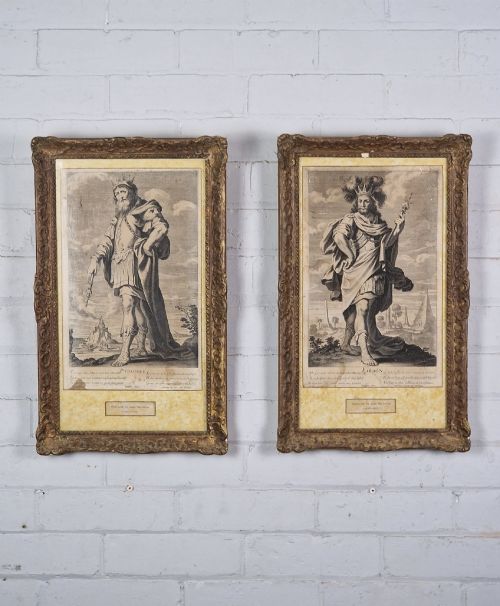
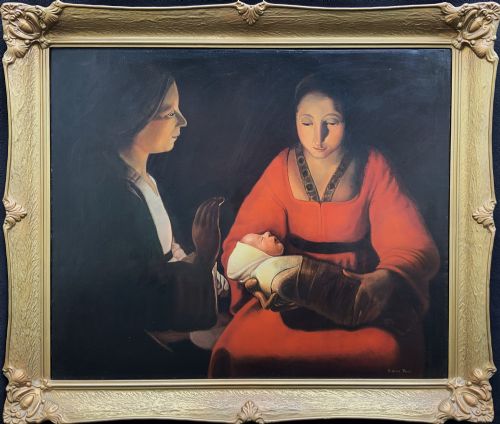
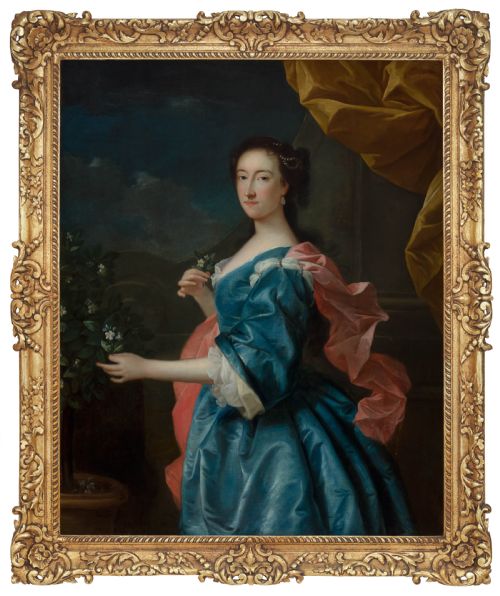
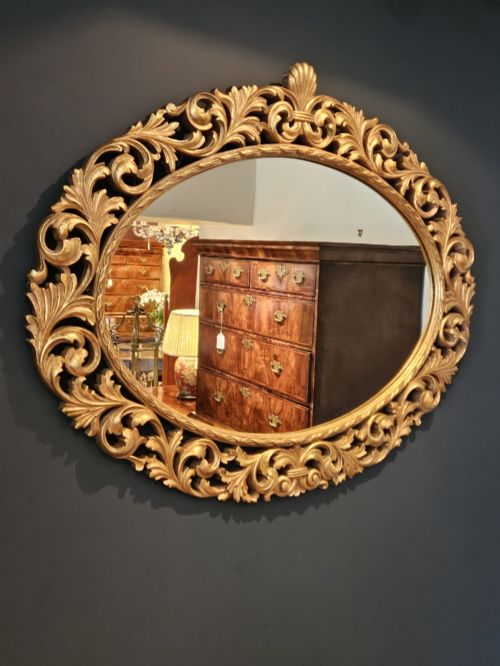
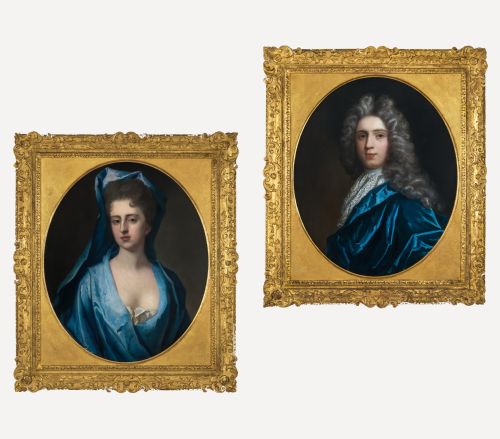
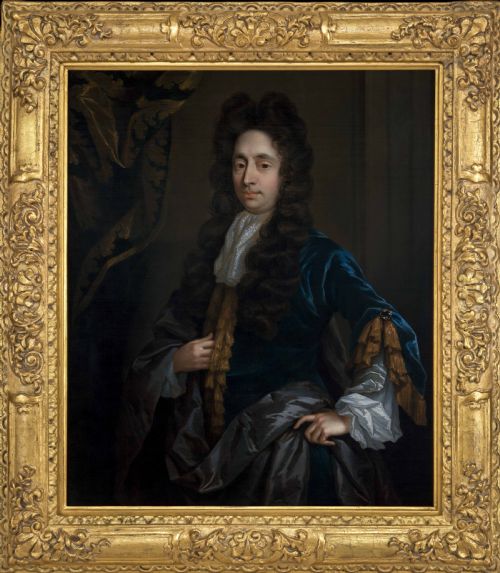
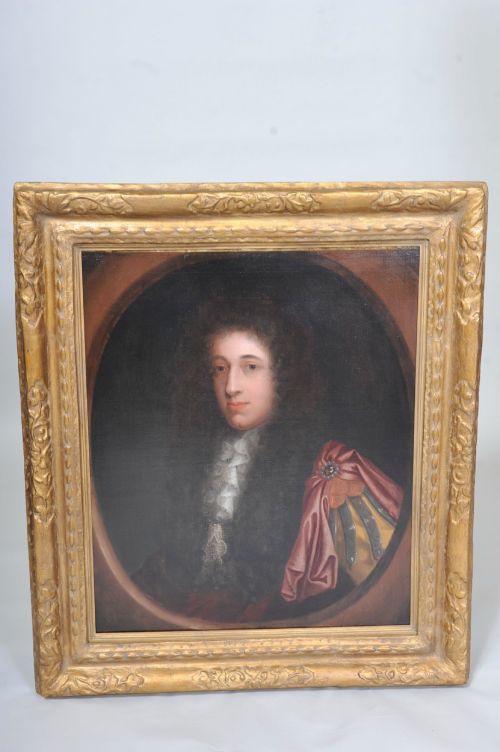
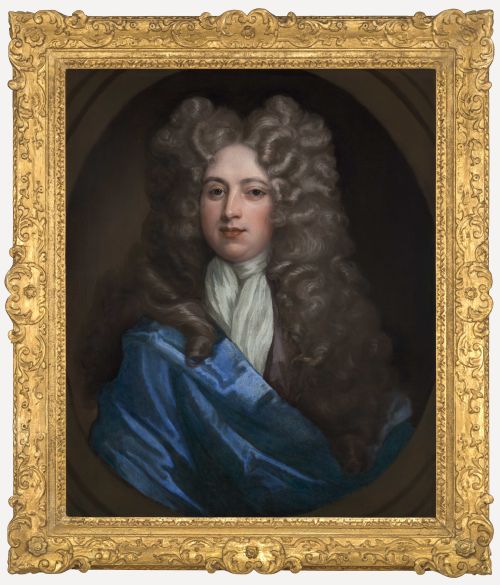
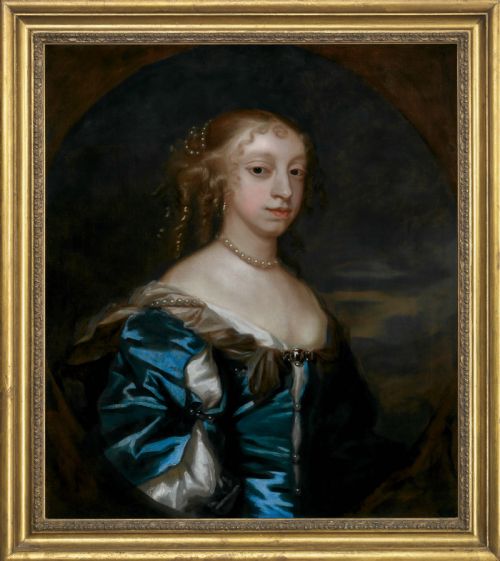
A baroque gilt frame surrounds oil paintings, fine art and wall mirrors with ornate, heavy decoration originating from seventeenth and eighteenth-century workshops.
Baroque Gilt Frame
When searching for a baroque gilt frame, buyers encounter antique oil paintings, historical portraits, wall mirrors and fine art prints housed within ornate historical surrounds. The selection spans authentic seventeenth-century and eighteenth-century examples alongside nineteenth-century revivals and later twentieth-century interpretations.
The objects take the form of heavy carved timber wall mirrors, oval pier mirrors, and canvas portraits created by various European schools including British, French, Italian and Dutch makers. Many items combine functional framing with deep historical provenance, linking portraiture and decorative arts from past centuries.
How they were made
Craftsmen built the underlying structure from timber, utilising carved wood and solid panels to shape heavy profiles. Artisans then applied layers of gesso to smooth the surfaces before adding gold leaf or silver-gilt finishes.
The decorative surfaces frequently feature detailed scrollwork, floral motifs and classical masks achieved through skilled carving and gilding techniques. Canvases housed within these surrounds utilise oil paint, pastel and engraving methods typical of historical fine art production.
Listings include seventeenth-century, eighteenth-century and nineteenth-century periods, utilising oil on canvas, giltwood, gesso and gold leaf materials.
What varies in quality
The depth and crispness of the hand-carved ornamentation separate exceptional frames from simpler production pieces. Superior examples display intricate detailing in the gesso and relief work, whereas lesser items show softer contours and flatter moulding.
The integrity of the original gold leaf surface and the preservation of the underlying timber define the upper tier of the market. Pieces retaining their original gilding without extensive modern restoration demonstrate higher historical value.
Sir Godfrey Kneller·Jean-Baptiste Van Loo·Sir Peter Lely·Jeremiah Davison·Thomas Murray
The Baroque Gilt Frame Glossary
- Giltwood
- Timber that has been coated with gold leaf or gold paint for decorative effect. This material defines the luxurious appearance characteristic of seventeenth and eighteenth-century decorative arts.
- Gesso
- A plaster-like mixture applied to wood surfaces to create a smooth base for gilding. Artisans carved intricate relief designs directly into this hardened layer before applying gold leaf.
- Pier mirror
- A tall wall mirror designed to hang on the wall space between windows. These fixtures often feature heavy carved frames to reflect light into darker historical rooms.
- Oil on canvas
- Pigment mixed with drying oil applied to stretched fabric support. This medium forms the primary surface framed by period artworks found in historical collections.
- Baroque revival
- A nineteenth-century style that emulates the theatrical, ornate aesthetics of the seventeenth-century baroque period. Makers during this era recreated earlier heavy framing techniques.
Baroque Gilt Frame: Frequently Asked Questions
How do I identify a period frame?
Examine the construction methods visible on the reverse of the timber, including joinery and nail types. Older frames typically show hand-cut elements and aged gesso layers beneath the gold leaf.
Look closely at the style of the carving and the wear patterns on the gilding. Authentic pieces from the seventeenth and eighteenth centuries display natural ageing that modern revival pieces cannot replicate.
Were these surrounds made for mirrors or paintings?
Historical workshops produced these ornate surrounds to house both oil paintings and large wall mirrors. Many designs served dual purposes as overmantel fixtures or pier glasses depending on interior dimensions.
Fine art portraits frequently retain their original housing, whilst mirrors were sometimes fitted into antique surrounds during later centuries. The rebate depth and backboards usually indicate the intended medium.
Can I hang a heavy timber mirror safely?
Wall mirrors from this era often feature substantial timber construction and heavy gesso ornamentation. Professional installation using appropriate wall anchors matched to the weight of the timber is essential for secure placement.
Check the stability of the internal wooden joins and hanging brackets before mounting. Distributing the load evenly prevents stress on the antique frame structure.
What distinguishes French baroque from Italian styles?
French baroque designs tend to incorporate flowing asymmetry, playful scrolls, and refined botanical motifs. These pieces reflect the decorative tastes promoted by royal courts and Parisian ateliers.
Italian variants often feature bolder architectural elements, deep religious iconography, and heavier classical masks. Florentine workshops specialised in richly textured gilt wood carvings with dramatic visual weight.