

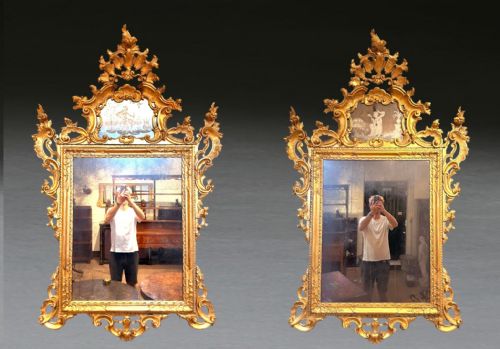
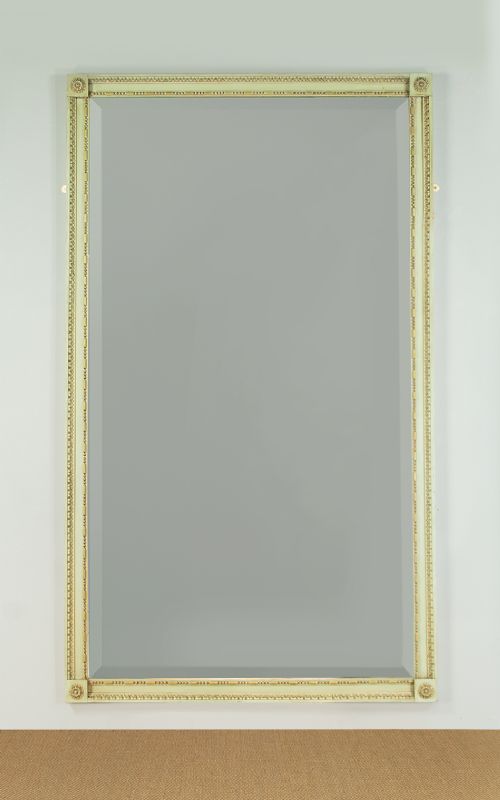
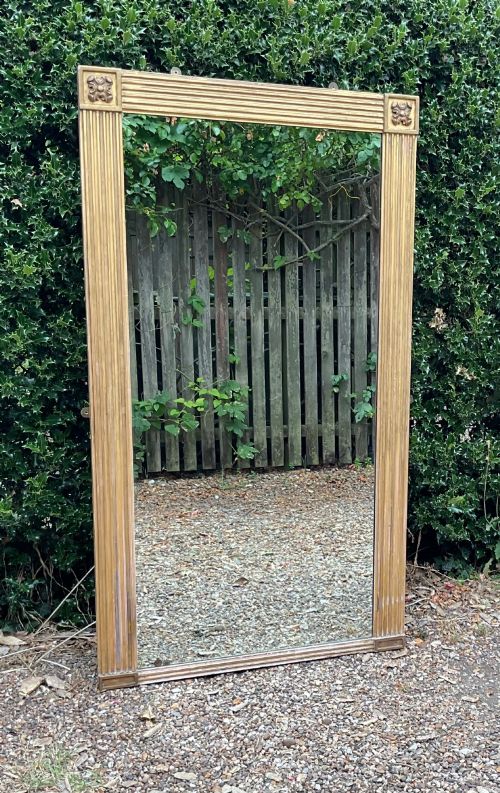
Large Gilt Pier Glass
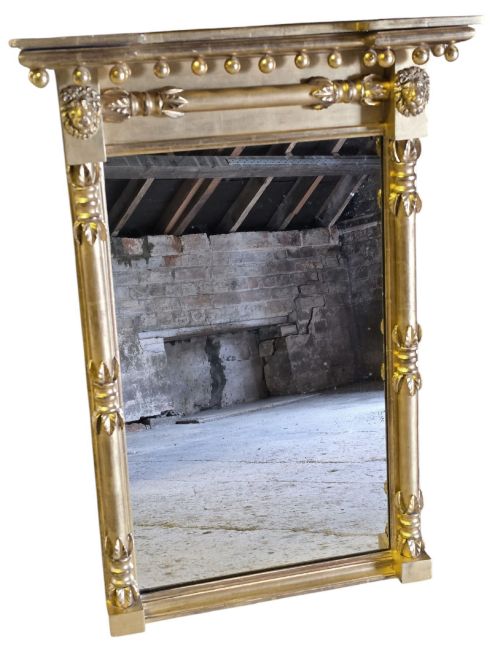
A large gilt pier glass commands a room, designed to hang in the architectural space between windows.
Large Gilt Pier Glass
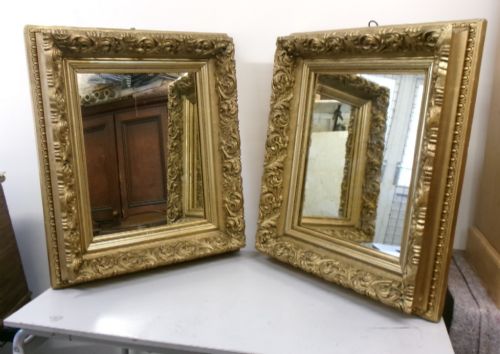
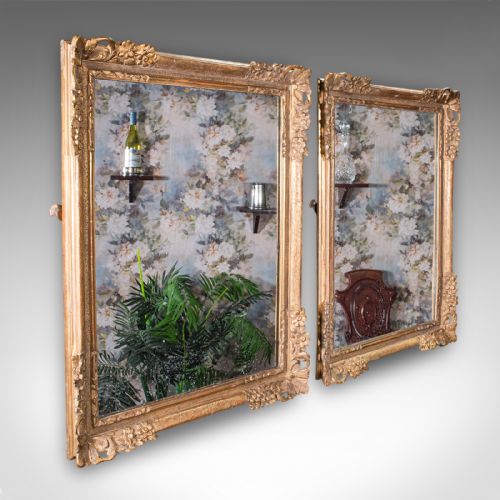
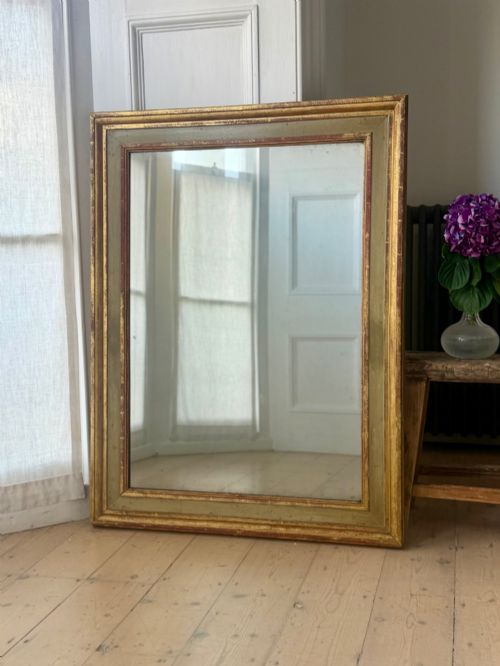
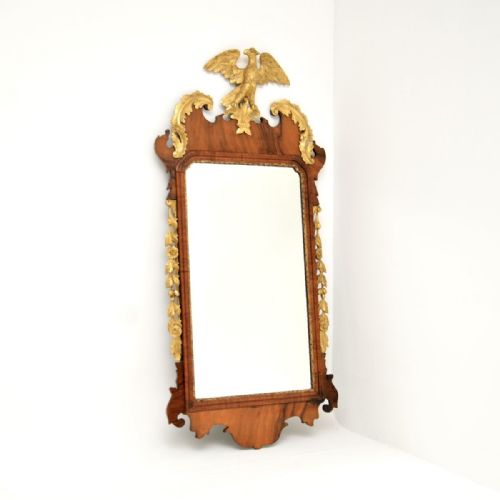
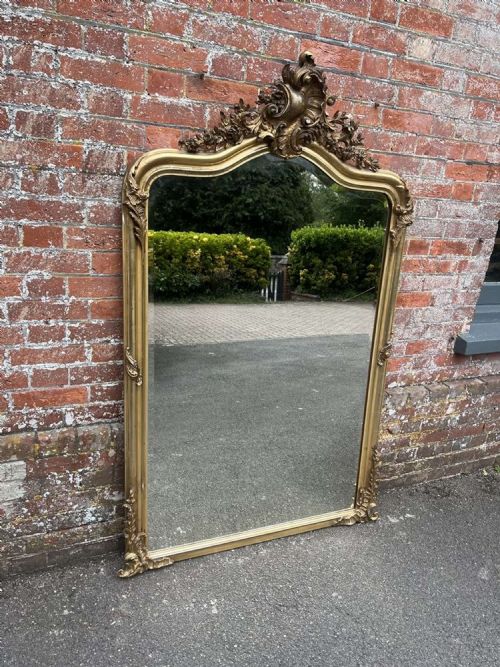
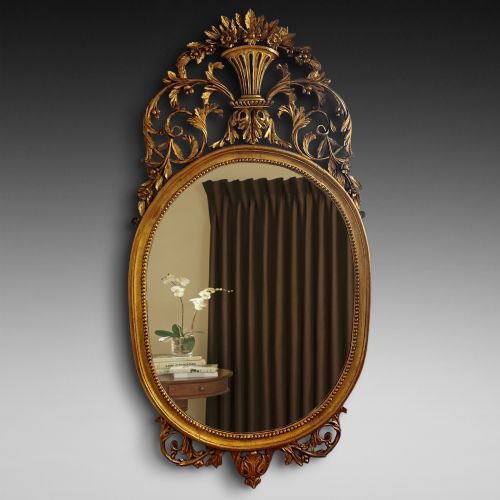
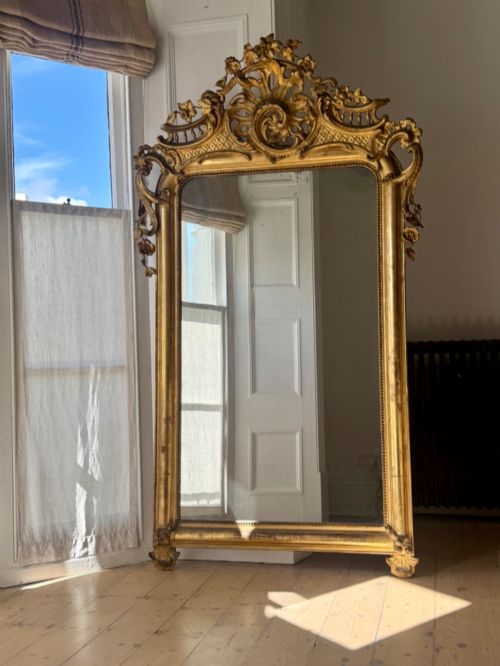
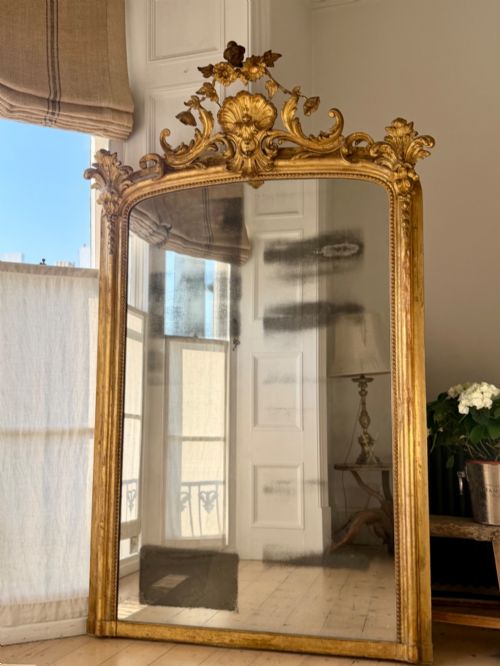
A large gilt pier glass is a towering wall mirror built to fill the narrow wall space between windows, reflecting natural light deeper into a room. These pieces appear in forms spanning the Georgian, Regency, and Victorian periods, often taking the shape of tall rectangular plates framed in ornate wood and gesso.
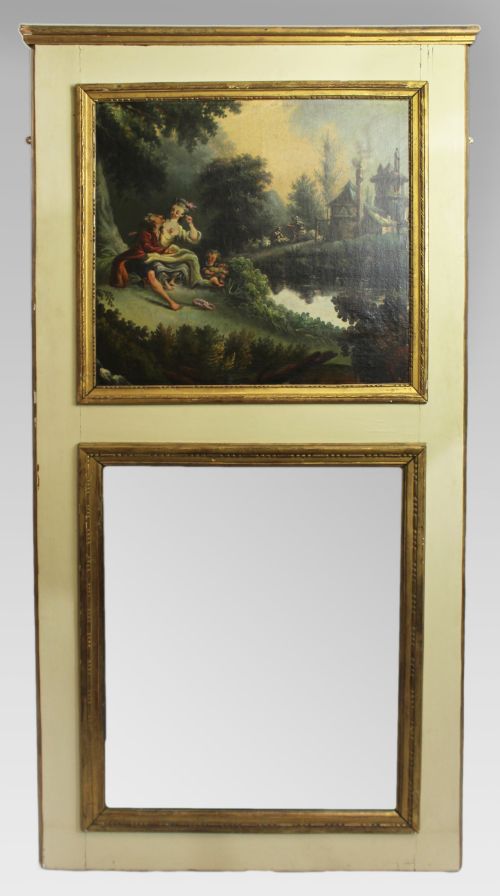
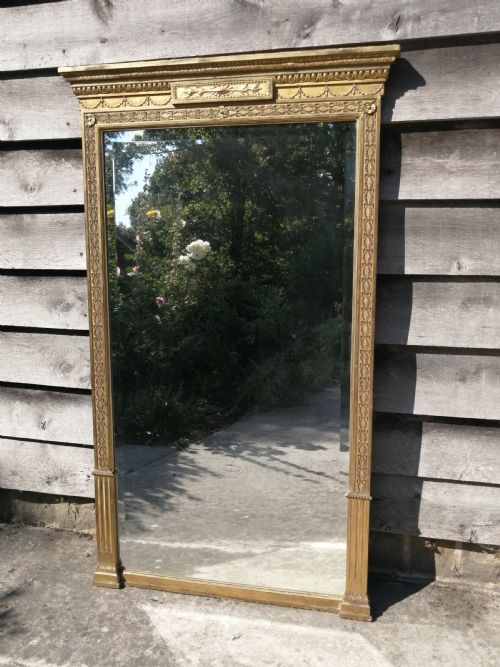
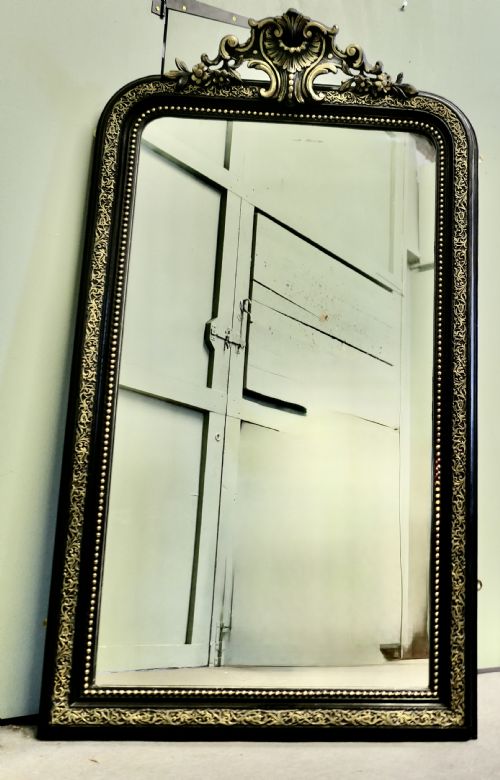
The versions most common on this page date from the 19th century and feature elaborate French, Italian, or English styling. Many incorporate architectural elements like carved crests, pilasters, or painted panels above the glass plate.
Makers often fashioned these mirrors to coordinate with console tables placed directly beneath them. The surviving examples demonstrate how interior designers of the period manipulated light and proportion in formal reception rooms.
Materials and construction methods
Makers constructed the foundational frames using timber such as pine, mahogany, or walnut, which provided structural stability for the heavy glass. Artisans then applied layers of gesso - a mixture of chalk and glue - over the wood to build up intricate relief ornaments and mouldings.
Guilders finished the surface by applying thin sheets of gold leaf or silver leaf over the gesso, sometimes burnishing specific areas to create contrast. Many older examples utilise original mercury glass plates, which exhibit a characteristic speckled foxing from age.
Several Regency pier mirrors feature moulded bees buzzing across the gilt frame, ready to pollinate your hallway.
The markers of distinction
Quality rests in the crispness of the carved ornamentation and the depth of the gilding layers. Superior frames display hand-carved wooden details rather than moulded composition ornaments, retaining sharper lines and more expressive relief work.
The integrity of the mirror plate also dictates value. Retaining the original mercury glass plate with its natural oxidation adds historical weight, whereas later replacement glass alters the visual depth and original character of the reflection.
The Large Gilt Pier Glass Glossary
- Pier glass
- A tall mirror specifically proportioned to hang on the wall space between two windows. These items originated to maximise interior daylight.
- Gesso
- A plaster-like material applied to wooden frames as a base for gilding. Artisans carved and moulded this substance to create relief decoration.
- Mercury glass
- A type of double-walled silvered glass manufactured in the 19th century. It produces a soft, uneven reflection distinct from modern aluminium backing.
- Trumeau
- An architectural wall panel containing a painted scene or artwork paired with a mirror plate below. French makers produced these extensively in the 18th and 19th centuries.
- Parcel-gilt
- A decorative treatment where only specific portions of a wooden frame receive gold leaf, leaving the polished walnut or mahogany grain visible elsewhere.
Large Gilt Pier Glass: Frequently Asked Questions
Where should a large gilt pier glass be hung?
These mirrors suit spaces with high ceilings, traditionally positioned between two windows to reflect natural light. They also function effectively above a mantelpiece or console table in a principal reception room.
Because of their substantial weight and height, proper wall anchoring into structural studs is essential for safe installation.
What is mercury glass?
Mercury glass refers to a silvered glass technique popular in the 19th century, though mercury was rarely used in the actual chemical process. Instead, makers poured a liquid silvering solution between double-walled blown glass.
Over time, chemical breakdown causes dark spots and a characteristic foxed appearance, which collectors value as a sign of age.
How do I identify a Regency pier mirror?
Regency pier mirrors typically date from the early 19th century and often feature classical motifs such as rope twists, columns, and gilt balls along the frame. They frequently incorporate ebonised details to contrast with the bright gold leaf.
Proportions during this era tended to be bold and architectural, drawing inspiration from ancient Greek and Roman design.
How do I clean an antique giltwood frame?
Dust giltwood frames gently with a dry, soft artist brush to remove surface debris without disturbing fragile gesso or gold leaf. Avoid liquid cleaners, modern polishes, or damp cloths, as moisture can permanently damage historical water gilding.
Professional conservators should handle any structural repairs or deep cleaning of degraded surfaces.