
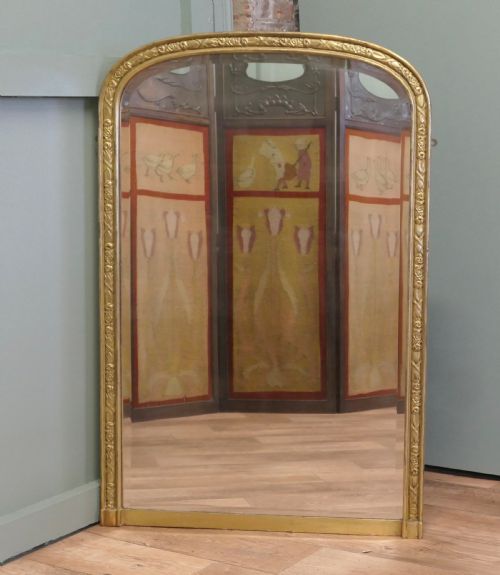
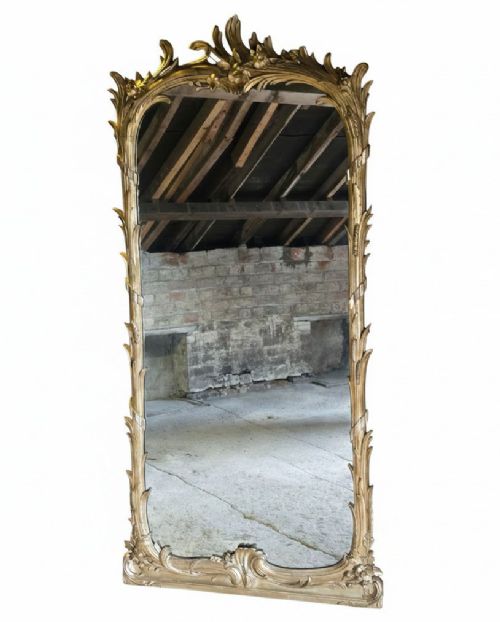
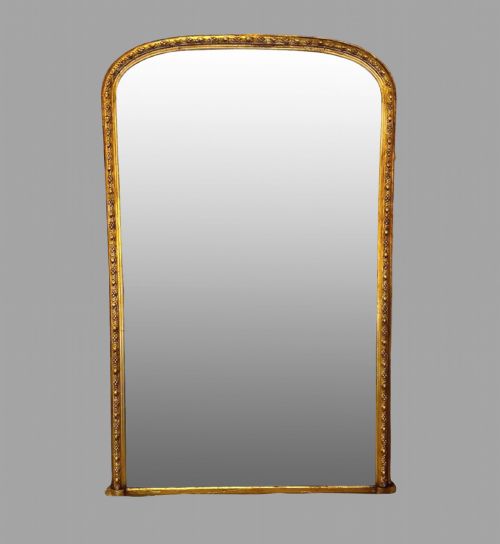
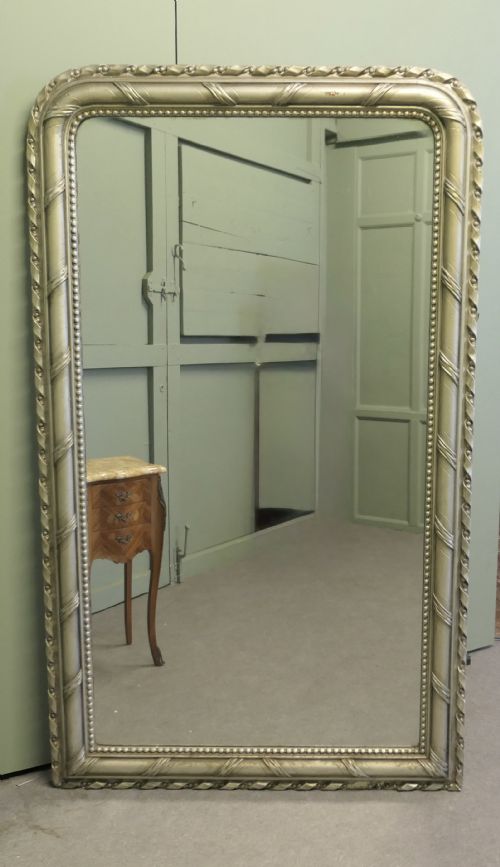


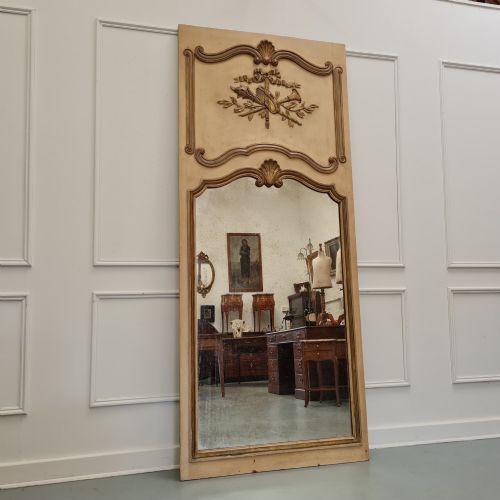
Tall Gilt Overmantel Mirror
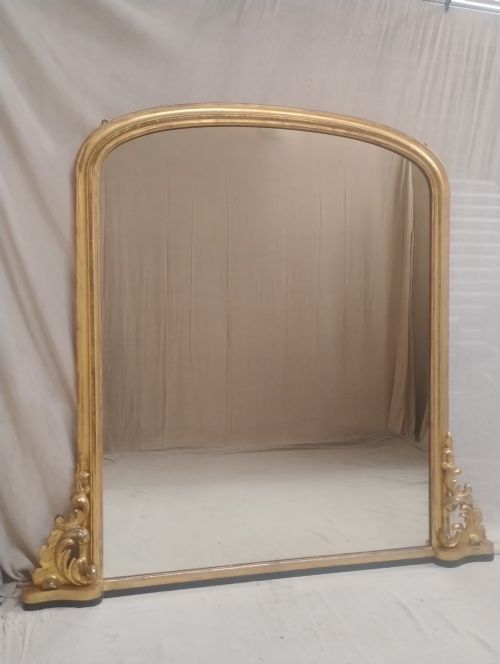
A tall gilt overmantel mirror brings vertical scale and reflected light to a room, drawing the eye upwards with gilded grandeur.
Tall Gilt Overmantel Mirror
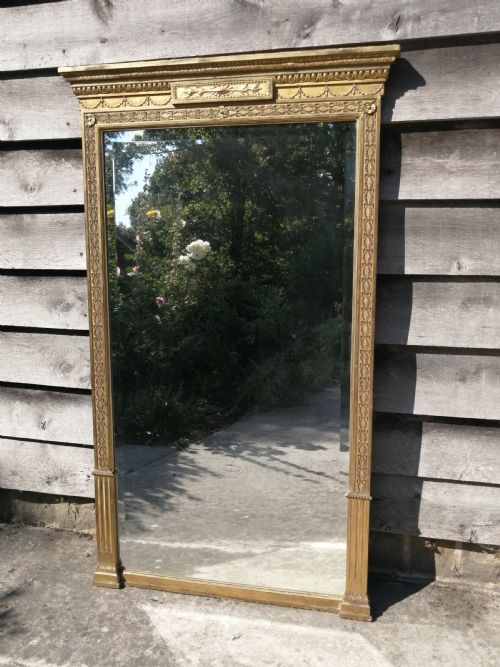
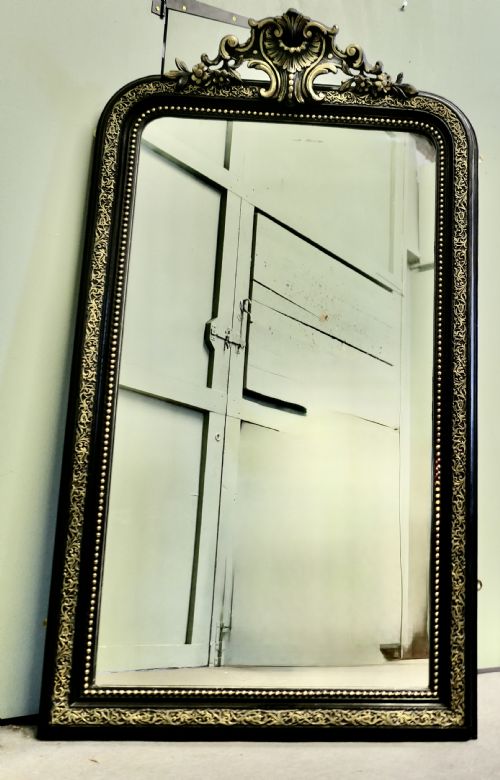
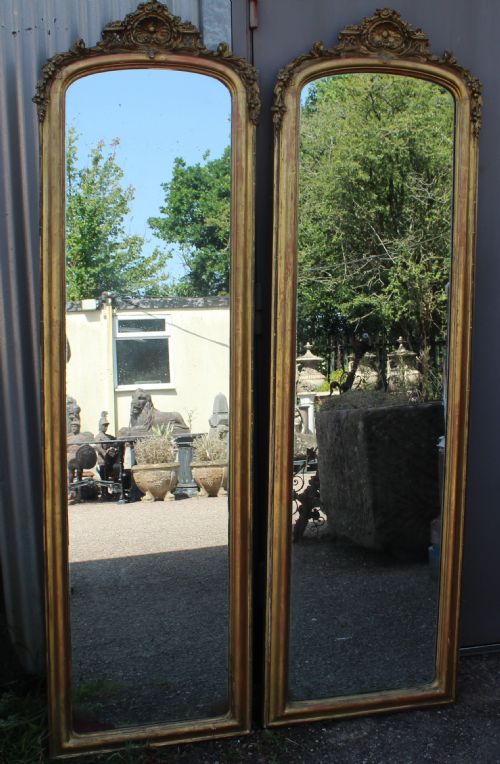
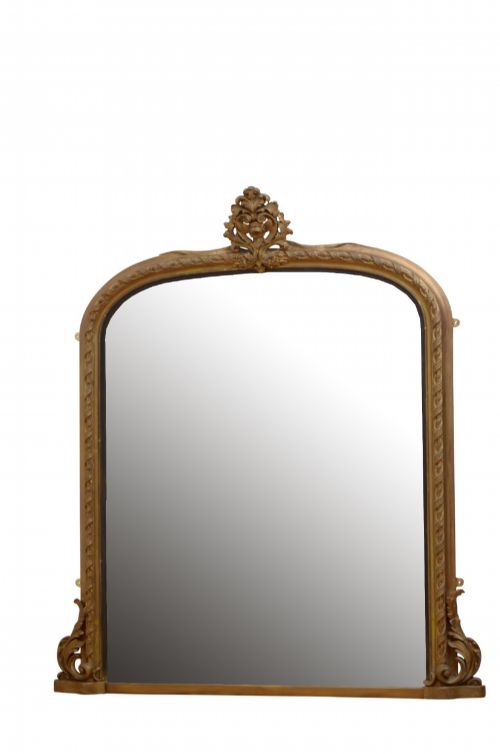
A tall gilt overmantel mirror is a commanding wall piece designed to hang above a fireplace or serve as a substantial pier mirror between windows. These vertical glasses frequently date from the nineteenth century, encompassing French Louis Philippe designs, Regency pier glasses, and robust Victorian revivals.
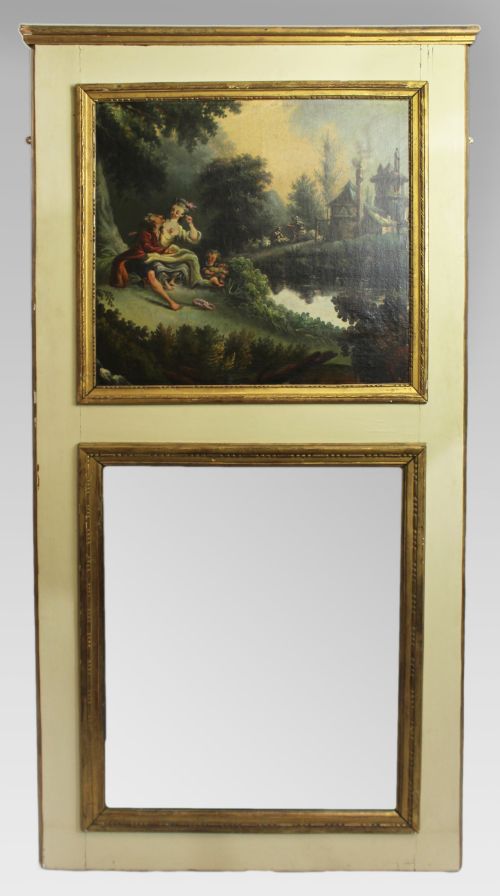
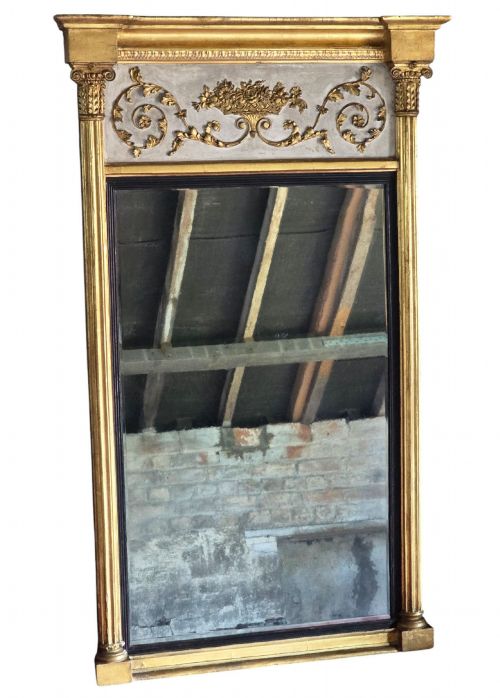
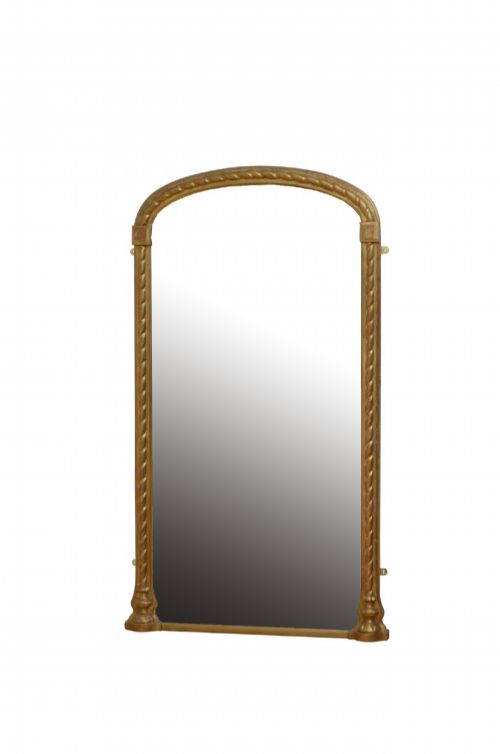
Buyers seeking a tall gilt overmantel mirror encounter formats reaching heights well over one hundred and fifty centimetres, often shaped with arched tops, rope carvings, or classical columns. French workshops supply many examples featuring the soft corners typical of the Louis Philippe style, alongside trumeau panels incorporating oil paintings.
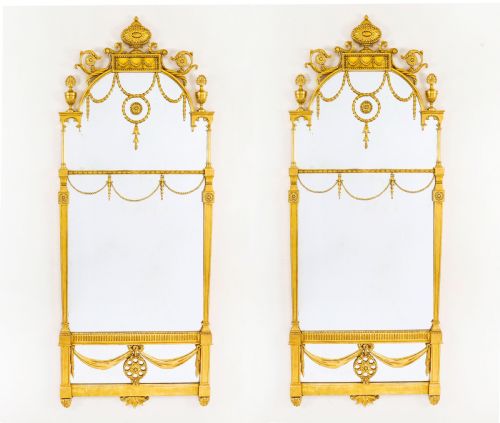
Alongside French origins, English Georgian and Regency pieces appear with gilded wood and composition ornament. These mirrors combine architectural presence with domestic utility, designed to amplify natural daylight within principal reception rooms.
How they were made
Frames combine carved timber or moulded composition applied to wooden carcasses, finished with layers of gesso before the application of gold leaf or silver gilt. Artisans shaped intricate details such as rope twist borders, floral motifs, and neoclassical columns using traditional hand carving alongside composition ornaments pressed into moulds.
Mirror plates consist of glass silvered either by older mercury techniques or nineteenth-century chemical processes. The silvered plates sit within the rebated frame, secured at the rear by timber backing boards that protect the delicate reflective backing from dampness and atmospheric change.
Several mirrors arrive complete with eighteenth-century pastoral oil paintings embedded right above the glass, proving that past owners enjoyed dual-purpose wall art.
What varies in quality
The distinction between tiers of quality rests in the crispness of the carving and the depth of the gilding. Hand-carved wooden ornament retains sharper definition and deeper undercut relief than moulded composition, reflecting light differently across its surfaces.
Original mirror plates display varying degrees of foxing and oxidation, which contribute authentic character to period pieces. The integrity of the underlying gesso layer and the retention of the original gilding without heavy modern overpainting dictate the historical value of the frame.
The Tall Gilt Overmantel Mirror Glossary
- Overmantel mirror
- A large horizontal or vertical mirror designed specifically to hang on the wall directly above a mantelpiece. These pieces often repeat the architectural proportions of the fireplace below them.
- Pier mirror
- A tall, narrow mirror designed to fit on the section of wall between two windows or doors. They maximise reflected light in darker spaces.
- Trumeau mirror
- An interior decorative mirror incorporating an oil painting or panel above the glass plate. Originating in France, these pieces integrate wall panelling ornamentation.
- Gesso
- A plaster-like mixture applied to wooden frame foundations to create a smooth surface for gilding. It allows for intricate relief ornamentation when carved or impressed.
- Louis Philippe
- A French decorative style from the mid-nineteenth century characterised by understated elegance, rounded top corners, and minimal ornamentation. It remains a popular format for tall wall mirrors.
Tall Gilt Overmantel Mirror: Frequently Asked Questions
Where should a tall gilt overmantel mirror hang?
Traditionally positioned above a drawing room fireplace, a tall gilt overmantel mirror anchors the hearth and draws vertical lines up the wall.
Alternatively, placing one between high windows as a pier mirror bounces daylight deep into the interior space.
How do I identify a nineteenth-century mirror?
Nineteenth-century mirrors reveal their age through construction methods, including hand-beveled glass plates, heavy timber backing boards, and traditional gesso over wood frames.
Examining the fixings and the composition of the gilt layers helps distinguish period production from later decorative revivals.
What is the difference between gesso and carved wood?
Carved wood involves shaping the timber frame directly with gouges and chisels, producing crisp details and natural grain texture underneath the gilding.
Gesso provides a smooth bed for gold leaf, while composition mouldings are pressed mixtures applied to simpler wooden bases for repetitive decorative motifs.
How do I clean an antique mirror plate?
Antique mirror glass requires gentle cleaning with a soft, dry cloth to remove dust without disturbing the delicate silvering or historical foxing.
Harsh chemical sprays and abrasive materials risk seeping behind the plate and damaging the fragile backing or the original frame finish.