




Openwork Gilded Mirror
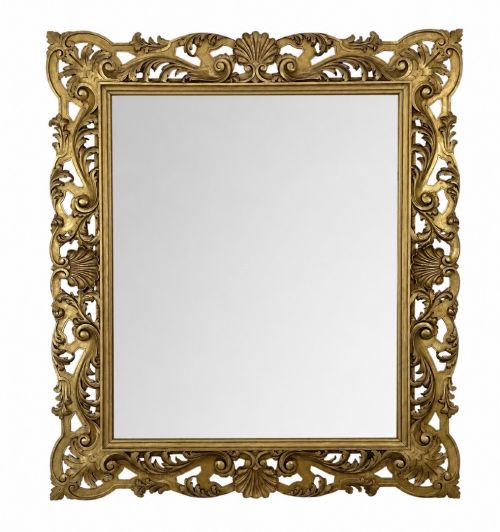
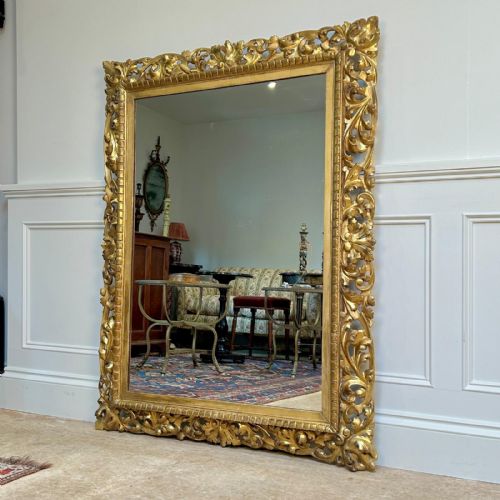
An openwork gilded mirror brings reflection and carved gilt texture together, offering the heavy presence of carved wood and brilliant leaf.
Openwork Gilded Mirror
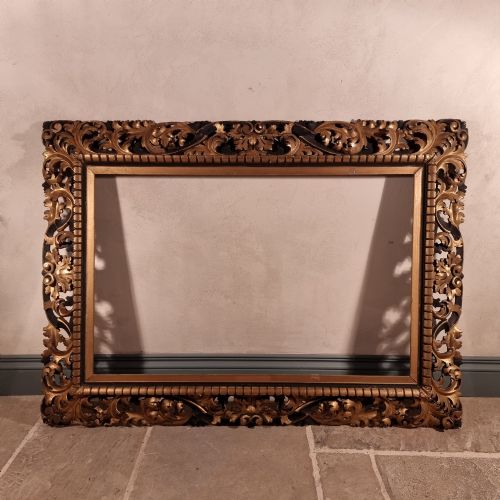
An openwork gilded mirror is a wall hanging defined by intricate carved frames and reflective glass, drawing on 17th century, 18th century, 19th century, and 1910 periods. The selections here include wall mirrors, picture frames, and cushion framed mirrors.
The Florentine, Florentine Rococo, French Rococo Revival, Italian Renaissance Revival, Rococo, Victorian Revival, French Chateau, and Spanish Baroque styles appear across the inventory. Buyers most frequently meet Florentine and French carved parcel gilt examples from the nineteenth century.
These items function simultaneously as practical looking glasses and decorative architectural elements for interiors. Their scale ranges from large decorative dark gilt wall mirrors to smaller picture frames adapted for glass.
How they were made
Makers shaped these frames from wood, applying layers of gesso to build up carved scrollwork and openwork detail before finishing the surface. Gilding involved the careful application of gold leaf over the prepared ground to achieve a luminous metallic sheen.
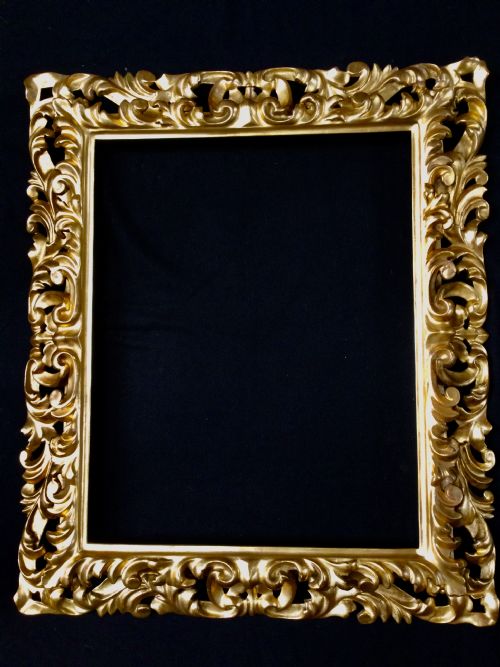
Glass panels, including mirror glass, were fitted behind or within the carved borders, relying on traditional joining and framing techniques. Carvers utilised hand tools to create the pierced openwork patterns characteristic of Florentine and Rococo revival styles.
A seventeenth century picture frame waits patiently here, hoping someone might finally put a mirror inside it.
What varies in quality
Depth and crispness of the hand carving separate simpler frames from superior examples, particularly in pierced openwork where undercut foliage requires exceptional skill. The handling of the gesso ground determines how sharply the ornamentation defines light and shadow.
The integrity of the original gilding and the character of the aged mirror glass alter the visual weight of each piece. Darker patination on giltwood surfaces indicates age and exposure, changing the reflective warmth of the frame.
The Openwork Gilded Mirror Glossary
- Giltwood
- Wood carved and coated with gold leaf or metallic powder. This material provides the primary structural and decorative base for the frames.
- Gesso
- A plaster mixture applied to wood frames to create a smooth surface for carving and gilding. It allows for intricate relief details.
- Openwork
- Pierced decoration where portions of the frame material are cut away completely. This technique creates a lighter, more sculptural silhouette.
- Cushion Framed
- A convex or rounded frame profile that swells outward toward the outer edge. This design directs light across the gilded surfaces.
- Parcel Gilt
- Partially gilded woodwork where gold leaf accents specific carved areas while leaving other wood exposed. It creates contrast against dark or natural timber.
Openwork Gilded Mirror: Frequently Asked Questions
What is a Florentine mirror frame?
Florentine mirrors feature elaborate carved scrollwork, pierced openwork foliage, and deep surface relief originating from Italian workshops. They prioritize sculptural frame presence over simple geometric borders.
Many examples function originally as picture frames adapted later to hold mirror glass. Their ornate gilt surfaces suit formal drawing rooms and hallways.
How do I clean antique gilt surfaces?
Dust giltwood frames gently with a soft, dry brush to remove particles without disturbing the delicate gold leaf. Avoid liquid cleaners and modern chemicals entirely.
Moisture can soften the underlying gesso and cause the gilding to flake off. Professional conservators should handle any structural repairs or cleaning of compromised surfaces.
Are these mirrors from the seventeenth century?
Some individual picture frames date back to the 17th century, though many reflective mirror plates and revival styles emerge in later periods. Construction details and carving styles help distinguish older pieces from nineteenth century revivals.
Revival pieces often replicate earlier styles like Spanish Baroque or French Rococo using traditional methods. Examining the wood and gesso composition reveals the true manufacturing era.