
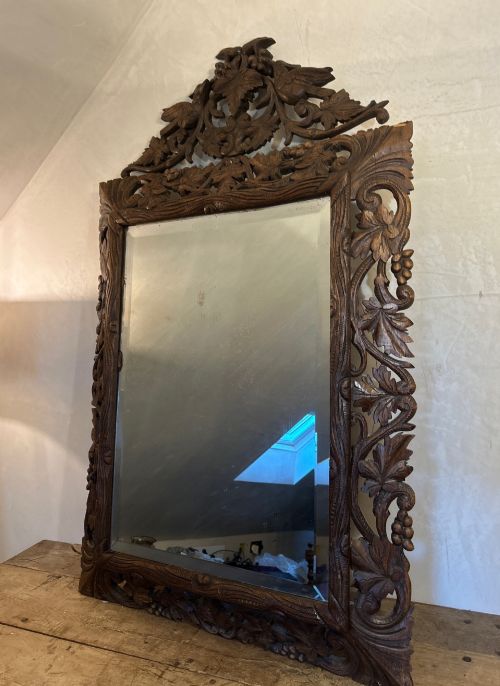
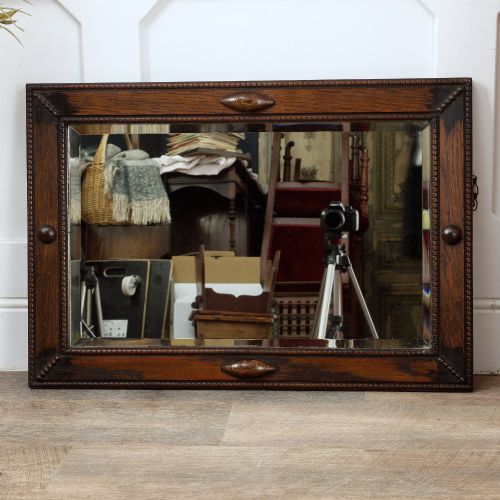
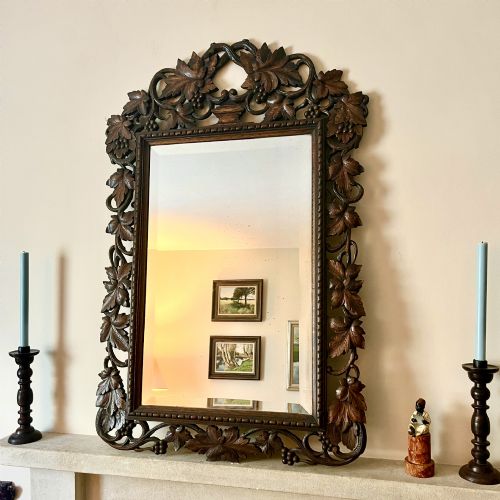


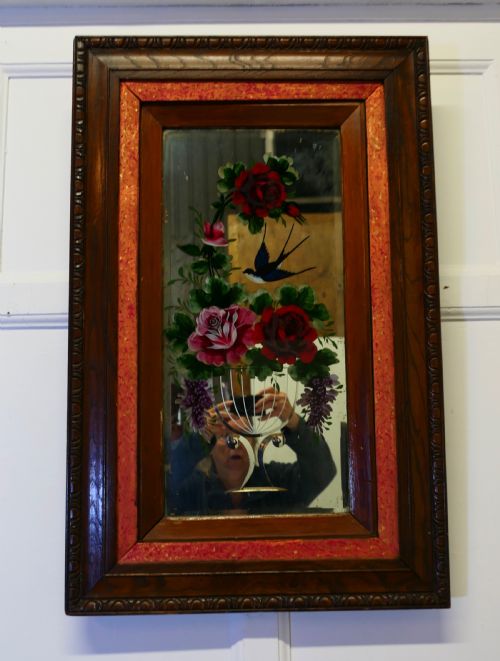


Decorative Carved Oak Mirror
These decorative carved oak mirror pieces bring substantial timber warmth and intricate historic detail into a room.
Decorative Carved Oak Mirror
A decorative carved oak mirror combines solid timber framing with detailed hand-carved ornamentation, designed primarily as a wall-hanging focal point. Buyers searching this phrase will find pieces originating mostly from the nineteenth century and the Edwardian period, alongside later 1920 examples.
The styles range from Gothic Revival and French Renaissance Revival to Jacobean Revival and simpler fret-cut designs. Wall mirrors dominate the selection, though related forms such as overmantle mirrors and sideboards also appear.
Victorian examples often feature heavy carving, while later pieces show lighter bleached oak or painted finishes. Round circular frames and large rectangular formats both occur across the periods represented.
How they were made
Maker's workshops built these frames using solid oak and wood, occasionally incorporating gesso for fine relief details. Surfaces were finished in various ways, ranging from dark polish and wax to paint, bleach, and even reverse painting or etching on the glass itself.
Carving was executed by hand directly into the timber, creating deep relief motifs characteristic of Gothic, Renaissance, and Jacobean styles. Fret-cut techniques allowed for lighter, pierced wooden frames seen in early twentieth-century variations.
Listings feature oak, bleached oak, and painted wood finishes across Victorian, Edwardian, and 1920 periods.
What varies in quality
The depth and crispness of the hand-carving separate standard production from superior examples. Sharp, deeply undercut details demonstrate greater skill in the workshop than shallow, mechanical stamping.
The condition and authenticity of the glass plate also affect the piece. Original mirror glass with age spots and foxing holds more historic integrity than modern replacements.
The Decorative Carved Oak Mirror Glossary
- Bleached oak
- Oak that has been treated with chemical agents to lighten its natural dark tone. This finish gained popularity in later periods to create a softer appearance.
- Gesso
- A plaster-like mixture applied to wood surfaces and carved or moulded into decorative details. It frequently provides a smooth base for gilding or paint.
- Gothic Revival
- An architectural and decorative style drawing on medieval forms. Pieces in this style often feature pointed arches and heavy tracery.
- Jacobean Revival
- A later stylistic movement emulating seventeenth-century English woodwork. It typically displays dark timber, geometric paneluing, and robust proportions.
- Overmantle mirror
- A large horizontal mirror designed specifically to hang above a fireplace mantelpiece. These pieces frequently feature substantial carved frames to anchor large reception rooms.
Decorative Carved Oak Mirror: Frequently Asked Questions
How should I clean an antique carved oak frame?
Dust the intricate carved recesses regularly using a soft, dry brush to prevent dirt buildup in the timber grain. Avoid modern chemical sprays or wet cloths that can damage aged wood and historic finishes.
Occasional application of a suitable beeswax polish helps nourish the dry oak. Buff gently with a clean cloth to maintain a natural, subtle sheen.
Can I place these mirrors in a bathroom?
High humidity and fluctuating bathroom temperatures pose significant risks to antique wood and original mirror silvering. Moisture can cause the oak to warp and accelerate foxing on historic glass plates.
Dry interior spaces such as hallways, living rooms, or bedrooms are much safer environments. These rooms preserve both the timber frame and the backing boards in stable conditions.
How do I distinguish Victorian Gothic from Jacobean Revival?
Victorian Gothic mirrors emphasise vertical lines, pointed arches, and ecclesiastical motifs inspired by medieval architecture. They often use heavier relief carving and occasionally incorporate gesso details.
Jacobean Revival pieces draw on seventeenth-century domestic joinery with darker finishes and geometric panel work. The proportions feel more robust and architectural rather than church-inspired.