



Brown Timber Wall Mirror
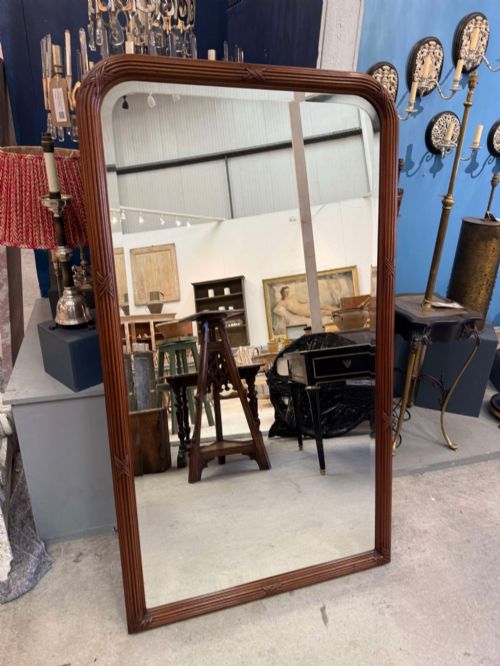
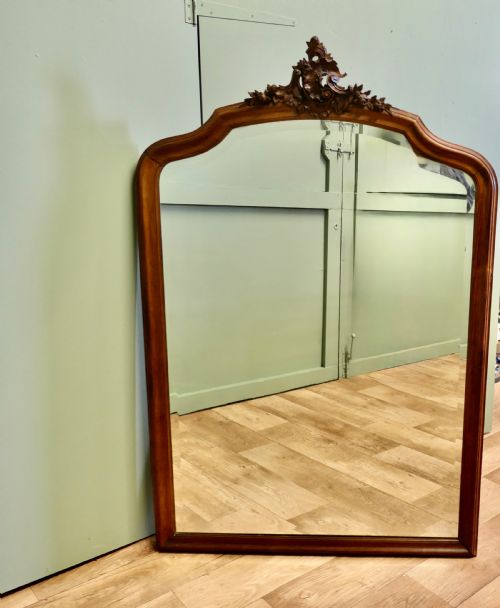
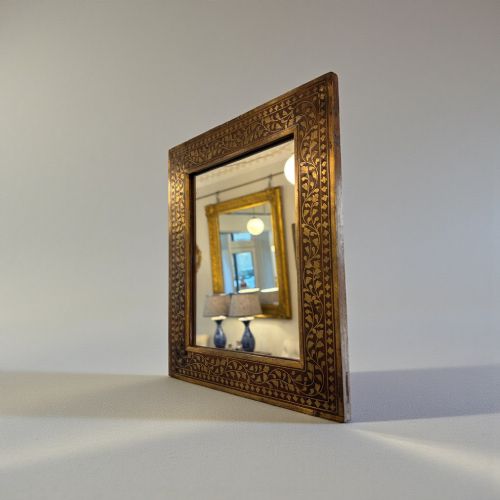
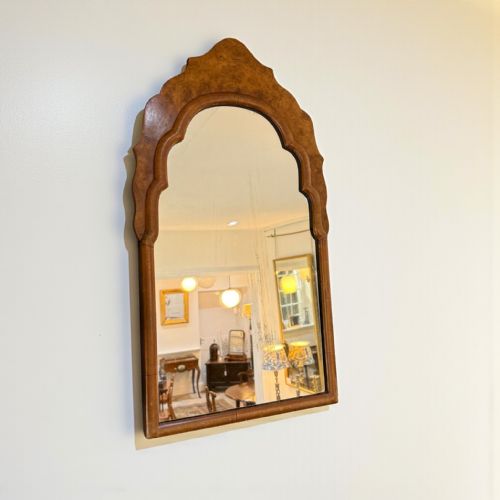
These brown timber wall mirrors bring warmth and character to a room, offering rich wood tones and historic craftsmanship.
Brown Timber Wall Mirror
When you search for a brown timber wall mirror, you encounter a diverse range of hanging and overmantel looking glasses shaped by centuries of woodworking tradition. The selection draws primarily from nineteenth-century pieces alongside examples from the early twentieth century, spanning periods such as the Victorian era and the nineteen-thirties.
The forms vary widely from simple rectangular hanging frames to large overmantel mirrors and ornate carved designs. You will frequently find styles influenced by French provincial traditions, Black Forest carving, and classical revivals executed in various timber species.
How they were made
Frames are constructed from solid and veneered timbers including walnut, oak, mahogany, and assorted carved woods, paired with glass mirror plates. Joinery techniques and surface preparations range from smooth polished veneers to deeply carved ornamentation and applied mouldings.
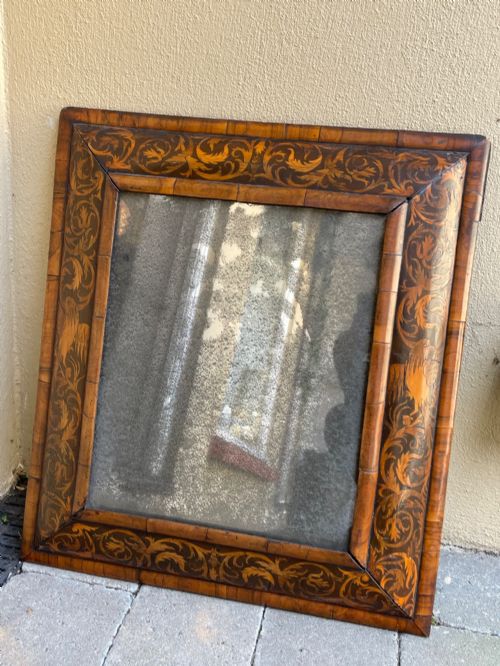
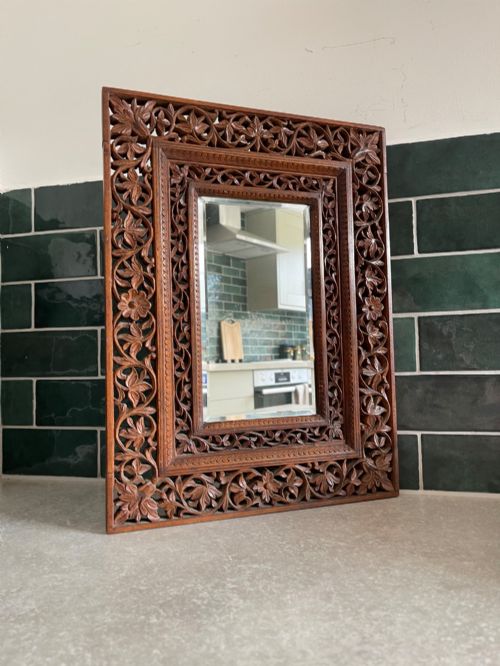
Many examples incorporate specialised decorative methods such as marquetry inlay, ebonising, faux bamboo turning, and giltwood highlights. The reflective plates themselves are fitted within these timber structures, sometimes featuring bevelled edges or showing the gentle distress of age.
Brown Timber Wall Mirror Retail Price Guide 2026
Typical asking prices for brown timber wall mirror among the pieces listed under this phrase on Sellingantiques today, from the lower quarter to the upper quarter. They describe what is for sale here now, not the wider market.
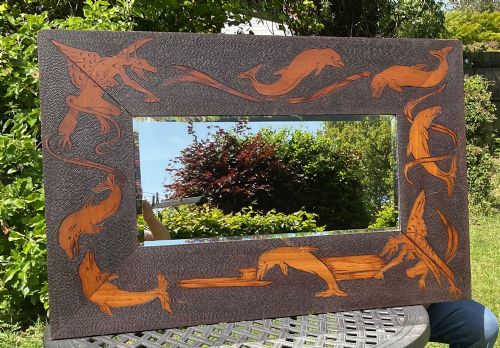
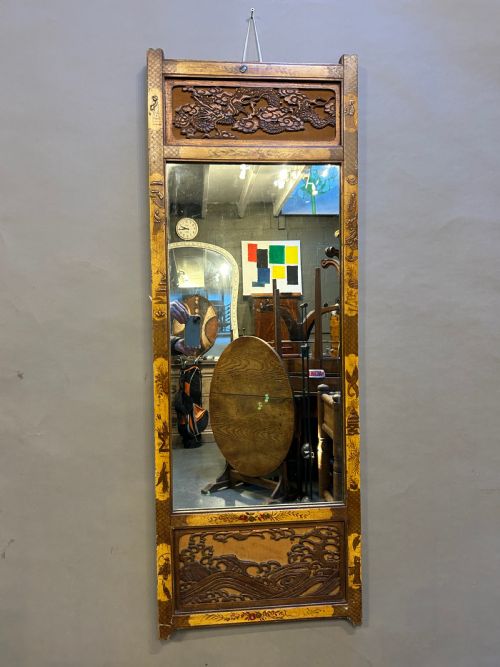
Keep an eye out for intricately carved wooden dragons and dolphins keeping watch from the corners.
What varies in quality
The distinction between standard examples and finer pieces lies in the depth and crispness of the timber carving and the selection of figured wood veneers. Elaborate ornamentation executed with botanical or figurative motifs demonstrates a higher level of artisan skill than mass-produced framing.
Proportion and the integrity of the original wood surfaces also dictate the standing of a piece. Retaining untouched timber patination alongside well-preserved mirror plates elevates the character of the object.
Gabriel Viardot
The Brown Timber Wall Mirror Glossary
- Overmantel mirror
- A large looking glass designed specifically to hang on the wall directly above a fireplace mantelpiece.
- Marquetry
- Decorative inlay work where small pieces of contrasting veneer are fitted together to form geometric or pictorial patterns within the timber surface.
- Faux bamboo
- Wood turned and carved by hand to imitate the jointed stalks of natural bamboo, popular in nineteenth-century decorative framing.
- Bevel edge
- A sloping angled cut along the perimeter of the mirror glass plate that catches the light and adds visual depth.
- Black Forest carving
- Highly detailed three-dimensional wood carving originating from central Europe, frequently depicting foliage, animals, or natural elements.
Brown Timber Wall Mirror: Frequently Asked Questions
How do I hang a heavy timber wall mirror?
Heavy framed mirrors require secure fixings anchored directly into wall studs or masonry using appropriate weight-rated brackets.
Consulting a professional installer ensures the piece remains safely supported by its hanging hardware.
Can these mirrors be cleaned easily?
Use a soft dry cloth for dusting the carved timber frame and avoid harsh chemical sprays that might damage polished surfaces.
Apply standard glass cleaner sparingly to a cloth rather than directly onto the mirror plate to protect the surrounding wood.
Where should I place an overmantel mirror?
An overmantel mirror traditionally hangs above a fireplace mantelpiece to reflect light and anchor the room's central focal point.
They also function effectively on large expanse walls in hallways or living spaces to create an illusion of depth.
How do I identify the wood type?
Examine the grain patterns, colour variations, and weight of the timber frame under natural lighting conditions.
Walnut typically displays a rich brown tone with complex figuring, whereas oak exhibits a coarser, more open grain structure.