
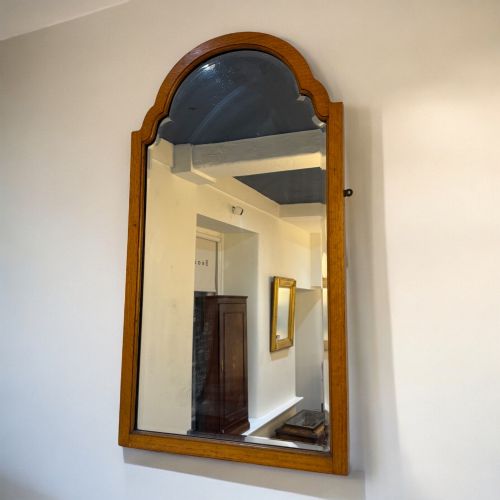
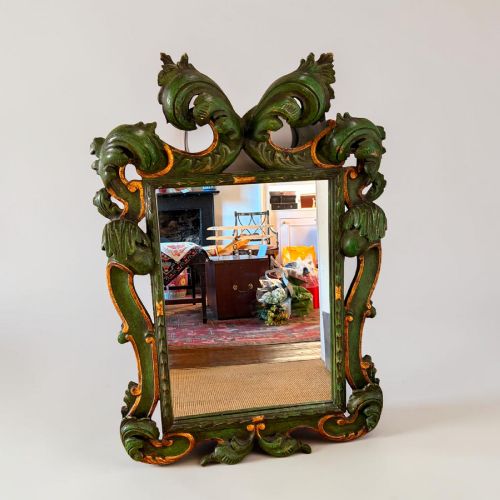
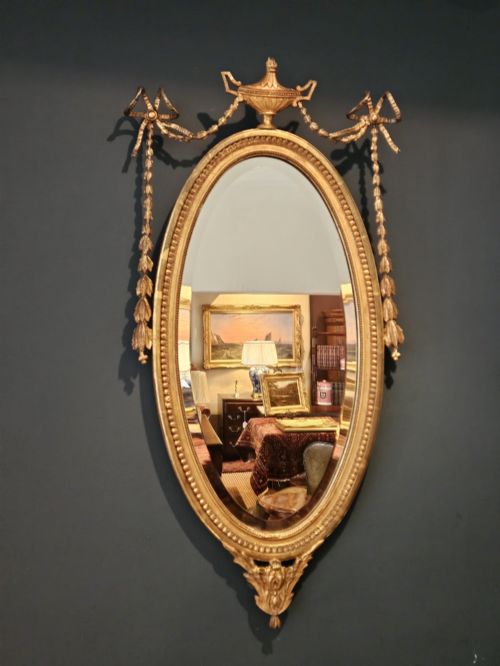
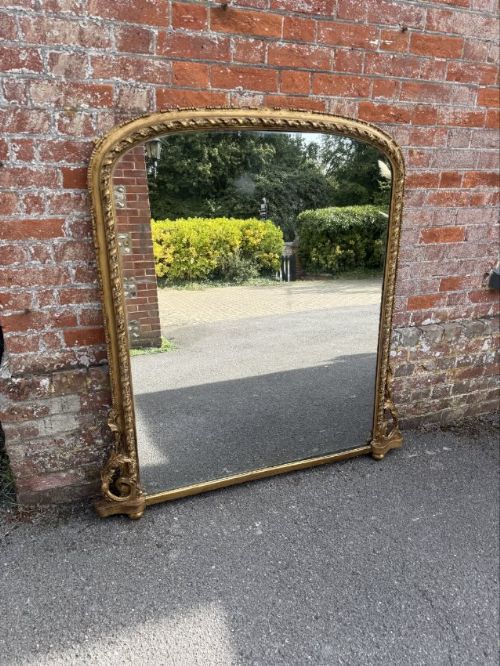
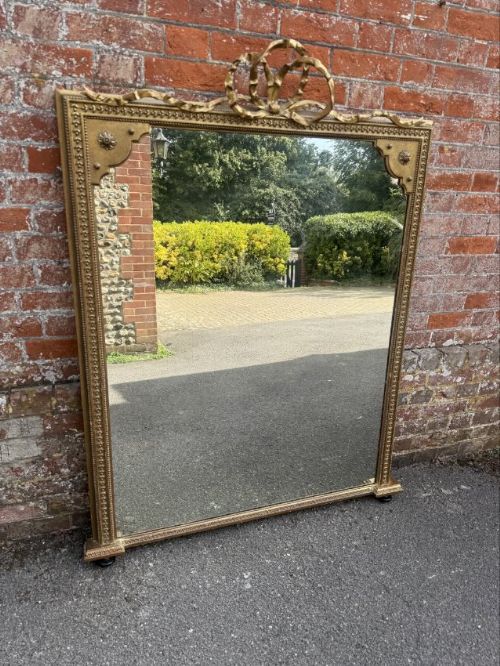
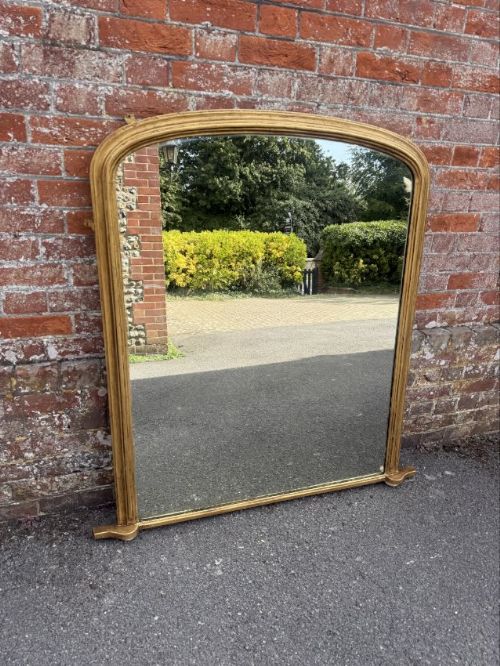
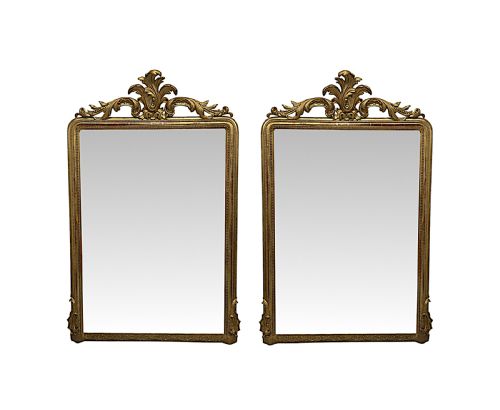
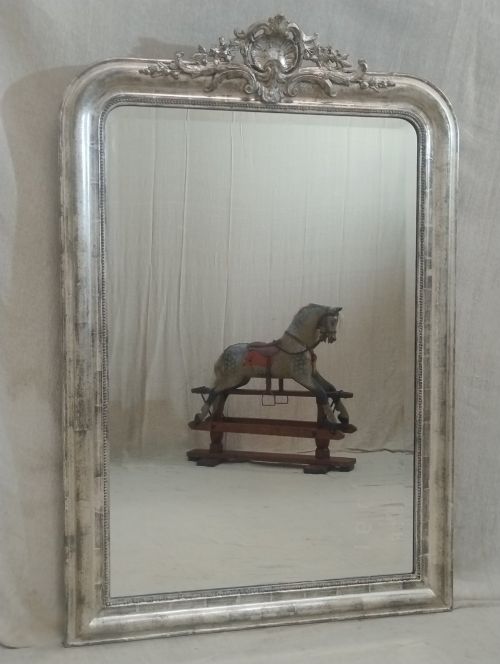
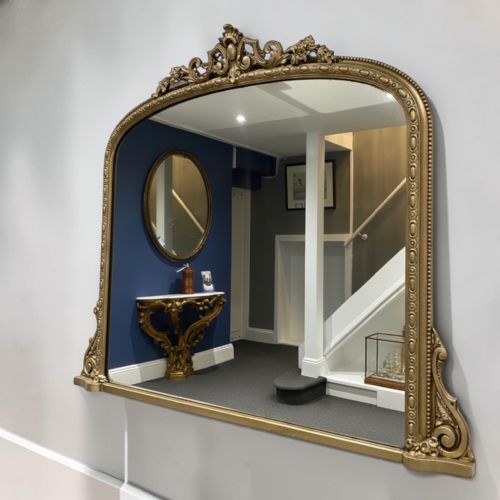
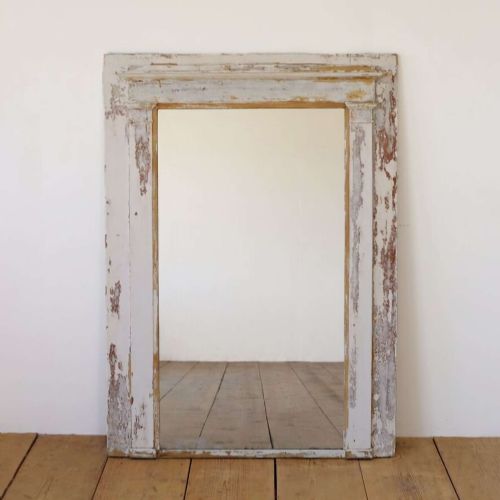
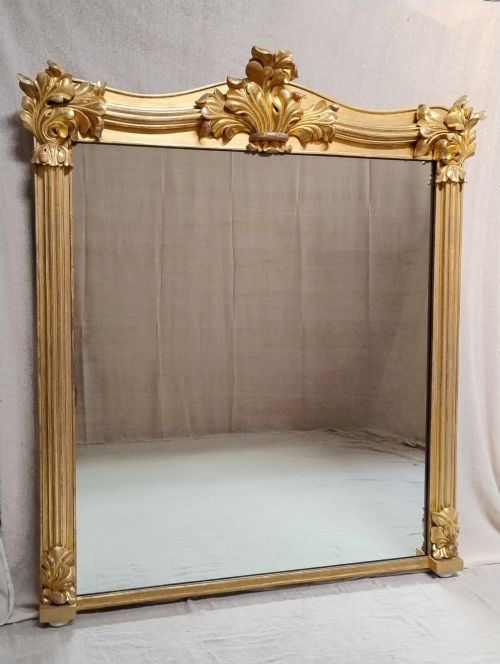
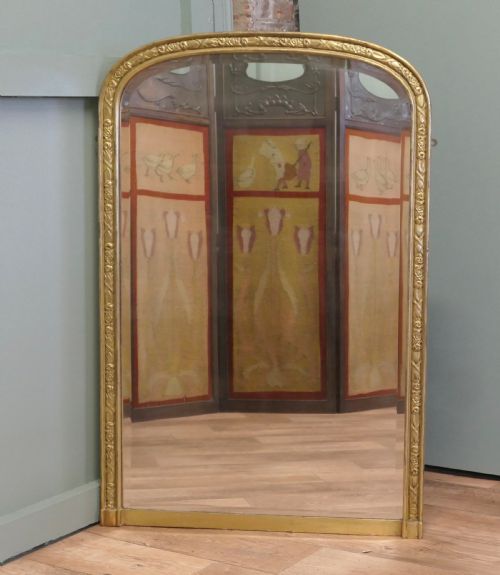
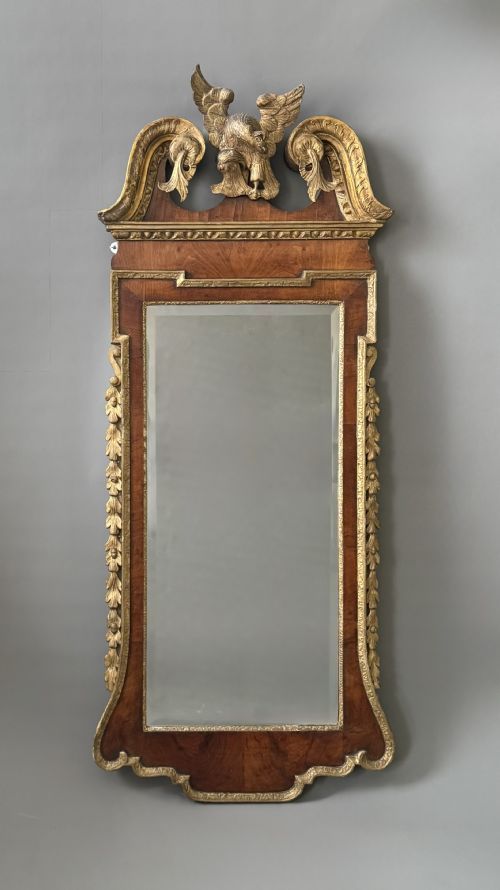
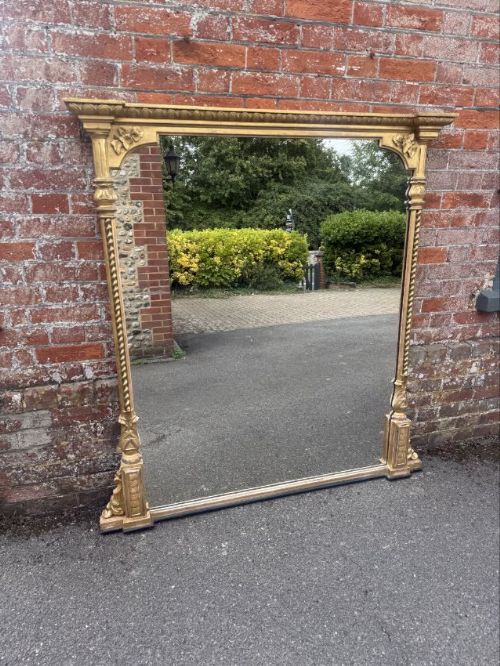
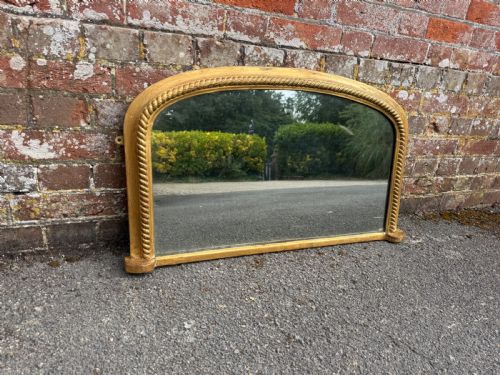
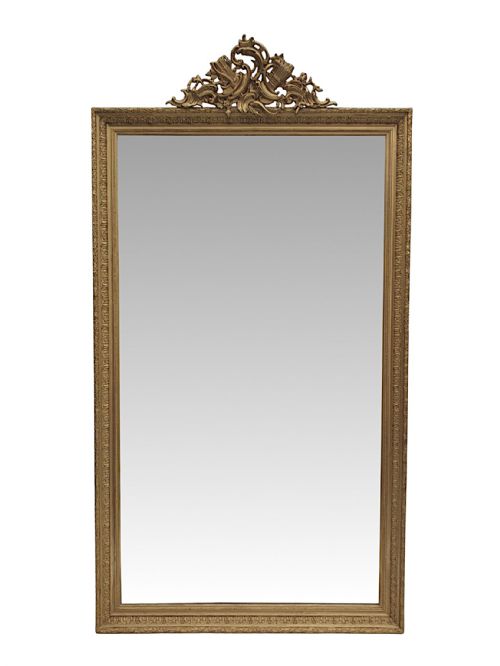
Carved Mantle Mirror
These carved mantle mirror pieces bring period presence and reflected light to a room, ranging from grand Victorian overmantels to refined Georgian designs.
Carved Mantle Mirror
A carved mantle mirror is designed specifically to sit above a fireplace hearth, anchoring the room with architectural scale and decorative framing. The selections here draw heavily from the nineteenth century, showcasing large overmantel mirrors with arched tops, rectangular formats, and triple plate configurations that expand visual space.
Beyond the dominant Victorian and Georgian examples, pieces span Regency styles and French influences like the Louis Philippe and Rococo Revival. Formats range from expansive horizontal wall mirrors intended for principal reception rooms to taller pier mirrors and painted pine variants.
How They Were Made
Carved wood frames form the structural foundation, utilising timber species such as mahogany, walnut, oak, and rosewood. Artisans frequently applied layers of gesso over carved wooden bases to build up delicate relief ornamentation before applying gold leaf or paint.
Gilding techniques deliver the characteristic reflective metallic surfaces seen across giltwood and parcel gilt editions. Glass plates are set within these frames, occasionally featuring original bevelling or multiple side panels.
Seafaring influences occasionally surface in the details, including nautical rope twist carvings on nineteenth-century giltwood frames.
What Varies in Quality
The crispness and depth of the hand-carved wooden relief separate standard mouldings from superior interpretations. Intricate details like rope twists, column framing, and figurative motifs require exceptional artisan skill to execute cleanly.
The preservation of original gilding and gesso without heavy restoration determines the integrity of an antique piece. Uniformity in the reflective glass plates and the stability of the structural wooden joinery also dictate overall manufacturing caliber.
The Carved Mantle Mirror Glossary
- Overmantel Mirror
- A large mirror designed specifically to be hung or placed on the mantelpiece above a fireplace. These frequently incorporate horizontal formats or arched tops to match architectural proportions.
- Gesso
- A plaster-like mixture applied to wood frames to create a smooth surface for subsequent gilding or painting. It allows craftsmen to model intricate low-relief decorations before applying gold leaf.
- Giltwood
- Timber that has been coated with thin sheets of gold leaf over a prepared base. This technique provides a durable metallic finish that catches interior light.
- Parcel Gilt
- A decorative treatment where only specific portions of a wooden object are gilded, leaving the underlying wood grain visible elsewhere. It highlights specific carved details on walnut or mahogany frames.
- Triple Plate Mirror
- A mirror configuration divided into three distinct glass panels within a single frame. This style was popular during the nineteenth century for extending reflections across wider mantelpieces.
Carved Mantle Mirror: Frequently Asked Questions
Where should I hang a carved mantle mirror?
These mirrors are traditionally positioned directly above a fireplace mantelpiece to reflect light and anchor the room's central focal point. They also function effectively on large blank walls in reception spaces where their architectural scale can be fully appreciated.
When mounting an overmantel piece, ensure the wall fixings are secured safely to support the substantial weight of the wood, gesso, and glass.
How do I identify a Victorian overmantel mirror?
Victorian examples often display generous proportions, arched tops, and applied gesso ornamentation over a carved wooden core. They frequently utilise decorative elements such as rope twists, columns, or elaborate crests.
Many of these nineteenth-century pieces are built with substantial weight and feature multiple plate configurations designed to expand the appearance of smaller drawing rooms.
What is the difference between an overmantel and a wall mirror?
An overmantel mirror is proportioned specifically to sit horizontally or vertically above a fireplace hearth, often featuring a wider base or arched top tailored to chimney breasts. Standard wall mirrors are generally designed for general room placement without relation to a fireplace.
Despite this distinction, many large nineteenth-century examples in the inventory function interchangeably as wall or leaner mirrors.
Are the glass plates in these mirrors original?
Some antique mirrors retain their original glass plates, which can display authentic signs of age, light foxing, or original bevelling. Other pieces may have received replacement plates during their long histories to maintain clear reflection.
Examining the depth and backing of the glass helps determine whether the reflective plate matches the period of the surrounding carved frame.