



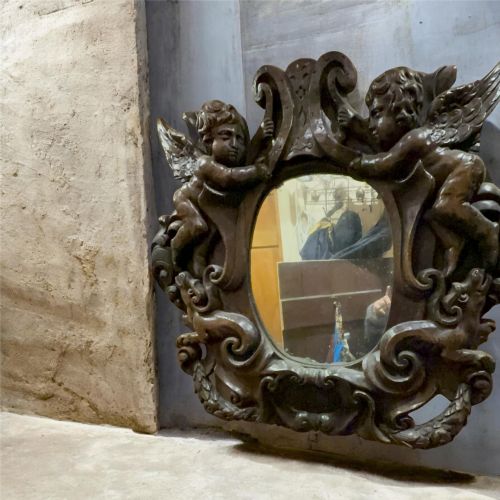
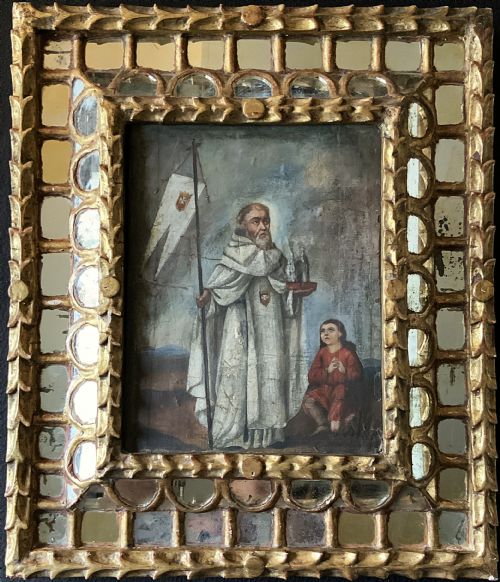
Baroque Carved Mirror
A baroque carved mirror brings depth and historic craftsmanship to a room, offering ornate detail rooted in centuries of European design.
Baroque Carved Mirror
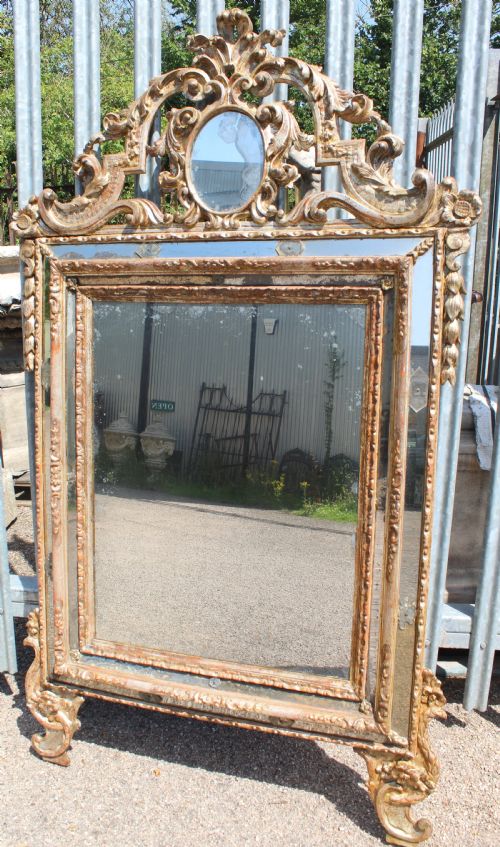
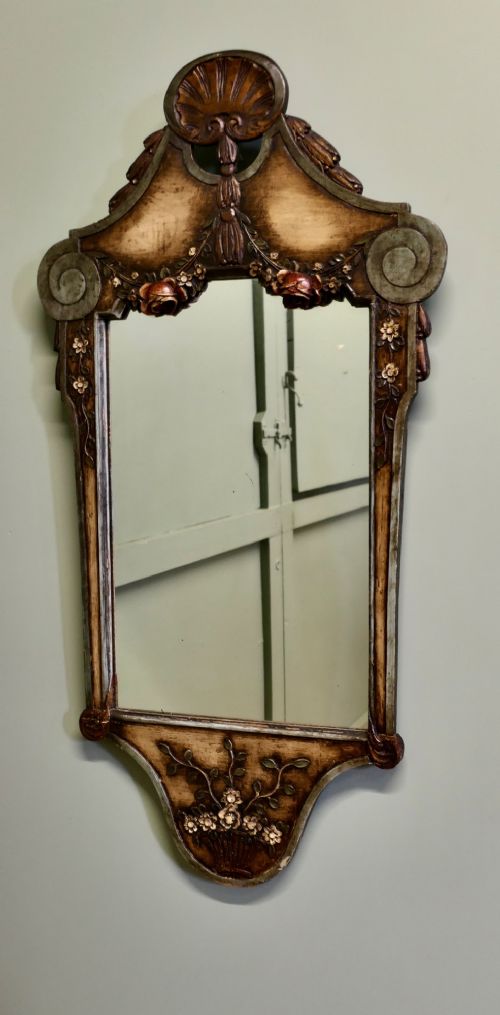
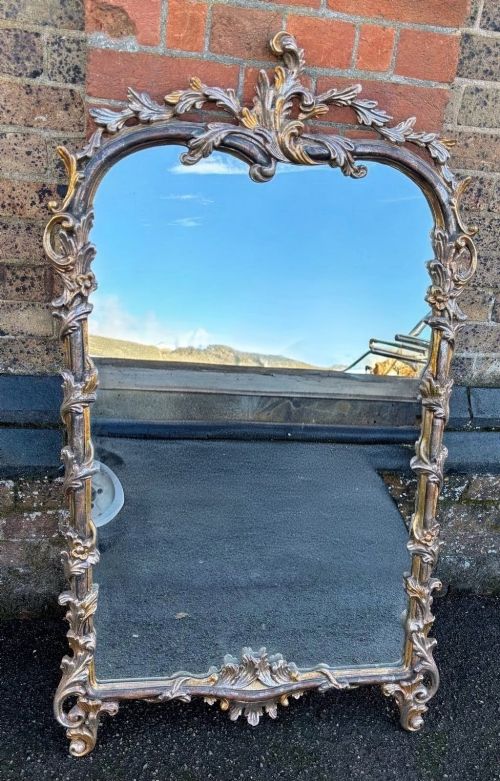
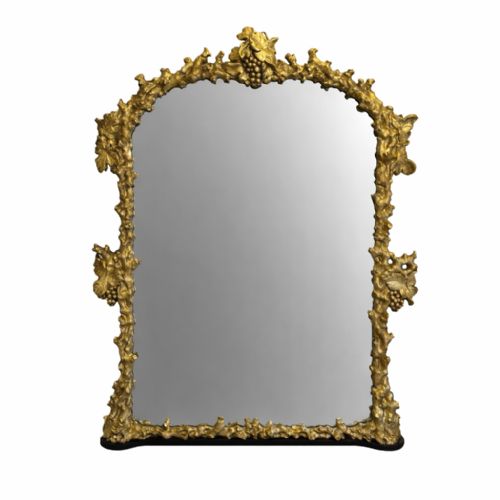
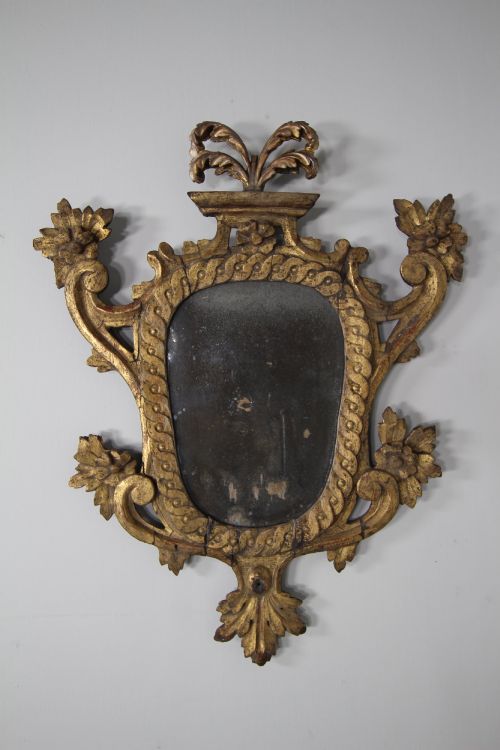
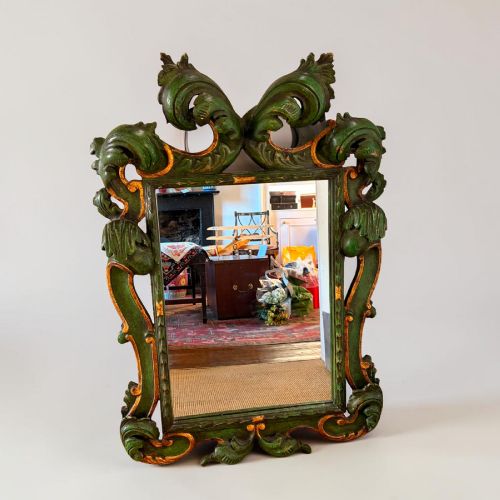
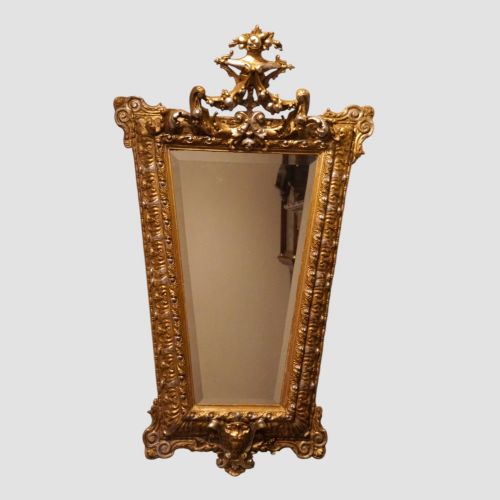
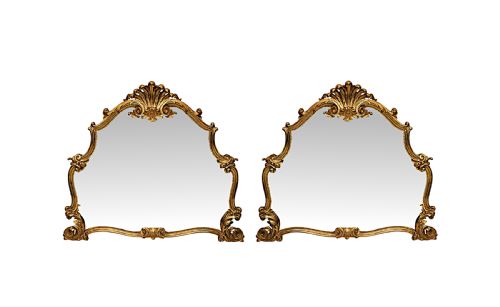
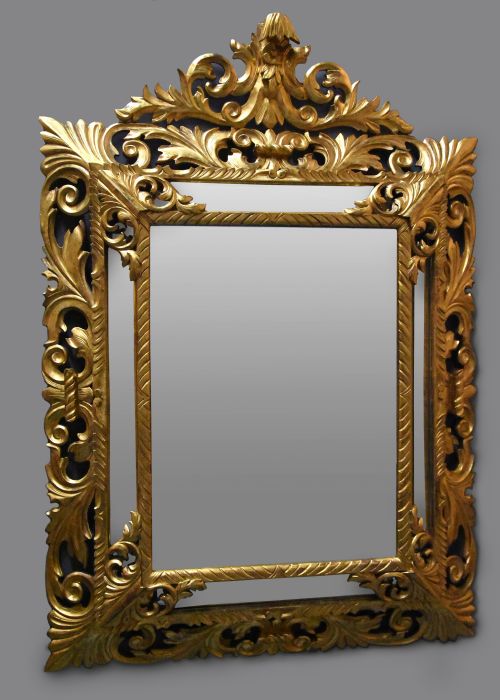
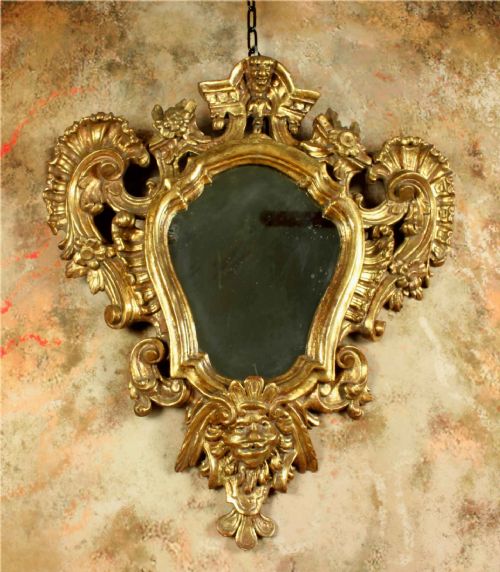
A baroque carved mirror draws the eye through elaborate woodwork and gilded surfaces. When searching for a baroque carved mirror, buyers encounter wall mirrors, overmantel mirrors, and cushion mirrors spanning the seventeenth century to the nineteenth century, with Italian origins appearing frequently.
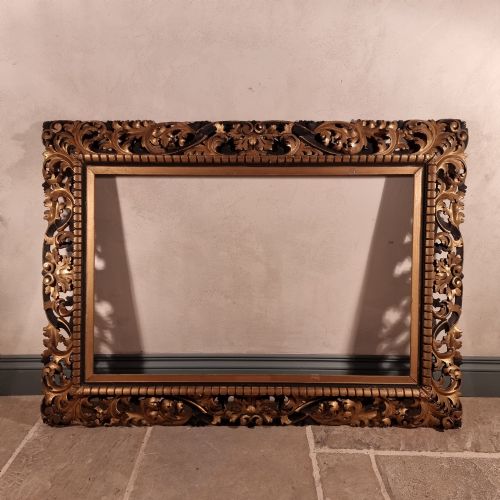
Many examples reflect later revivals such as the baroque revival and rococo revival styles. Forms range from grand oval and rectangular wall pieces to smaller table mirrors and picture frames.
Regional variations appear across Italian, French, and Spanish traditions, encompassing Florentine carvings and Venetian glasswork.
Materials and construction
Carved wood provides the structural foundation for these pieces, utilising timbers such as oak, limewood, and general carved timber. Artisans shaped these woods into complex foliage, scrolls, and decorative masks.
Gesso was applied over the timber base to create a smooth surface for gilding. Layers of gold leaf or silver leaf were then laid down, sometimes complemented by original mercury plate glass.
Baroque Carved Mirror Retail Price Guide 2026
Typical asking prices for baroque carved mirror among the pieces listed under this phrase on Sellingantiques today, from the lower quarter to the upper quarter. They describe what is for sale here now, not the wider market.
Listings feature pieces spanning from the 17th century through the 19th century, utilising giltwood, gesso, silver leaf, and carved wood.
Judging the execution
The depth and crispness of the carving separate standard items from finer works. Skilled hands achieved subtle undulations in acanthus leaves and facial expressions on decorative masks.
The integrity of the giltwood and gesso surface matters greatly. Examples retaining their original gold leaf or silver leaf show a warmth that heavy modern touch-ups obscure.
Pauly et Cie
The Baroque Carved Mirror Glossary
- Giltwood
- Wood covered with a thin layer of gold leaf. This finish defines many formal European looking glasses.
- Gesso
- A plaster mix applied to wood surfaces to prepare them for gilding. It allows for sharp relief moulding beneath the gold leaf.
- Cushion mirror
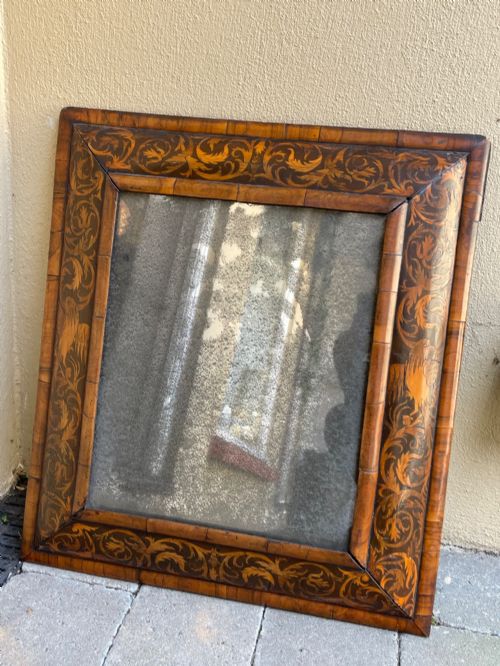
- A frame with a rounded, convex profile that slopes outward or inward toward the glass plate. These frames often feature elaborate marquetry or gilt decoration.
- Mercury plate
- An early type of mirror glass created using a tin and mercury amalgam. It produces a distinctive mottled, speckled reflection.
- Pier mirror
- A tall glass designed to hang on the wall space between windows. They frequently match console tables placed underneath.
Baroque Carved Mirror: Frequently Asked Questions
How do I date a baroque carved mirror?
Dating relies on examining the construction of the wooden backing, the type of glass plate, and the application style of the gesso and gold leaf. Earlier pieces often display hand- cut joins and original mercury plates.
Stylistic shifts also provide clues, as seventeenth-century examples tend toward heavier architectural symmetry, while later nineteenth-century revivals incorporate freer rococo asymmetry.
Where should I hang an overmantel mirror?
An overmantel mirror traditionally hangs on the chimney breast directly above a fireplace mantelpiece. This placement reflects light around the room and anchors the central wall.
Ensure the wall fixings match the substantial weight of carved timber and giltwood frames.
Are these mirrors fragile?
The carved wooden frames and delicate gesso layers require careful handling and stable indoor humidity. Sudden temperature shifts can cause the gesso to crack or flake over time.
Dusting should be done gently with a dry, soft cloth without applying harsh cleaning agents to the gilded surfaces.