
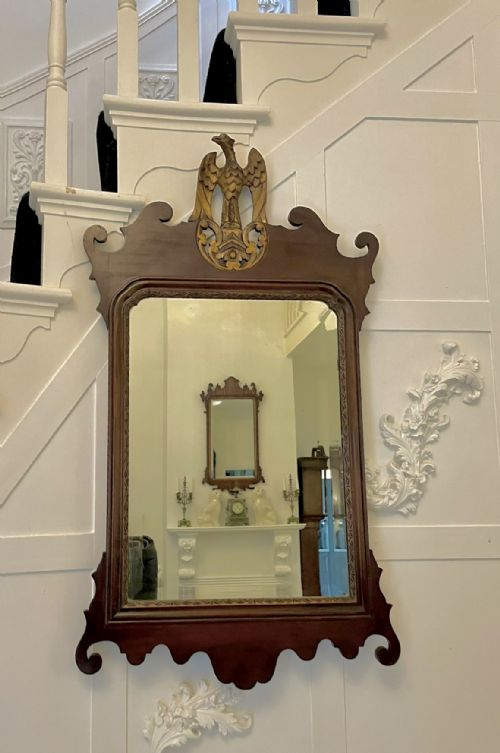
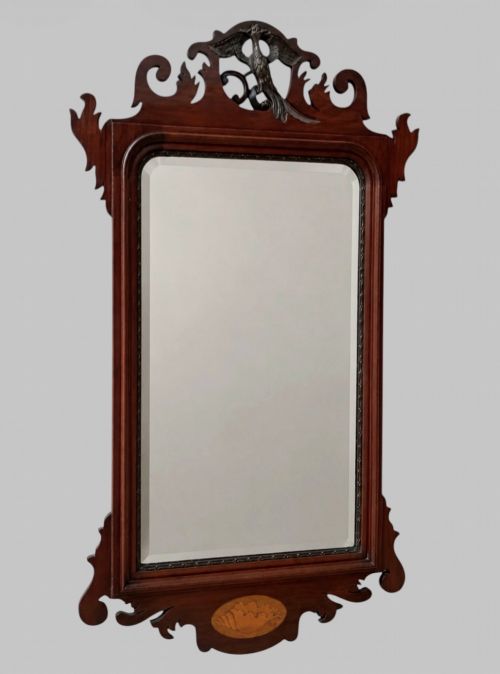


Inlaid Wood Wall Mirror
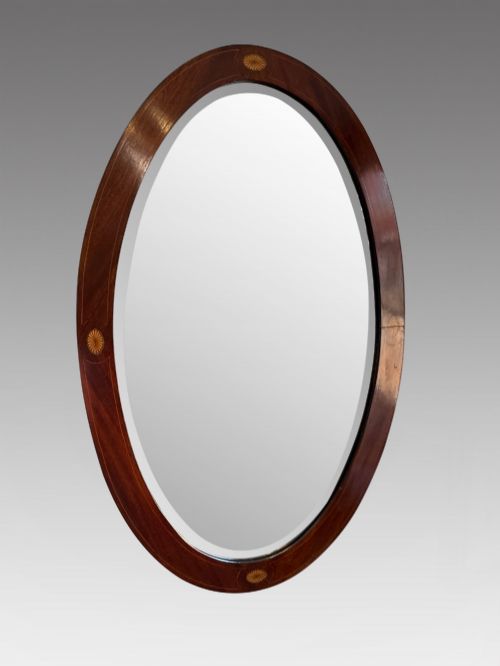
An inlaid wood wall mirror brings warmth and intricate detail to a room, offering a functional glass plate framed in disciplined marquetry or contrasting timber.
Inlaid Wood Wall Mirror
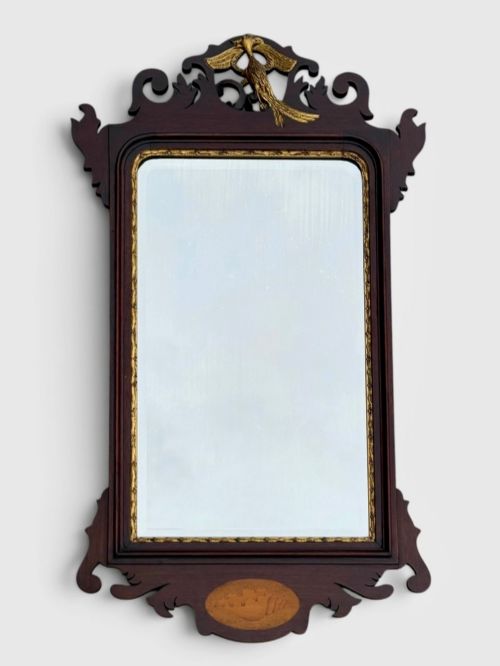
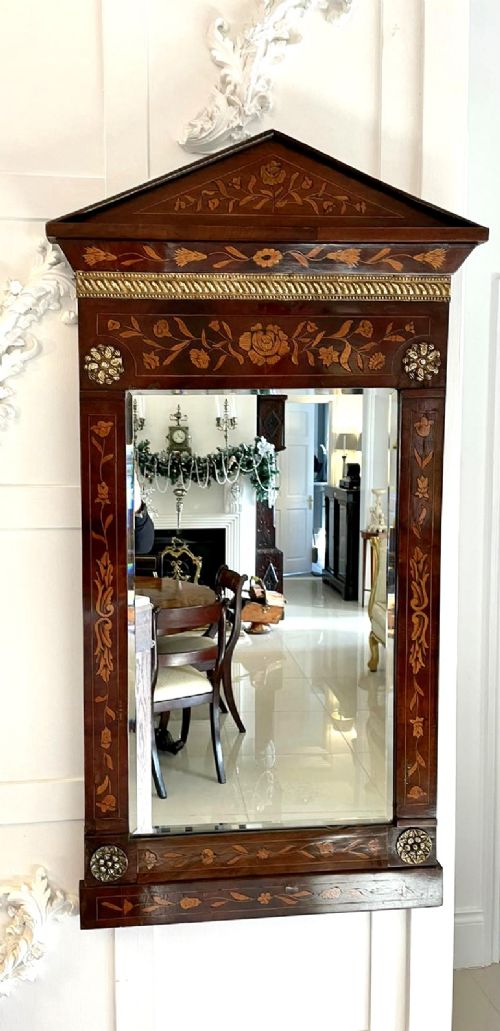
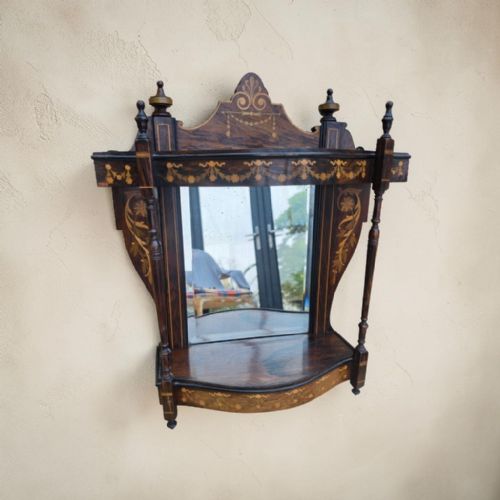
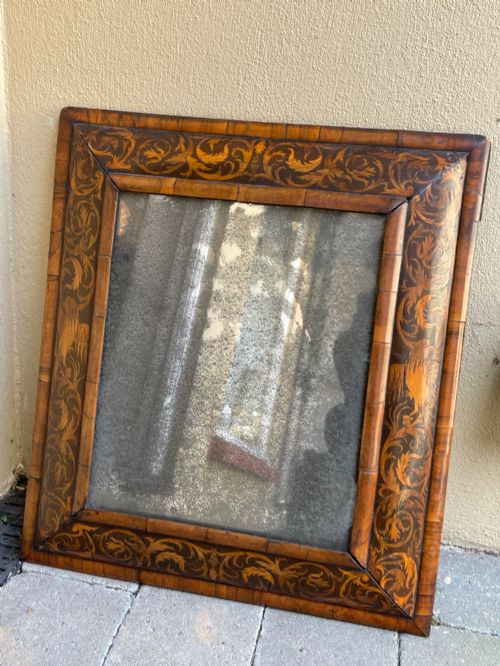
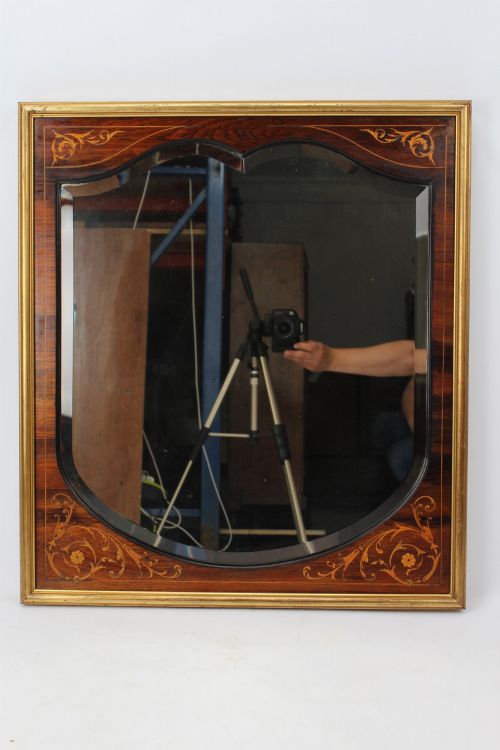
An inlaid wood wall mirror is a decorative hanging glass panel set within a wooden frame embellished with contrasting veneers, stringing, or pictorial marquetry. When you search for this phrase, you encounter forms ranging from compact hall and bedroom glasses to substantial Edwardian overmantels and elaborate Victorian rosewood designs.
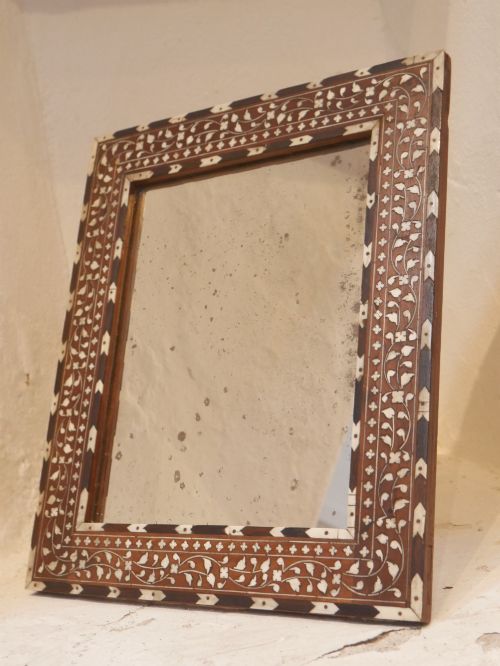
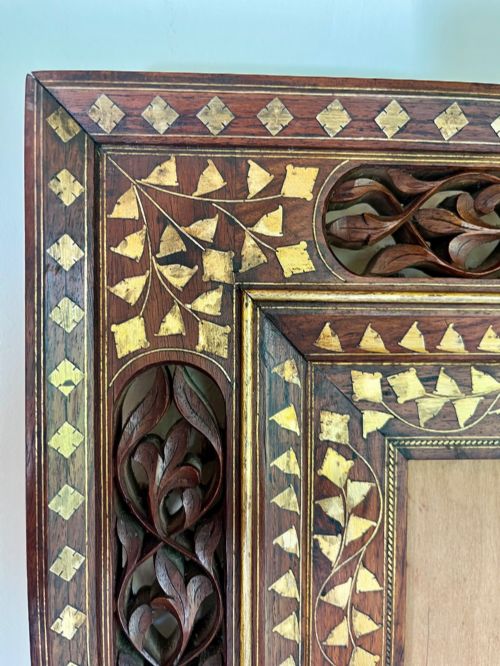
The pieces on this page span several centuries and global traditions, including British revival styles, Dutch floral marquetry, and intricate Anglo-Indian Hoshiarpur shisham work. Alongside standard wall mirrors, you will find related domestic objects such as overmantel mirrors, wall shelves, and occasional barometers incorporating the same decorative woodwork.
The selection leans heavily toward late nineteenth and early twentieth-century examples, with Edwardian rosewood frames and Victorian mahogany or walnut versions appearing frequently. These pieces reflect diverse regional aesthetics, from geometric British fretwork to Syrian mother-of-pearl and bone inlay.
How they were made
Cabinetmakers constructed these frames using dense primary timbers such as mahogany, walnut, and rosewood, often applying finer veneers to the face. Marquetry panels were assembled by cutting intricate motifs from contrasting woods, satinwood, ebony, or boxwood, and fitting them flush into the prepared surface.
Many Eastern and regional pieces incorporate organic elements alongside wood, utilising bone, ivory, and mother-of-pearl secured with adhesives and pins into carved shisham or teak bases. Gilt highlights, brass detailing, and ormolu mounts were frequently added to enhance the reflective quality of the glass and the richness of the timber.
Some nineteenth-century mirrors arrived from Hoshiarpur with intricate inlaid surfaces designed to make British drawing rooms feel wonderfully distant.
What varies in quality
The standard of an inlaid wood wall mirror rests on the precision of the joinery and the execution of the decorative work. Finer examples display tightly fitted marquetry with minimal filler and sharp, deliberate carving on elements like fretwork borders or applied mouldings.
Materials also dictate the tier of the piece, with dense, stable woods like rosewood and mahogany supporting crisp detailing over centuries. The depth and clarity of the original mirror glass further separate standard production from exceptional examples.
A.J Rowley·Rowley Gallery
The Inlaid Wood Wall Mirror Glossary
- Marquetry
- The art of applying pieces of veneer to a structure to form decorative patterns or pictures. This technique defines the surface of many Edwardian and Dutch-influenced frames.
- Fretwork
- Ornamental design executed by cutting with a scroll saw, often seen on eighteenth-century revival mirror frames. It adds delicate, pierced silhouettes to the outer edges of the timber.
- Overmantel
- A large mirror designed specifically to be hung above a fireplace mantelpiece. These pieces often incorporate extended wooden shelves or architectural crests.
- Shisham
- A durable Indian rosewood frequently used as the base timber for Hoshiarpur and Kashmiri carved and inlaid mirror frames. It supports dense surface decoration in bone, brass, and lighter woods.
- Stringing
- Thin lines of contrasting wood inlay used to outline panels, borders, or drawer fronts. It provides subtle linear definition on mahogany and walnut furniture.
Inlaid Wood Wall Mirror: Frequently Asked Questions
How do I hang a heavy inlaid wall mirror safely?
Heavy wooden frames require secure wall fixings distributed evenly across the structure to support the combined weight of the timber and glass. Ensure the fixings engage directly with wall studs or utilise appropriate heavy-duty cavity anchors.
Check that the hanging wire, brackets, or D-rings affixed to the reverse of the frame are structurally sound and capable of sustaining the load before mounting the piece.
Where should I place an inlaid wood mirror?
These mirrors suit spaces where natural light can be amplified, such as opposite a window or along a narrow hallway. They also function well above mantelpieces or console tables as a visual focal point.
Keep them away from direct, prolonged sunlight and excessive moisture to protect the delicate wooden veneers and inlaid materials from warping or lifting.
How do I tell an Edwardian mirror from a Victorian one?
Victorian mirrors often employ heavier timbers like rosewood and walnut, frequently featuring gilt highlights, substantial proportions, and deep moulding. They lean toward dramatic architectural presence or rich, dark surfaces.
Edwardian pieces commonly utilise lighter mahogany or rosewood with refined marquetry, fretted outlines, and a brighter, airier aesthetic suited to more modest domestic spaces.
How do I clean an antique inlaid mirror frame?
Dust the wooden frame gently with a soft, dry cloth to remove surface particles without disturbing the delicate veneer or inlaid elements. Avoid commercial spray polishes that contain silicone or harsh solvents.
Clean the glass plate using a modest amount of glass cleaner applied directly to the cloth rather than the mirror, ensuring liquid does not seep behind the bevelled edge or into the wooden joints.