

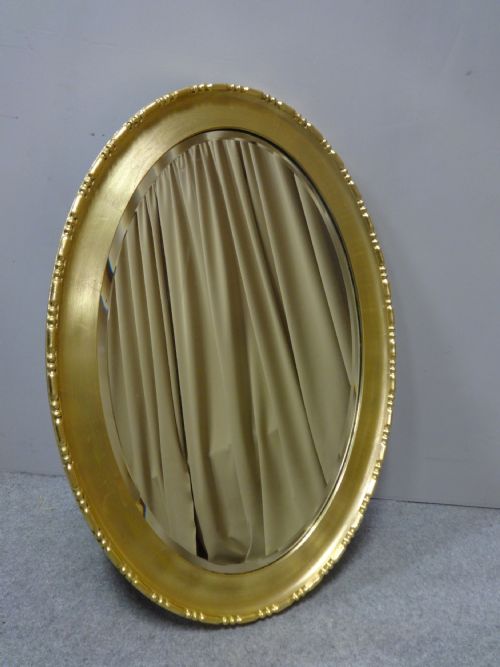
Antique Mirror for Hallway
An antique mirror for hallway selection brings immediate focus and depth to an entryway, uniting practical glass with period character.
Antique Mirror for Hallway
The antique mirror for hallway search captures a diverse group of objects designed to greet visitors and reflect light into narrow spaces. Pieces range from straightforward wall-mounted frames to comprehensive hall stands incorporating hooks, umbrella holders, and small shelves.
Most examples encountered here date from the nineteenth century through the Edwardian era, spanning styles such as Victorian, Rococo Revival, and Art Nouveau. Oak, mahogany, and giltwood dominate the structural forms, providing sturdy timber or gilded surfaces suitable for domestic entrances.
Materials and construction
Frames rely on traditional timbers like oak and mahogany alongside softwood bases covered in gesso for intricate, moulded decoration. Gilding was applied over prepared grounds to create bright reflective borders, while mirrors themselves utilised silvered glass plates.
Joinery techniques reflect the period of manufacture, utilising sturdy mortise and tenon joints for heavy hall stands and precise fretwork or carved details for wall-hung pier mirrors. Carved ornamentation often includes floral motifs, scrolling acanthus, and ribbed mouldings.
Antique Mirror for Hallway Retail Price Guide 2026
Typical asking prices for mirror for hallway among the pieces listed under this phrase on Sellingantiques today, from the lower quarter to the upper quarter. They describe what is for sale here now, not the wider market.
Object forms vary from simple wall mirrors to complex hall stands featuring integrated seating and umbrella wells.
Assessing quality and craftsmanship
Quality rests in the crispness of the carved detail and the integrity of the timber framing, where hand-carved elements surpass mass-produced composition ornament. The depth of the gilding and the preservation of the original silvering on the mirror plate further separate standard domestic items from finer showroom pieces.
Structural complexity also defines the range, distinguishing simple rectangular wall frames from multifunctional hall stands with integrated seating, coat hooks, and turned umbrella wells. Finer examples maintain original glass and balanced proportions that suit compact entranceways.
The Antique Mirror for Hallway Glossary
- Pier mirror
- A tall narrow mirror designed to hang on the pier of wall between windows, frequently utilised in hallways for vertical impact.
- Gesso
- A plaster-like material applied to wood frames and carved or moulded into decorative relief before gilding.
- Overmantle mirror
- A wide mirror traditionally hung above a fireplace mantel but frequently adapted for broad hallway spaces.
- Fretwork
- Thin wood worked into decorative patterns using a fretsaw, common on eighteenth-century revival mahogany frames.
- Giltwood
- Timber, commonly pine or gesso-coated wood, covered with thin gold leaf.
Antique Mirror for Hallway: Frequently Asked Questions
What is an antique hallway mirror?
An antique hallway mirror is a period looking glass designed for entrance spaces, encompassing wall-mounted frames and multi-functional hall stands.
These pieces combine reflective glass with timber frames, often incorporating hooks or small shelves for daily use.
How do I choose the right size?
Measure your available wall space carefully, noting the height and width limits of narrow corridors or above console tables.
Tall pier mirrors suit high ceilings, while compact wall frames fit narrower passage walls without overwhelming the room.
What styles are most common?
Victorian and Edwardian pieces dominate the selection, alongside revival styles referencing the Rococo, Queen Anne, and Adam periods.
Frames appear in dark timbers like oak and mahogany, or bright giltwood finishes designed to maximise light.
Did these mirrors have other functions?
Many hallway pieces were made as comprehensive furniture items incorporating coat hooks, umbrella stands, and small storage seats.
Wall-hung versions often paired with matching console tables to create a functional entryway arrangement.