





Victorian Oak Hanging Mirror
A victorian oak hanging mirror brings heavy timber and dependable glass into a hallway, offering both practical reflection and solid period presence.
Victorian Oak Hanging Mirror
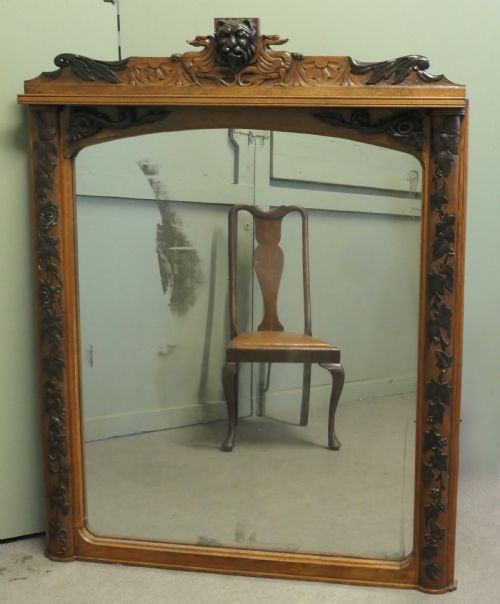
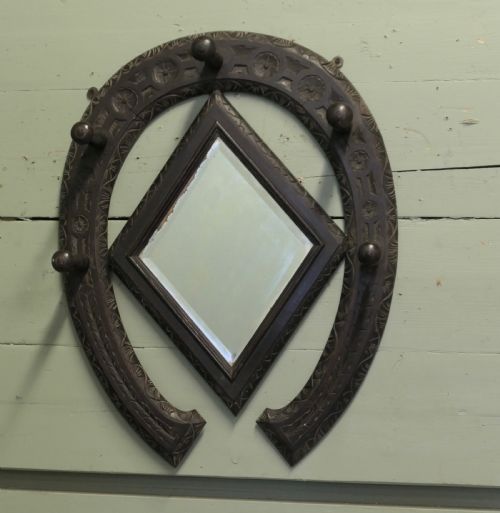
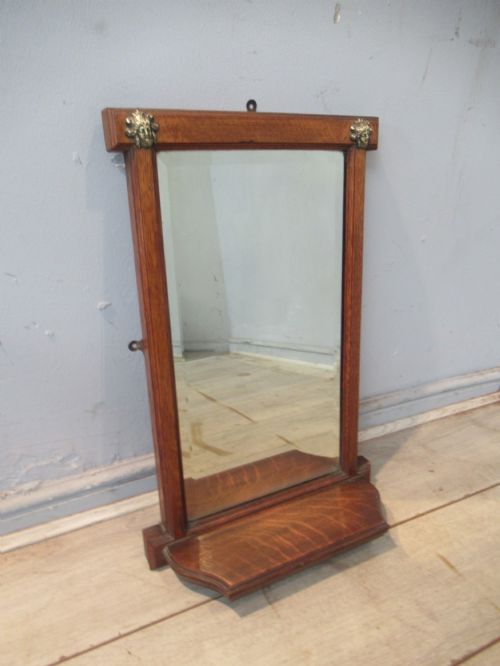
When you search for a victorian oak hanging mirror, you encounter sturdy wall-mounted pieces framed in timber and glass, predominantly originating from the nineteenth century alongside related Edwardian and Regency examples. The selection includes simple rectangular wooden frames as well as pieces incorporating carved ornament, horseshoe motifs, or integrated coat racks.
Most items on this page function as wall mirrors for halls and living spaces, though the broader category occasionally extends to related forms such as wardrobes and dressing mirrors. You find substantial carved oak frames alongside painted or inlaid surfaces, reflecting the varied design revivals popular during the period.
Materials and construction
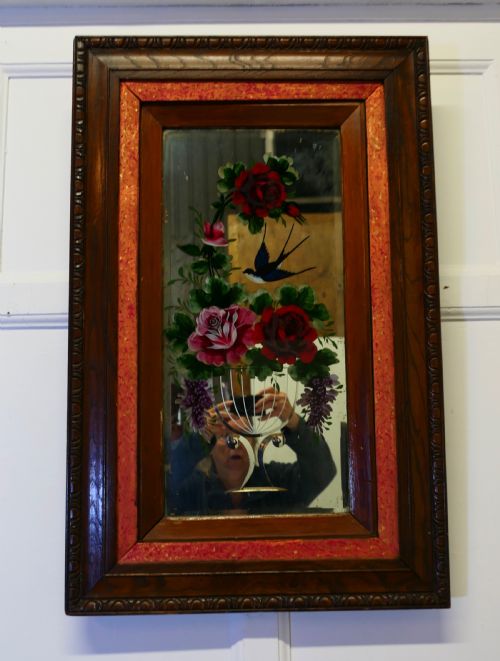
Makers built these frames using solid oak, frequently employing deep carving, panel construction, and egg and dart mouldings to ornament the timber. Metal components like brass fixings and hooks appear alongside glass mirror plates, sometimes featuring bevelled edges or reverse etching.
Surfaces vary between natural waxed or polished wood grain and decorative applications such as paint or gilt gesso. Joinery techniques from the nineteenth century secure the heavy timber frames safely around the reflective plates for domestic wall hanging.
Design styles recorded across the pieces include Gothic Revival, Renaissance Revival, and Jacobean Revival.
Assessing quality
Quality rests in the crispness of the timber carving and the depth of the oak framing, where hand-worked details and applied mouldings display superior artisan skill. The weight and stability of the wooden structure dictate how well the piece supports the heavy mirror plate over decades of hanging.
The clarity and condition of the glass, whether bevelled, etched, or plain, contribute significantly to the overall merit of the object. Original brass hardware and intact panel backing further distinguish a superior example from simpler utilitarian alternatives.
The Victorian Oak Hanging Mirror Glossary
- Bevel edge
- An angled edge ground and polished around the perimeter of the glass mirror plate. This technique creates a prismatic light effect and signals finer nineteenth-century manufacture.
- Egg and dart
- An ornamental moulding pattern alternating oval shapes with arrow-like points. It frequently decorates the borders of Victorian architectural woodwork and mirror frames.
- Gothic Revival
- An architectural and decorative style drawing inspiration from medieval design. Pieces in this aesthetic often feature pointed arches, horseshoe motifs, and heavy carved tracery.
- Pier wall mirror
- A tall, narrow mirror designed specifically to hang on the narrow section of wall between two windows. These pieces maximise light reflection in period rooms.
- Overmantle
- A large mirror intended to hang directly above a fireplace mantelpiece. They typically span considerable widths to balance the proportions of the hearth below.
Victorian Oak Hanging Mirror: Frequently Asked Questions
How do I hang a heavy oak mirror securely?
Heavy nineteenth-century timber frames require robust wall fixings anchored directly into structural studs or masonry rather than simple plasterboard hooks. Utilise strong picture wire or heavy-duty metal brackets rated well above the weight of the oak and glass.
Check that the original hanging rings or wooden battens on the back of the frame remain sound before installation. Professional mounting ensures the considerable weight stays balanced safely against the wall.
Where were these mirrors used in Victorian homes?
These mirrors typically hung in entrance hallways, cloakrooms, and parlours where visitors gathered. Hall mirrors frequently incorporated coat hooks or horseshoe racks for hats and riding gear.
In living rooms, larger carved or bevelled versions reflected light from windows and gas lighting. Their durable timber construction suited high-traffic domestic spaces.
How do I clean an antique mirror plate?
Clean the glass gently using a soft microfibre cloth and a mild, ammonia-free glass cleaner sprayed onto the cloth rather than directly onto the mirror. This prevents moisture from seeping behind the silvering or into the wooden frame joints.
Avoid abrasive scouring pads that can scratch both the antique glass and the surrounding oak timber. Take care around bevelled edges and etched details where old silvering may be fragile.
What is the difference between Victorian and Edwardian oak mirrors?
Victorian oak mirrors tend to feature heavier proportions, deep relief carving, and robust revival styles like Gothic and Renaissance motifs. The woodwork is often dark, dense, and visually commanding.
Edwardian examples generally exhibit lighter construction, simpler frames, and sometimes painted finishes or gypsy-style aesthetics. The overall decorative approach shifts towards brighter, less imposing domestic interiors.