

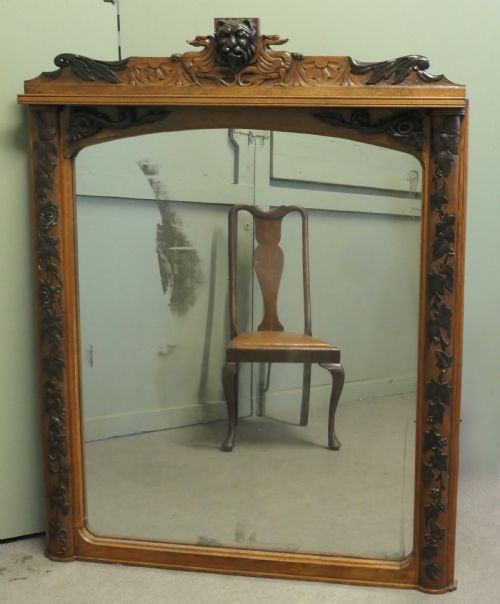
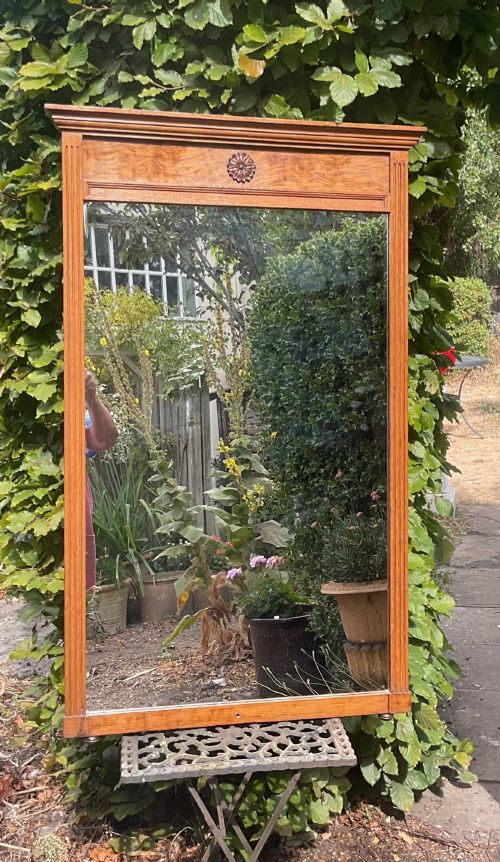
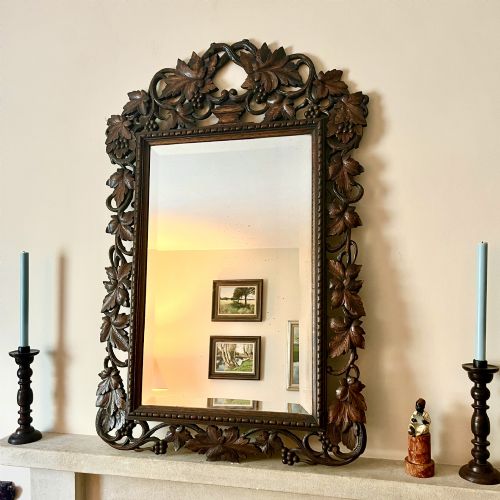
Oak Framed Wall Mirror
An oak framed wall mirror brings depth and warmth to a room, offering sturdy construction and varied regional carving styles.
Oak Framed Wall Mirror
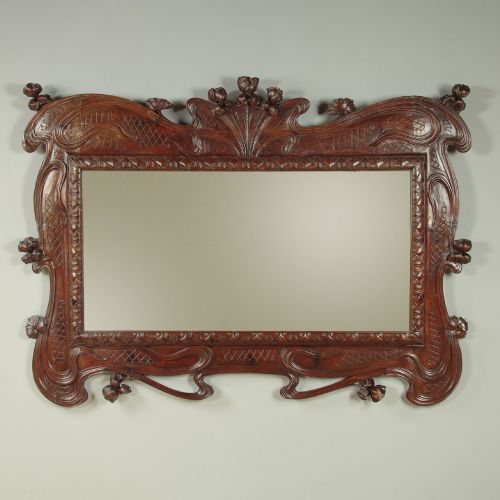
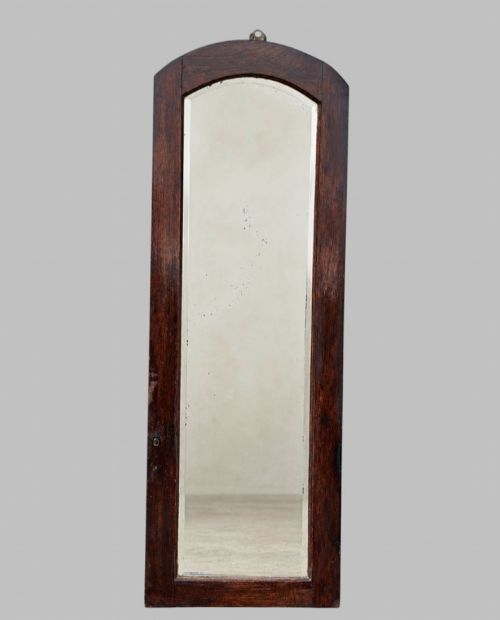
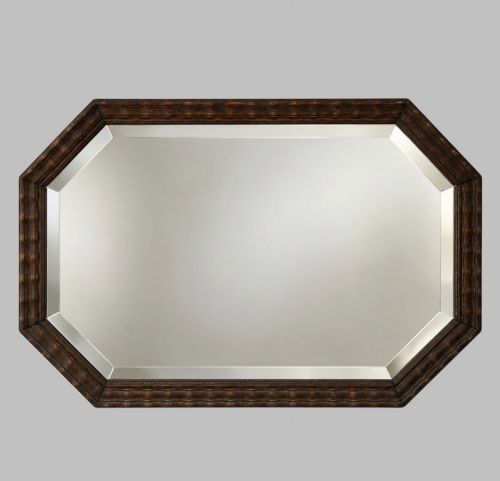
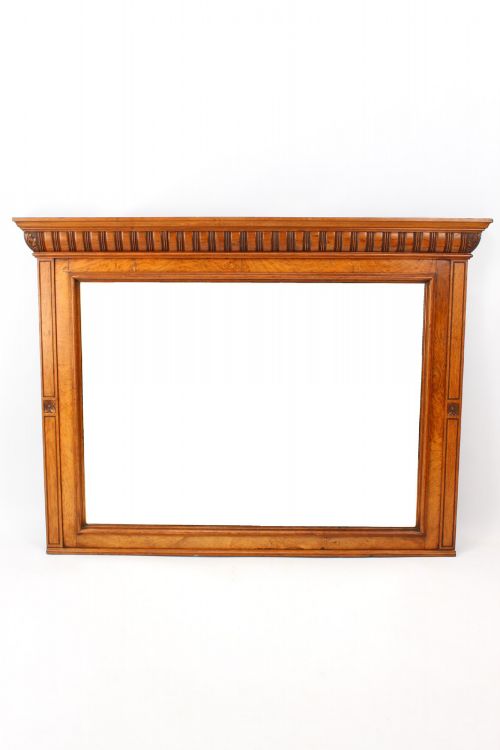
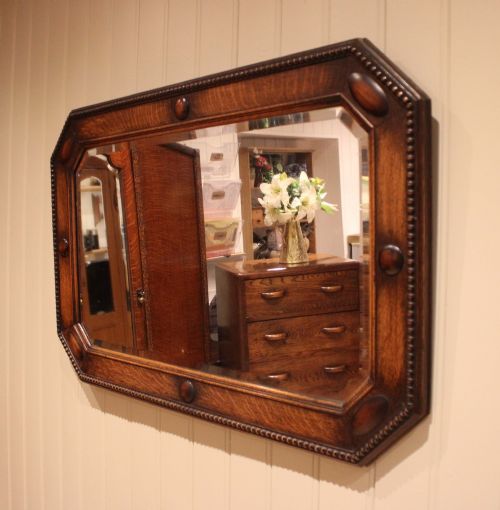
An oak framed wall mirror is a domestic glass reflector encased in timber, selected for utility and interior decoration across period properties. You will most frequently encounter rectangular, oval, and octagonal formats dating from the nineteenth and early twentieth centuries.
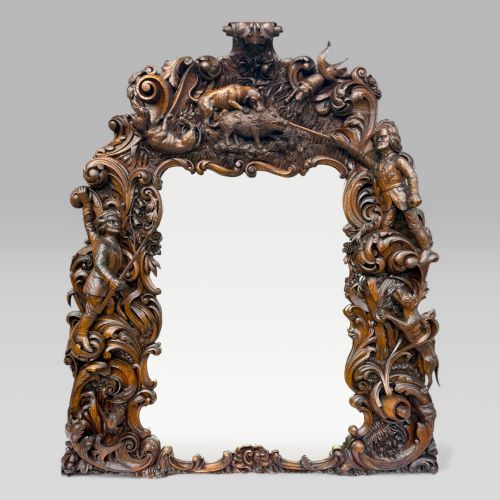
The selection ranges from plain domestic hall mirrors to substantial overmantels designed for grand chimney breasts. Surviving examples reflect diverse stylistic movements including Gothic Revival, Arts and Crafts, and French Renaissance influences.
Makers utilised native and imported timber to construct hanging and leaner formats suited to parlours, hallways, and bedrooms. These pieces combine functional glass with robust wooden surrounds shaped by period joinery traditions.
How They Were Made
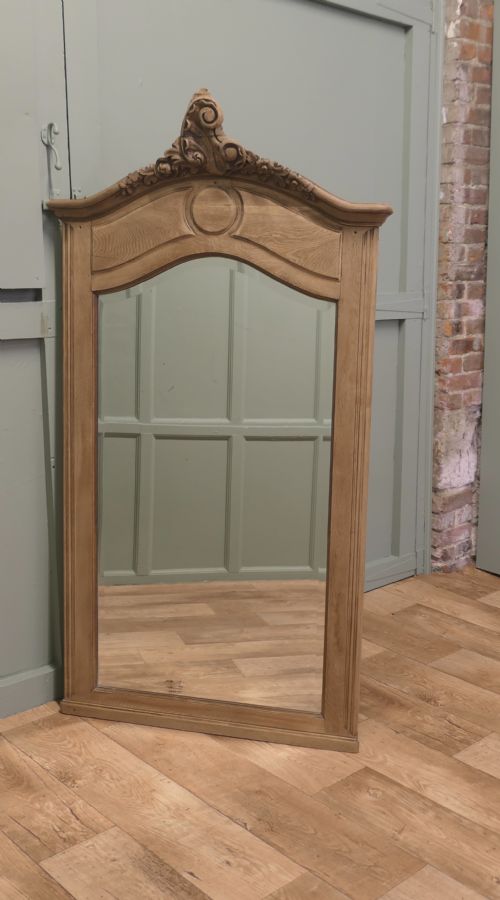
Makers built these frames using solid oak, sometimes employing bleached, scrubbed, or dark finishes to alter the natural grain. Joinery techniques included pegged mortise and tenon joints for structural rigidity in larger wall and overmantel formats.
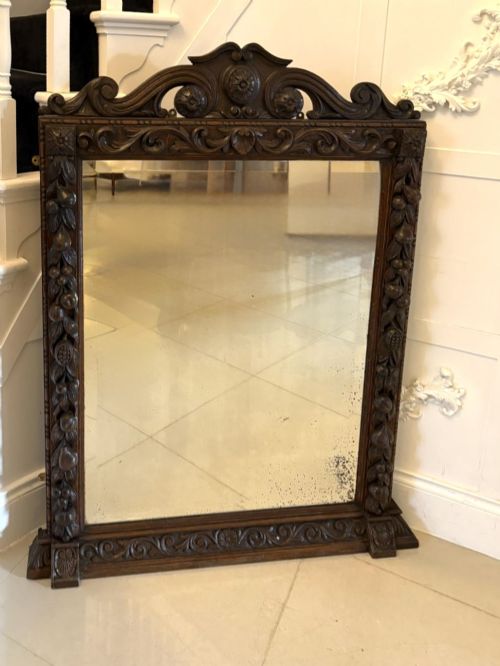
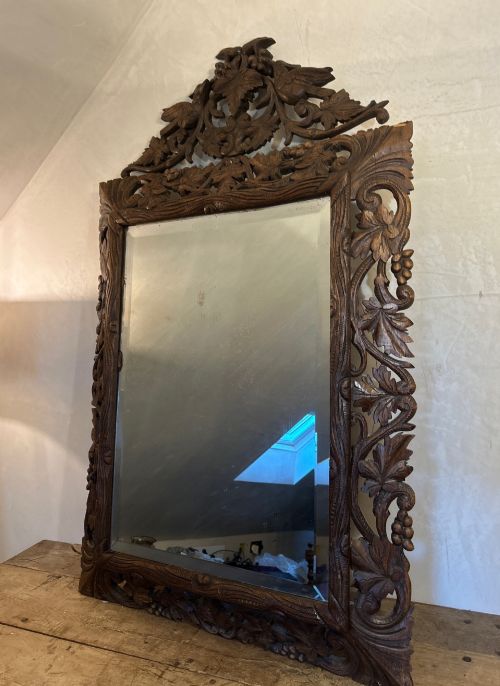
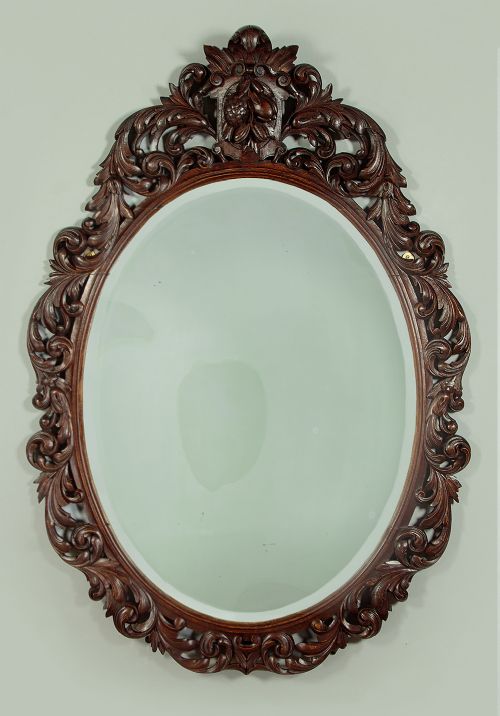
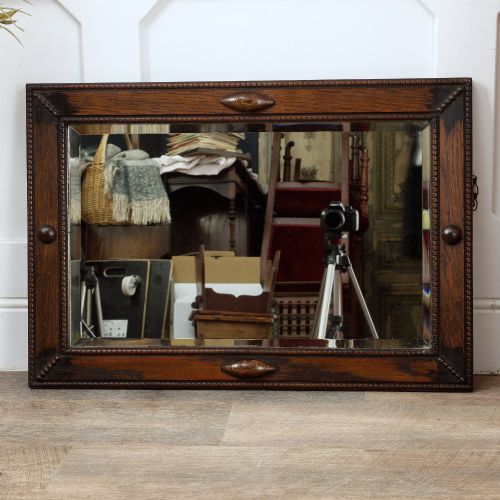
Carvers applied relief decoration directly to the timber, incorporating motifs such as foliage, strapwork, and geometric moulding. Glass plates were secured from the rear, frequently featuring bevelled edges produced by grinding and polishing the perimeters.
What Varies in Quality
The depth and crispness of the wood carving distinguish standard production pieces from masterwork examples. Hand-chiselled detailing shows sharp undercut leaves and crisp edges, whereas lesser pieces display shallow, machine-routed ornament.
The clarity and age of the mirror glass itself influence overall merit, with thicker bevelled plates providing superior distortion-free reflection. Original backing boards, secure corner joints, and untouched surface patination elevate a piece above later restorations.
Waring and Gillow·Rowley Gallery
The Oak Framed Wall Mirror Glossary
- Overmantel mirror
- A large horizontal looking glass designed specifically to hang on the wall directly above a fireplace mantelpiece. These substantial items often anchor the decorative scheme of a period reception room.
- Bevelled glass
- A mirror plate whose outer edges are ground and polished at an angle to create a sloping, light-refracting border. This technique adds depth and refinement to the visual presentation.
- Cushion frame
- A convex, outwardly rounded wooden frame profile popular in seventeenth-century revival designs. The profile draws the eye inward toward the central glass plate.
- Gesso
- A plaster-like material applied to wooden frames to provide a smooth base for gilding or paint. It is frequently moulded into decorative reliefs before metal leaf is laid down.
Oak Framed Wall Mirror: Frequently Asked Questions
How do I hang a heavy oak mirror?
Substantial frames require heavy-duty fixings screwed directly into wall studs or masonry using appropriaterawl plugs. Ensure the hanging wire or integrated metal brackets are rated to support the full weight of the solid timber and glass.
For large overmantels or leaner formats, professional installation provides necessary stability and prevents the piece from tipping forward.
Are these mirrors original to their glass?
Many retain their original mercury or early silvered glass plates, often identifiable by minor foxing, tiny speckles, and soft reflection. Replacement glass is sometimes fitted if the original was broken or degraded beyond functional use.
Examining the rear framing and the way the glass is secured helps determine whether the reflective plate shares the age of the wooden surround.
How should I clean an antique frame?
Dust the carved oak regularly with a dry, soft bristle brush to prevent particle buildup in the recesses of the relief work. Avoid modern liquid polishes, which leave greasy residues and darken the historic timber patina over time.
Wax formulated for antique furniture can be applied sparingly once a year to nourish the dry oak and protect the surface from atmospheric moisture.
What distinguishes Arts and Crafts mirrors?
Arts and Crafts examples emphasise honest construction, visible grain, and handcrafted details such as hand-beaten copper strapwork or Celtic knot motifs. These pieces avoid excessive machine ornamentation in favour of simple geometric forms.
They frequently display maker signatures or stamps on the reverse, reflecting the ideals of the late nineteenth-century design reform movement.