


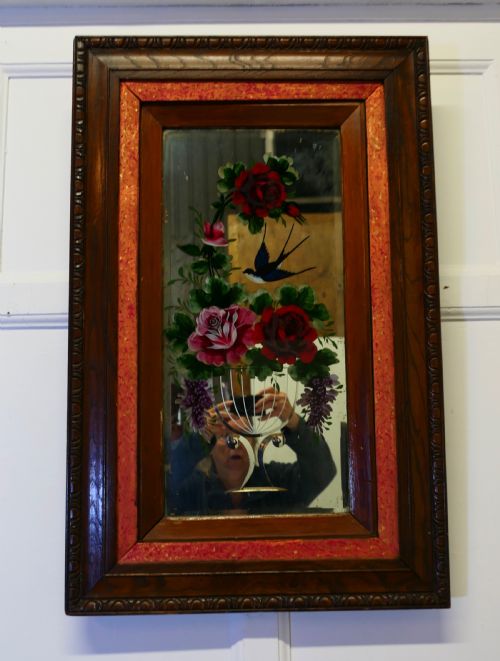


Decorative Oak Wall Mirror
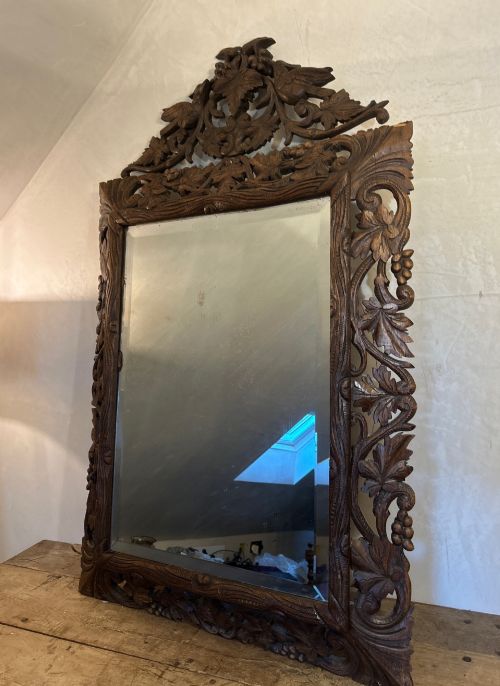
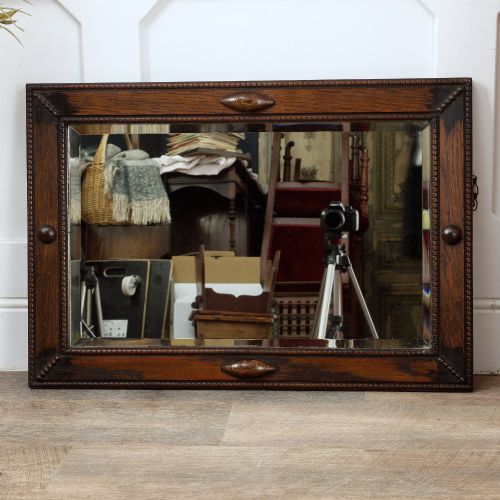
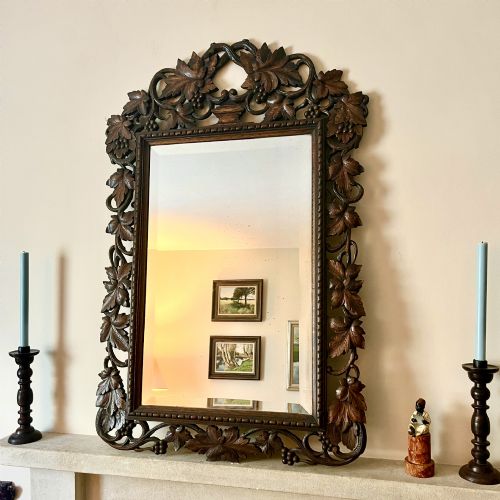
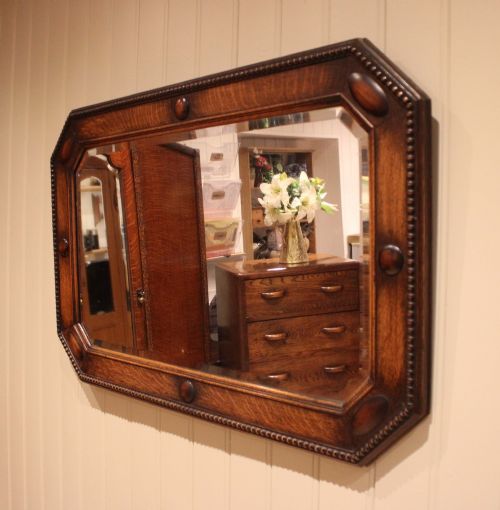
These decorative oak wall mirrors bring genuine weight and timber character to a room, ranging from simple early-century frames to heavily carved gothic revivals.
Decorative Oak Wall Mirror
A decorative oak wall mirror is a solid wooden hanging piece designed to catch the light and anchor a room's wall space. When you search for decorative oak wall mirror, you encounter pieces spanning the nineteenth century up through the nineteen-twenties, incorporating diverse regional revivals.
The versions you are most likely to meet on this page include sturdy Victorian and Edwardian examples alongside French-inspired or Gothic revival shapes. These items function equally well as practical looking-glasses and architectural wall decoration.
Makers utilised the natural grain of oak to provide texture, whether leaving the timber polished and dark or bleaching the surface for a lighter tone. The forms vary from large rectangular frames to circular and fret-cut designs.
Construction and materials
Makers built these frames using solid oak, frequently employing deep carving, fret-cutting, or inlay to create texture and visual depth. Some examples incorporate gesso and paint details alongside the primary timber.
The mirror glass itself sits within the heavy wooden rebate, sometimes accompanied by reverse painting, etching, or original antique glass plates that show age through minor foxing. Frames range from simple moulded sections to elaborate architectural pediments.
Listings feature periods from the nineteenth century through the nineteen-twenties, showcasing oak, glass, gesso, and paint materials.
Assessing quality and craftsmanship
Quality in these pieces rests upon the crispness of the hand-carving and the structural integrity of the timber joints. Finer examples display deep, deliberate chisel work rather than shallow machine milling.
The treatment of the oak surface also dictates standard, with well-preserved original patination and polished finishes holding more presence than heavy modern interventions.
The Decorative Oak Wall Mirror Glossary
- Gesso
- A plaster-like material applied to wood surfaces as a base for paint or gilding. It allows for intricate moulded details on the frame.
- Fret cut
- A woodworking technique involving pierced or cut-out patterns using a fine saw. This creates lighter, geometric silhouettes.
- Pier wall mirror
- A tall mirror designed specifically to hang on the narrow wall space between windows. These pieces often feature inlaid details.
- Reverse painted
- A technique where pigment is applied directly to the back of the glass. This creates a glossy finish visible from the front.
Decorative Oak Wall Mirror: Frequently Asked Questions
How do I hang a heavy oak wall mirror?
These timber frames carry significant weight due to the solid oak construction. Use appropriate wall fixings and anchor directly into masonry or wall studs.
Ensure the hanging wire or integrated brackets on the reverse match the load capacity to keep the piece secure.
Are the mirror plates original?
Many older pieces retain their original glass, which often displays charming foxing or minor age spots. Replacement glass does occur during restoration to improve reflection.
Examine the edges and silvering behind the glass to determine whether the plate dates alongside the frame.
How do I care for antique oak frames?
Maintain the timber by dusting regularly with a dry cloth and occasionally applying a suitable beeswax to nourish the oak. Avoid commercial liquid cleaners that strip the historic finish.
Keep the mirror away from direct heat sources and damp environments to protect both the wood and the silvered glass.
What is the difference between Victorian and Edwardian oak mirrors?
Victorian pieces tend to feature darker, heavier timber with deep Gothic or Renaissance revival carvings. They project a sense of architectural weight.
Edwardian examples often introduce lighter tones, bleached woods, or fret-cut designs that reflect a shift toward airier domestic interiors.