

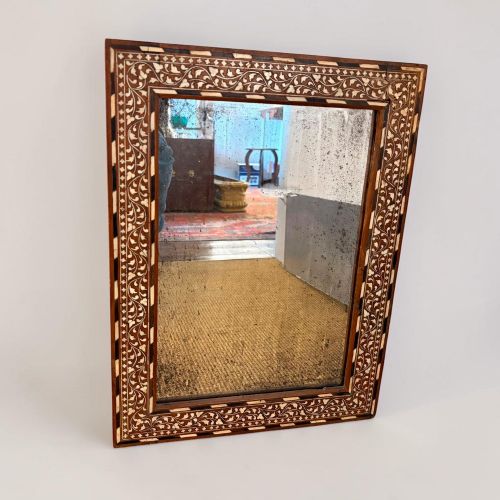
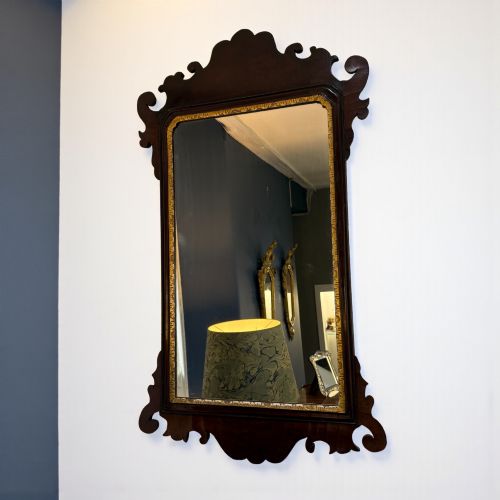
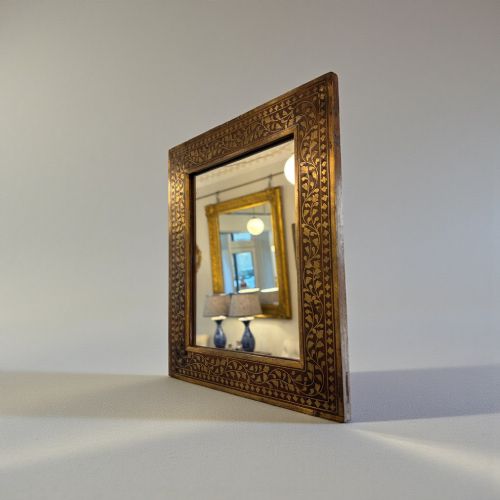
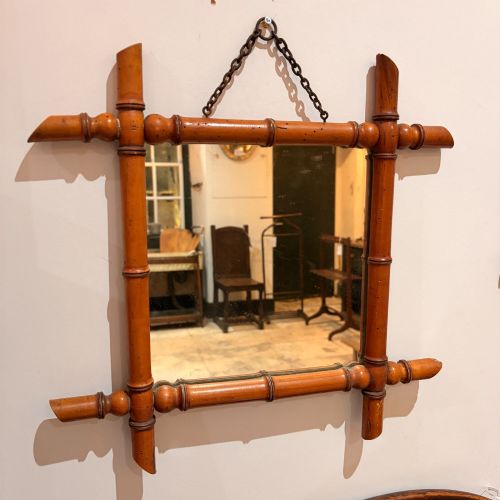
Brown Wood Framed Mirror
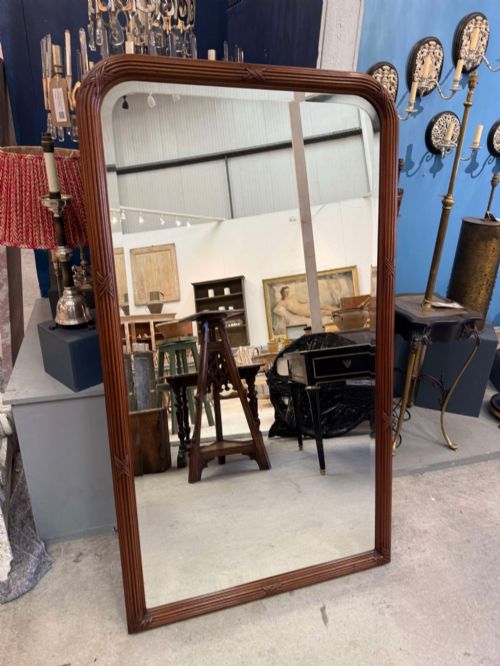
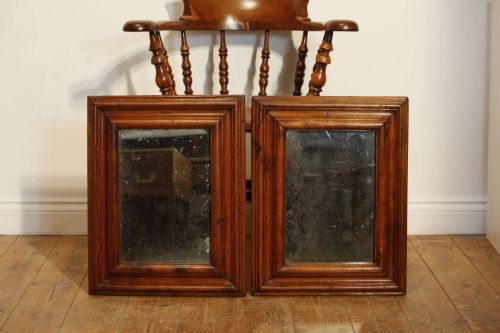
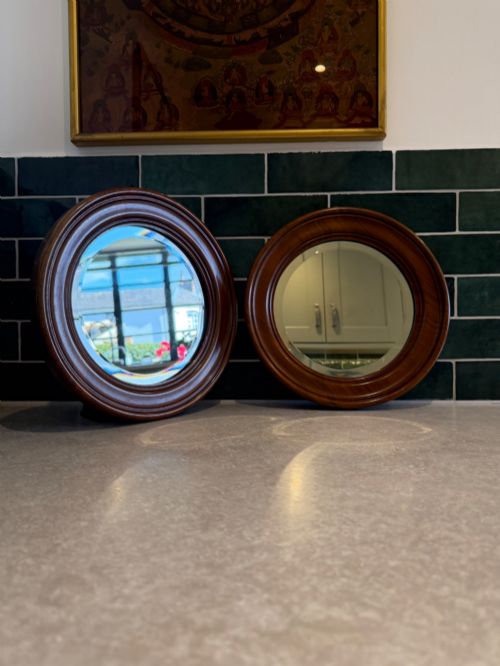
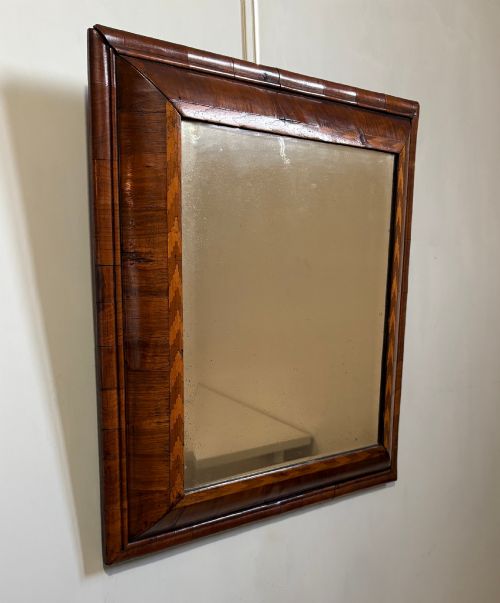
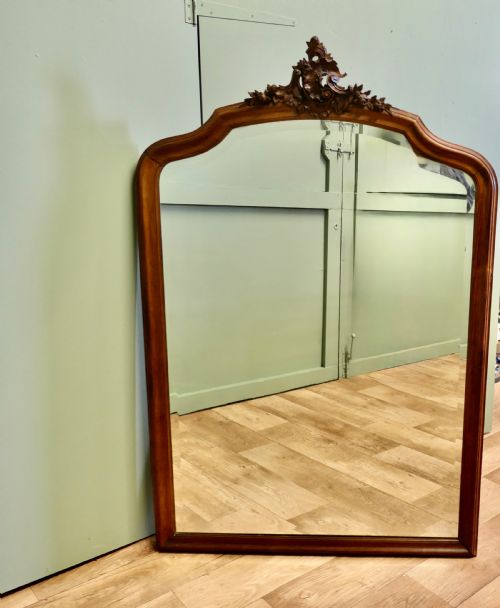
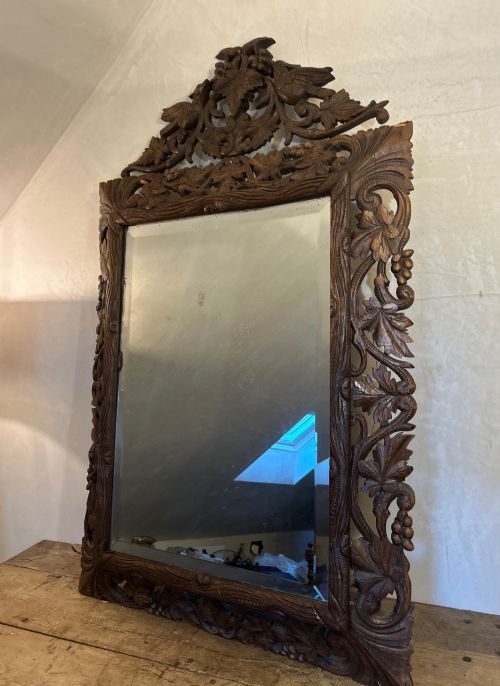
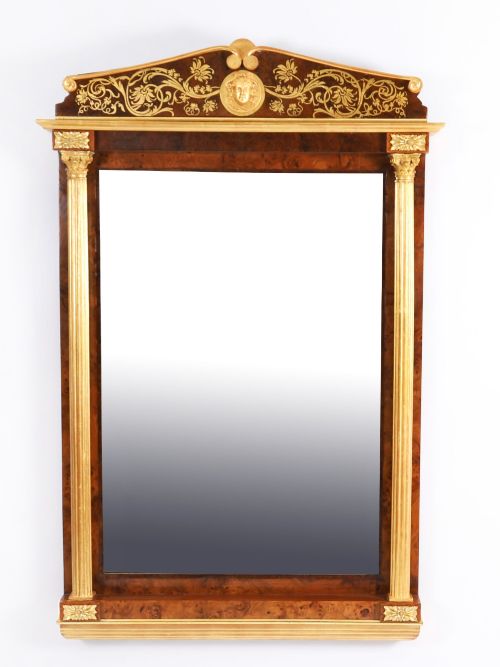
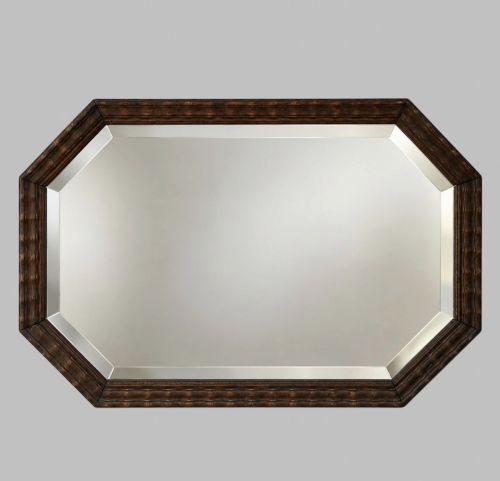
A brown wood framed mirror anchors a room with rich timber grain and period presence, bringing warmth and deep reflection to an interior.
Brown Wood Framed Mirror
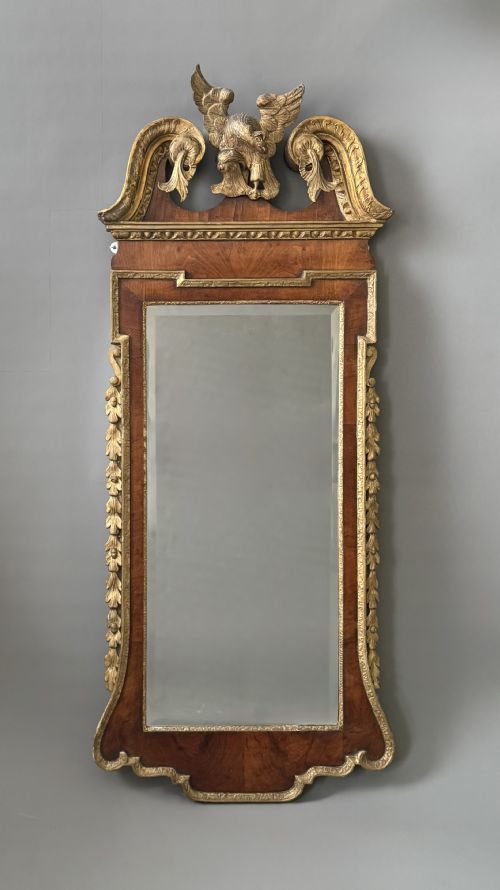
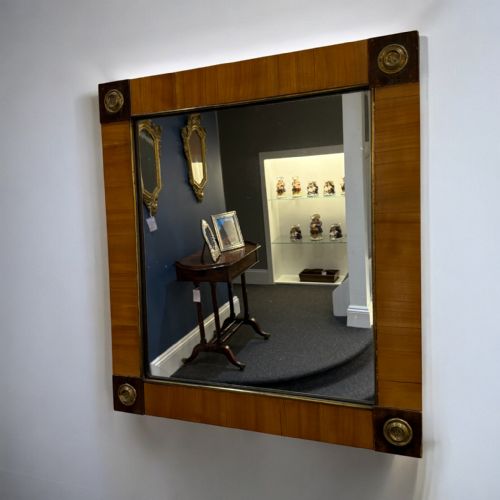
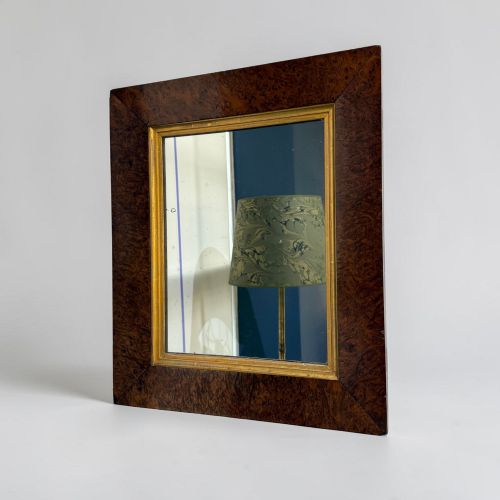
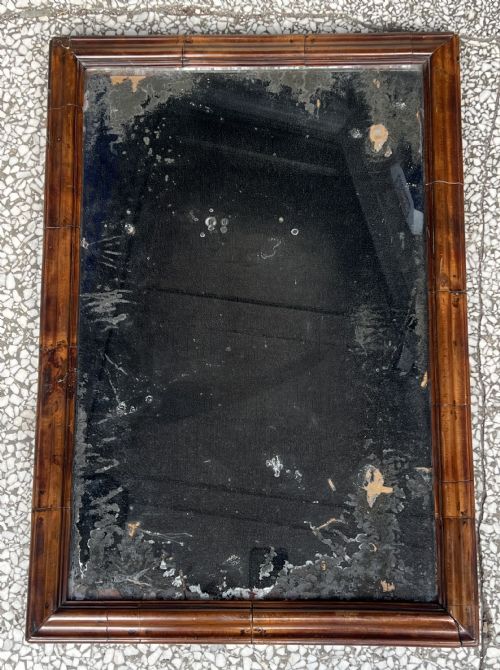
A brown wood framed mirror brings together centuries of cabinet-making traditions, offering functional reflection through timber frames shaped by past periods. When searching for a brown wood framed mirror, buyers encounter everything from modest oak wall hangings to grand mahogany overmantles and pivoting cheval glasses.
The pieces on this page span several centuries, including Georgian fretwork designs, Victorian walnut carvings, Edwardian oak fixtures, and robust pieces from the nineteenth century. Wall mirrors and large overmantle pieces dominate the selection, alongside dressing table swing mirrors and freestanding cheval forms.
Origins vary widely across these listings, encompassing English cabinet-making, French country workshops, Italian ebonised pieces, and Anglo-Indian or North Indian craftsmanship. Each piece reflects the dominant decorative taste of its era, whether through simple rectangular oak mouldings or elaborate parcel gilt walnut curves.
Construction and materials
Makers utilised dense timbers such as mahogany, oak, walnut, and yew, often selecting burr veneers for striking grain patterns on prominent surfaces. Frames were constructed using traditional joinery methods, sometimes enhanced with parcel gilt highlights, marquetry inlay, or carved foliage.
Glass panels were hand-bevelled or silvered, fitted into rebated frames and secured with wooden backs. Specialised techniques like faux bamboo turning, ebonising, and tramp art corkwork also appear among these timber constructions.
Brown Wood Framed Mirror Retail Price Guide 2026
Typical asking prices for brown wood framed mirror among the pieces listed under this phrase on Sellingantiques today, from the lower quarter to the upper quarter. They describe what is for sale here now, not the wider market.
Judging quality and character
Quality rests in the crispness of the timber carving, the depth of the wood grain, and the harmony of the proportions. A superior frame displays thoughtful timber selection, such as matching burr walnut or figured Cuban mahogany, rather than plain secondary woods.
The integrity of the plate glass and the preservation of original parcel gilt work or backboards elevate a piece significantly. Hand-carved details show the hand of a skilled maker, distinguishing restrained elegance from later, heavier reproductions.
Waring and Gillow·P and MA Nicholson
The Brown Wood Framed Mirror Glossary
- Overmantle mirror
- A large mirror designed to sit directly upon the mantelpiece above a fireplace. These frequently span significant widths to anchor the room's primary hearth.
- Cheval mirror
- A freestanding full-length mirror mounted on a vertical frame with pivots that allow the glass to tilt. They typically stand on four feet or scrolling supports.
- Pier mirror
- A tall, narrow mirror designed specifically to hang on the narrow pier of wall space between two windows. They often complement console tables positioned directly beneath them.
- Trumeau mirror
- An interior decorative mirror featuring a painted panel or oil painting integrated into the upper section of the wooden frame. This French form originated in grand domestic interiors.
- Parcel gilt
- Woodwork partially decorated with thin sheets of gold leaf to highlight specific carved details. It creates a striking contrast against dark timbers like walnut or mahogany.
- Fret mirror
- A wall mirror featuring a flat wooden frame cut with intricate fretwork patterns, common during the Georgian period. The silhouette often incorporates scrolling ears and a shaped crest.
Brown Wood Framed Mirror: Frequently Asked Questions
Where should I hang a large overmantle mirror?
An overmantle mirror belongs directly above a fireplace mantel, where it reflects light and anchors the principal reception room.
Ensure the wall fixings can support the substantial weight of timber and glass before mounting it securely.
How do I care for antique wood frames?
Dust the timber gently with a dry, soft cloth and avoid chemical sprays that damage aged polish or wax finishes.
Keep wooden frames away from direct sunlight and damp conditions to prevent the timber from splitting or warping.
What is a cheval mirror used for?
A cheval mirror provides a full-length reflection for dressing and was traditionally placed in bedrooms or dressing rooms.
The pivoting frame allows the user to adjust the angle of the glass as needed.
How do I date an antique wood mirror?
Examine the timber species, the style of carving, the construction of the backboards, and the bevelling or silvering of the glass.
Georgian pieces often feature fine fretwork and walnut, while Victorian examples lean towards heavier oak and elaborate mouldings.