


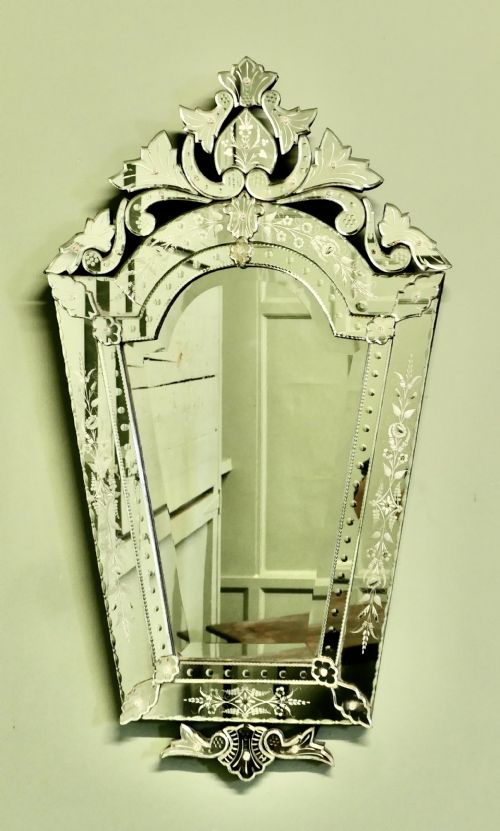
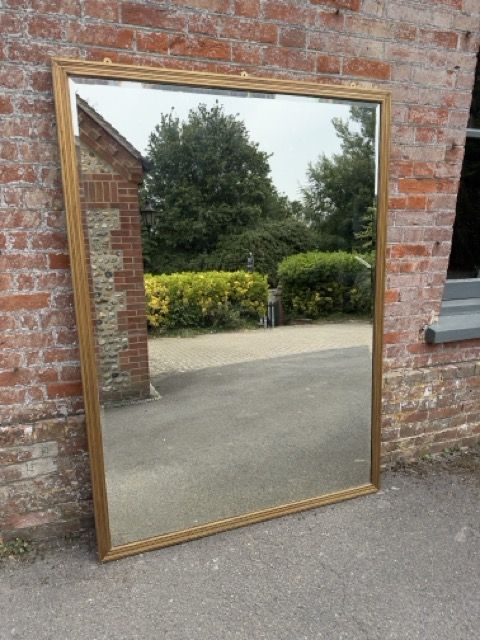
Vintage Hallway Wall Mirror
A vintage hallway wall mirror brings light and proportion to a narrow entrance, ranging from simple oak frames to carved giltwood.
Vintage Hallway Wall Mirror
When searching for a vintage hallway wall mirror, a buyer finds a practical piece designed to hang in an entrance or reception space, often incorporating wood frames or integrated hooks.
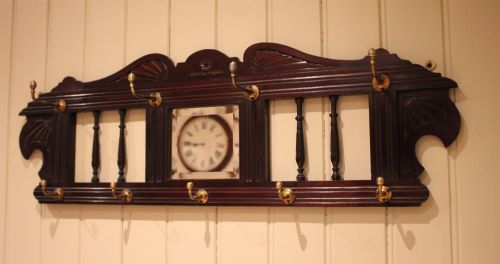
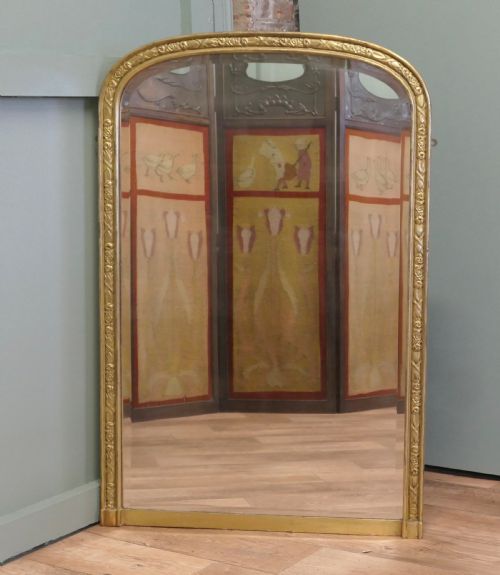
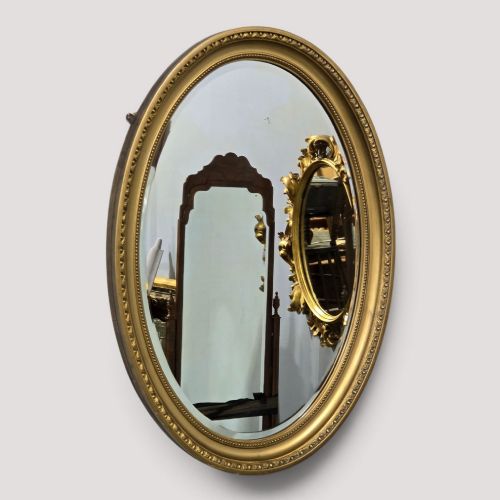
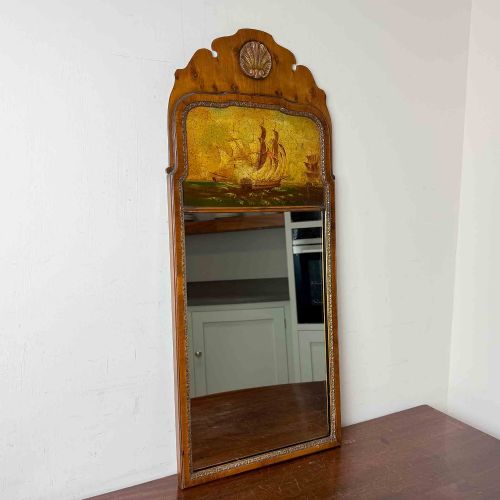
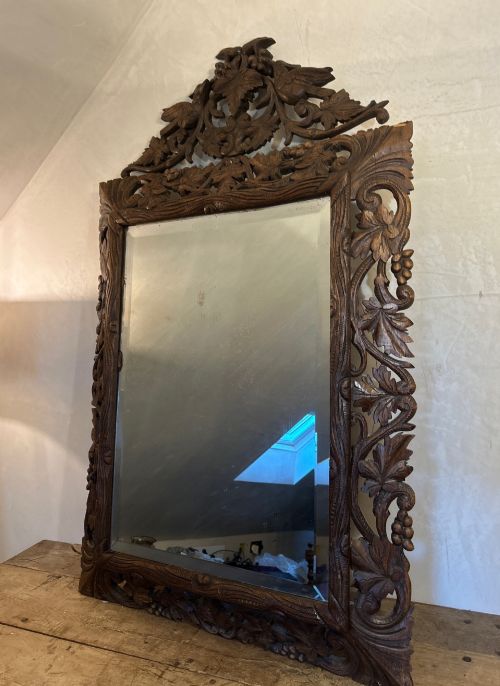
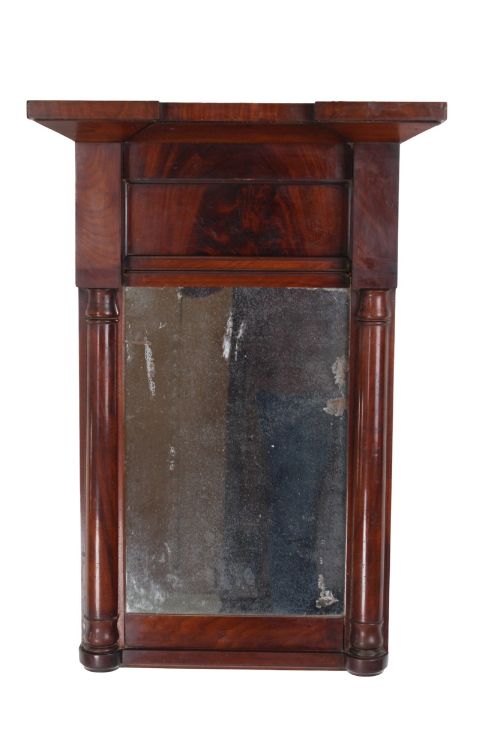
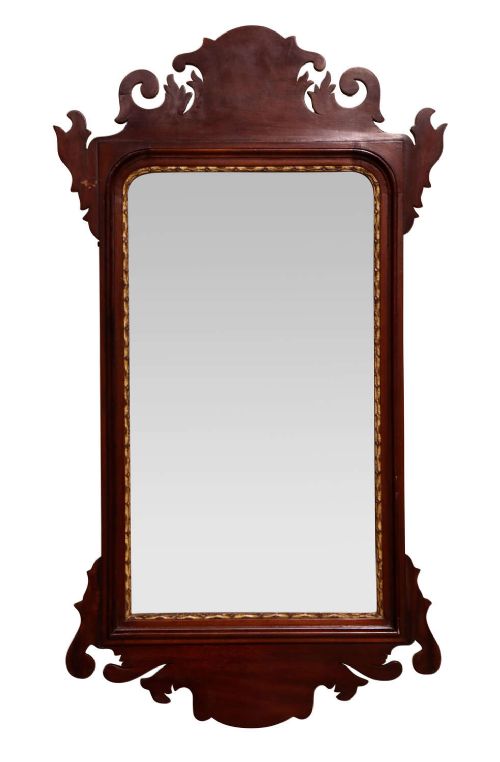
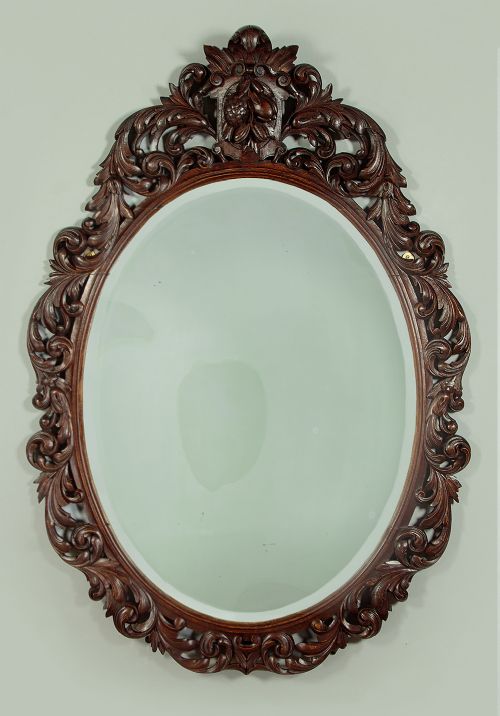
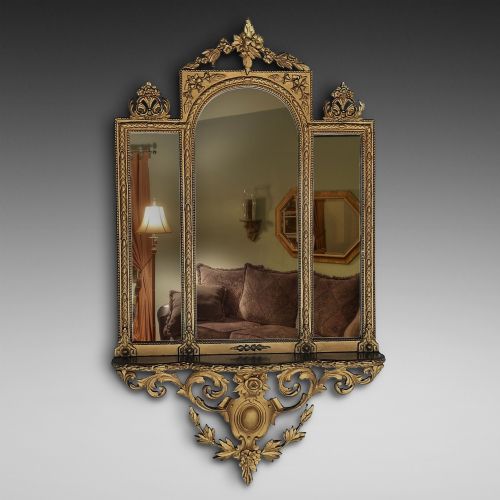
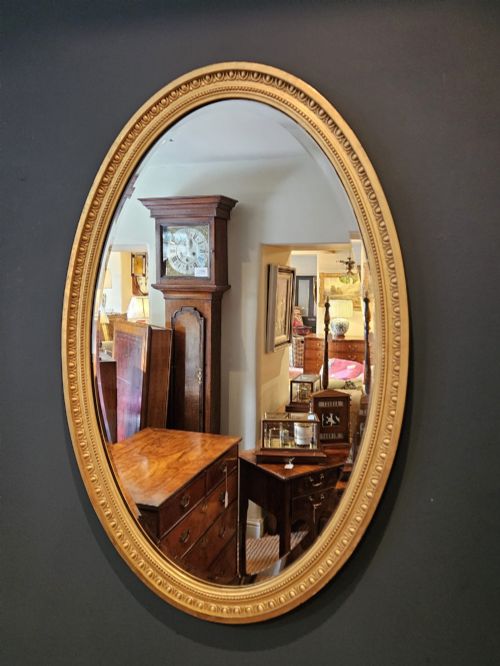
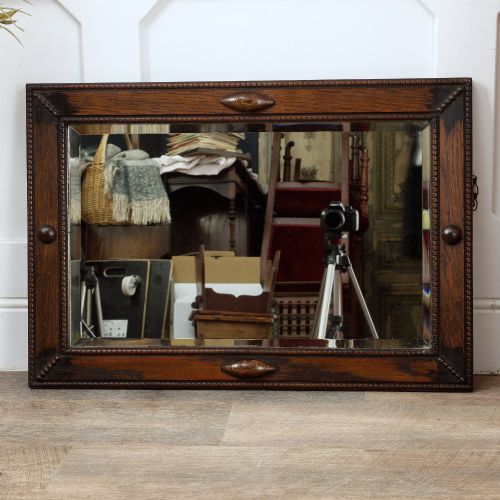
The pieces appearing on this page span the nineteenth century through the early twentieth century, taking forms such as oval wall mirrors, rectangular oak designs, and coat racks combined with glass.
Originating from English, French, and Italian workshops, these items utilise materials like mahogany, oak, and walnut, frequently reflecting Victorian, Edwardian, or Art Deco styles.
How they were made
Cabinetmakers constructed these frames using solid hardwoods like mahogany and oak, alongside softer woods coated in gesso for intricate moulded ornamentation.
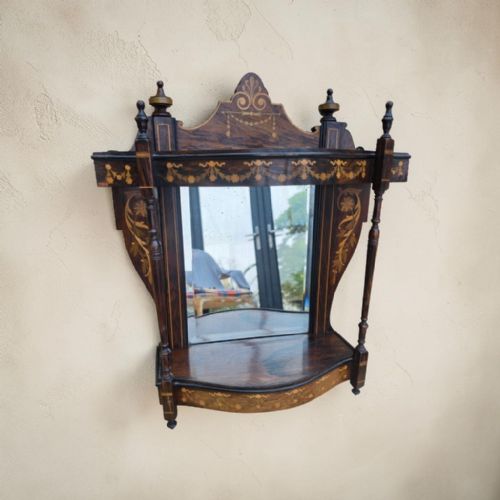
Giltwood versions relied on layers of gold leaf applied over prepared grounds, while other pieces utilised veneer work and inlay to create surface pattern.
Glass plates were hand-silvered and sometimes bevelled at the edges to catch the light within a modest hallway.
Several examples double as functional cloakroom furniture, combining a viewing glass with brass pegs for hanging hats.
What varies in quality
The distinction between standard and superior examples lies in the depth and crispness of the hand-carving on the timber or gesso frames.
Higher quality pieces demonstrate tight joinery, carefully selected timber grains such as figured mahogany or quarter-sawn oak, and original mercury or thick silvered glass plates.
Secondary details, such as brass coat hooks or inlaid stringing, show finer metalwork and precise hand-fitting on the better specimens.
The Vintage Hallway Wall Mirror Glossary
- Gesso
- A plaster-like mixture applied to wood frames as a base for gilding or painting. It is moulded into decorative relief patterns before finishing.
- Pier mirror
- A tall, narrow mirror traditionally hung on the pier of wall between two windows. In hallways, these serve a similar space-saving function.
- Giltwood
- Timber carved and coated with gold leaf. This finish reflects natural daylight into dark entrance spaces.
- Bevel-edged glass
- A glass plate with an angled, ground perimeter. This technique creates a prismatic light effect around the edges.
- Fretwork
- Thin wood panels cut with a fretsaw into decorative openwork designs. It appears frequently on Georgian revival and Victorian frames.
Vintage Hallway Wall Mirror: Frequently Asked Questions
How do I hang a heavy antique mirror?
Heavy framed mirrors require secure fixings screwed directly into wall studs or heavy-duty wall anchors suited to plaster and brick.
Using a sturdy brass wire or strap hangers rated for the weight ensures the piece remains balanced and safe in a busy hallway.
Where should I place a hallway mirror?
Position the glass perpendicular to the main light source from a door or window to maximise the reflection of natural daylight.
Hanging the mirror at eye level ensures it functions practically for checking appearance before leaving the house.
How do I clean old mirror glass?
Wipe the glass gently with a soft microfiber cloth and a mild solution of vinegar and water, avoiding harsh chemical sprays.
Keep moisture away from the edges of the glass where the silver backing meets the frame to prevent deterioration.
Are these mirrors suitable for small hallways?
Compact oval and rectangular designs fit narrow wall spaces without dominating the entranceway.
Pieces incorporating shelves or coat hooks combine multiple hallway functions into a single wall-mounted unit.