
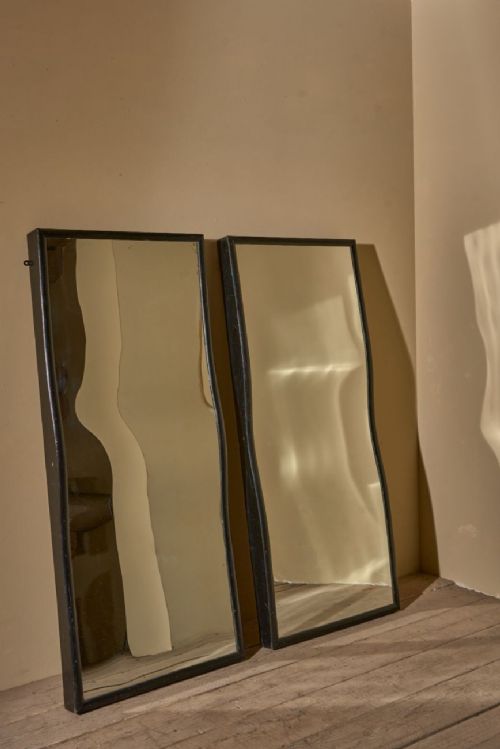
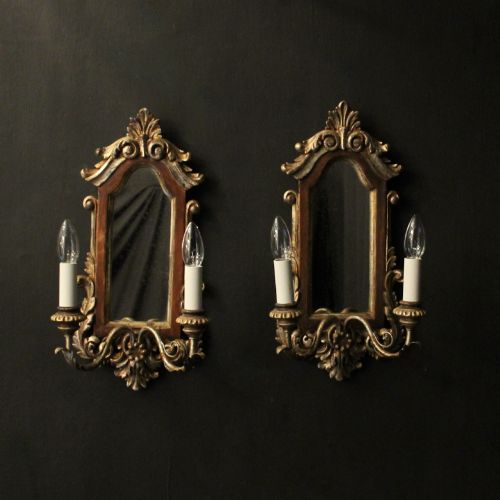
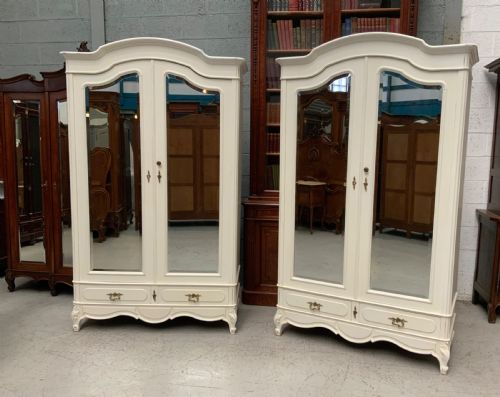
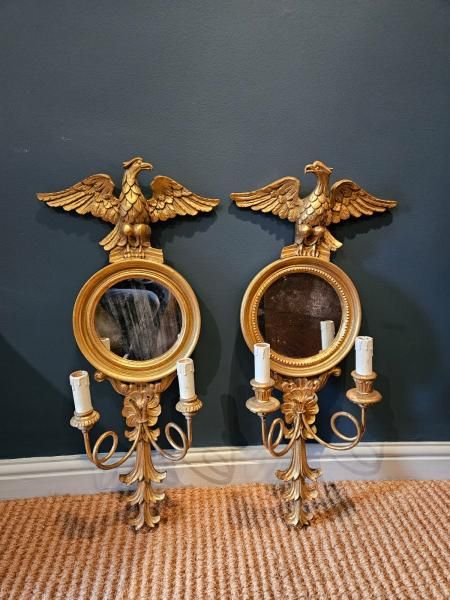



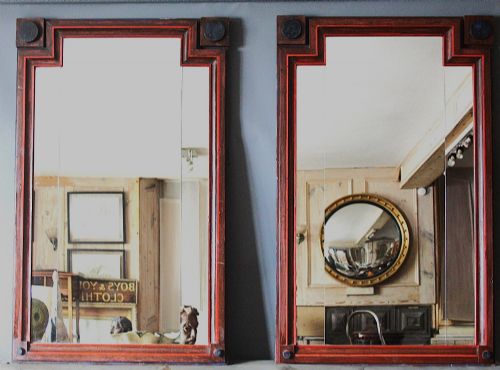


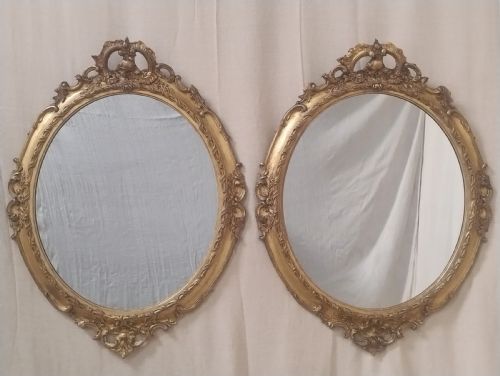
Pair of Vintage Mirrors
These pair of vintage mirrors bring reflective light and symmetry to a room, spanning styles from French Rococo to Art Deco.
Pair of Vintage Mirrors
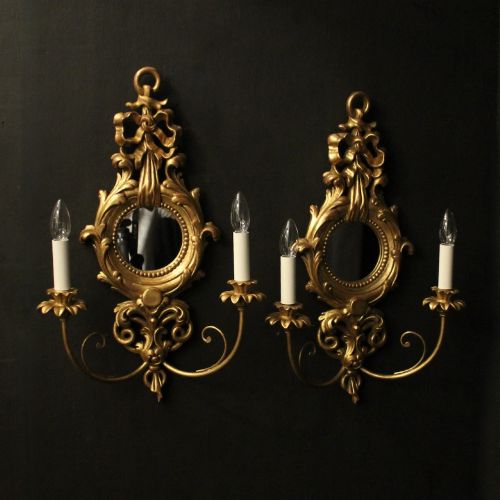
A pair of vintage mirrors serves as matching decor elements, frequently taking the form of wall mirrors, girandoles with candle arms, and wall sconces. Buyers seeking these items encounter a diverse selection originating from the nineteenth century through the 1930s.
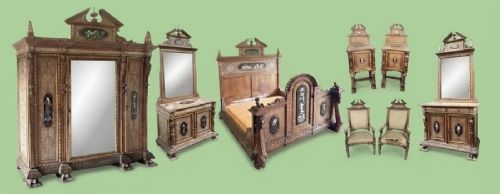
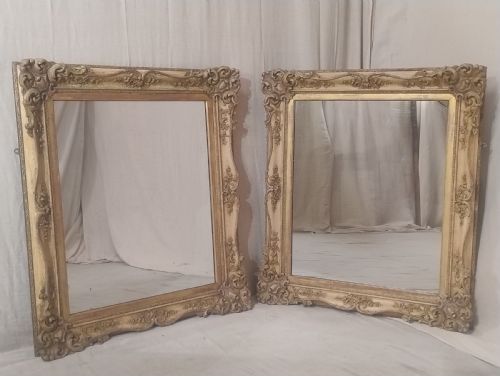
The inventory on this page shows pieces created in various aesthetic traditions, including Victorian, Edwardian, and Art Deco designs. Common configurations include oval frames, giltwood carvings, and mirrored side tables or wardrobes.
Geographic origins vary widely across the selection, featuring English, French, and North Indian pieces. Buyers often find specialised items such as fairground fun house mirrors, pier mirrors, and brass inlaid frames from Hoshiarpur.
How They Were Made
Craftsmen utilised traditional materials such as giltwood, gesso, brass, cast iron, and walnut to build and ornament these frames. Water gilding was applied to wood surfaces to create a lustrous metallic finish.
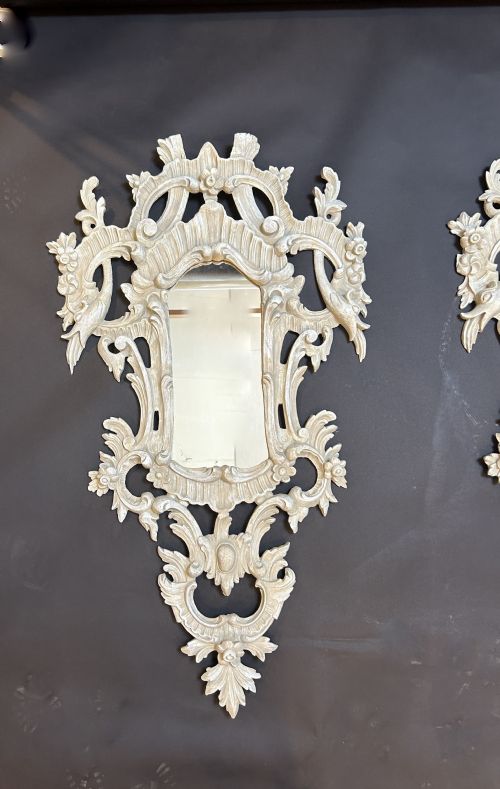
Glass elements include bevelled mirror glass and mercury mirrored glass set into hand-carved or cast structures. Some items feature simulated wood finishes or intricate brass inlay work embedded directly into the wooden framework.
Listings feature items from the 1850s, Victorian era, and the 1930s Art Deco period.
What Varies In Quality
The standard of craftsmanship shows in the depth and precision of the carved details on the wooden or giltwood frames. Finishes range from simple simulated wood to meticulous water gilding that preserves the underlying texture.
Originality of components, such as bevelled glass panels and period fittings, distinguishes pieces that retain their authentic character. The complexity of the design, from plain nineteenth-century frames to ornate Florentine girandoles, dictates the level of artisan skill involved.
Waring & Gillows·Lamb of Manchester
The Pair of Vintage Mirrors Glossary
- Girandole
- A decorative wall mirror that incorporates one or more candle branches or sconces attached to the frame. These fixtures were designed to reflect candlelight across a room.
- Giltwood
- Wood that has been coated with a thin layer of gold leaf or gilt powder. This material is frequently found on ornate antique frames.
- Gesso
- A plaster-like mixture applied to wood surfaces to create a smooth base for gilding and carving. It allows artisans to sculpt intricate relief decorations.
- Pier Mirror
- A tall mirror designed specifically to hang on the wall space between two windows. They often match console tables positioned directly beneath them.
- Bevelled Glass
- Glass with an edge that has been cut and polished to an angle thinner than the rest of the pane. This technique creates a prismatic light effect around the perimeter.
Pair of Vintage Mirrors: Frequently Asked Questions
How do I style a pair of matching mirrors?
Hanging a matching pair of mirrors side by side creates a sense of symmetry and expands the visual space of a smaller room. They work effectively above a sideboard, a mantelpiece, or flanking a large doorway.
Alternatively, placing them on opposite walls can bounce light back and forth, brightening darker corners. Ensure the hanging height aligns with the eye level of the room's occupants for the best visual balance.
What is the difference between a pier mirror and a wall mirror?
A pier mirror is specifically proportioned to fit the narrow wall space, known as a pier, situated between two windows. These pieces are traditionally tall and narrow to maximise light reflection in dim architectural spaces.
Standard wall mirrors come in a wider variety of shapes, including round, oval, and landscape orientations. They are built for general placement across any open wall rather than specific architectural gaps.
How do I identify an Art Deco mirror?
Art Deco mirrors typically feature geometric forms, stepped outlines, and clean architectural lines that contrast with the curved ornamentation of earlier Victorian and Edwardian styles. Materials often include mirrored glass panels with subtle etching or segmented designs.
These pieces usually date from the 1920s and 1930s, embracing modern industrial aesthetics and streamlined symmetry. The frames are often minimal or constructed entirely of angled mirror segments.
Were girandoles used for lighting?
Girandoles served as functional lighting devices by combining a reflective mirror backplate with integrated candle arms or sconces. The polished glass and giltwood frames amplified the dim light provided by candles in historic interiors.
Over time, many of these pieces lost their original candle function or were later adapted for electrical wiring. Today, they remain valued for their decorative illumination and ornate sculptural frames.