



Dutch Wall Mirror
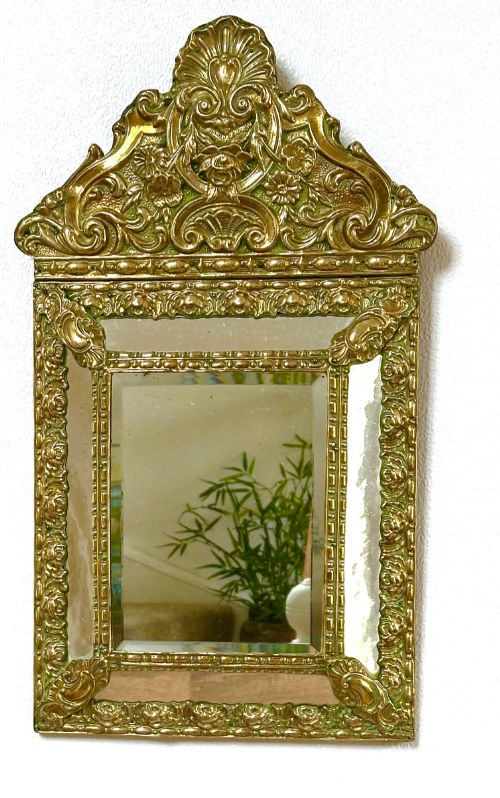
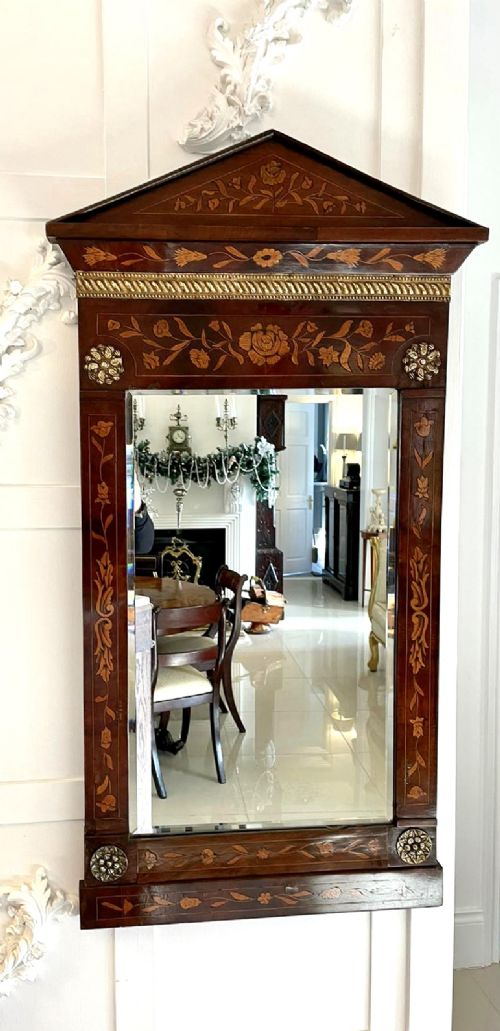
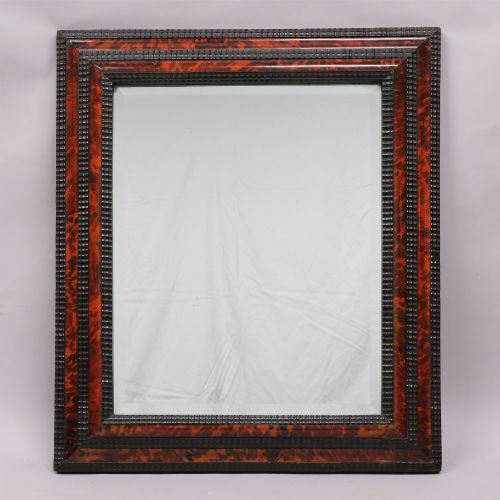
These dutch antique wall mirror examples bring heavy marquetry, ripple frames and repousse brasswork to a room with genuine presence.
Dutch Wall Mirror
A dutch antique wall mirror brings together distinct regional forms spanning the eighteenth and nineteenth centuries, taking the shape of cushion frames, pier glasses, and hanging wall mirrors. These pieces emerge in styles including Flemish Renaissance Revival, Dutch Baroque, and Dutch Marquetry, often drawing on continental influences.
Buyers frequently meet pieces framed in embossed or repousse brass, alongside rich fruitwood, walnut, and mahogany inlaid with elaborate marquetry. The selection ranges from compact hallway valet mirrors to large nineteenth-century cushion framed mirrors designed to catch the light.
Origins vary across the centuries, incorporating Georgian craftsmanship alongside Victorian revivals that echo earlier Dutch Baroque styles. Each variant displays characteristic depth in the frame construction, whether through ebonised wood or tortoiseshell ripple mouldings.
Materials and construction methods
Makers built these frames using dense hardwoods such as mahogany, walnut, and fruitwood, often applying intricate floral marquetry veneers across the surface. Ebonised wood and tortoiseshell provided contrasting dark tones, frequently shaped into tight ripple patterns around the glass.
Brass work played a central role, utilising embossed and repousse techniques to hammer detailed motifs into the metal cladding of cushion frames. Artisans mounted these heavy brass panels onto wooden carcasses to create deep, reflective borders.
Glass plates were bevelled or flat depending on the period, set securely into rebated wooden frames behind traditional backing boards. The integration of painted details on pier mirrors added another layer of decorative execution.
Dutch Wall Mirror Retail Price Guide 2026
Typical asking prices for dutch wall mirror among the pieces listed under this phrase on Sellingantiques today, from the lower quarter to the upper quarter. They describe what is for sale here now, not the wider market.
Tortoiseshell ripple frames demand absolute patience from makers, who turned tiny undulating waves by hand to catch the flickering candlelight.
Assessing quality in framing and inlay
The sophistication of the marquetry separates standard items from finer examples, judged by the precision of the floral inlays and the variety of contrasting woods used. Finer pieces maintain crisp edges along the botanical motifs without lifting veneers.
Brass elements reveal quality through the depth and clarity of the repousse hammering, where skilled hand-work produces sharp relief rather than flat stamping. The weight and structural integrity of the underlying wooden frame support these heavy metal mounts.
Condition of the original ripple moulding and tortoiseshell veneers dictates desirability, as these delicate wooden elements demand exacting restoration when damaged. The clarity of the glass and the retention of original backboards complete the assessment.
The Dutch Wall Mirror Glossary
- Marquetry
- Decorative veneer work arranged in intricate patterns using various coloured woods. This technique defines the surface of many eighteenth-century examples.
- Repousse
- Metalworking technique where a design is hammered into relief from the reverse side. It creates the characteristic raised ornamentation on brass frames.
- Cushion frame
- A convex, swelling frame profile that projects outward toward the glass. This shape maximises the surface area for brass cladding or wood grain.
- Ripple frame
- A moulding carved or moulded into concentric undulating waves. It creates a dark, textural border popular in seventeenth and nineteenth-century designs.
- Pier glass
- A tall mirror specifically designed to hang on the wall between windows. These pieces often feature painted elements or elaborate crestings.
Dutch Wall Mirror: Frequently Asked Questions
How do I clean brass frames?
Dust the embossed brass gently with a soft dry brush to remove surface particles without disturbing the patina. Avoid harsh chemical polishes that strip away the aged character accumulated over the centuries.
Test any gentle cleaning solution on a small hidden area first if grime is heavy. Maintaining a careful approach preserves the original repousse detailing.
Are these mirrors heavy to hang?
Many examples carry substantial weight due to dense hardwood carcasses, thick brass cladding, and heavy glass plates. Secure wall fixings into solid masonry or stud work are essential for safe placement.
Check the integrity of the hanging loops on the reverse before mounting. Professional installation provides peace of mind for larger cushion framed pieces.
What distinguishes Victorian revivals from 18th century originals?
Eighteenth-century examples often display hand-cut marquetry and distinct construction methods appropriate to the Georgian period. Victorian revivals incorporate later mechanical techniques while closely copying earlier Dutch Baroque styles.
Examining the backboards, fixings, and wood ageing helps clarify the actual period of manufacture. Both eras hold distinct decorative value for modern interiors.
Where should I place a pier mirror?
Traditionally hung in the narrow wall space between two windows to reflect natural light deeper into a room. Their tall proportions also suit narrow hallways and reception spaces.
Ensure the hanging height allows viewers to see comfortably without obstruction. Pairing the mirror with a small console table completes the classic arrangement.