
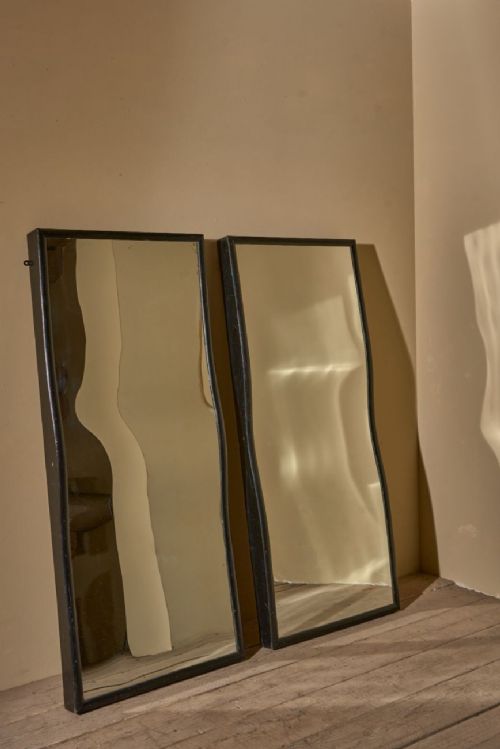
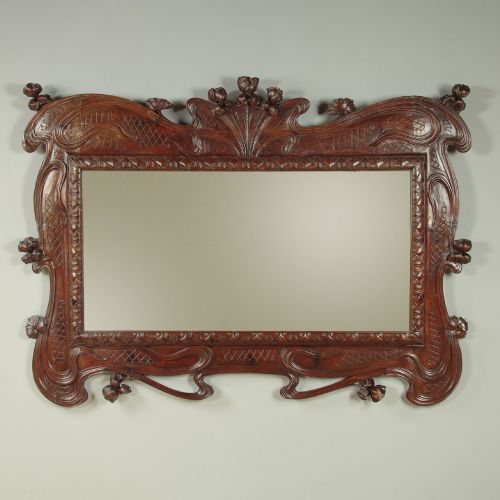

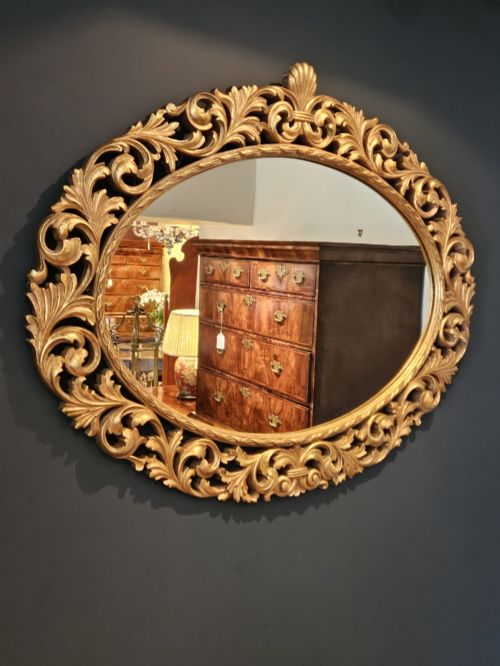
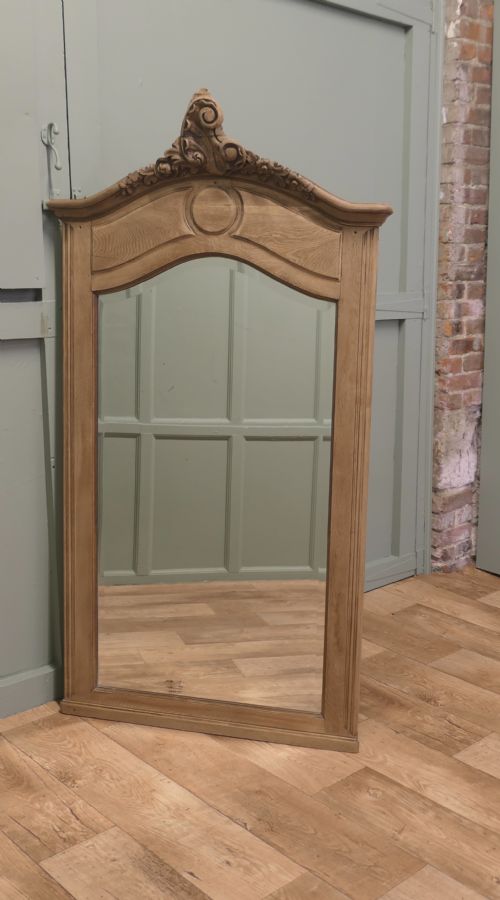
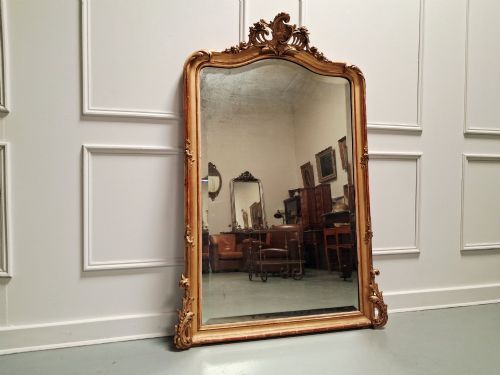
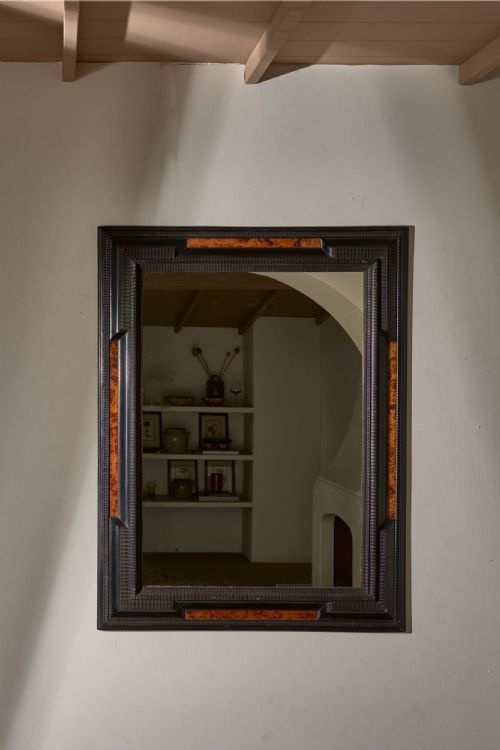
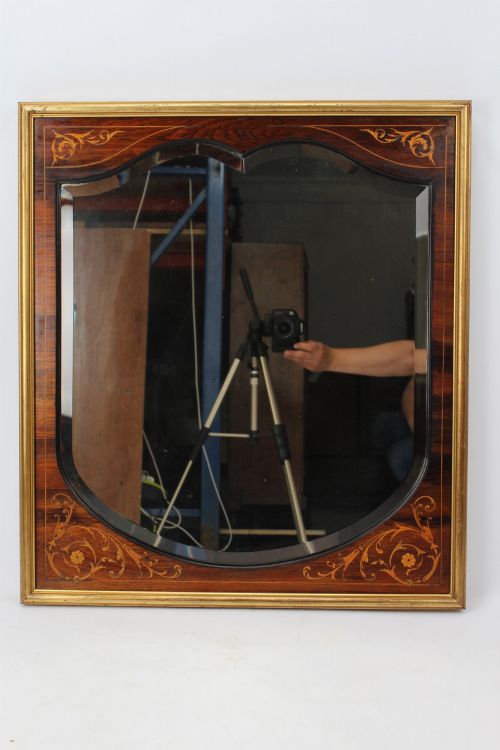
Antique Timber Wall Mirror
An antique timber wall mirror brings warmth and reflection to a room, grounding your interior with decades of honest craftsmanship.
Antique Timber Wall Mirror
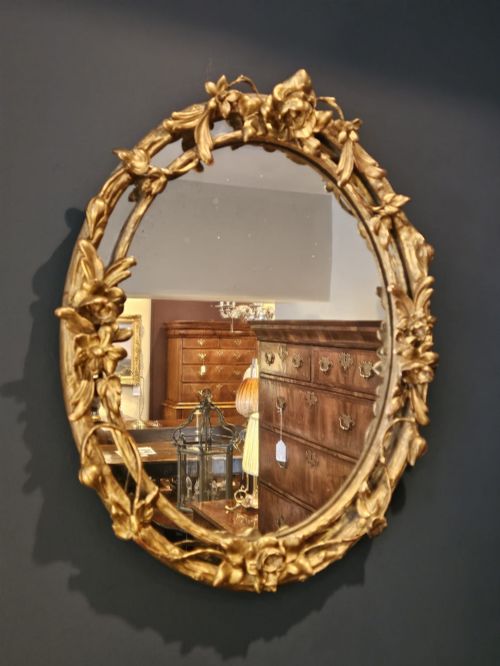
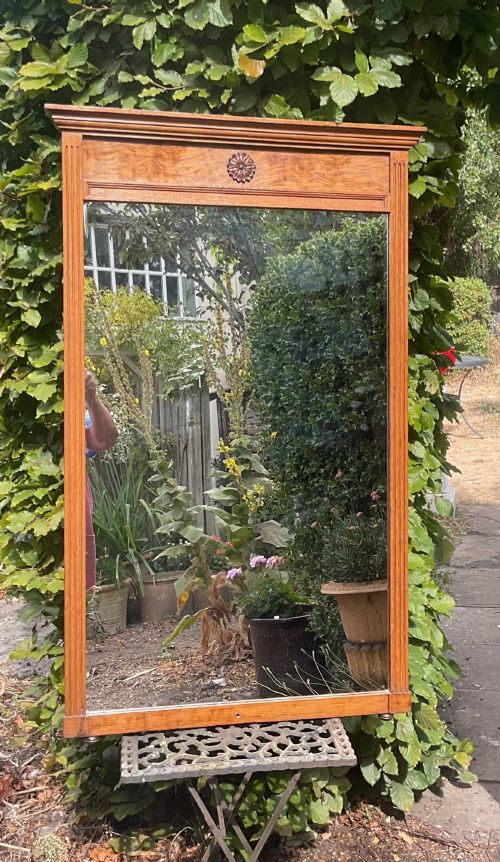
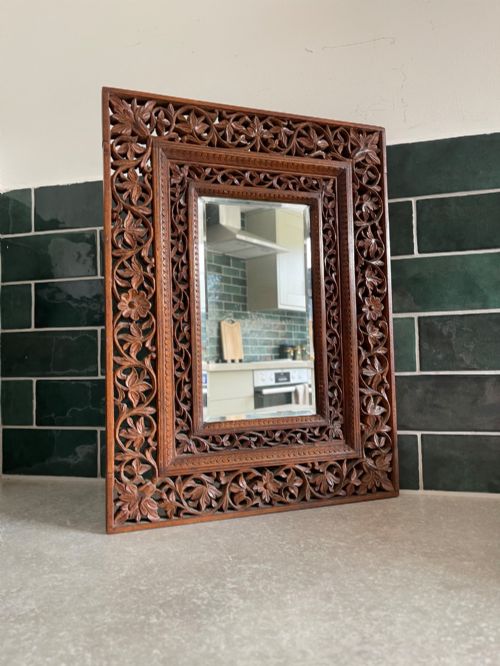
An antique timber wall mirror serves both a practical and decorative function in domestic interiors. When searching for an antique timber wall mirror, buyers encounter a diverse array of domestic and decorative hanging looking glasses.
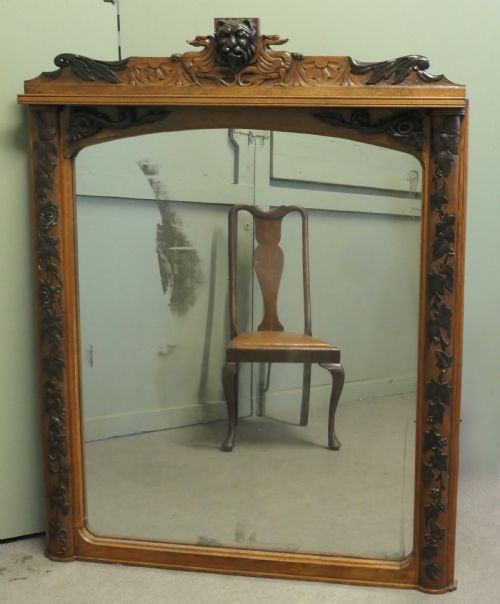
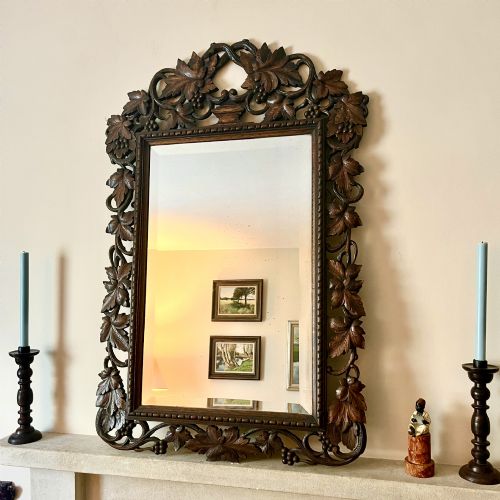
The selection ranges from robust oak and walnut frames dating to the nineteenth century up to later Edwardian and Art Deco examples. Many pieces display regional stylistic traits, including French Provincial, Black Forest, and Victorian aesthetics.
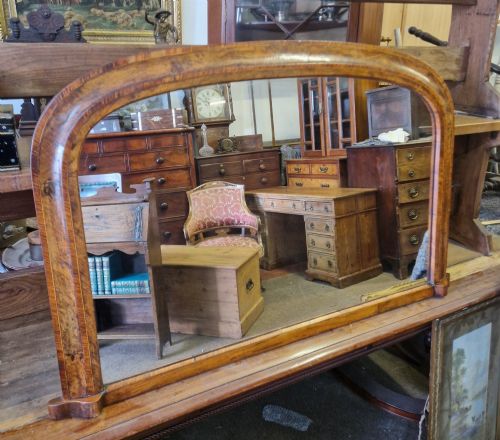
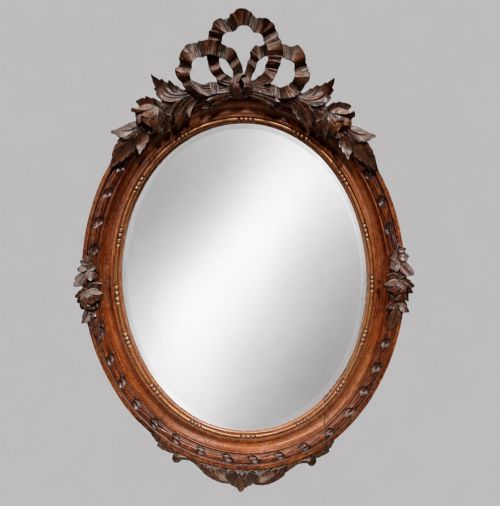
Overmantel mirrors and large oval formats appear frequently alongside simpler rectangular shapes. These objects originate from various periods including the Victorian era, the early twentieth century, and earlier Georgian decades.
Assessing craftsmanship
The depth and precision of hand carving separate standard commercial frames from exceptional artisan pieces. Relief work depicting natural subjects like birds of prey or foliage demonstrates the skill of the original woodcarver.
The integrity of the timber frame and the originality of the mirror glass dictate the overall standard of the object. Weight, timber selection, and the complexity of joinery distinguish robust structural construction from lighter decorative items.
Listings feature timber varieties including oak, walnut, limewood, and maple, paired with decorative finishes of giltwood, gesso, and ebonised wood across multiple centuries.
The Antique Timber Wall Mirror Glossary
- Gesso
- A plaster-based mixture applied to wood frames to provide a smooth surface for gilding. It accepts fine detail work during the moulding process.
- Giltwood
- Timber coated with a thin layer of gold leaf over a prepared base. This treatment adds a bright reflective finish to ornate frames.
- Overmantel mirror
- A large horizontal looking glass designed specifically to hang above a fireplace mantelpiece. These pieces often anchor the proportions of a reception room.
- Cushion frame
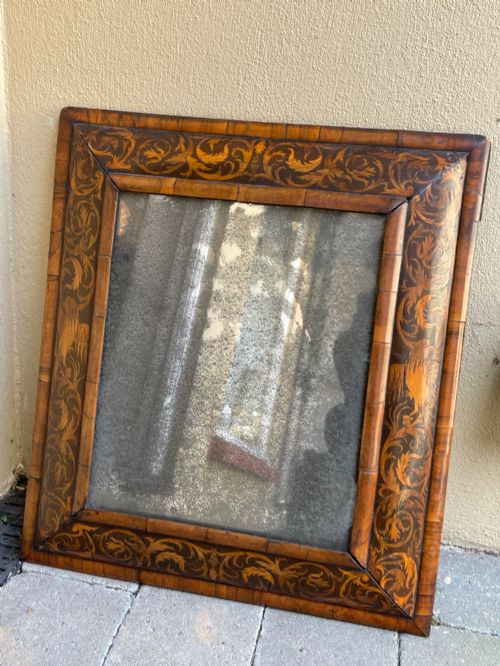
- A convex or gently rounded moulding profile that swells outward toward the outer edge. This style appears frequently on seventeenth and eighteenth-century walnut examples.
- Black Forest
- A regional woodcarving style originating from central Europe, characterised by deeply carved naturalistic motifs. Animals, birds, and forest foliage dominate these designs.
Antique Timber Wall Mirror: Frequently Asked Questions
How do I hang a heavy antique timber mirror?
Heavy antique mirrors require secure wall fixings anchored directly into structural studs or masonry using appropriate brackets. Professional hanging hardware ensures the substantial weight of timber and glass distributes safely.
Avoid relying solely on decorative plaster or lightweight picture hooks. Distributing the load prevents strain on the original wooden frame joints.
Are antique mirror plates usually original?
Many antique mirrors retain their original glass plates, which often display characteristic foxing, minor pitting, or soft distortion. These natural signs of age confirm the long history of the object.
Replacement glass appears in some pieces where the original plate suffered breakage over time. Examining the silvering on the reverse helps determine the age of the glass.
How do I clean an antique wooden frame?
Dust timber frames gently with a dry, soft cloth to remove surface particles without disturbing the finish. Avoid commercial chemical sprays or excessive moisture which can damage aged wood and gilt surfaces.
Wax polish suited for antique furniture can nourish dry timber when applied sparingly. Buff the surface lightly after application to maintain a natural sheen.
What rooms suit an overmantel mirror best?
Overmantel mirrors work effectively above living room fireplaces, grand hallways, or low dining sideboards. Their generous proportions reflect natural light and create a sense of expanded space within a room.
Matching the scale of the mirror to the surrounding furniture ensures balanced interior proportions. Positioning the piece opposite a window maximises incoming daylight.