





Baroque Gilt Mirror
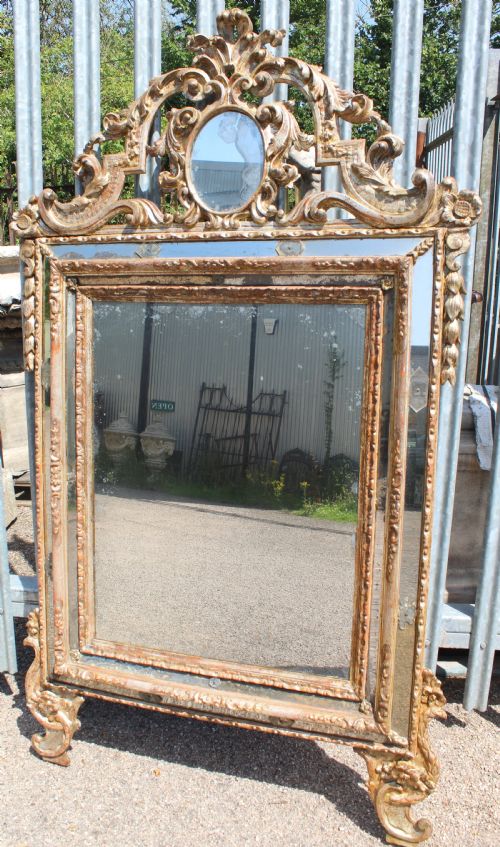
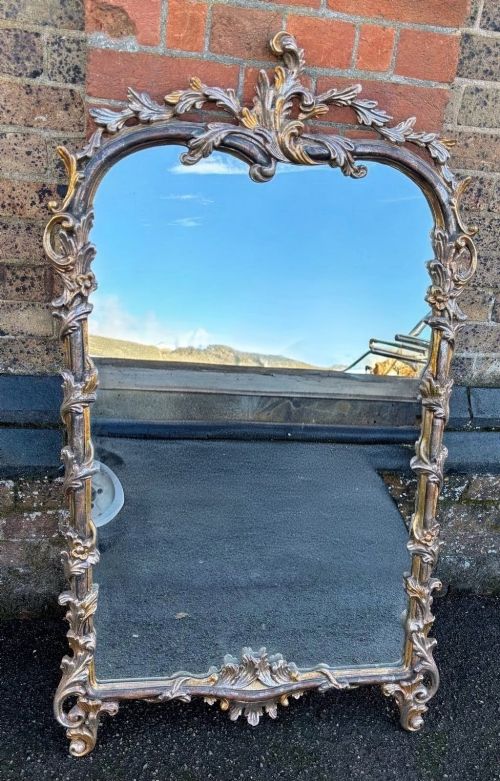
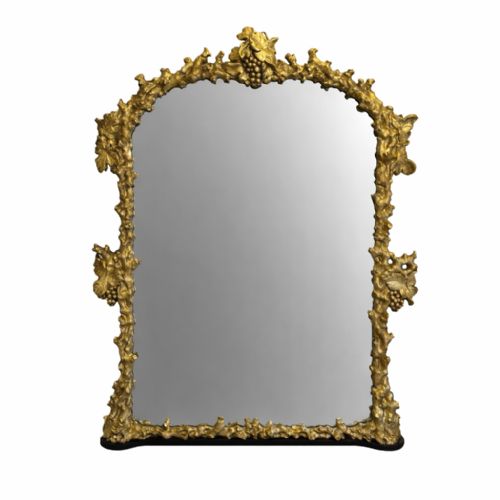
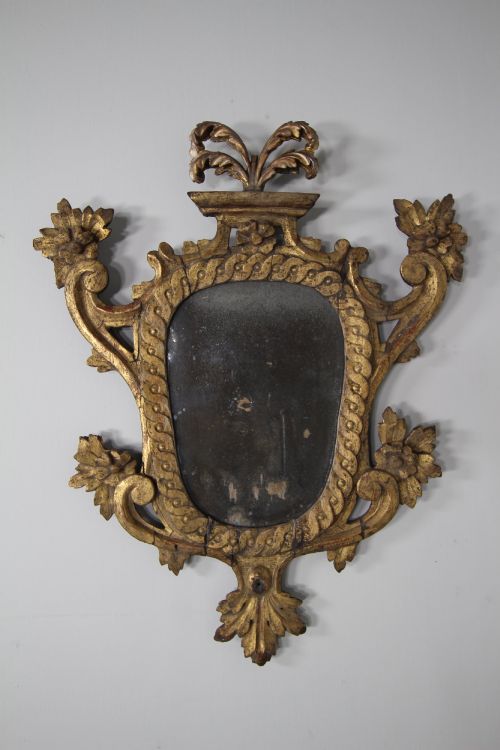
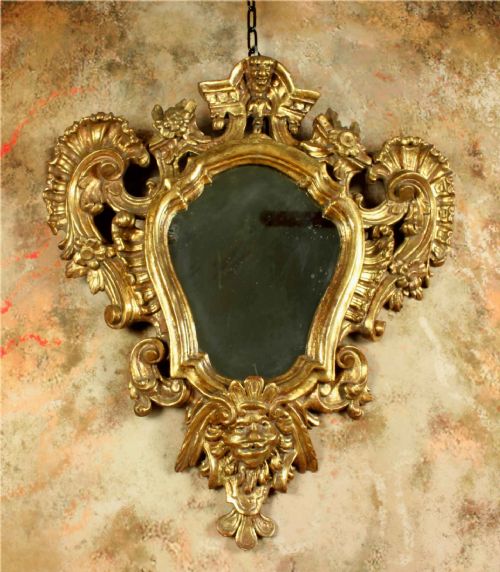
A baroque gilt mirror brings deep theatrical warmth to a room through heavy carving, gold leaf, and dramatic proportions.
Baroque Gilt Mirror
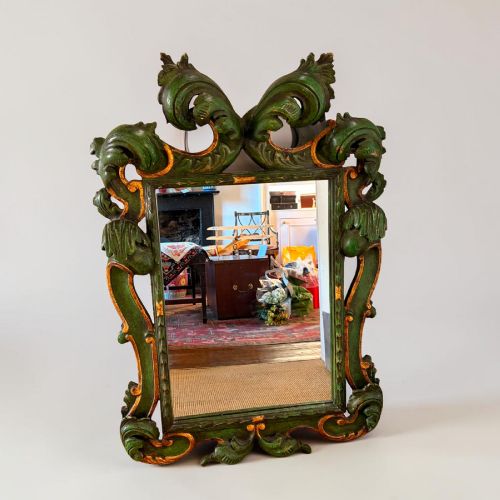
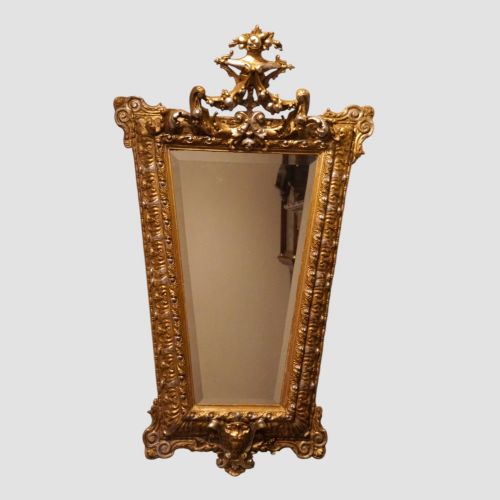
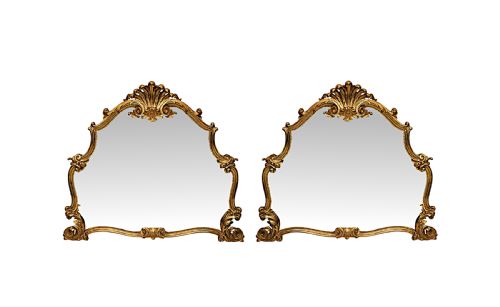
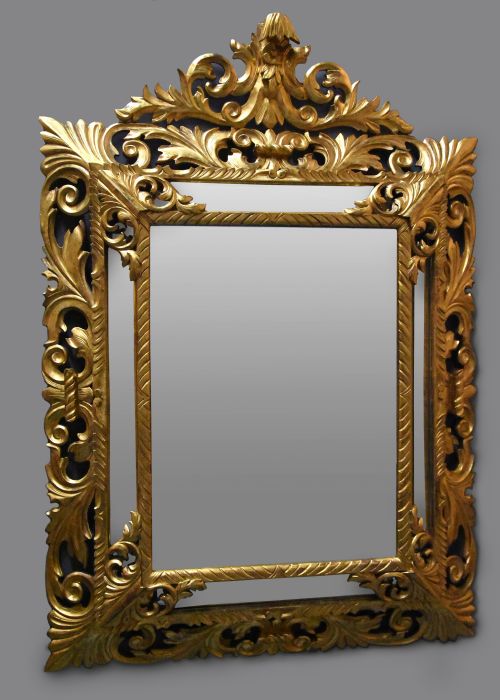
A baroque gilt mirror is a heavy decorative looking glass designed to command attention on a principal wall, often taking the form of an oval, rectangle, or cushion shape. These pieces span centuries of craftsmanship, appearing most frequently in nineteenth-century interpretations alongside original seventeenth- and eighteenth-century examples.
How They Were Made
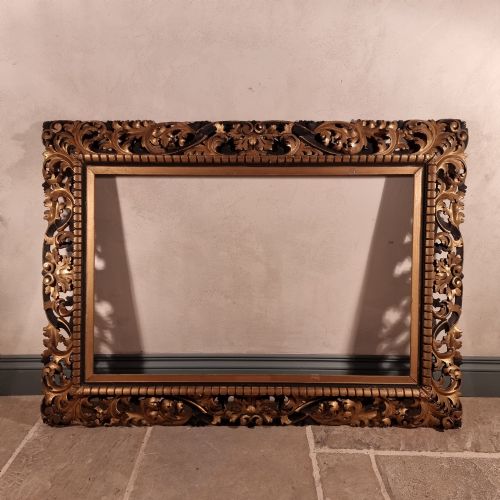
Carved timber provides the foundational structure for these frames, shaped from solid wood before receiving layers of gesso to build up intricate relief details like masks, scrolls, and foliage. Craftsmen then applied gold leaf or silver leaf by hand over the prepared surface, burnishing portions to create contrast against matte backgrounds.
Early examples frequently incorporate original mercury plates held within deeply profiled rabbets, displaying the characteristic dark speckling and soft reflection of antique glass. Later revivals adapt these traditional joinery and gilding methods to larger formats, maintaining the rich metallic lustre seen across Italian and French schools.
Baroque Gilt Mirror Retail Price Guide 2026
Typical asking prices for baroque gilt mirror among the pieces listed under this phrase on Sellingantiques today, from the lower quarter to the upper quarter. They describe what is for sale here now, not the wider market.
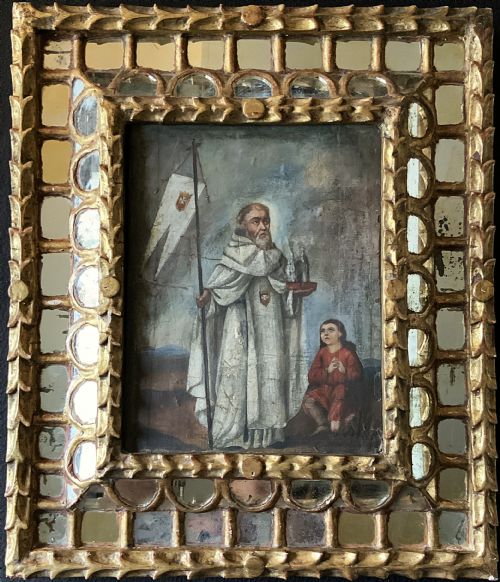
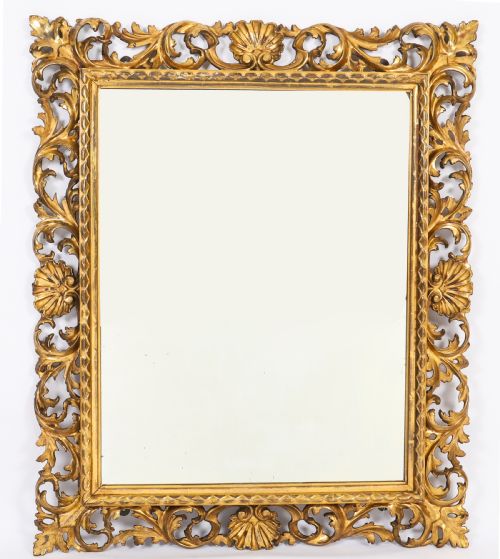
Listings span multiple centuries, ranging from seventeenth-century Spanish and Italian works to nineteenth-century Rococo Revival and Florentine interpretations.
What Varies in Quality
The depth and conviction of the wood carving dictate the visual power of a piece, separating dynamic hand-chiselled foliage from shallow, mechanical moulding. Crisp undercut details in the gesso and timber show the hand of a skilled carver rather than a hurried workshop production.
The integrity of the gilded surface matters greatly, as does the survival of the original reflective plate. Pieces retaining untouched gold leaf or genuine period mercury glass hold a visual depth that later touch-ups or replacement mirror plates simply cannot replicate.
The Baroque Gilt Mirror Glossary
- Giltwood
- Wood that has been coated with gold leaf over a prepared gesso ground. This technique creates a rich, metallic finish that catches interior light.
- Gesso
- A plaster mixture applied to wood frames to provide a smooth, absorbent base for gilding and deep relief carving. It allows craftsmen to model intricate ornamental details.
- Pier glass
- A tall wall mirror specifically designed to hang on the narrow pier of wall between windows. These tall glasses amplify natural light in grand reception rooms.
- Mercury plate
- An early type of mirror glass backed with an amalgam of tin and mercury before the invention of modern silvering. It exhibits a characteristic mottled grey appearance.
- Cushion mirror
- A frame style with a broad, outward-sloping border resembling a pillow or cushion. This form directs attention inward toward the central glass.
Baroque Gilt Mirror: Frequently Asked Questions
Where should I hang a baroque gilt mirror?
These pieces perform best on a primary reception wall where they can reflect light and anchor the room's proportions. Placing one above a mantelpiece or console table creates a balanced focal point.
Ensure the wall construction can support substantial weight, as carved timber and heavy glass require secure fixings. Keep them away from direct moisture sources to protect the delicate gold leaf and gesso ground.
How do I distinguish an 18th-century mirror from a 19th-century revival?
Eighteenth-century examples typically display hand-carved details with organic asymmetry and older construction methods visible on the reverse. The timber grain and the tool marks left by the carver tell a story of period workshop practices.
Revival pieces from the nineteenth century often use standardised machine moulding alongside hand finishing and heavier overall framing. Examining the backing boards and the composition of the gesso helps clarify the true age of the piece.
What is the difference between silver-gilt and gold leaf?
Gold leaf provides a warm, yellow metallic glow that resists tarnishing over centuries. It forms the classic luminous surface associated with high-status continental interiors.
Silver-gilt uses beaten silver leaf, sometimes toned with a golden lacquer, which patinates to a softer, cooler grey-gold over time. This finish appears frequently on Venetian and Spanish works of the period.