

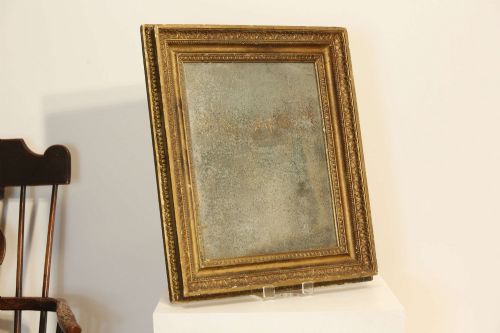
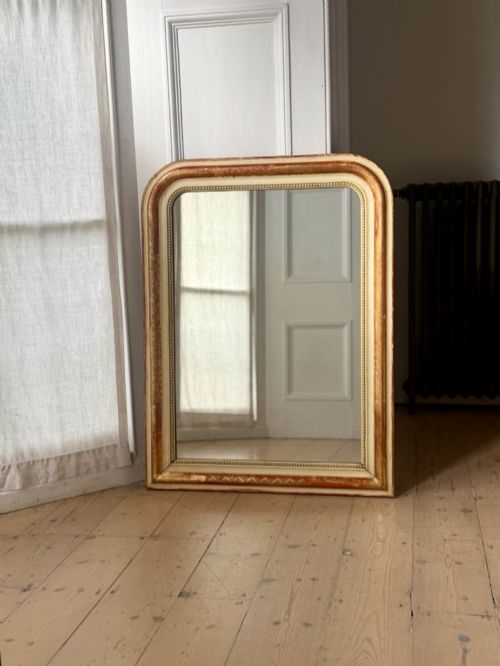

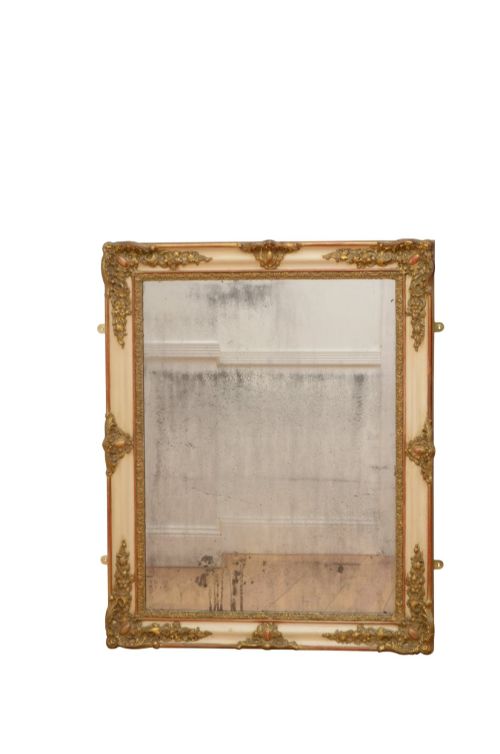
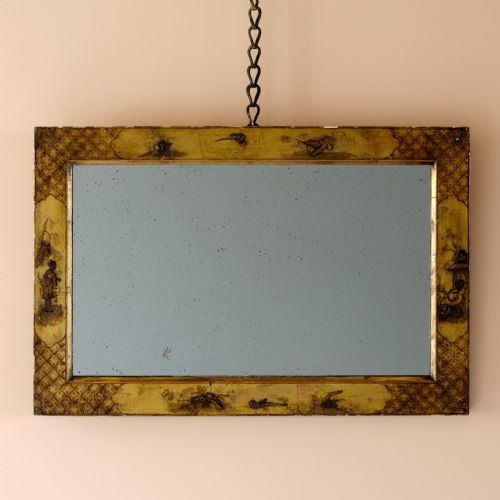

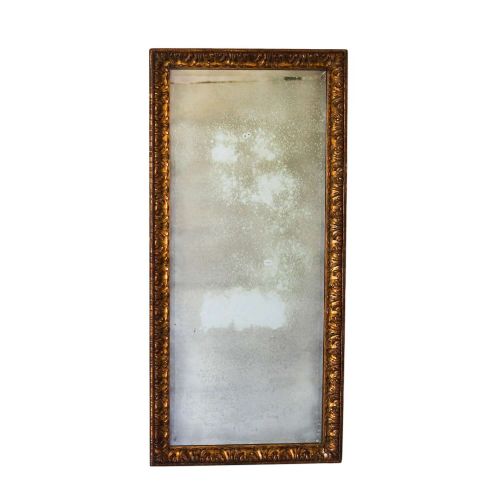
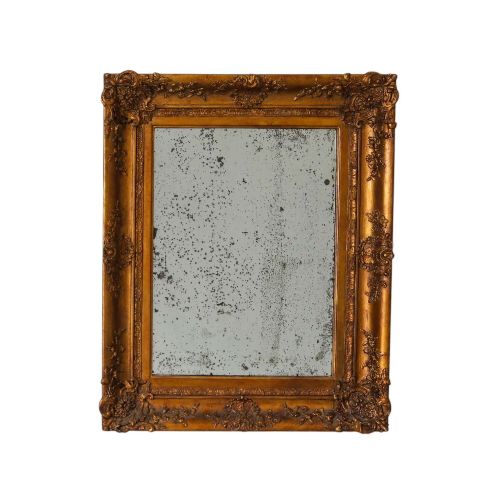
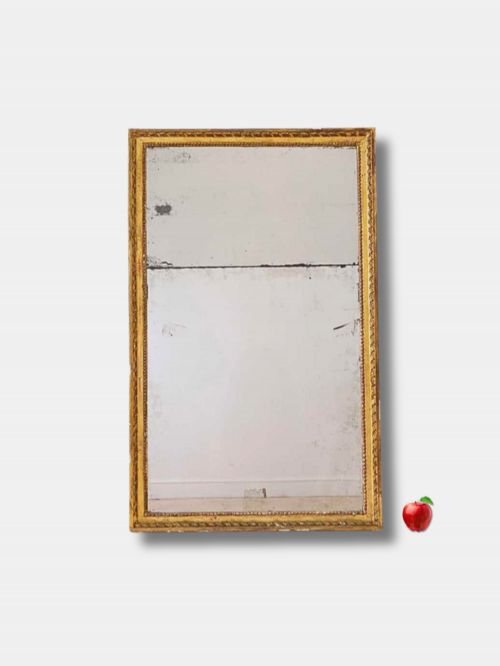
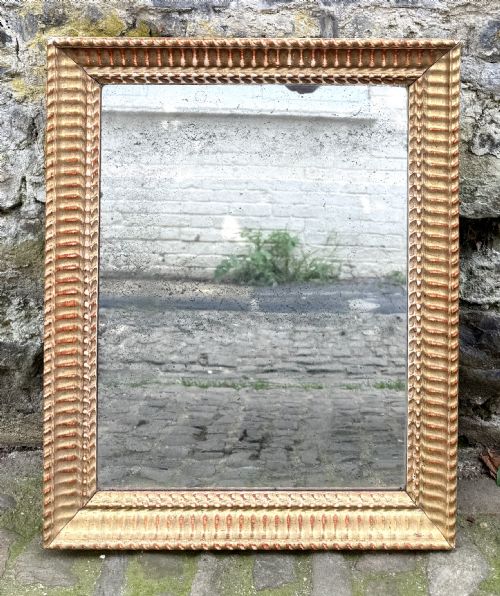


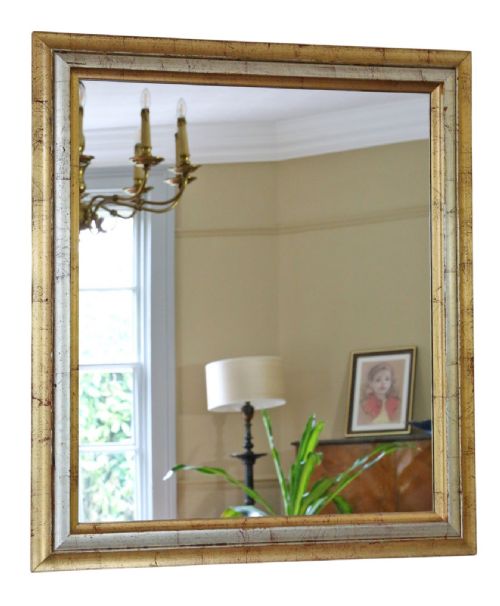


Distressed Gold Frame Mirror
A distressed gold frame mirror brings immediate warmth and historical character to a room through its aged gilding and foxed glass.
Distressed Gold Frame Mirror
A distressed gold frame mirror is typically a wall-hanging or overmantel glass set within an ornamented wooden structure that shows the natural weathering of age. These pieces span the eighteenth and nineteenth centuries, taking forms such as French pier glasses, Regency hanging mirrors, and Italian Baroque designs.
The most common examples encountered here are nineteenth-century French gilded wall mirrors featuring gesso ornamentation and original mercury glass plates. Buyers seek these items for their authentic surface wear, which introduces a sense of history that newly manufactured frames cannot replicate.
Originating from English country houses, French chateaus, and Italian workshops, these mirrors vary from modest dressing glasses to very large overmantels. Each surviving piece records the specific decorative tastes of periods including the Louis XVI reign, the French Rococo, and the Victorian era.
Assessing quality and craftsmanship
Quality in these mirrors rests upon the depth of the carving and the integrity of the original construction rather than a pristine surface finish. Finer pieces display crisp hand-carved wooden details beneath the gilding, whereas simpler examples rely on moulded composition paste over basic timber frames.
The condition of the glass plate heavily influences the character and desirability of the piece. Original mercury plates with heavy, natural foxing command particular attention from collectors who value undisturbed authenticity over replacement mirror glass.
Distressed Gold Frame Mirror Retail Price Guide 2026
Typical asking prices for distressed gold frame mirror among the pieces listed under this phrase on Sellingantiques today, from the lower quarter to the upper quarter. They describe what is for sale here now, not the wider market.
Many of these antique mirrors spent centuries reflecting candlelight in French chateaus before finding their way to modern walls.
The Distressed Gold Frame Mirror Glossary
- Giltwood
- Wood that has been coated with gold leaf or metal leaf. This finish mellows gracefully over the centuries.
- Mercury glass
- A type of silvered glass produced by pouring a mercury amalgam between double-walled blown glass or onto flat plates. It develops distinct dark spots and foxing as it ages.
- Gesso
- A plaster mixture applied to wood frames to create a smooth surface for carving and gilding. It allows for intricate decorative relief work.
- Foxing
- The speckled age spots and discoloration that occur on older mirror plates. This chemical oxidation creates a characteristic cloudy reflection.
- Pier glass
- A tall mirror designed to be hung on the pier, the section of wall space between two windows. These pieces often feature elongated proportions.
Distressed Gold Frame Mirror: Frequently Asked Questions
Are these mirror plates original?
Many pieces retain their original mercury glass plates, identifiable by the characteristic cloudiness and dark foxing spots. These aged surfaces provide the distinct aesthetic that defines antique mirrors.
Over the centuries, some plates may have been replaced due to breakage or severe degradation. Examining the edge of the glass and the backing boards helps determine whether the plate dates to the same period as the frame.
How do I hang a heavy overmantel mirror?
Large overmantel mirrors require secure wall fixings anchored directly into masonry or substantial wooden wall studs. Professional installation is strongly recommended due to the considerable weight of timber frames and thick glass plates.
Ensure the hanging wire or integrated brackets are rated well above the actual weight of the piece. The mirror should rest partially on a mantelpiece or lower support to distribute the load safely.
What causes the dark spots on the glass?
The dark spots, known as foxing, result from the chemical breakdown of the backing amalgam over decades of exposure to air and moisture. This natural oxidation process creates unique patterns that confirm the age of the glass.
Rather than a defect, collectors view this degradation as a mark of authenticity. It distinguishes genuine antique mercury plates from modern reproductions designed to mimic age.