


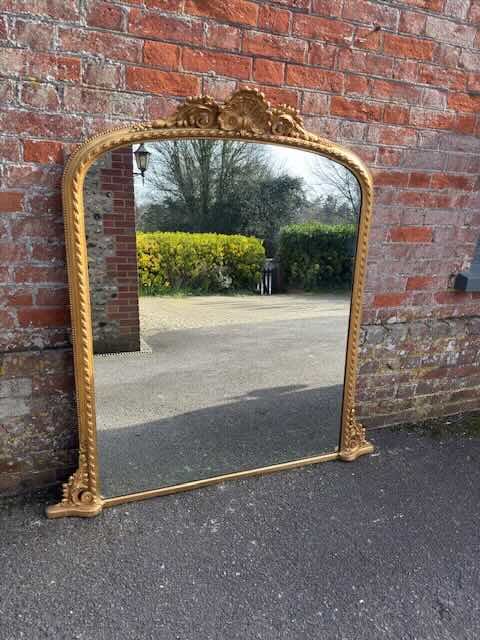


Decorative Mantel Mirror
When choosing a decorative mantel mirror, you select a substantial room focal point designed to sit above a fireplace and reflect light.
Decorative Mantel Mirror
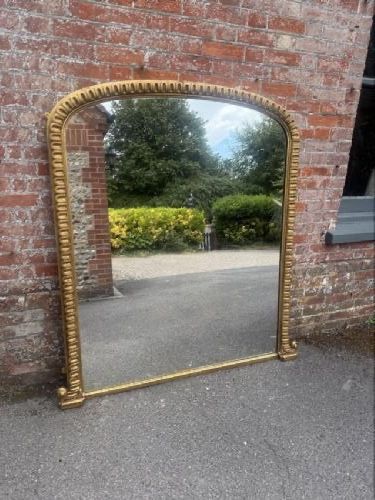
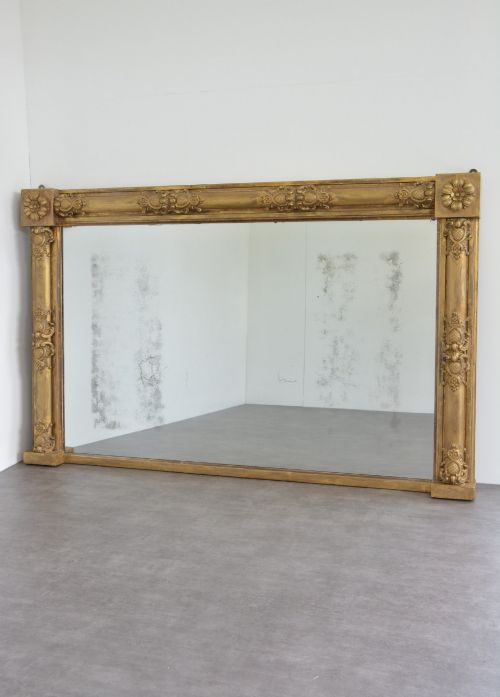
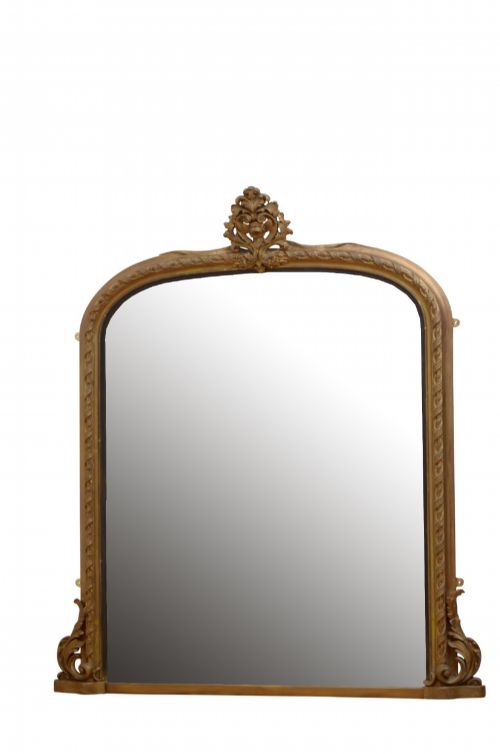
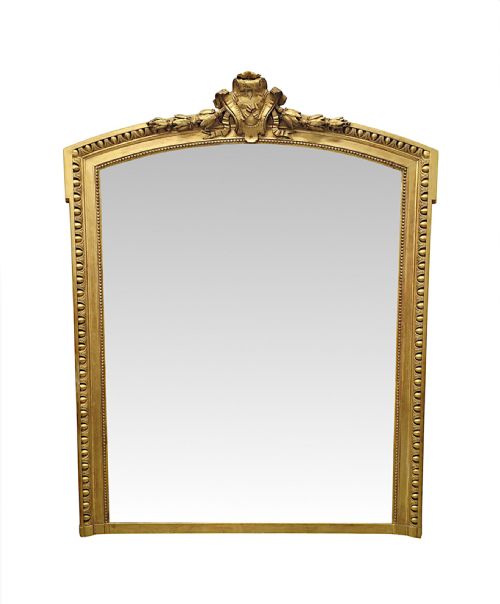
A decorative mantel mirror primarily takes the form of an overmantel mirror designed to sit above a fireplace hearth. These pieces anchor a room, drawing the eye upward with architectural frames and expansive glass plates.
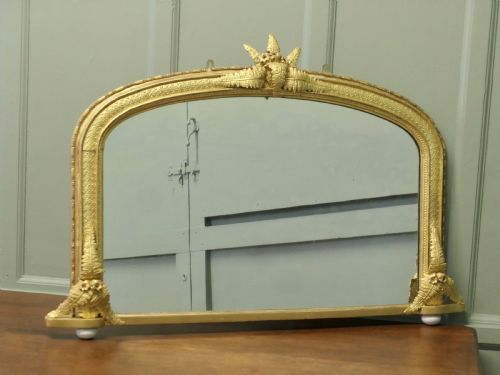
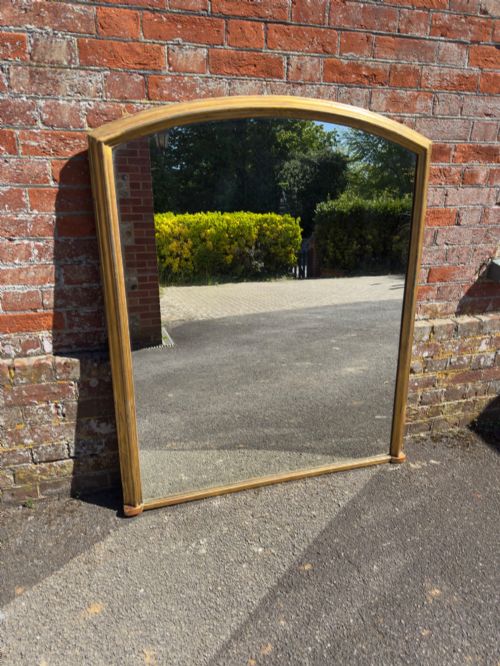
The selections span the nineteenth century predominantly, reaching back to the Regency period and forward to the early twentieth century. Common forms include arched tops, rectangular multi-plate configurations, and oval wall panels.
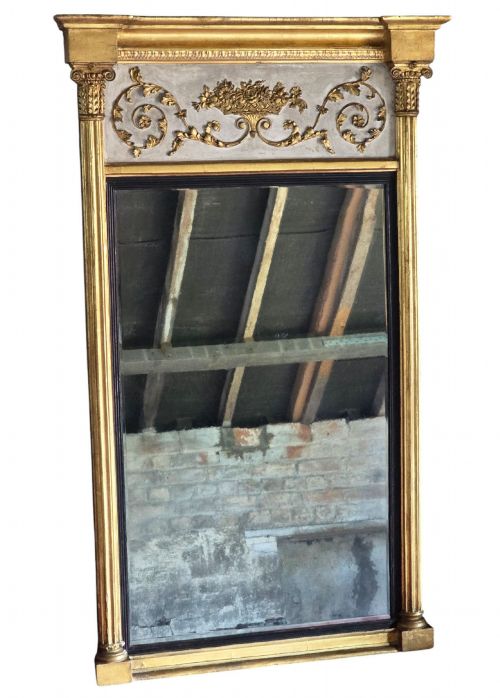
Origin influences style significantly, with English carved gesso frames appearing alongside French château designs and Regency gilded pieces. Buyers encounter various interpretations of Rococo Revival, Neoclassical, and Victorian aesthetic movements.
Materials and construction methods
Carved wood and gesso form the foundational structure for many frames, allowing artisans to mould elaborate relief decoration, rope twists, and central cartouches. Gilding with gold leaf or paint finishes the wooden surfaces, while ebonised wood provides dark contrast.
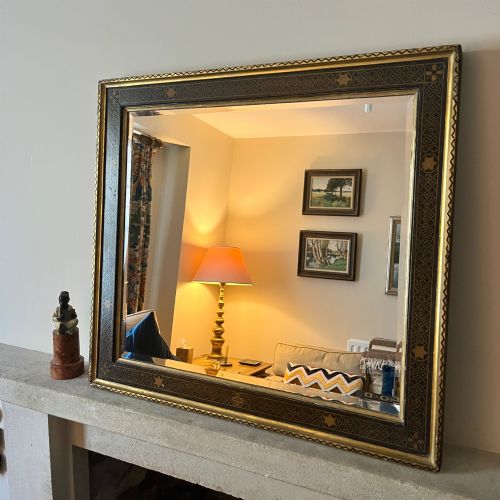
Mirror glass plates sit within these heavy frames, sometimes showing age through light foxing or original distressing. Cast brass, cast iron, and spelter occasionally provide alternative framing materials for specific Victorian and Edwardian iterations.
Listings feature nineteenth-century and Regency periods, utilising glass, giltwood, gesso, and ebonised wood across overmantel and wall mirror forms.
Assessing quality and craftsmanship
Depth of carving and the crispness of moulded gesso separate standard frames from superior examples. Skilled hands create intricate pediments, masks, and decorative friezes that retain their definition beneath layers of historical gilding or paint.
The integrity of the glass and the weight of the timber frame indicate the standard of manufacture. Larger formats require robust internal construction to support heavy mirror plates safely over a mantelpiece.
The Decorative Mantel Mirror Glossary
- Overmantel mirror
- A large mirror specifically proportioned to hang on the wall directly above a mantelpiece or fireplace. These frames often match the horizontal width of the fireplace below.
- Gesso
- A plaster-like mixture applied to wood frames and carved or moulded into intricate decorative reliefs before gilding. It provides the smooth, detailed surface characteristic of period frames.
- Giltwood
- Timber that has been coated with a thin layer of gold leaf or metallic gilt powder. This finish catches candlelight and natural room illumination.
- Foxing
- Age-related spots and browning on mirror glass caused by the degradation of the silvering backing over decades. Collectors often value this natural sign of antiquity.
- Cartouche
- An ornamental tablet or oval frame emblem placed centrally on the mirror pediment. It frequently serves as the sculptural focal point of the design.
Decorative Mantel Mirror: Frequently Asked Questions
How do I hang a heavy mantel mirror?
A heavy mirror requires secure wall fixings anchored directly into masonry or substantial wall studs to support the substantial weight of wood and glass. Professional installation ensures the frame remains stable above the heat of a fireplace.
Positioning the piece at the correct height above the mantel shelf allows it to reflect room light effectively without dominating the entire wall space.
Can these mirrors go in rooms without fireplaces?
These pieces function successfully as wall pier mirrors or console mirrors in hallways, dining rooms, and bedrooms. Their generous scale expands visual space and brightens darker corners.
Mounting a large frame opposite a window maximises natural daylight distribution throughout the interior.
What is the difference between Regency and Victorian styles?
Regency designs lean towards restrained Neoclassical elegance, featuring clean gilded lines, classical motifs, and architectural symmetry. They reflect the early nineteenth-century aesthetic.
Victorian pieces often embrace heavier ornamentation, incorporating elaborate Rococo Revival curves, deeper carved gesso, and sometimes ebonised finishes or cast brass details.
How should I clean antique mirror glass?
Cleaning requires a soft cloth and a gentle, non-ammonia glass cleaner applied sparingly to avoid seeping behind the antique silvering. Harsh chemicals damage both the aged glass plate and the delicate gilded frame surfaces.
Dusting the carved wood and gesso regularly with a dry brush preserves the original gilt or painted finish.