



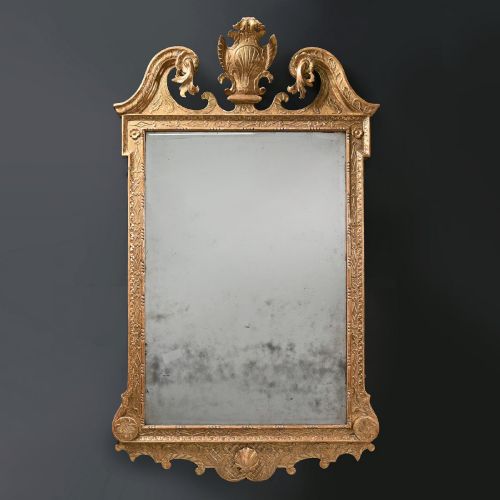
Gilt Arch Mirror
Choosing a gilt arch mirror brings warmth and a sense of architectural space to a room, drawing the eye upward with its curved top and metallic finish.
Gilt Arch Mirror
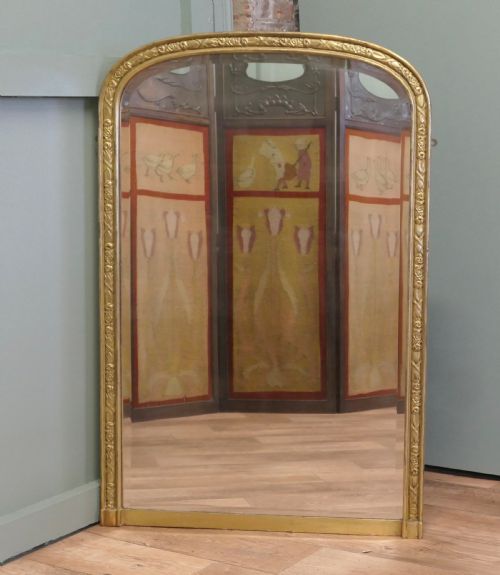
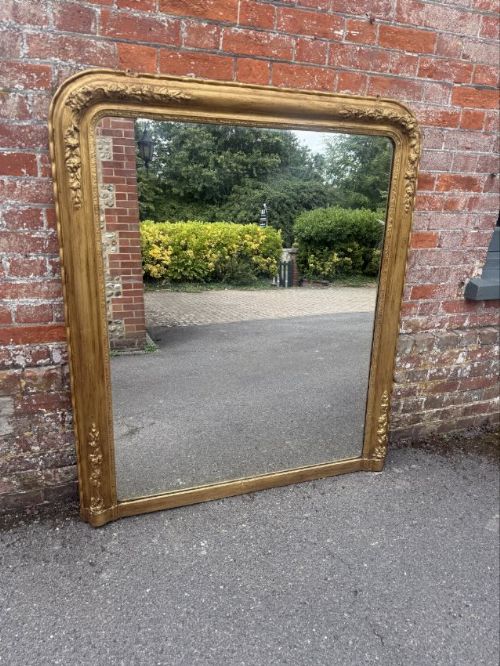
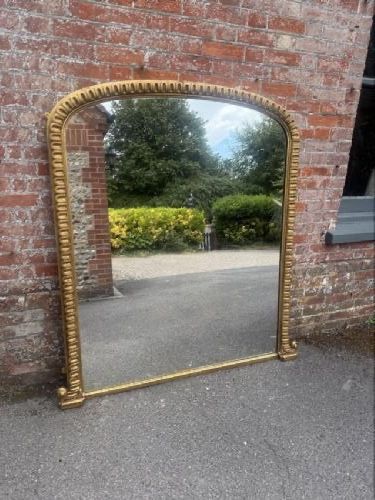
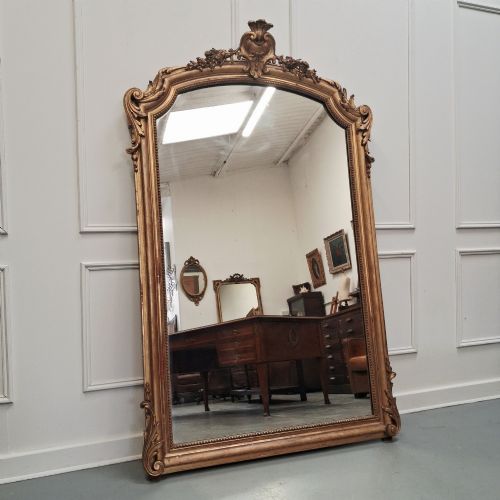
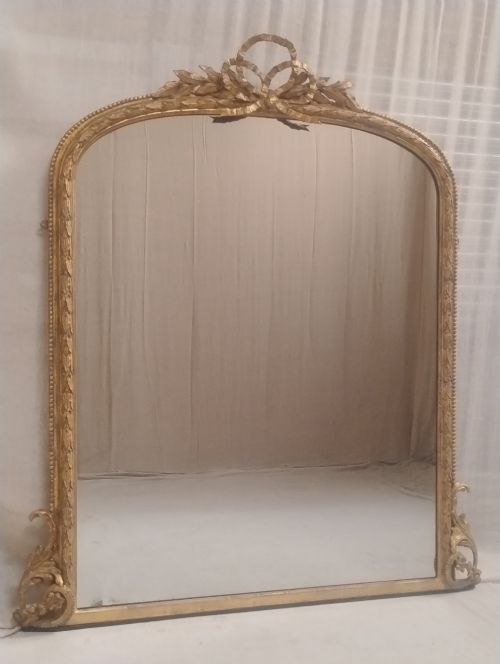
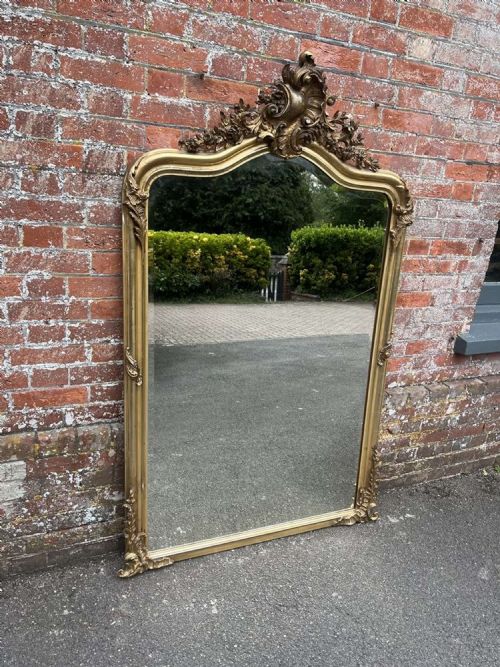
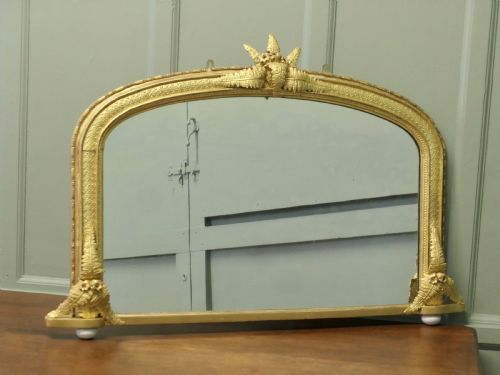
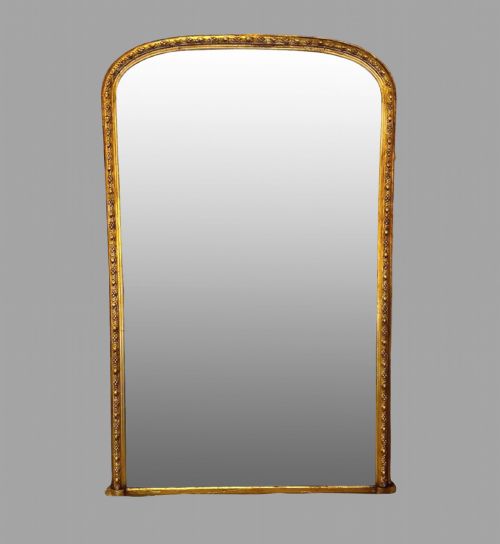
A gilt arch mirror is a decorative looking glass designed to reflect light and enhance interior spaces through its distinctive curved silhouette and metallic surface. When searching for a gilt arch mirror, buyers encounter grand overmantel designs intended for placement above fireplaces, alongside taller wall mirrors and pier mirrors suited for narrower wall spaces.
The pieces originating from the nineteenth century dominate the selection, spanning English Victorian workshops and French provincial ateliers. Examples stretch back through the Georgian and Regency periods to the eighteenth century, demonstrating a long tradition of curved frames finished in gold leaf or paint.
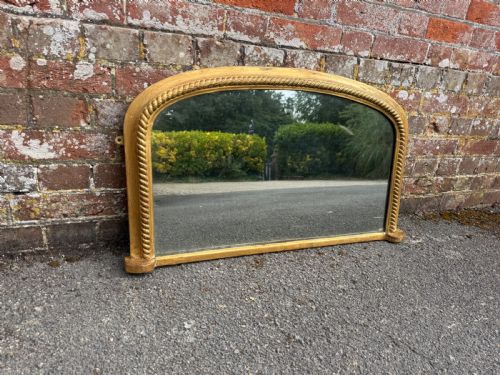
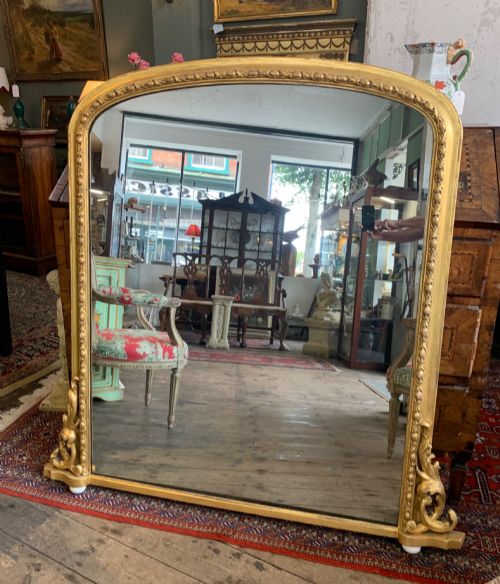
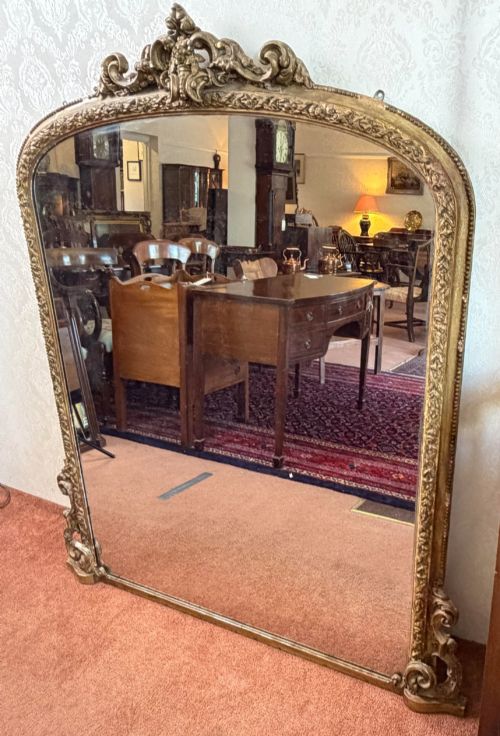
Overmantel mirrors form the majority of the current selection, frequently constructed with substantial proportions to anchor a chimney breast. Alongside these large mantel pieces, French Louis Philippe styles and smaller wall-hanging formats provide alternative proportions for domestic interiors.
How They Were Made
Makers constructed the structural frames of these mirrors using carved wood, often applying a layer of plaster or gesso to build up decorative mouldings and relief details. Artisans then applied gold leaf or gilt paint directly onto the prepared gesso surfaces to achieve a brilliant metallic sheen.
Mirror glass was set within these wooden and gesso frames, with historical pieces sometimes retaining original mercury glass exhibiting characteristic foxing. Frame profiles varied from plain mouldings to rope twist, tulip, and hour-glass ribbed designs created through detailed carving.
Listings feature pieces spanning the eighteenth century, the Georgian era, and the Victorian period, constructed from wood, gesso, and glass.
What Varies in Quality
The standard of carving and the crispness of the gesso relief work distinguish finer examples from simpler production. Deeply carved wooden frames with intricate architectural mouldings reflect a higher degree of artisan skill than flat or minimally decorated borders.
Originality of the gilding and the preservation of the early mirror glass contribute significantly to the character of a piece. Retaining the original gilt surface and untouched mirror plates indicates a well-preserved survivor from the nineteenth or eighteenth century.
The Gilt Arch Mirror Glossary
- Gesso
- A plaster-based mixture applied to wooden frames to create a smooth surface for gilding. Artisans carved intricate decorative motifs directly into this dried material before applying gold leaf.
- Giltwood
- Wood that has been covered with thin sheets of gold leaf or gold paint. This technique provided furniture and mirror frames with a rich, reflective metallic appearance.
- Overmantel mirror
- A large horizontal or arched looking glass specifically designed to hang on the wall above a fireplace mantelpiece. These pieces frequently dictated the decorative scheme of a nineteenth-century drawing room.
- Pier mirror
- A tall, narrow looking glass designed to hang on the wall space between windows, known as the pier. These mirrors maximised light reflection in period rooms.
- Foxing
- Small dark spots and speckles that develop within antique mirror glass over decades due to the degradation of the backing material. Collectors often prize this natural ageing process as proof of considerable age.
Gilt Arch Mirror: Frequently Asked Questions
Where should I hang an overmantel mirror?
These large mirrors traditionally sit directly above a fireplace mantelpiece, where they anchor the central wall of a room. Their curved tops help to draw the eye upward and balance the heavy horizontal lines of a fireplace surround.
Outside of the chimney breast, such mirrors work effectively on principal walls in living spaces or hallways to bounce natural light around the room. Ensuring secure fixings into solid wall construction is essential due to the substantial weight of carved wood and plaster frames.
How do I identify a Victorian mirror?
Victorian examples often feature substantial carved wood and gesso frames with characteristic arched tops designed for nineteenth-century domestic interiors. Makers during this period frequently utilised robust construction methods and distinctive moulding patterns like rope twist or ribbed borders.
Comparing the proportions and framing details against documented pieces from the mid to late nineteenth century helps confirm the era. Examining the rear construction and the composition of the wood provides further clues regarding the date of manufacture.
What is Louis Philippe style?
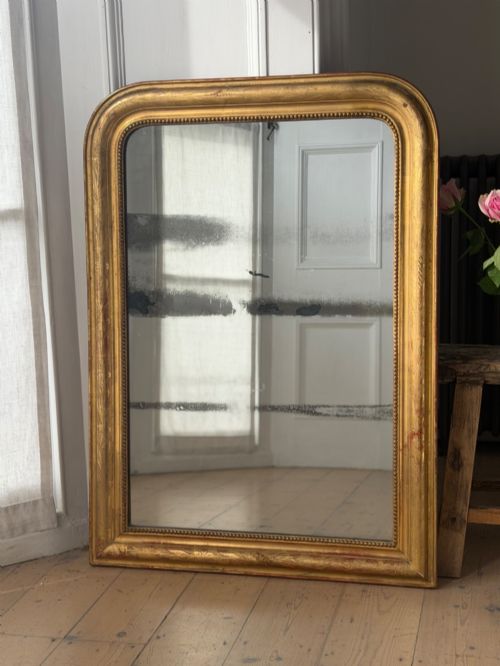
Louis Philippe mirrors originate from nineteenth-century France and are distinguished by clean, elegant lines with a gently rounded upper arch. They typically feature less exuberant carving than earlier Rococo Revival pieces, relying instead on subtle beaded or ribbed framing.
This understated French aesthetic suits both traditional and contemporary interiors because the simpler profile offers a refined focal point. The glass in these pieces is occasionally mercury silvered, showing characteristic age spots that denote long history.
Can these mirrors be cleaned safely?
Cleaning antique gilt frames requires a soft, dry brush to gently remove dust without disturbing the delicate gold leaf or underlying gesso. Moisture can damage old gilding and cause flaking, so liquids should be kept away from the frame entirely.
Mirror glass can be wiped down using a standard glass cleaner applied sparingly to a cloth rather than sprayed directly onto the surface. This prevents any liquid from seeping behind the glass edges and harming the historical backing or silvering.