
Antique Gesso Wall Mirror
An antique gesso wall mirror brings depth and historic presence to a room through sculpted relief and lustrous gilt surfaces.
The Form and Origin of the Antique Gesso Wall Mirror
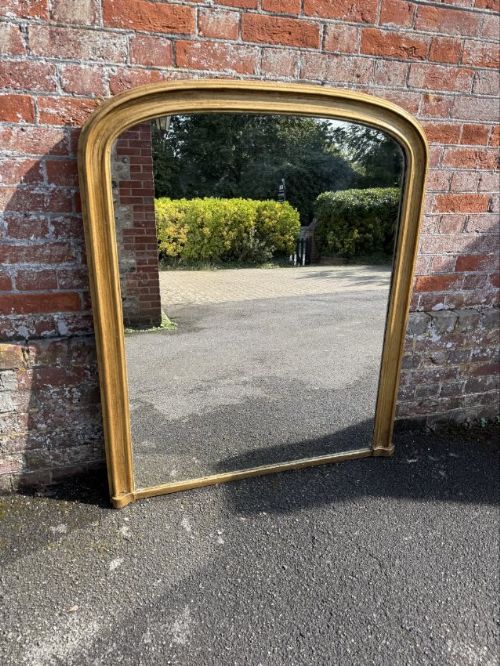
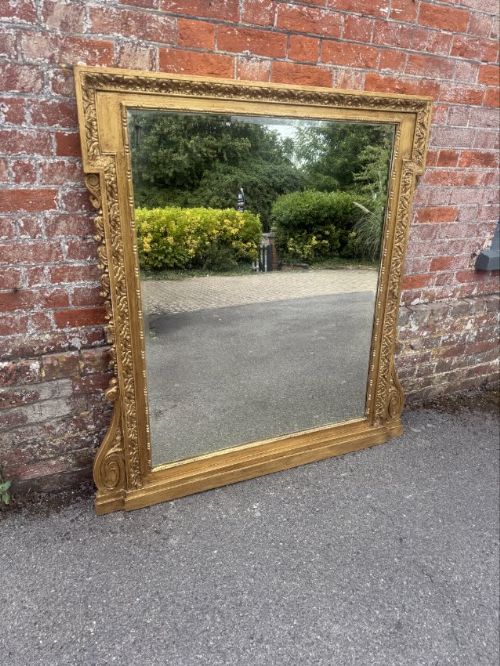
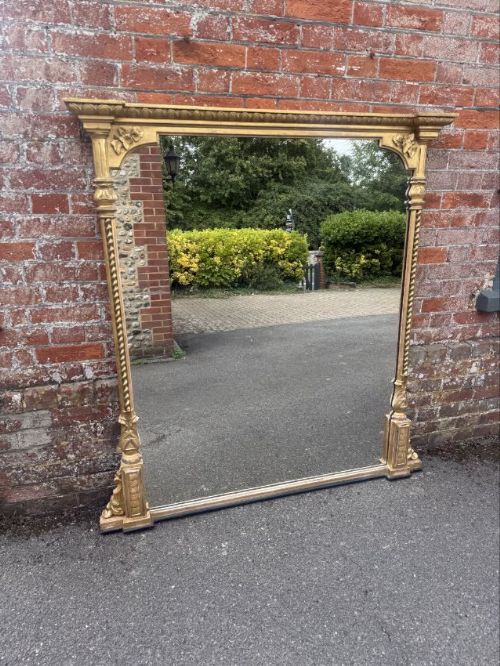
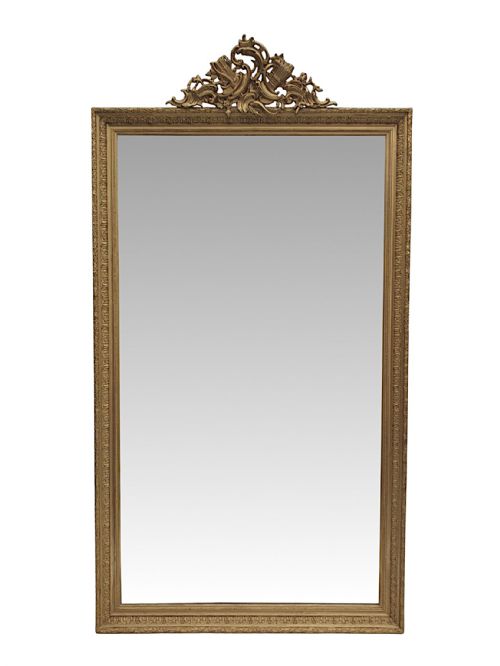
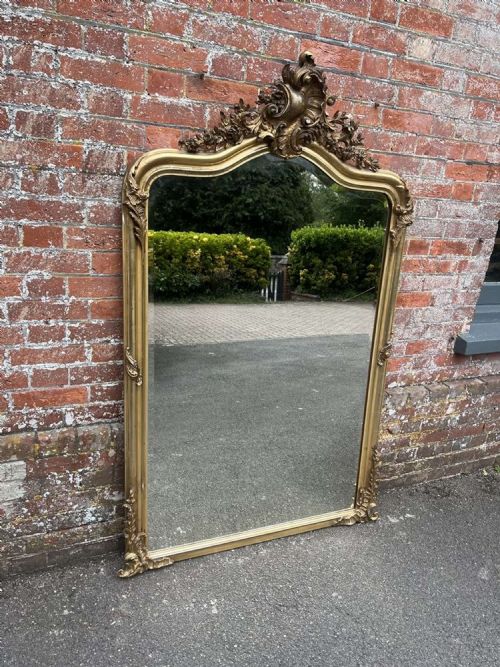
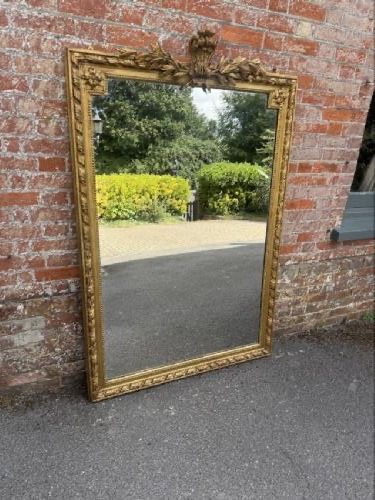
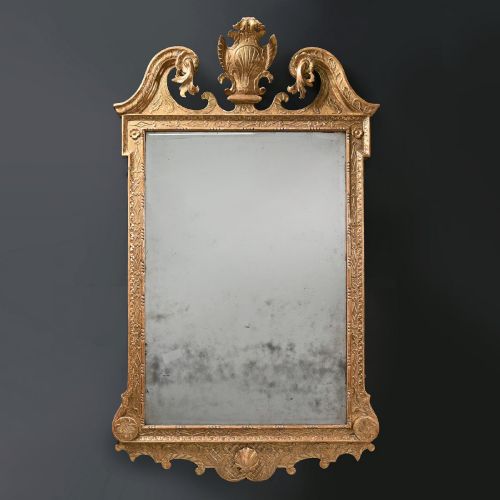
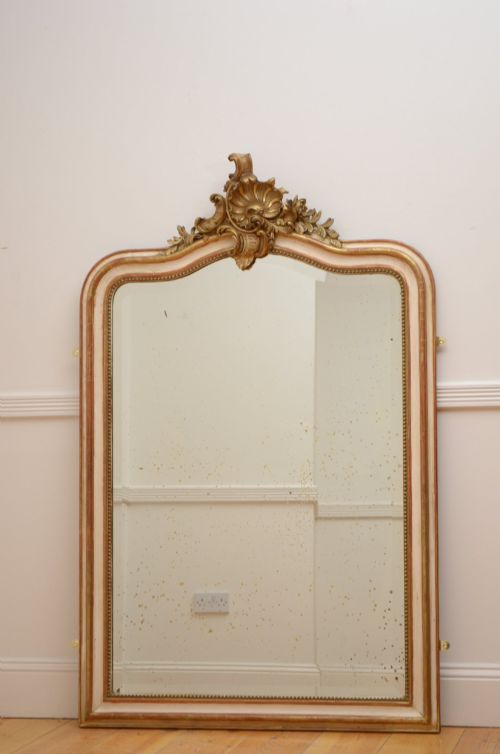
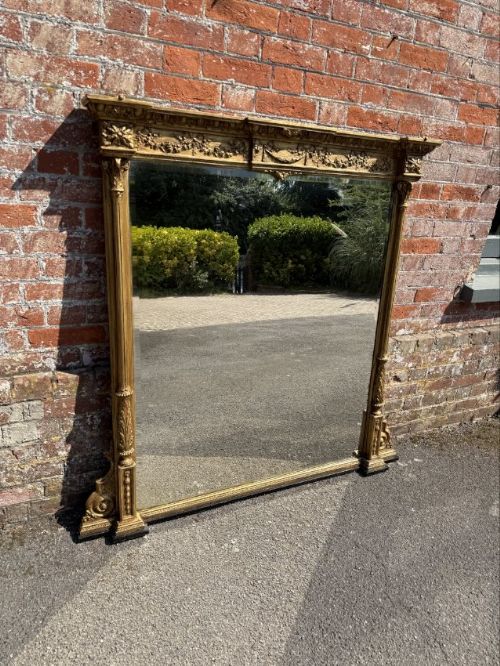
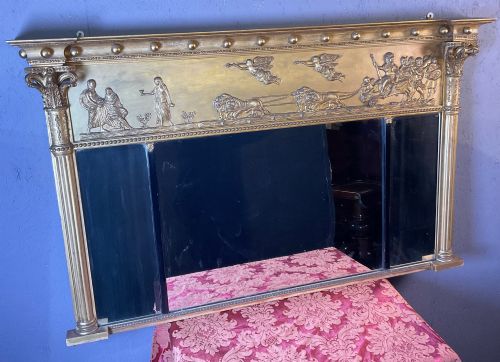
An antique gesso wall mirror combines carved or moulded wooden frames coated in prepared plaster to create ornamental relief. The selection ranges from grand overmantel designs intended for principal reception rooms to smaller portrait and hall mirrors.
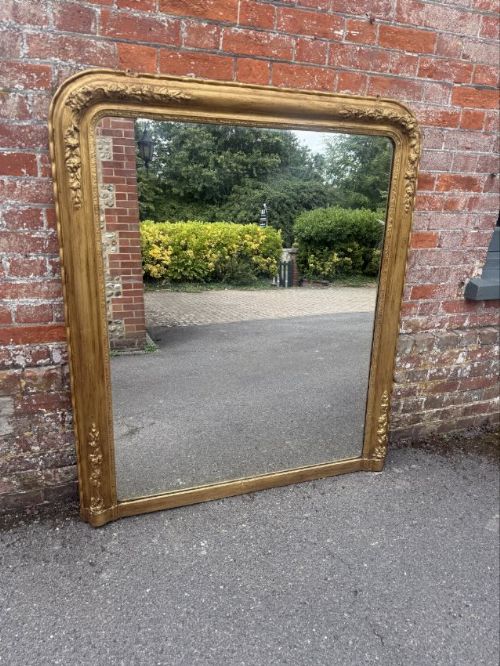
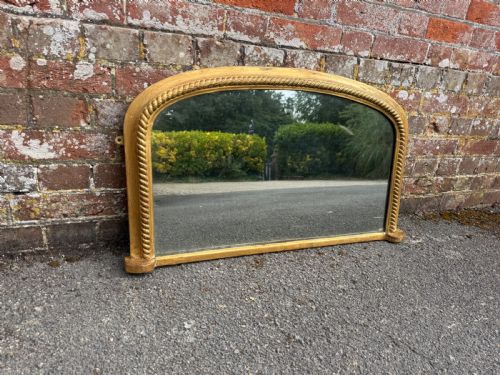
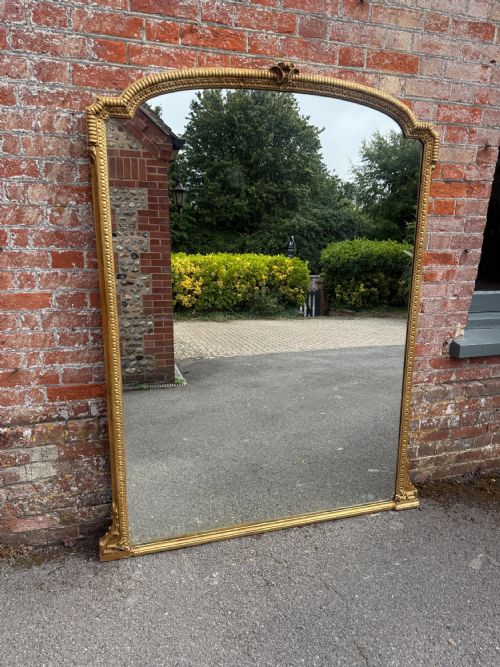
English and French examples dominate the selection, spanning periods from the eighteenth century through the Victorian and Edwardian eras. Buyers frequently encounter nineteenth-century French and English pieces displaying arched tops, rope twist frames, or ornate classical revival motifs.
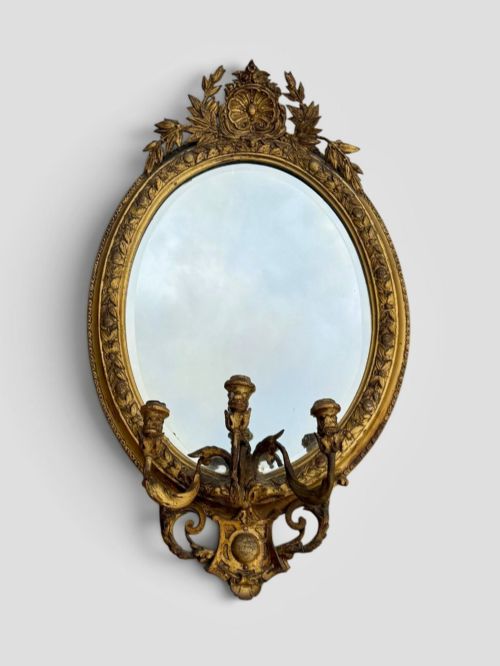
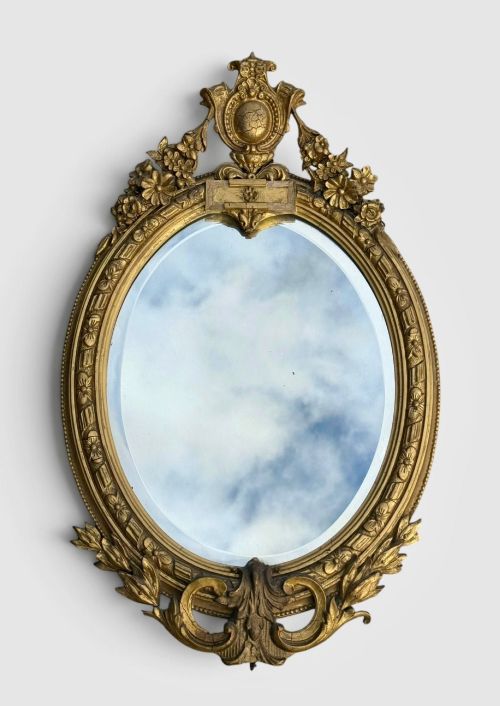
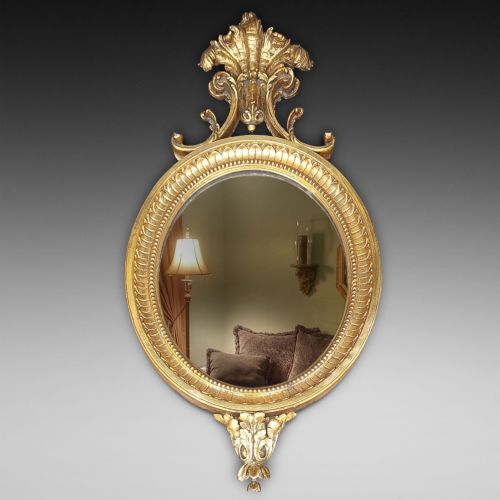
Alternative forms include oval barbola mirrors with floral decoration, pier mirrors designed for narrow wall spaces, and girandole mirrors equipped with candle sconces. Regional variations incorporate Italian baroque flourishes alongside restrained Georgian neoclassical interpretations.
Materials and Construction Techniques
Craftsmen built the foundational structure using carved wood, pine, or oak, applying multiple layers of gesso - a mixture of chalk and binder - to build up intricate surface details. Composition material, an early form of moulded putty, was frequently pressed into shape and applied to wooden substrates for repetitive ornamentation.
Surfaces were finished with gold leaf, giltwood, or paint, adhering the metallic leaf over bole to achieve a warm subterranean glow. Glass plates, often bevelled by hand, were then secured within the prepared frames, supported by wooden backing boards.
Retail Price Guide 2026
Typical UK retail prices for gesso wall mirror, calculated from the Sellingantiques database of over a million retail prices indexed since 2003. This retail price guide relies exclusively on Sellingantiques data; no external sources or auction records are used, so the figures do not describe the wider market.
Listings feature pieces spanning the eighteenth century through the Edwardian period, utilising wood, gesso, gold leaf, and painted finishes.
Distinctions in Quality and Execution
The sophistication of the gesso modelling separates ordinary production from exceptional craftsmanship, with hand-carved undercut relief displaying sharper definition than mass-pressed composition ornaments. Crisp botanical, scroll, or classical details reveal the hand of a skilled artisan.
The integrity of the original gilt surface dictates the visual impact, where burnished gold leaf ages with a complex patina distinct from uniform modern metallic paint. Original mirror plates exhibiting foxing and silver oxidation add authenticity compared to modern replacement glass.
Butti and Son
The Antique Gesso Wall Mirror Glossary
- Gesso
- A plaster-like material applied to wood frames to create smooth surfaces for gilding or deep relief modelling. It provides the receptive ground for intricate ornamental moulding.
- Giltwood
- Timber that has been gilded with gold leaf or metal leaf. This treatment gives frames a luminous, reflective quality favoured in formal interior decoration.
- Overmantel
- A large mirror designed to hang above a fireplace mantelpiece. These pieces often feature horizontal proportions and architectural framing.
- Composition
- A moulded mixture of whiting, resin, glue, and linseed oil pressed into decorative motifs. It allowed makers to produce elaborate relief ornament efficiently.
- Girandole
- A wall mirror featuring attached candle sconces or branches. The reflective glass amplified the candlelight in darkened rooms.
Frequently Asked Questions
How should I clean antique gesso and gilt?
Dust the ornate frame gently with a soft, dry artist brush or feather duster to remove particles without disturbing fragile plaster. Avoid moisture and chemical cleaning agents entirely.
Glass plates can be cleaned using a minimal amount of glass cleaner applied to a cloth rather than sprayed directly onto the mirror. This prevents liquid from seeping beneath the frame edge and damaging the gesso ground.
How do I date an antique gesso mirror?
Examine the construction of the wooden backing boards, joining techniques, and the composition of the gesso layers. Eighteenth-century pieces typically show hand-carved pine underpinnings, while Victorian examples often utilise machine-sawn timber and composition ornaments.
Stylistic cues such as Georgian neoclassical symmetry, Regency rope twists, or Victorian classical revival motifs further narrow the period of manufacture. Mirror glass characteristics like bevelling style also offer chronological clues.
What is the difference between a pier mirror and an overmantel?
Pier mirrors are tall and narrow, specifically proportioned to hang on the wall space between two windows. They often incorporate candle brackets or console tables beneath.
Overmantels are wider than they are tall, designed to fit the horizontal expanse above a fireplace opening. Their proportions reflect the architecture of nineteenth-century reception rooms.