


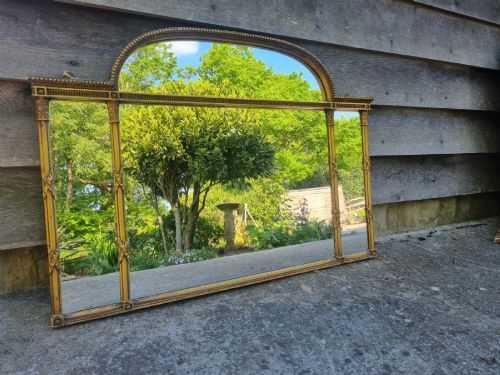
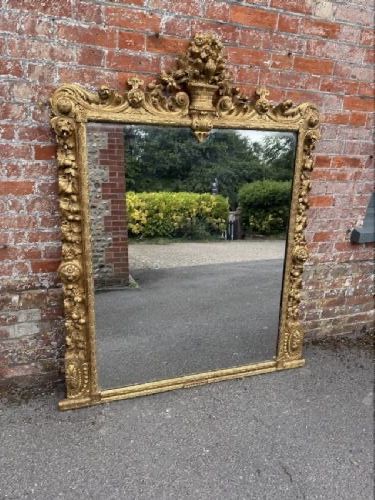
19th Century Giltwood Mirror
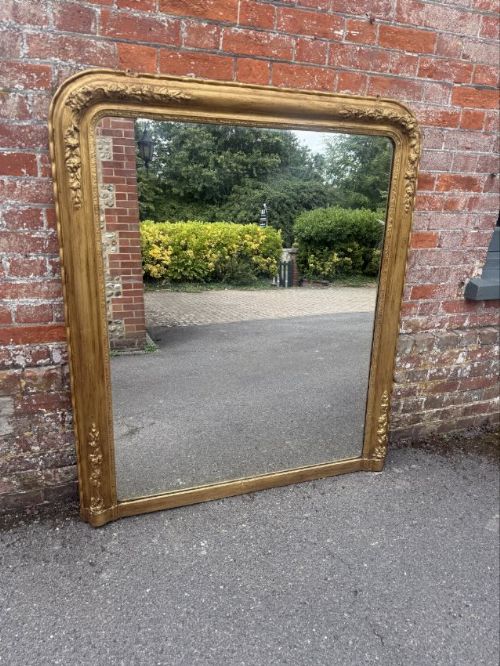
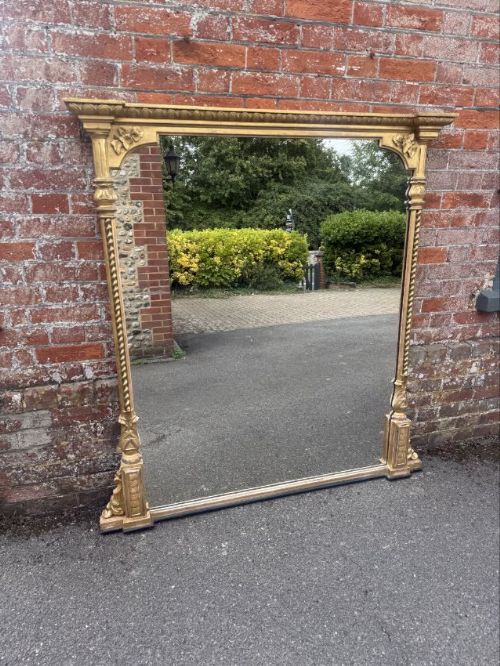
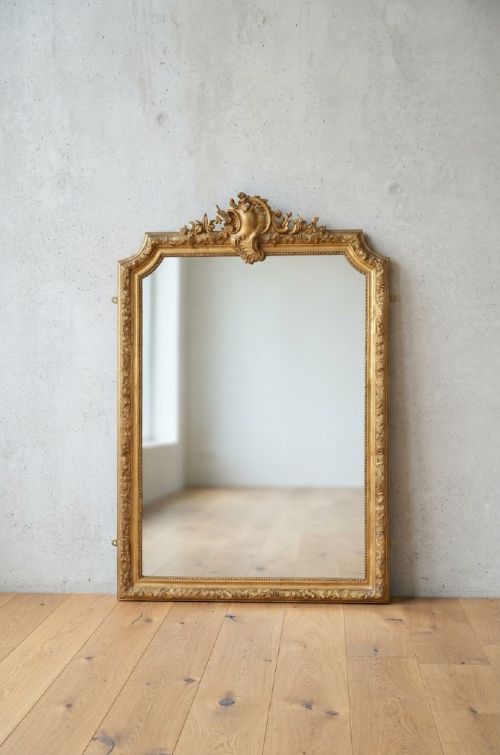
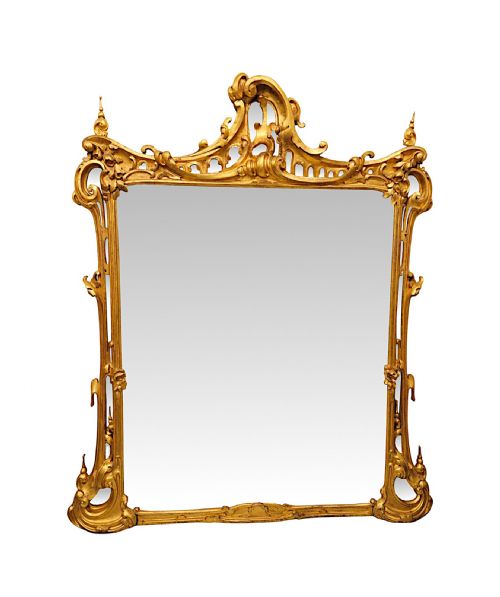
A 19th century giltwood mirror brings warmth and reflective depth to a room through gilded surfaces and ornate frames.
Identifying a 19th century giltwood mirror
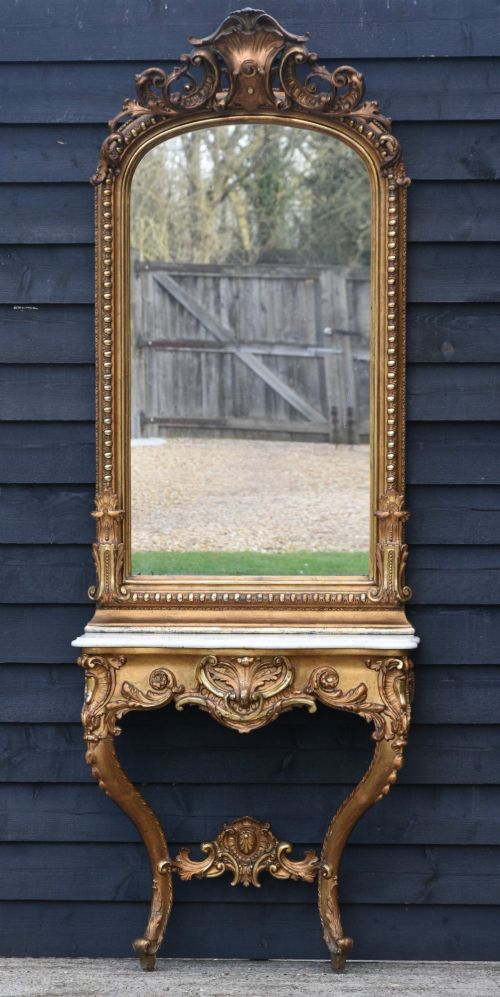
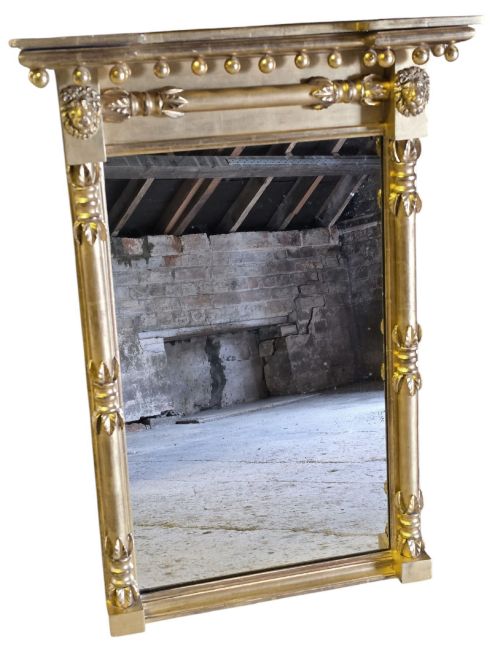
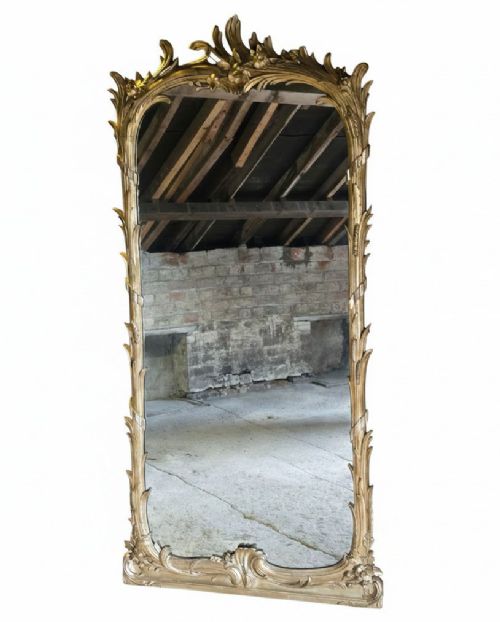
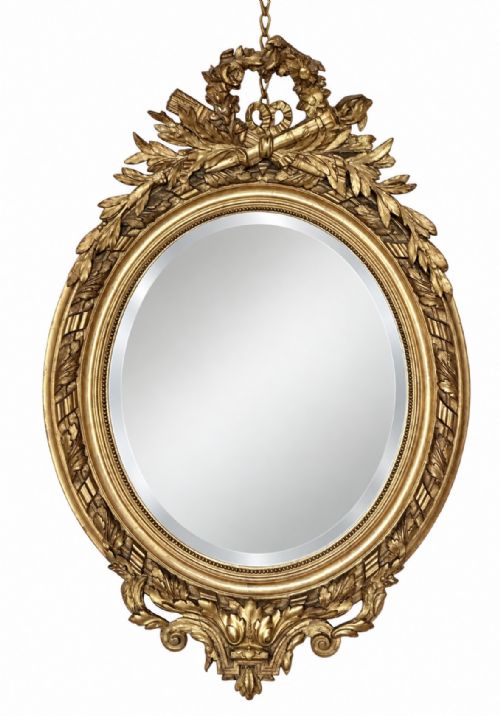
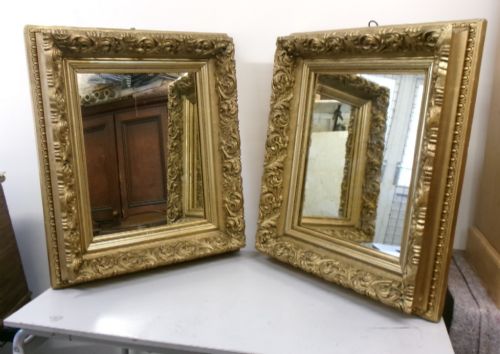
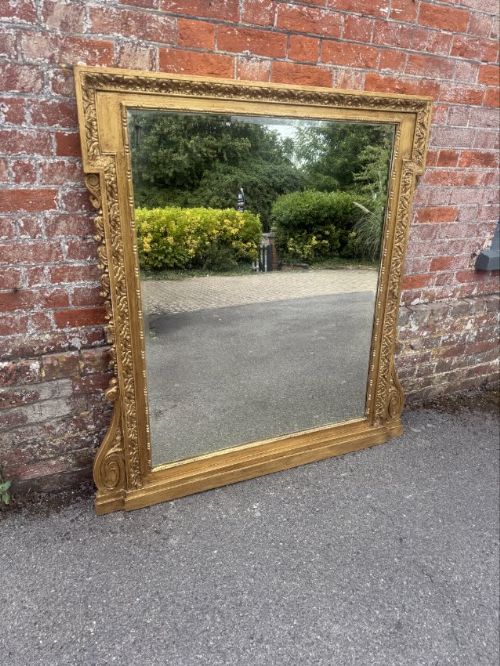
A 19th century giltwood mirror encompasses wall mirrors, pier mirrors, and large overmantel mirrors designed to anchor reception rooms and parlours. These pieces appear across Regency, Victorian, and French nineteenth-century styles, capturing prevailing tastes from restrained classical lines to exuberant revival forms.
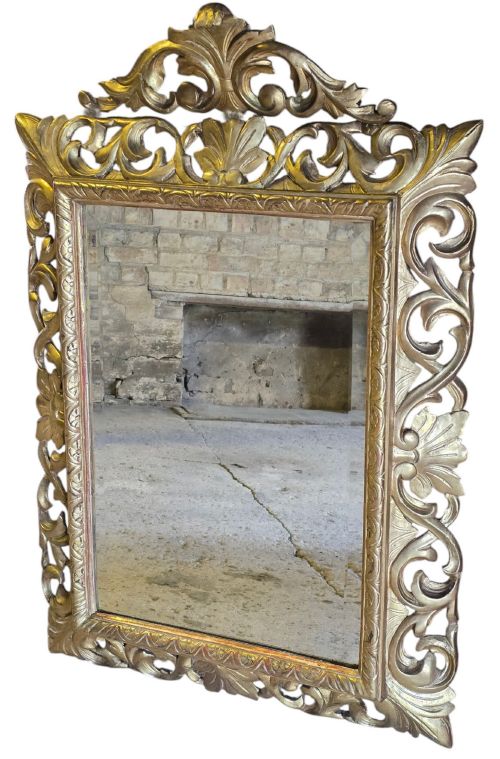
Buyers encounter architectural formats alongside smaller convex mirrors, girandoles, and oval shapes decorated with floral crests or urn motifs. Frames frequently demonstrate regional characteristics, ranging from English Regency and Adam styles to ornate Italian Florentine carvings.
Materials and construction
Frames are constructed from timber bases, including mahogany and pine, coated with layers of gesso to provide a smooth surface for gilding. Artisans applied thin sheets of gold leaf over the prepared ground, often burnishing specific areas to create contrast against matte sections.
Glass plates vary from original mirror glass to later replacements, sometimes incorporating decorative techniques such as verre eglomise panels or rope twist borders. Structural ornamentation involves carved wooden elements or moulded composition applied directly to the wooden armature.
Retail Price Guide 2026
Typical UK retail prices for 19th century giltwood mirror, calculated from the Sellingantiques database of over a million retail prices indexed since 2003. This retail price guide relies exclusively on Sellingantiques data; no external sources or auction records are used, so the figures do not describe the wider market.
Listings feature periods spanning the Regency and Victorian eras alongside French nineteenth-century examples.
Factors that define the standard
Quality rests in the crispness of the carved detail and the depth of the gesso relief beneath the gold leaf. Superior examples maintain their original gilding surfaces with harmonious patination accumulated over decades of use.
The integrity of the glass plate and the subtlety of the frame's proportions relative to its cresting separate standard production from exceptional work. Secondary details, such as intact trade labels or specialised glass work, indicate higher workshop origins.
The 19th Century Giltwood Mirror Glossary
- Giltwood
- Wood coated with gold leaf applied over a prepared gesso ground. This finish provides the characteristic metallic warmth seen on period frames.
- Gesso
- A plaster mixture applied to wooden frame bases to create a smooth surface for carving and gilding. It allows for crisp relief ornamentation.
- Overmantel mirror
- A large horizontal mirror designed to hang specifically above a fireplace mantelpiece. These pieces often feature architectural pediments or arched tops.
- Pier mirror
- A tall vertical mirror manufactured to fit the narrow wall space between two windows. They frequently incorporate console tables or lower glass panels.
- Verre eglomise
- A technique involving cold painting and gilding on the reverse side of glass panels. It produces a reflective, decorative border or frieze.
Frequently Asked Questions
Where should I hang an overmantel mirror?
These large horizontal mirrors belong directly above a fireplace mantelpiece, where they historically served to reflect candlelight and firelight across the room. Their scale anchors the chimney breast and draws the eye upward in high-ceilinged spaces.
Ensure the wall fixings engage directly with structural studs or masonry to support the considerable weight of the wooden frame and glass plate safely.
How do I identify a Regency mirror?
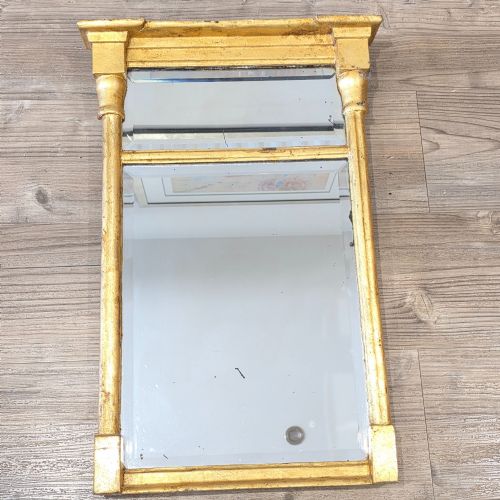
Regency frames lean toward classical restraint, featuring architectural elements like columned sides, rope twist borders, and convex glass plates set within circular bezels. These pieces often incorporate ebonised details alongside gilded surfaces.
Look for proportion and motifs derived from ancient Roman and Greek design rather than the flowing asymmetry typical of later revival styles.
What is a girandole mirror?
A girandole is a wall mirror fitted with attached candle branches or sconces extending from the lower frame. The candle arms multiply the light within the space by reflecting the flames across the gilded surface.
These pieces function as both lighting fixtures and decorative wall focal points in period interiors.
Are replacement mirror plates acceptable?
Later mirror plates appear frequently in nineteenth-century frames due to the fragile nature of historic glass over long periods. A replacement plate does not diminish the decorative impact of the carved giltwood frame.
Examine the backboards and mirror edge bevels to determine whether the glass is original to the period of the frame or a subsequent update.