

Antique Wall Sconce Mirror
These antique wall sconce mirror pieces combine reflective glass and candle arms to catch the light, bringing depth and illumination to a room.
Antique Wall Sconce Mirror
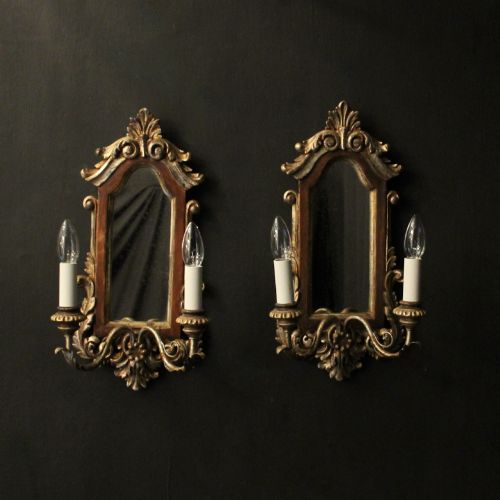
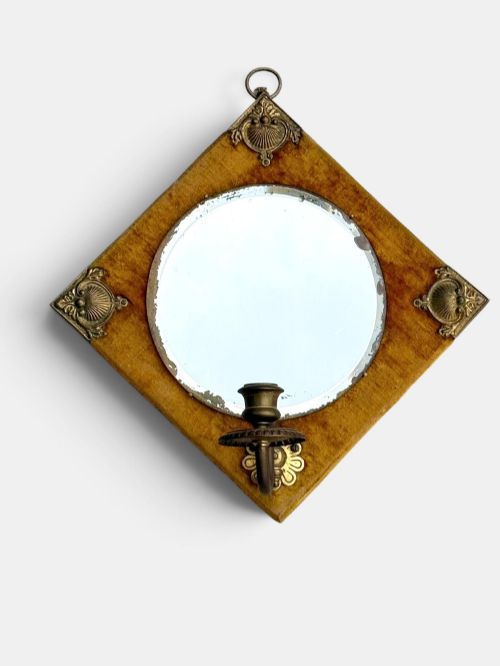
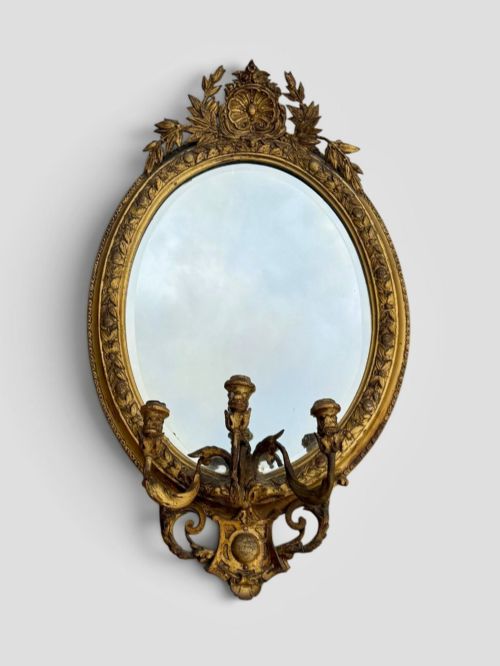
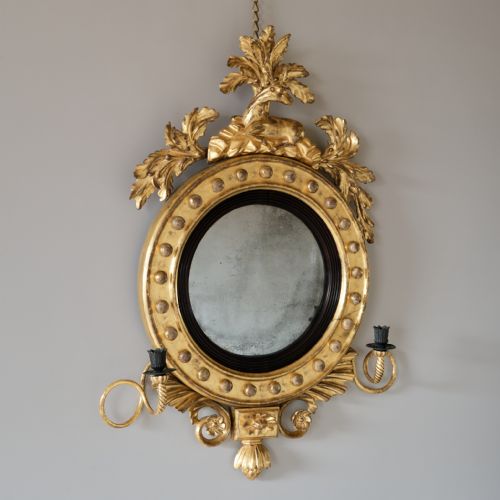
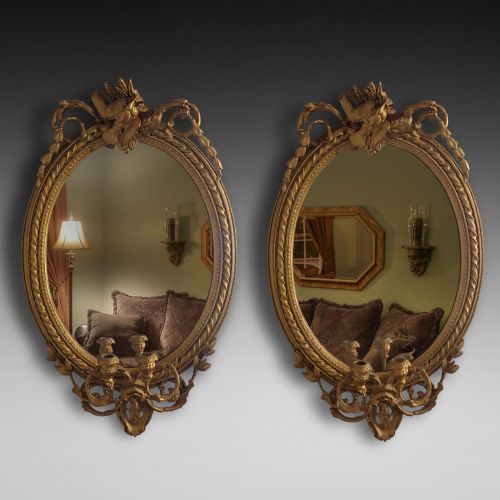
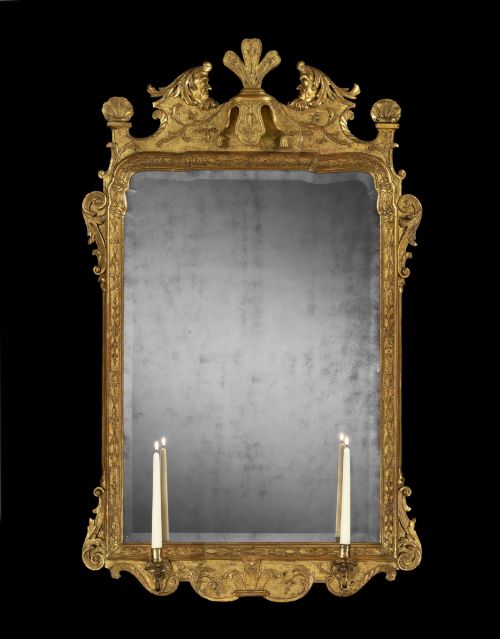
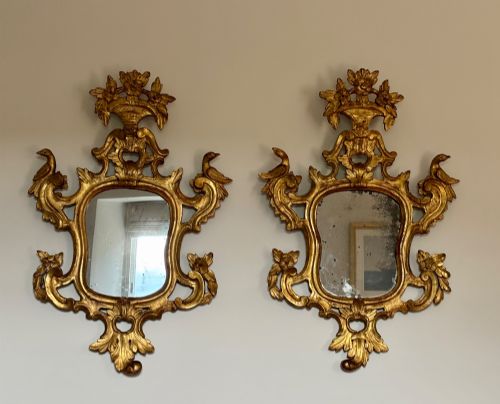
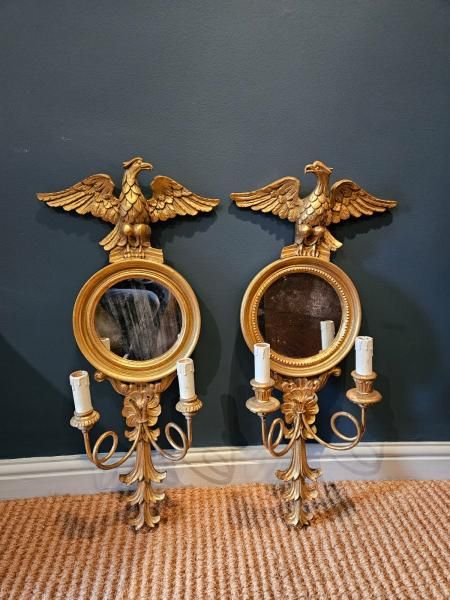
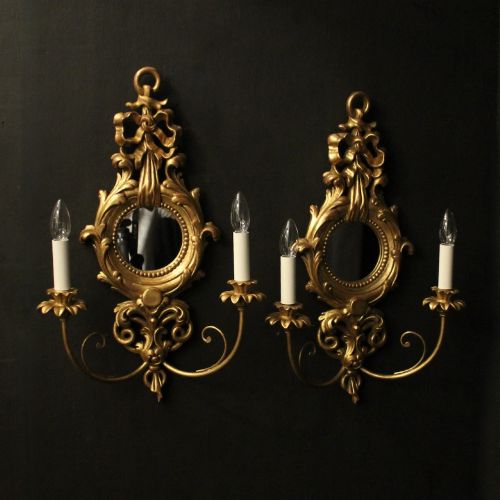
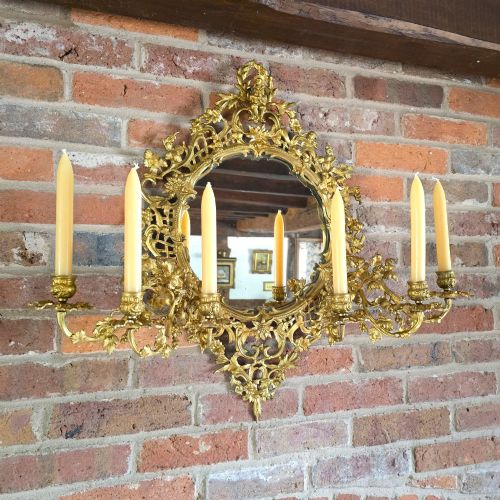
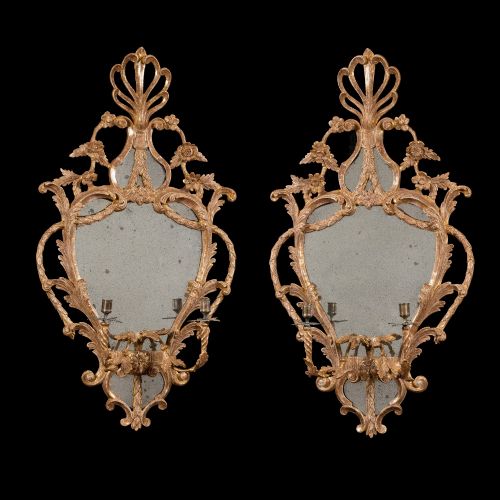
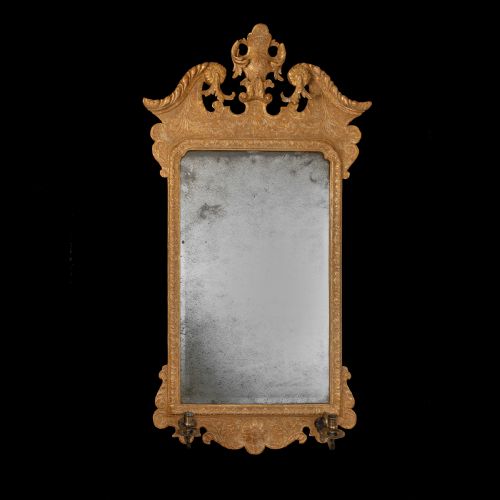
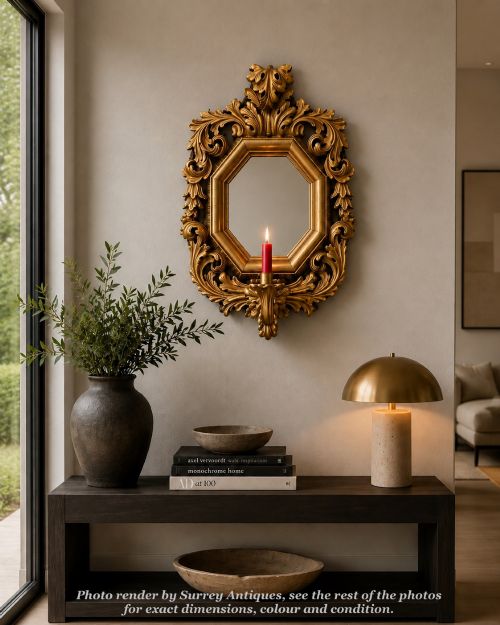
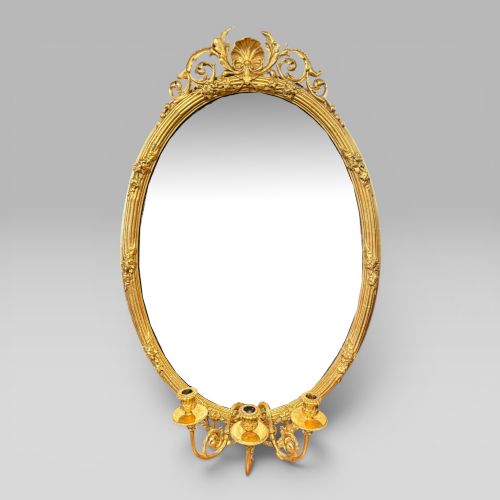
An antique wall sconce mirror brings together reflective glass and candle branches in a single wall-mounted fixture. When you examine this selection, you encounter forms ranging from simple Edwardian velvet frames with brass mounts to elaborate 18th century George II carved gilt gesso mirrors and French Rococo girandoles.
The objects span multiple centuries, including Regency convex looking glasses, Victorian gilt and gesso wall mirrors, and 1930s twin arm variants. Many examples survive as pairs, designed to balance light and symmetry on either side of a fireplace or mantelpiece.
Origins stretch across English, French, Venetian, and Chinese Chippendale styles, showing how different workshops adapted decorative lighting. The primary function remains consistent: projecting candlelight into a room through the glass plate.
Assessing quality
The depth and detail of the hand-carved gesso or wood determine the visual strength of the frame, distinguishing crisp 18th century George I moulding from simpler later production. Original gilding versus later overpainting alters the surface texture and historical integrity of the piece.
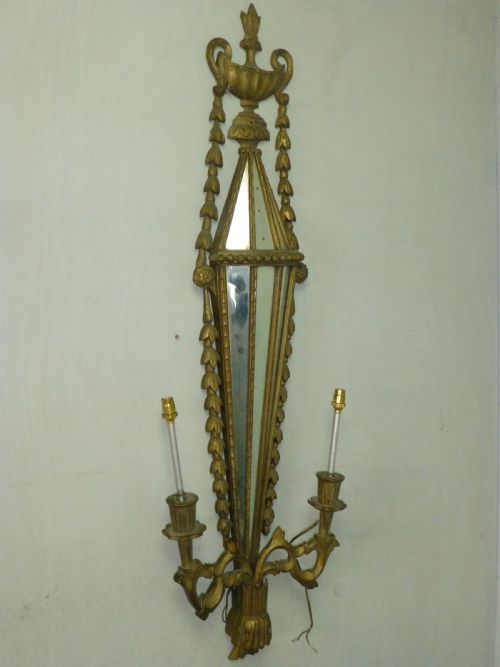
The integration of the candle arms with the mirror frame indicates the level of original craftsmanship, particularly in complex girandoles and multi-branch ormolu wall lights.
Materials recorded across the inventory include ebonised wood, cast iron, bronze, and original mirror glass.
Benjamin Goodison·Cottier & Co.
The Antique Wall Sconce Mirror Glossary
- Girandole
- A branched wall light or candelabra incorporating a mirrored backplate to multiply the flickering candle flame. These fixtures often feature intricate carved frames.
- Gesso
- A plaster-like mixture applied to a wooden frame and carved before gilding. It allows for sharp decorative details and relief work.
- Foxing
- Age-related spots and discoloration on the mirror plate caused by the degradation of the backing material over time. Collectors value authentic foxing as a sign of age.
- Convex mirror
- A circular looking glass with a curved, bulging surface that provides a wide-angle reflection of the interior. These often feature giltwood frames with ball accents.
- Ormolu
- Gilt bronze decorative mounts applied to furniture and frames, popular in French pieces. The technique involves a mercury-gilding process used on historical metalwork.
Antique Wall Sconce Mirror: Frequently Asked Questions
Were these designed for candles or electricity?
Original examples were built exclusively to hold wax candles or oil lamps, using the reflective glass to amplify the ambient light in dim rooms. Many retain their original brass or bronze sockets and drip pans.
While some owners choose to wire them for electric lighting, others prefer to use them with unlit candles to preserve the historical fabric of the piece.
What is foxed glass?
Foxed glass refers to the speckled, dark patches that develop behind the glass plate as the silvering degrades over decades. This natural ageing process creates a soft, mottled reflection rather than a sharp modern mirror image.
Many collectors seek out original plates with authentic foxing because it proves the glass has not been replaced.
How do I clean an antique gilt frame?
Dust giltwood and gesso frames very gently with a dry, soft artist brush or ostrich feather duster. Moisture and chemical cleaners will damage fragile gold leaf and historical water gilding.
Avoid touching the metallic surfaces directly, as oils from skin can tarnish exposed metal mounts and degrade vulnerable gesso details.