

Antique English Mirror
When choosing an antique english mirror, you select from centuries of domestic craftsmanship designed to amplify light and space in a room.
Antique English Mirror
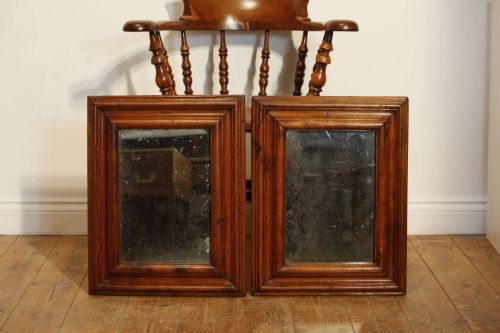
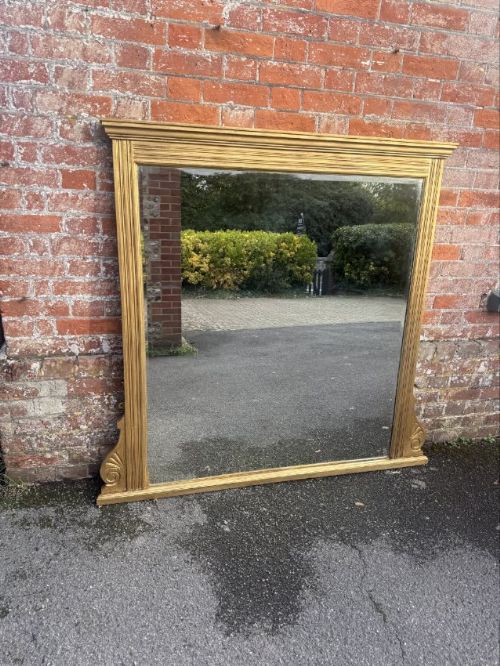
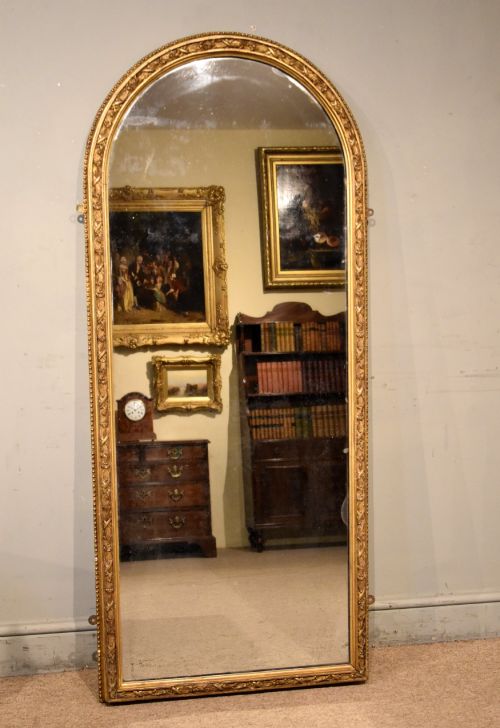
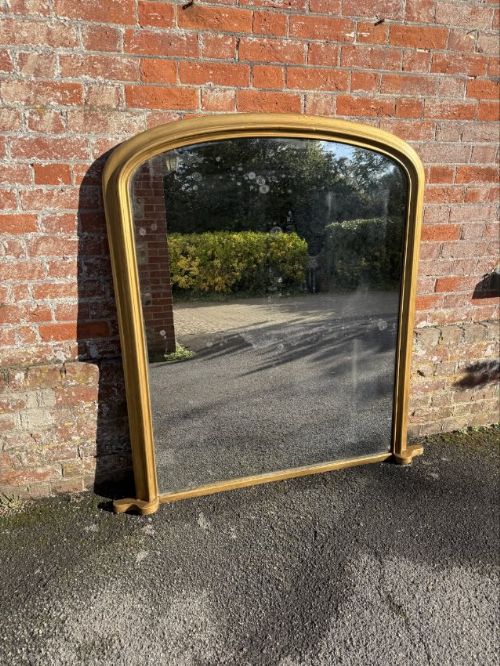
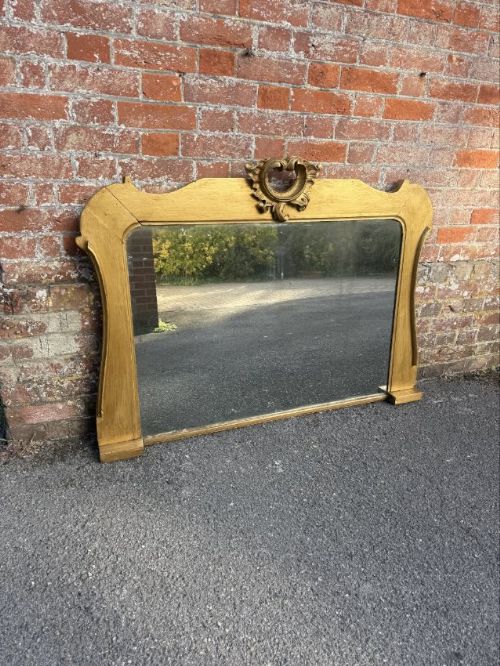
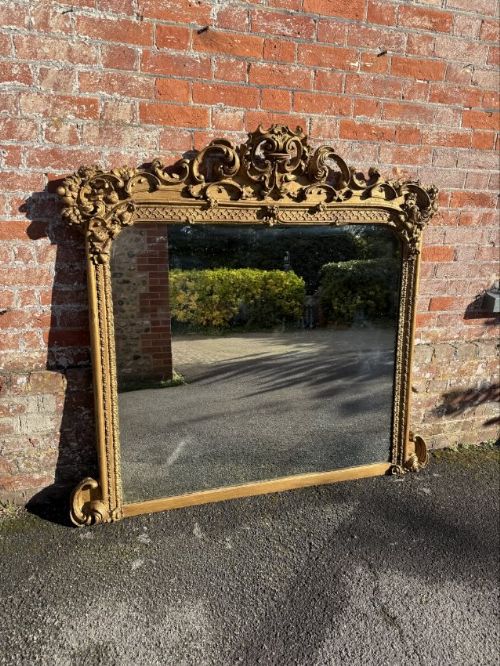
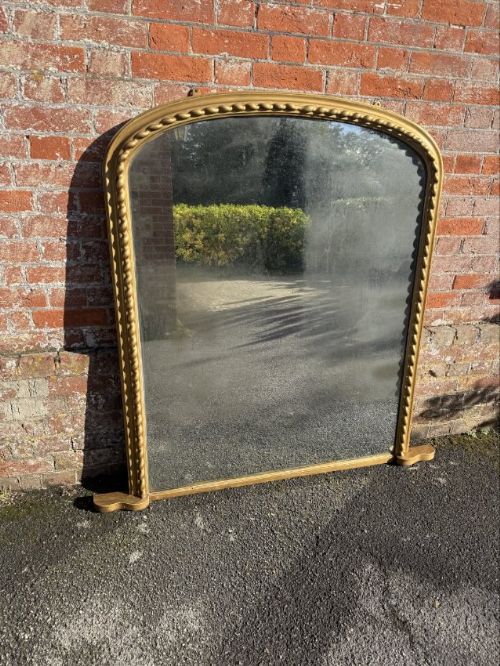
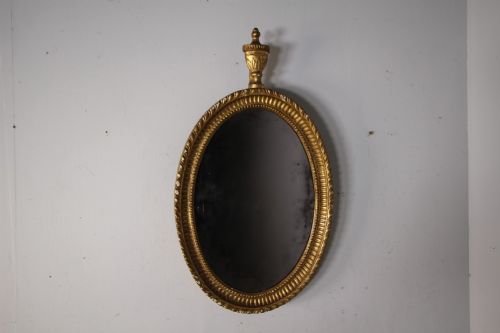
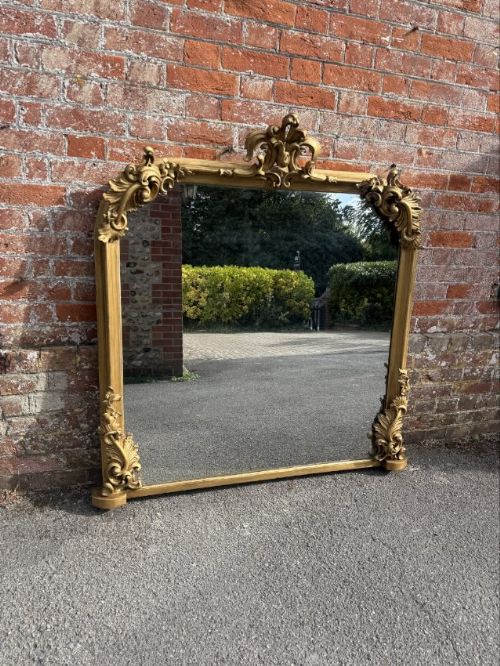
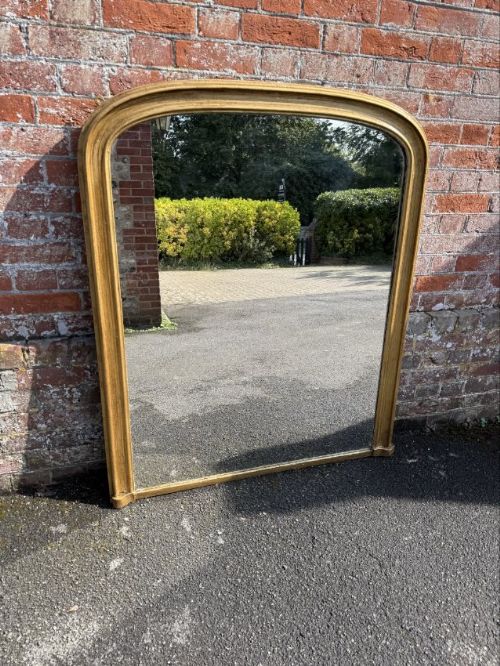
An antique english mirror encompasses various domestic forms from the Georgian, Regency, and Victorian eras designed for walls, mantels, and dressing rooms. Wall mirrors, pier glasses, and cheval mirrors dominate the selection alongside large arched overmantel pieces.
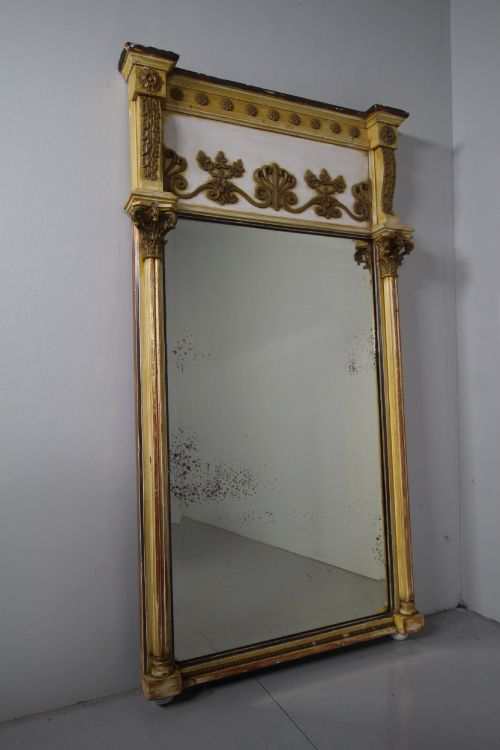
The material record spans centuries of timber frames and gilded ornamentation, with mahogany, walnut, oak, and satin birch appearing frequently. Gesso applied over carved wood provides the foundation for intricate gilt surfaces on nineteenth-century designs.
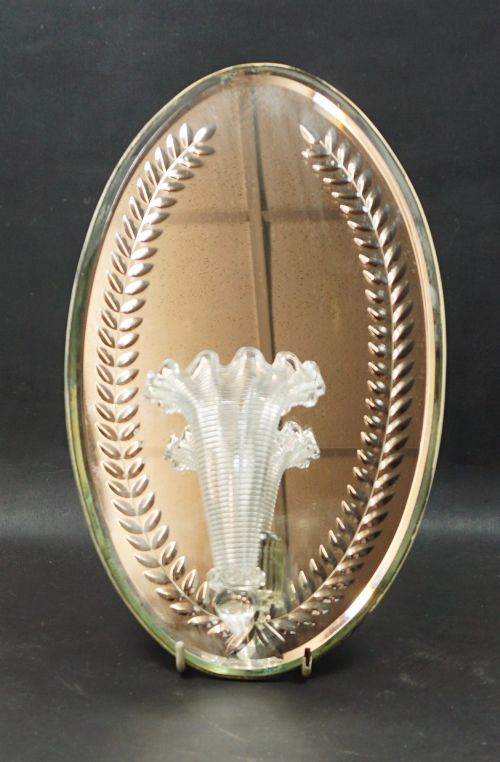
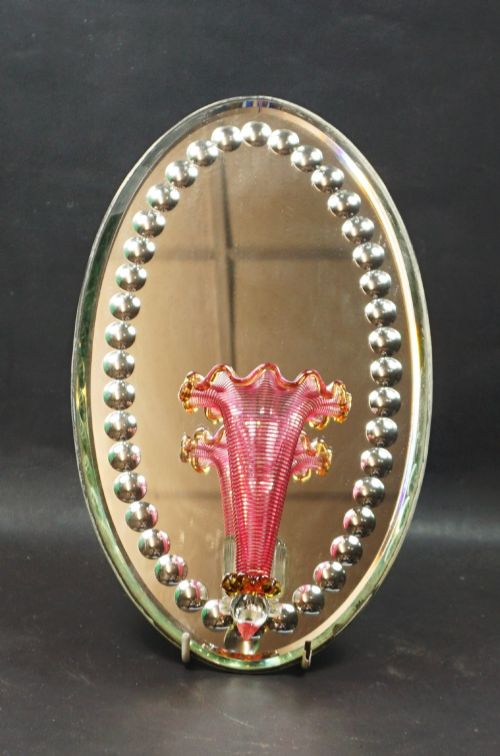
Pieces range from simple country house mahogany frames to grand reception room mirrors with giltwood and verre eglomise panels. Buyers encounter both rectangular formats and shaped top designs intended for specific architectural settings.
How they were made
Makers constructed wooden frames using joined timber such as mahogany, walnut, and oak, often shaping them with carved details or plain mouldings. Gesso, a mixture of plaster and binder, was laid over carved wood to build up raised ornamentation before guilding.
Gold leaf and silver gilt finishes were applied to gesso surfaces to create brilliant reflective frames suited for formal interiors. Mirror glass plates were set within these frames, sometimes showing foxing from age and chemical breakdown of the backing.
Antique English Mirror Retail Price Guide 2026
Typical asking prices for english mirror among the pieces listed under this phrase on Sellingantiques today, from the lower quarter to the upper quarter. They describe what is for sale here now, not the wider market.
Listings feature eighteenth-century mahogany wall mirrors alongside ornate nineteenth-century giltwood overmantels.
What varies in quality
The standard of carving and the depth of the gesso mouldings separate ordinary frames from exceptional examples. Crisp execution of motifs like rope twists, columns, and tulip frames indicates superior workshop output.
Originality determines the standing of a piece, particularly the retention of the original mirror plate, gilding, and backboards. Altered surfaces or replaced glass plates alter the integrity of an antique english mirror.
The Antique English Mirror Glossary
- Overmantel mirror
- A large horizontal mirror designed to sit directly above a fireplace mantel. These pieces frequently feature arched tops and elaborate gesso mouldings.
- Gesso
- A plaster-based material applied to wood frames to create a smooth surface for gilding. Skilled artisans carved intricate relief details into this layer.
- Verre eglomise
- A cold decoration technique where design is applied to the reverse of glass using leaf metal. This appears on Regency pier mirrors.
- Cheval mirror
- A freestanding full-length mirror hung on a frame with vertical pivots allowing it to tilt. These often stand on barley twist or turned supports.
- Foxing
- Age-related spots and discolouration within the mirror plate caused by degradation of the reflective backing. Collectors often appreciate this sign of authenticity.
Antique English Mirror: Frequently Asked Questions
Where should I hang an overmantel mirror?
These large mirrors are traditionally positioned directly above a fireplace mantelpiece to reflect light across the room. Their proportions match the width of the fireplace surround.
Ensure the wall fixings can support the substantial weight of carved wood and gesso frames before hanging.
What is a pier mirror?
A pier mirror is a tall, narrow glass designed to hang on the wall space between two windows. They often incorporate painted glass panels or consoles.
These pieces were used in Georgian and Regency drawing rooms to maximise natural daylight.
How do I care for antique glass?
Clean mirror plates gently using a soft, dry cloth to remove dust without disturbing old edges. Avoid spraying liquid directly onto the glass or frame.
Moisture can seep behind the silvering or damage vulnerable gesso and giltwood surfaces.
Are original mirror plates common?
Many pieces retain their original glass, which may display minor imperfections or foxing. These natural signs of ageing confirm the historic nature of the object.
Replaced plates appear cleaner but lack the characteristic distortion and depth of antique glass.