


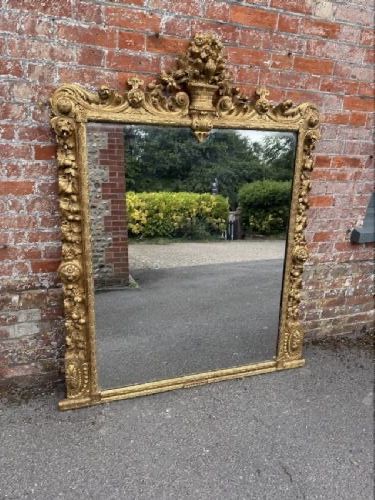
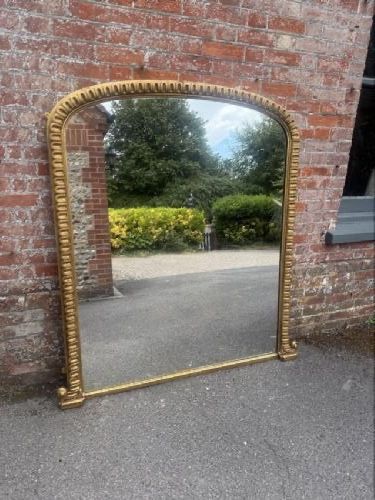
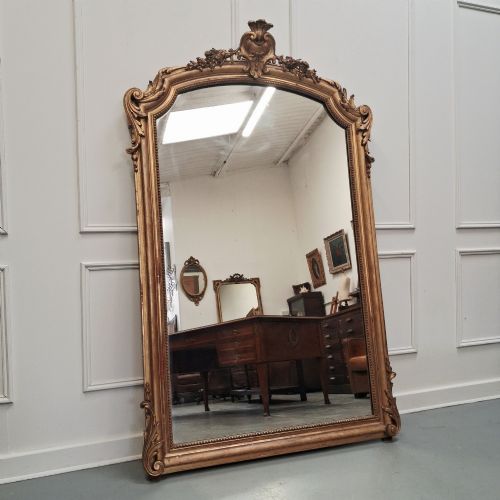
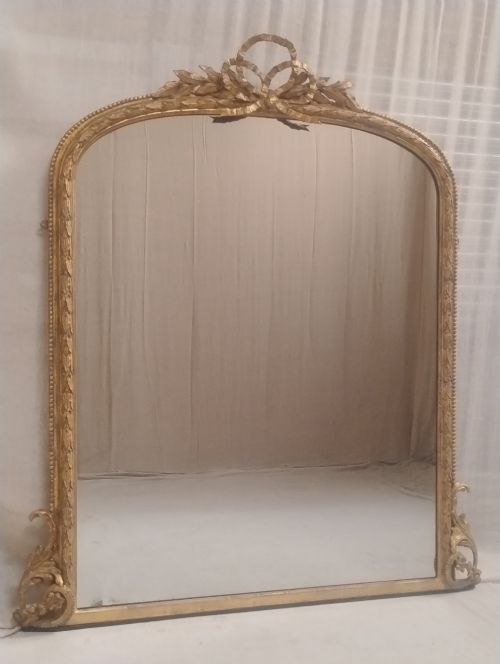
Victorian Gold Mantel Mirror
When you search for a victorian gold mantel mirror, you are seeking a grand focal point designed to sit above a fireplace and bounce light across a room.
Victorian Gold Mantel Mirror
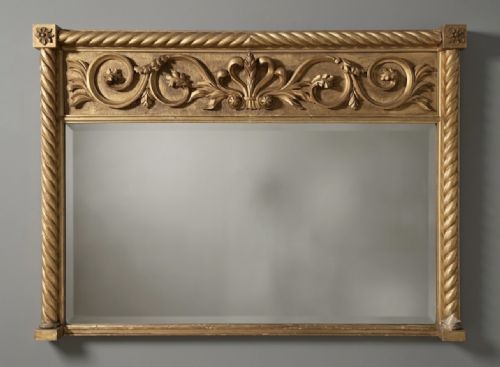
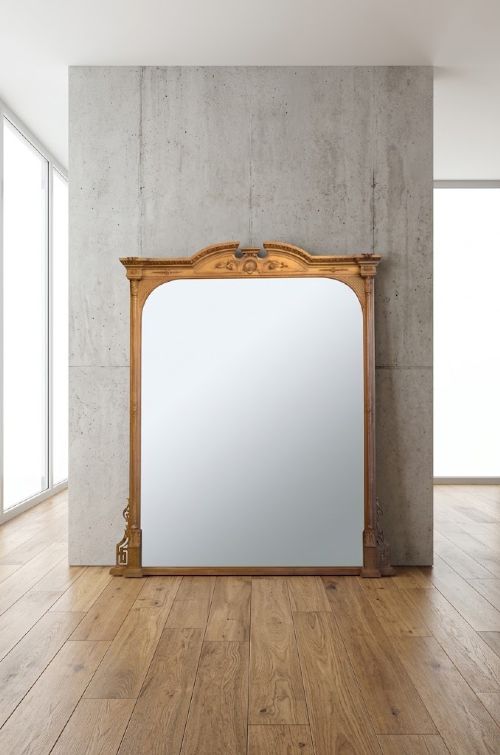
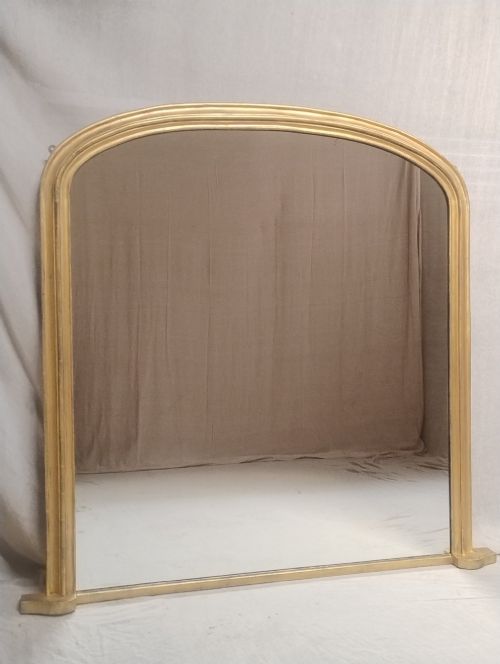
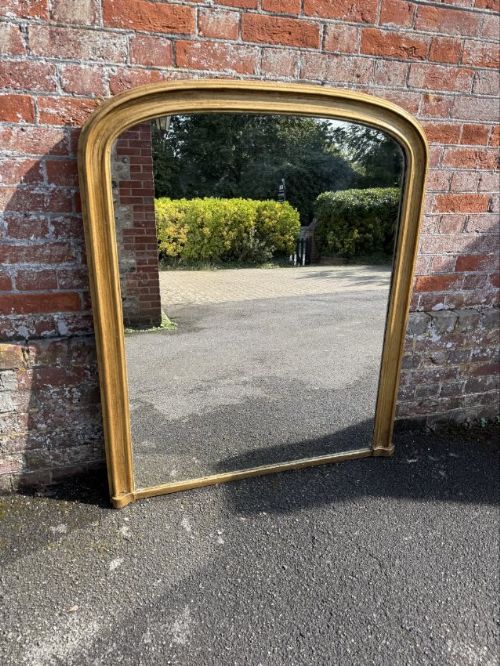
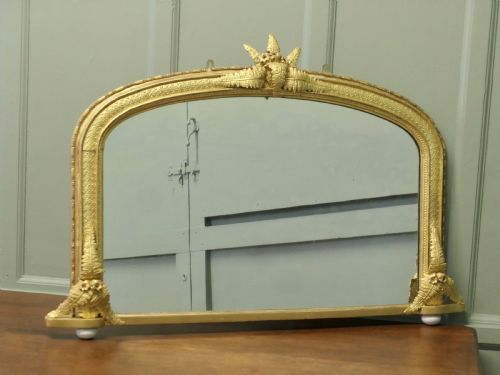
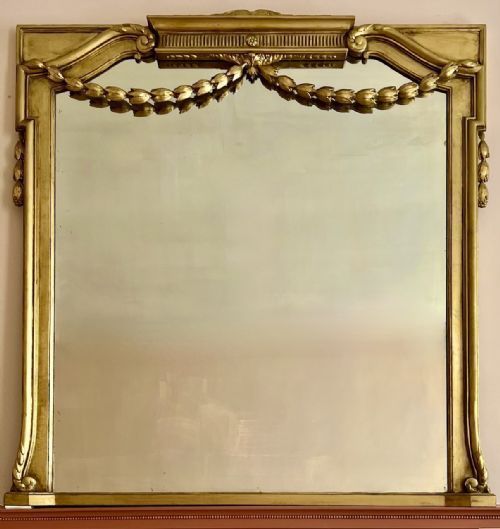
A victorian gold mantel mirror is a large wall-hanging or overmantel piece traditionally proportioned to anchor the space above a chimney breast. These architectural furnishings reflect the grandeur of nineteenth-century interiors through generous scale and luminous gilding.
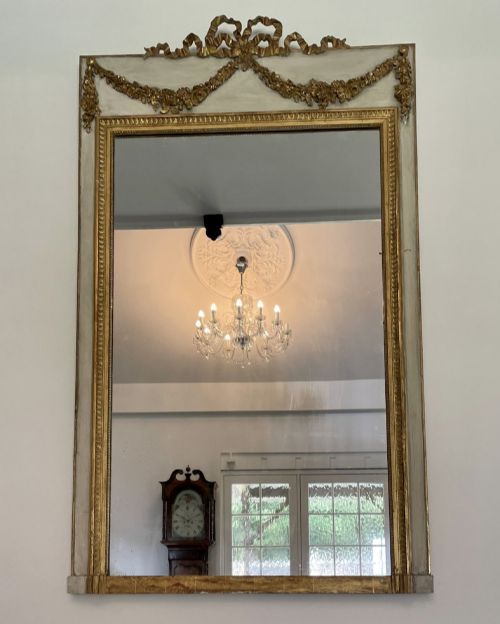
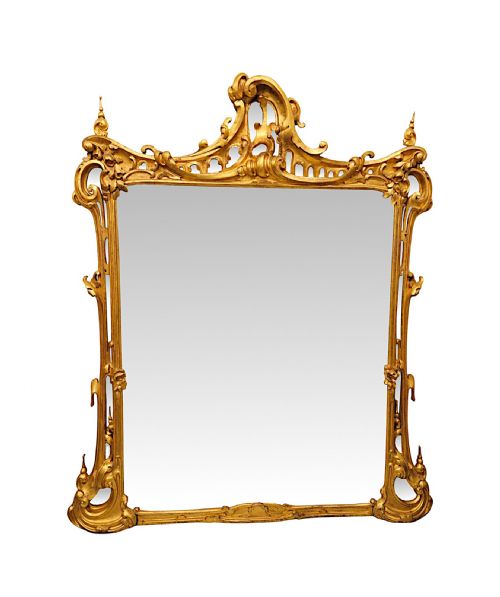
Most examples found here span the period from eighteen sixty to eighteen eighty, taking forms such as arched tops, swept frames, and crested designs. English and French origins dominate the selection, bringing stylistic variety from neoclassical restraint to ornate rococo revival.
Makers shaped these heavy frames to sit securely on mantelpieces or hang as primary wall pier mirrors. The predominant formats include large rectangular and arched silhouettes designed to draw the eye upward in principal reception rooms.
How they were made
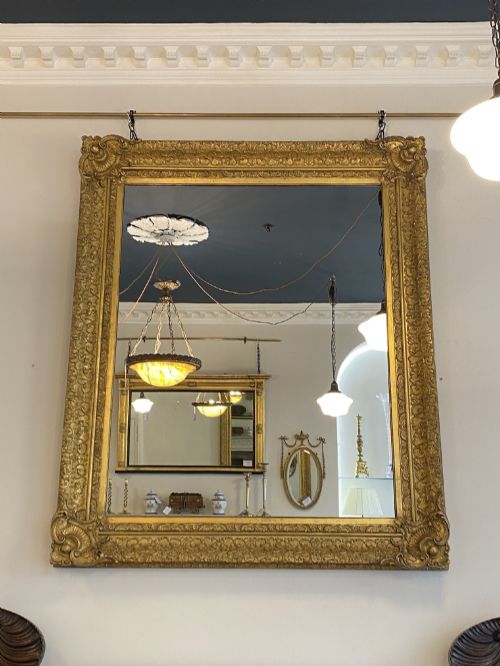
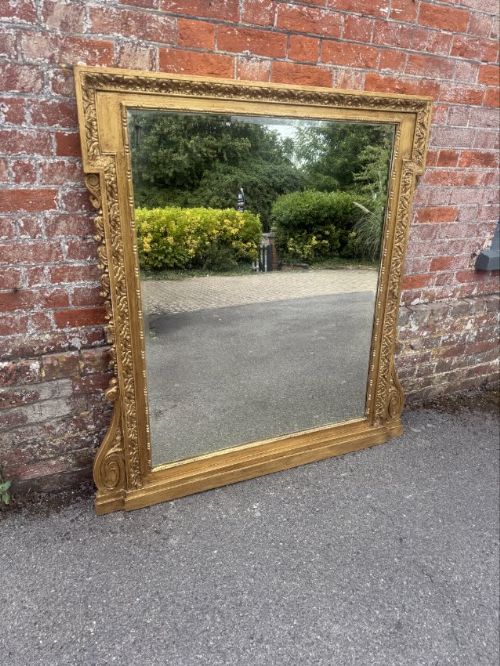
The primary structural framework relies on solid wood, frequently carved or built up with moulded composition ornaments. Craftsmen applied layers of gesso over the wooden base to create a smooth, receptive surface for subsequent gilding.
Giltwood and gold leaf finishes provide the characteristic metallic brilliance, occasionally paired with painted ribbed sections or ebonised and parcel-gilt contrasts. Glass plates, sometimes featuring original foxing, are set within these ornate surrounds to complete the piece.
Listings span multiple decades from eighteen hundred to the end of the nineteenth century, featuring materials such as gesso, giltwood, and composition.
What varies in quality
The depth and clarity of the hand-carved woodwork set the finest pieces apart from simpler moulded composition versions. Crisp detail in scrolls, cartouches, and cresting indicates superior craftsmanship during the original manufacturing process.
The condition and retention of the original gold leaf or giltwood surface determine the visual impact of a surviving mirror. Preservation of early mirror glass, including natural foxing, maintains the authentic historical character of the object.
The Victorian Gold Mantel Mirror Glossary
- Gesso
- A plaster-like material applied to wood frames to provide a smooth base for gilding. It is often moulded into decorative relief patterns.
- Giltwood
- Timber that has been coated with gold leaf or gold paint. This technique gives frames their rich metallic lustre.
- Overmantel
- A large mirror specifically designed to be hung or placed directly above a fireplace mantelpiece. These pieces often feature wide proportions to match the width of the hearth.
- Foxing
- Age-related spots and browning that appear within the silvering of antique mirror glass. This chemical oxidation creates a speckled, cloudy appearance.
- Cartouche
- An ornamental tablet or oval frame motif resembling a rolled-up scroll. It frequently forms the central decorative crest on elaborate mirrors.
- Composition
- A mouldable mixture of whiting, resin, and oil pressed into decorative ornaments. Makers used it on frames as a faster alternative to hand carving.
Victorian Gold Mantel Mirror: Frequently Asked Questions
How do I hang a heavy overmantel mirror safely?
These large nineteenth-century frames require heavy-duty fixings secured directly into the masonry wall rather than standard plasterboard hooks. Professional installation ensures the weight is distributed safely above the fireplace.
Weight distribution brackets and mirror plates screwed into the wooden frame backing provide the necessary support for safe hanging.
Can these mirrors rest on a mantelpiece without hanging?
Many examples are designed with flat bases intended to rest securely directly upon a wooden or stone mantel shelf. Safety fixings are still recommended to prevent the heavy frame from tipping forward.
Wall anchors attached near the top of the frame secure the piece against the wall while it rests on the shelf.
How do I clean antique gilt frames?
Dust giltwood and gesso surfaces gently with a very soft, dry brush to avoid damaging the delicate metallic leaf. Water and chemical cleaning products must be avoided entirely to preserve the historic finish.
Glass panels can be cleaned with standard glass cleaner applied to a cloth rather than sprayed directly onto the glass, protecting the surrounding frame.
What is the difference between an overmantel and a wall mirror?
Overmantel mirrors are proportioned specifically to span the width of a fireplace surround and often feature horizontal or arched formats. Standard wall mirrors generally focus on vertical balance for narrower wall spaces.
Overmantel pieces frequently incorporate wide bases and heavy crests intended to be viewed from a standing or seated position in a living room.
What does original foxing mean for value?
Foxing refers to the natural ageing spots and dark patches that develop within the reflective backing of antique mirror glass over decades. Collectors often view this as proof of genuine nineteenth-century age.
While some buyers prefer unblemished reflection, original foxing confirms the glass has not been replaced in modern times.