

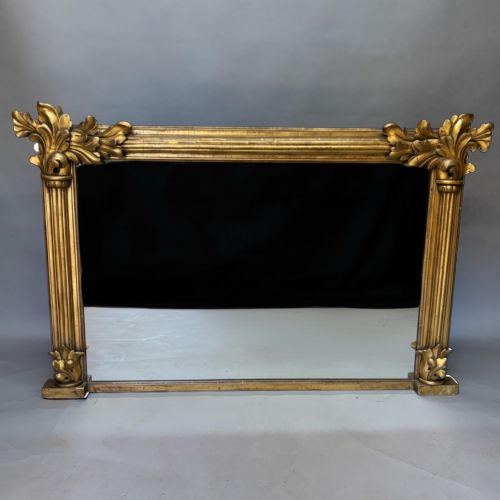
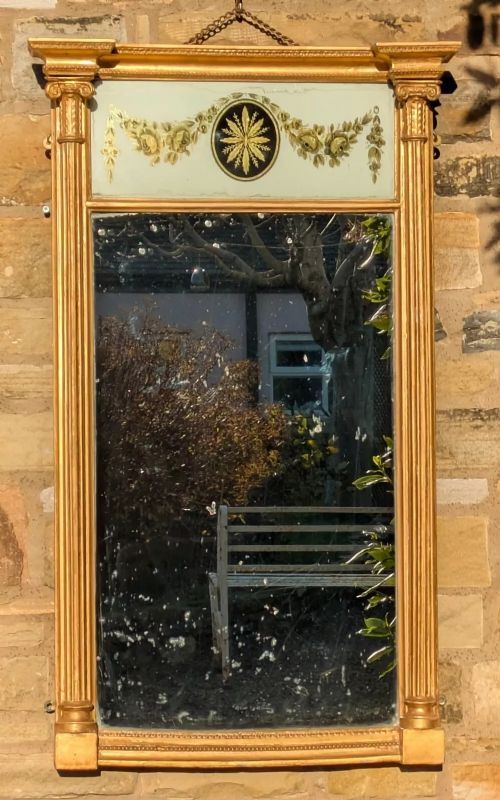


Fluted Column Pier Mirror
A fluted column pier mirror brings architectural presence to a room, offering tall reflective glass framed by classical vertical lines.
Fluted Column Pier Mirror
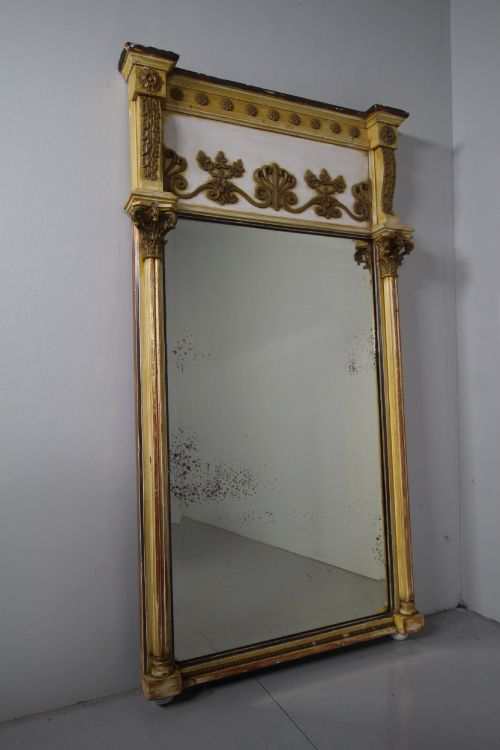
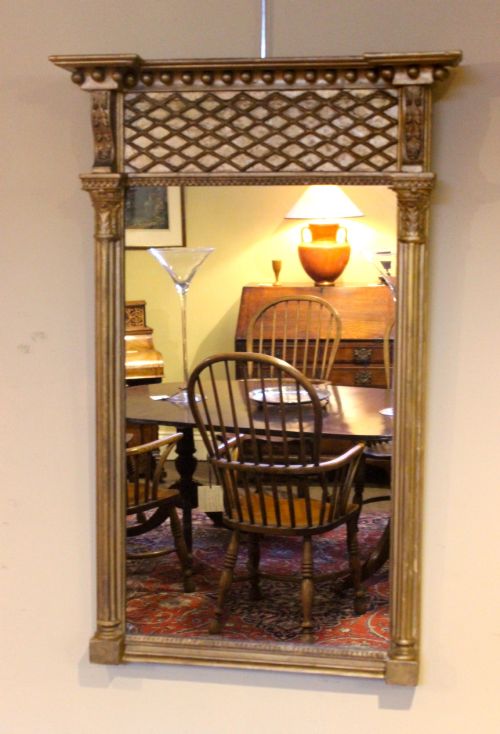
A fluted column pier mirror is a tall wall-hanging or console-mounted glass designed to sit on the narrow wall space between windows. These pieces belong predominantly to the Regency, Georgian and wider nineteenth-century periods, drawing heavily on Neoclassical and French Neoclassical design principles.
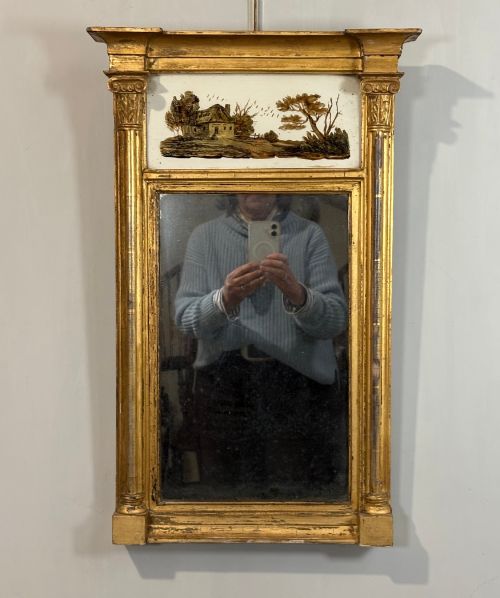
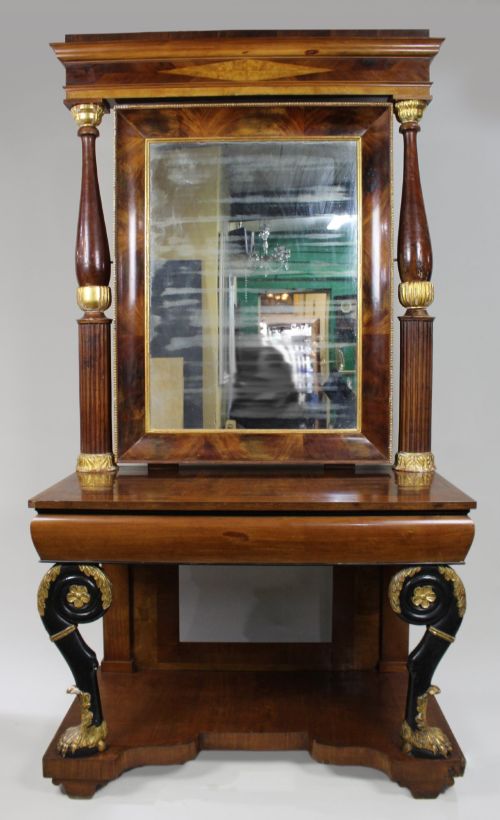
The versions encountered on this page span several distinct forms, including simple wall mirrors, pieces paired with console tables, and examples featuring verre eglomise panels above the main glass. Such items typically utilise timber frameworks styled with architectural columns, reflecting the formal interior tastes of their original eras.
How they were made
Construction relies upon traditional timber framing, utilising mahogany, painted wood, and ebonised timber to form the structural carcass and column details. Carved wood and gesso provide the substrate for decorative elements.
Finishes are applied using gold leaf, giltwood, and simple paintwork to achieve the metallic or coloured surfaces characteristic of nineteenth-century decorative arts. Original mirror plate is then fitted within these heavy frames to complete the piece.
Fluted Column Pier Mirror Retail Price Guide 2026
Typical asking prices for fluted column pier mirror among the pieces listed under this phrase on Sellingantiques today, from the lower quarter to the upper quarter. They describe what is for sale here now, not the wider market.
Listings feature items exclusively from the nineteenth century, including Georgian and Regency periods.
What varies in quality
Quality differences emerge in the crispness of the column fluting and the depth of the carved wood details around the frame. Superior examples demonstrate precise hand-tooling and careful application of gold leaf or giltwood over gesso.
The integration of specialised decorative components, such as verre eglomise panels or paired console tables, distinguishes finer studio output from simpler commercial production. The preservation of original mirror plate and consistent ebonised or painted timber surfaces further separates standard items from exceptional ones.
The Fluted Column Pier Mirror Glossary
- Pier mirror
- A tall mirror designed specifically for the wall space between two windows. These pieces often hung above low console tables.
- Verre eglomise
- A cold decoration technique where design is applied to the reverse of glass using gold or silver leaf and paint. It frequently appears in panels above the main mirror plate.
- Giltwood
- Wood that has been treated with gesso and covered in thin sheets of gold leaf or metal powder. This finish gives frames their bright, metallic appearance.
- Ebonised timber
- Wood stained or painted deep black to imitate ebony. This dark finish was popular during the Regency period for contrast against gold leaf.
Fluted Column Pier Mirror: Frequently Asked Questions
What is a pier mirror?
A pier mirror is a tall, narrow glass designed to hang on the wall space between two windows. They were built to maximise natural light in period rooms.
Many examples were paired directly with matching console tables positioned just beneath the glass.
How do I date a pier mirror?
Dating relies on identifying stylistic markers such as Regency Neoclassical proportions and architectural column motifs. Material choices like mahogany, gesso, and ebonised timber also help place the piece within the nineteenth century.
Examining the construction methods and the characteristics of the mirror plate provides further clues to the exact period.
Where should I hang one?
These mirrors suit narrow wall spaces, hallways, or above low furniture such as sideboards and console tables. Their vertical proportions draw the eye upward and brighten darker corners of a room.
Ensure the wall structure can support the substantial weight of timber, gesso, and glass.
What is verre eglomise?
Verre eglomise is a decorative technique involving painting and gilding on the reverse side of glass panels. In these mirrors, it often forms a distinct upper panel separated from the main reflective glass.
This method adds colour and artistic detail above the primary mirror plate.