




Classical Pier Mirror
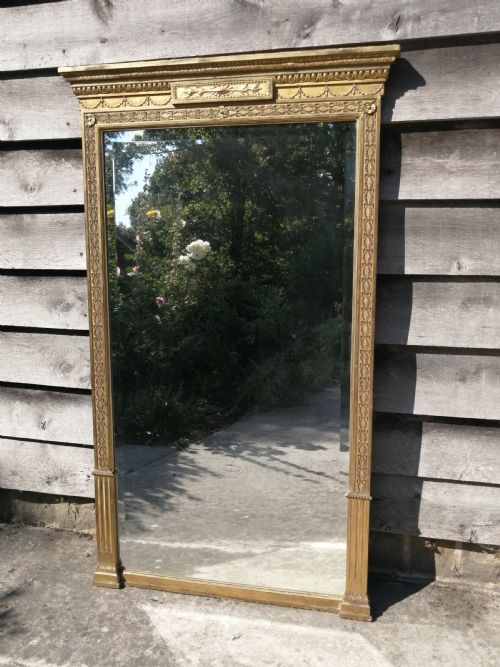
A classical pier mirror commands the narrow wall space between windows, bringing light and neoclassical symmetry into a room through gilded frames and original glass plates.
Classical Pier Mirror
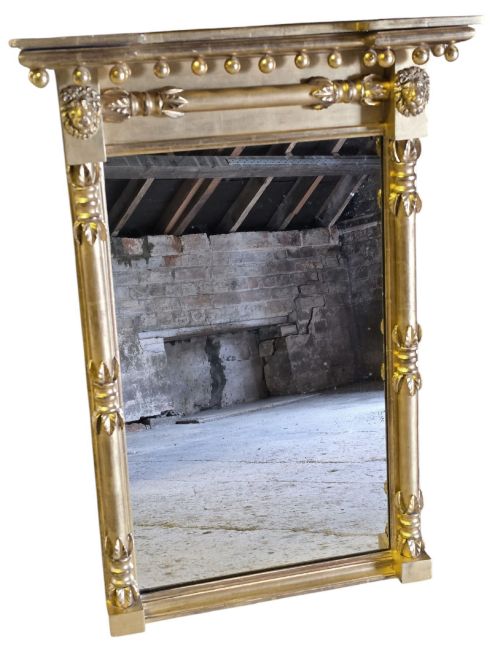
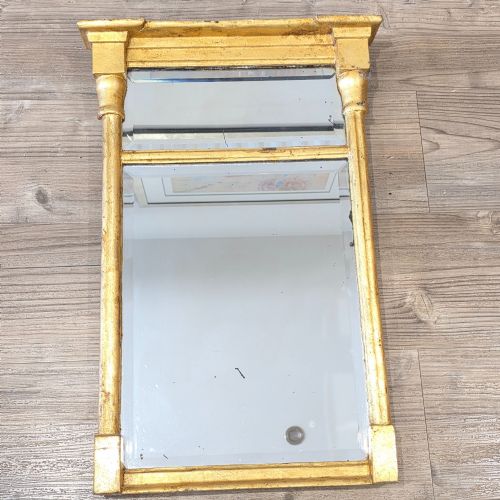
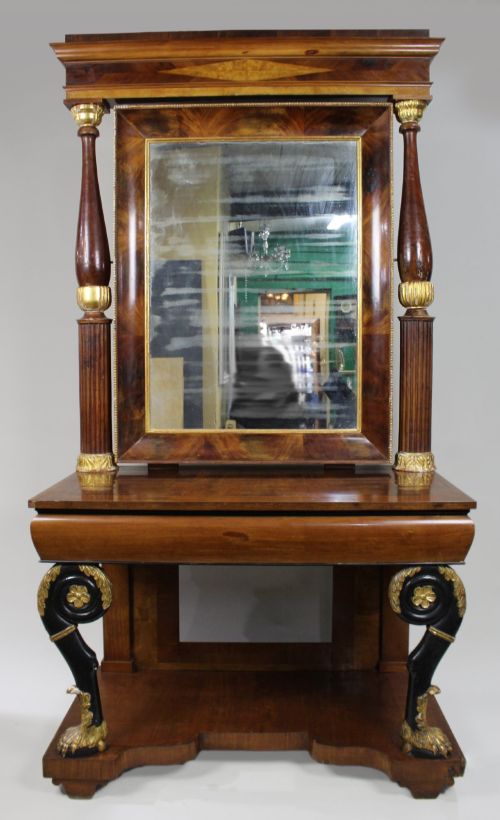
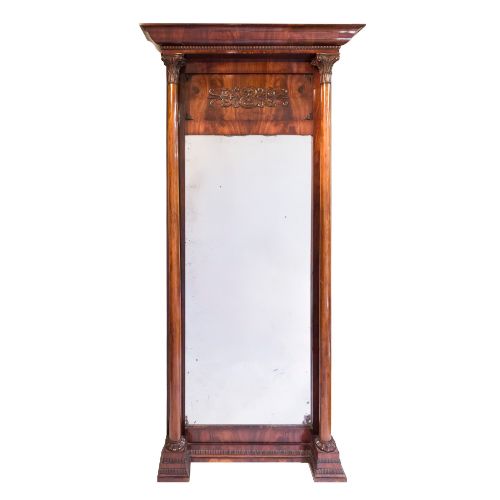
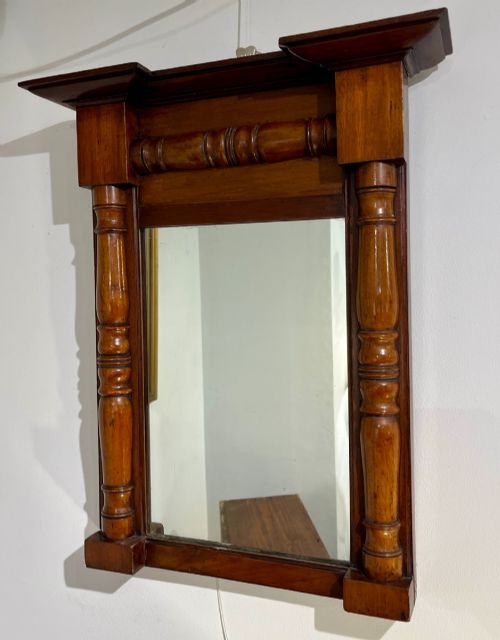
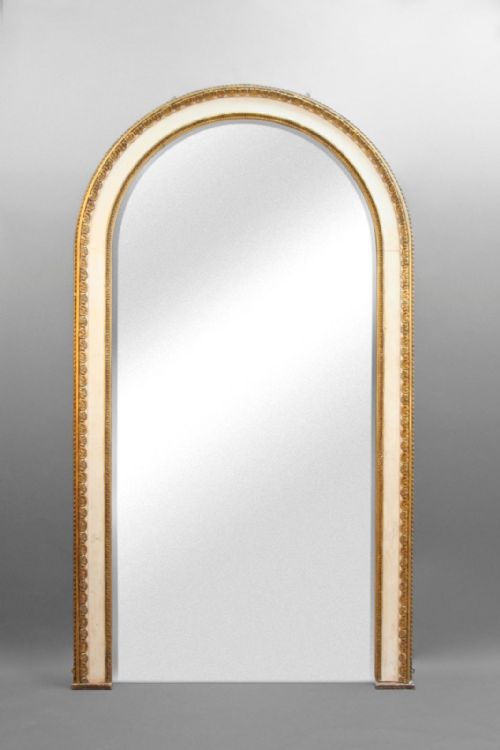
When you search for a classical pier mirror, you encounter tall, vertical wall glasses designed to stand above console tables or between architectural openings. The pieces listed here span the Georgian, Regency, and Victorian eras, alongside French Empire and Louis XVI styles.
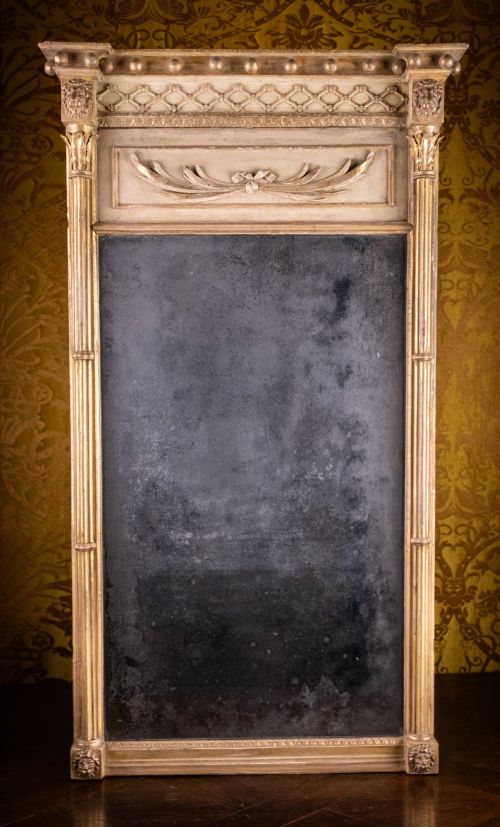
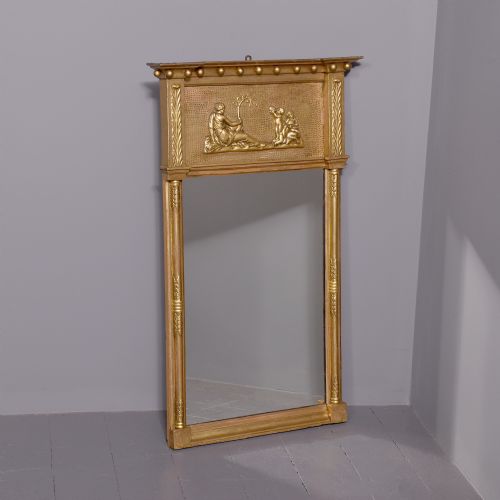
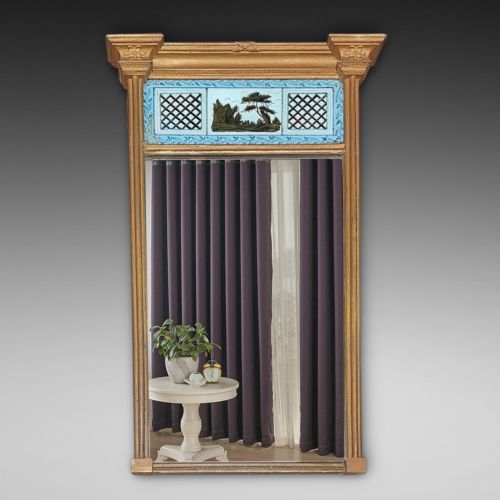
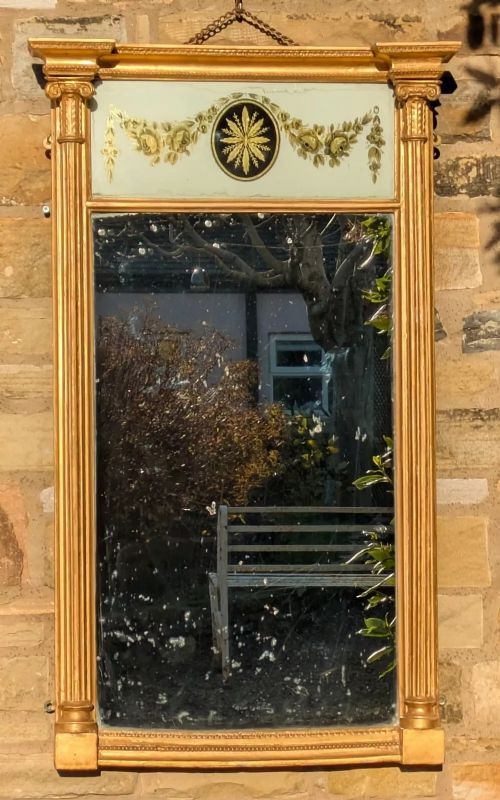
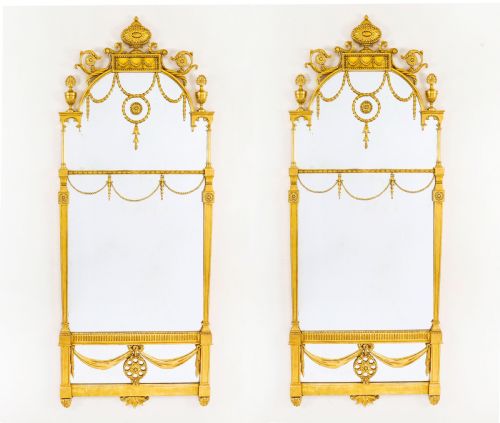
The version you are most likely to meet on this page is the Regency giltwood pier mirror featuring decorative panels and classical motifs. These tall rectangular glasses often incorporate upper sections with verre églomisé or painted panels.
Makers and designers drew heavily from neoclassical taste, producing frames adorned with lion masks, rams' heads, and carved gilt ornamentation. Examples range from simple mahogany frames to grand giltwood and gesso overmantel displays.
What Varies in Quality
The distinction between tiers rests upon the crispness of the original carved woodwork and the depth of the gilding. Superior examples retain their original mirror plates and intact verre églomisé panels, whereas lesser pieces show modern glass replacements and heavily restored gesso.
Proportion and decorative detail dictate value within the category, with items featuring figural elements like lion masks or rams' heads showing higher sculptural ambition. The integrity of the frame construction and the preservation of historical surfaces separate standard decorative mirrors from exceptional period items.
Some mirrors retain foxed glass that has watched over two centuries of interior redecoration without ever leaving the same wall.
The Classical Pier Mirror Glossary
- Pier glass
- A tall mirror specifically designed to hang on the narrow pier of wall between two windows. It frequently sat directly above a matching console table.
- Verre églomisé
- A cold decoration technique involving painting and applying gold leaf on the reverse side of glass. It produces a reflective, ornamental panel often seen at the head of Regency mirrors.
- Giltwood
- Timber, commonly pine or gesso-coated wood, covered in thin sheets of gold leaf. This finish provided the bright, reflective surface characteristic of formal neoclassical interior design.
- Gesso
- A plaster-like mixture applied to wooden frame bases to create a smooth surface for carving and gilding. It allowed artisans to fashion sharp relief ornamentation.
- Trumeau
- A decorative wall mirror featuring an integrated painted or carved panel above the glass plate. These items originated in French interior architecture.
Classical Pier Mirror: Frequently Asked Questions
Where should I hang a pier mirror?
These mirrors suit narrow wall spaces, particularly the expanse of wall situated between two tall windows. Placing them in these spots historically served to bounce natural light further into the room.
They also function effectively above low console tables or mantelpieces where their vertical proportions draw the eye upward.
Are the mirror plates original?
Many surviving pieces retain their original glass plates, which often exhibit characteristic signs of age such as minor foxing, slight distortions, and dark speckling. These subtle irregularities confirm the antiquity of the glass.
Some mirrors have received replacement plates over the centuries to maintain a clearer reflection for modern domestic use.
How do I identify a Regency pier mirror?
Regency pieces typically display distinct neoclassical motifs including ebonised details, classical columns, and decorative verre églomisé panels at the top. The frames rely heavily on moulded giltwood rather than heavy dark timbers.
Proportions remain tall and slender to fit the architectural requirements of early nineteenth-century drawing rooms.
How do I clean a giltwood frame?
Giltwood surfaces require gentle dusting with a soft, dry brush to prevent damage to the delicate gold leaf layers. Moisture and modern cleaning chemicals must be avoided entirely.
Professional conservation is recommended for any deeper cleaning or stabilization of flaking gesso and gilding.