




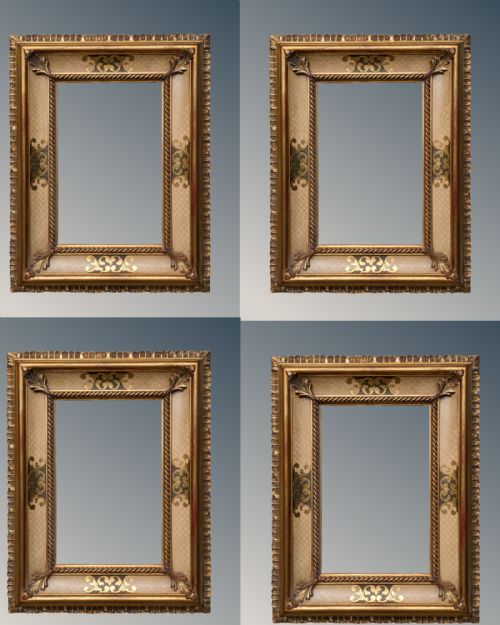


Antique Florentine Frame
An antique florentine frame brings carved Italian craftsmanship and brilliant gilded surfaces to mirrors, paintings, and portraits.
Antique Florentine Frame
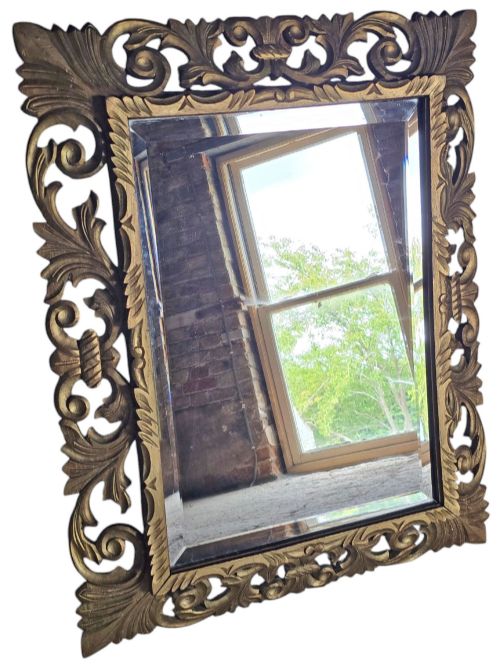
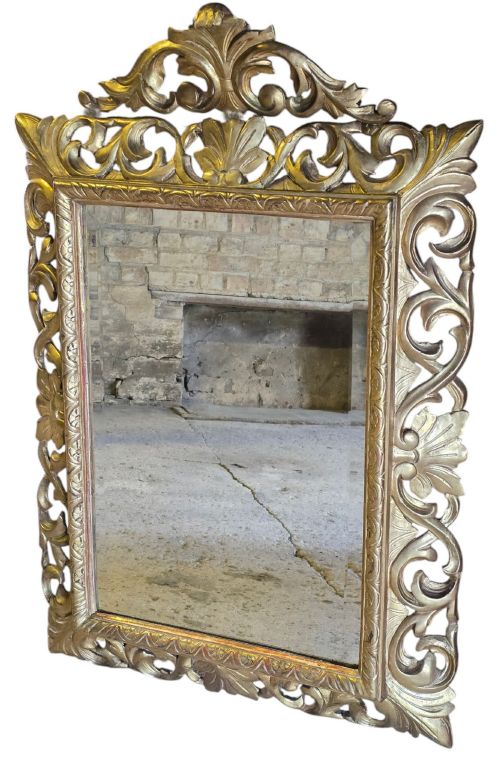
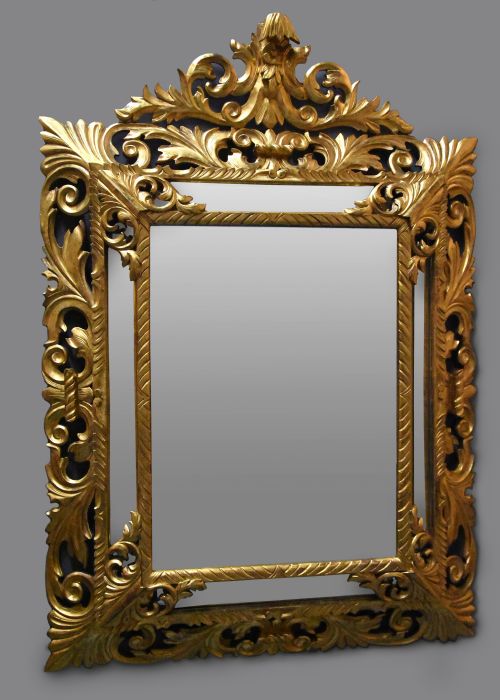
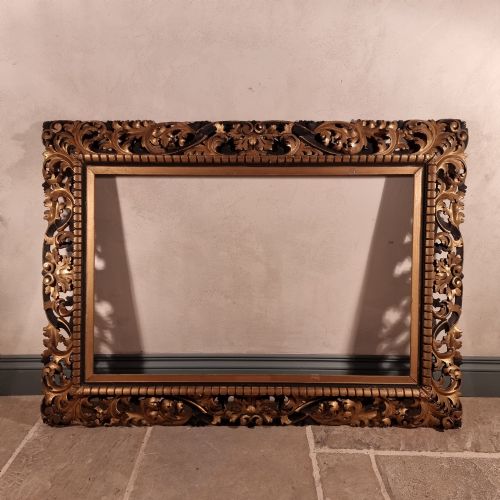
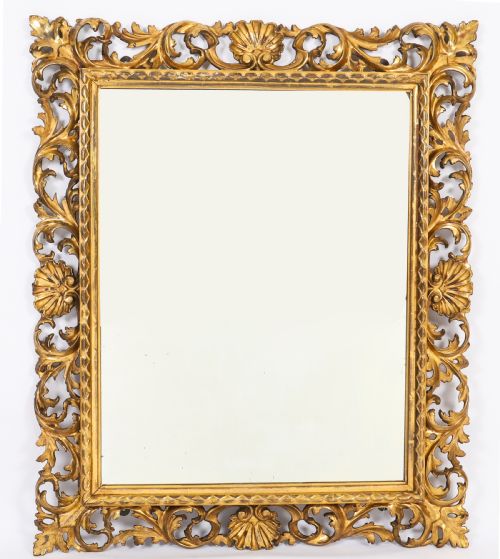
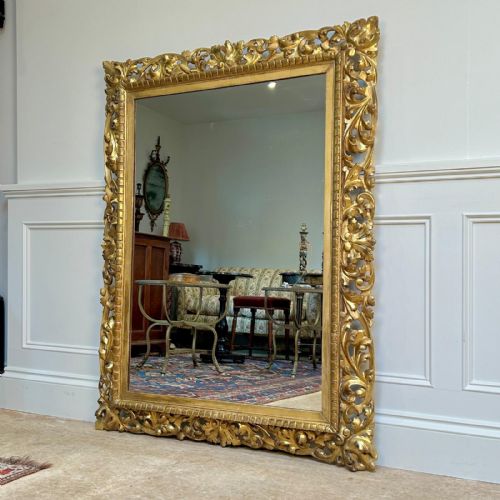
An antique florentine frame is typically encountered as an ornate wall mirror, an overmantle glass, or an elaborate picture enclosure surrounding oil paintings, drawings, and porcelain plaques. These pieces range from grand nineteenth century overmantles to smaller picture surrounds shaped in classical Italian styles.
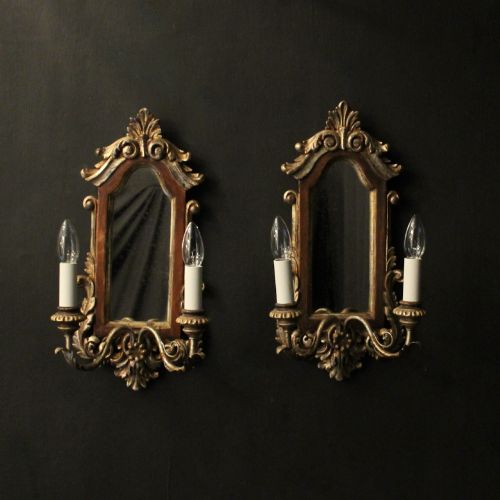
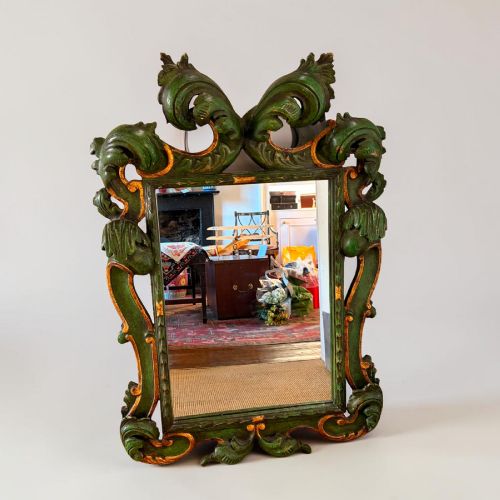
The forms seen here include rectangular wall mirrors, cushion mirrors, and twin arm girandoles alongside empty or filled picture frames. Many display the exuberant curves of Florentine Rococo or Baroque revivals, rooted in historical Italian workshop traditions.
How they were made
Makers shaped these pieces from carved wood and gesso, building intricate decorative reliefs of foliage, scrolls, and fruiting vines before applying gold leaf. Water gilding and hand carving defined the best examples, producing rich metallic surfaces that caught the light.
Some works incorporate specialised materials such as pietra dura marble panels, hand painted ceramic plaques, or cast metal elements alongside traditional glass plates. Each frame relies on traditional joinery and manual carving to achieve its layered, sculptural depth.
Antique Florentine Frame Retail Price Guide 2026
Typical asking prices for florentine frame among the pieces listed under this phrase on Sellingantiques today, from the lower quarter to the upper quarter. They describe what is for sale here now, not the wider market.
Listings span the eighteenth, nineteenth, and early twentieth centuries, featuring giltwood, carved wood, marble, and glass in Florentine and Baroque styles.
What varies in quality
Quality rests upon the depth and crispness of the wood carving, distinguishing sharply hand-carved ornamentation from heavier, less defined mouldings. Sharp relief work along the acanthus leaves and scrolls shows a master hand at work.
The integrity and application of the gold leaf also set examples apart, with genuine giltwood surfaces ageing gracefully compared to flat modern metallic paints. Finer pieces maintain balanced proportions and harmonious integration between the carved frame and its mirror glass or artwork.
Michelangelo Meucci·Federico Andreotti
The Antique Florentine Frame Glossary
- Giltwood
- Wood that has been coated with gold leaf or gold dust over a prepared ground. This creates the signature luminous finish seen on classical Italian mirrors.
- Gesso
- A plaster mixture applied to carved wood as a smooth base for gilding. It allows craftsmen to model sharp relief details before applying gold leaf.
- Girandole
- A branched wall mirror or candleholder designed to reflect light into a room. These decorative fixtures often feature twin arms for candles.
- Overmantle
- A large mirror or frame specifically designed to hang above a fireplace mantel. They typically span considerable widths to anchor a room's interior scheme.
- Pietra dura
- An artistic technique using cut and fitted polished coloured stones to create pictorial designs. It appears on inlaid marble panels housed within Italian frames.
Antique Florentine Frame: Frequently Asked Questions
How do I hang a heavy giltwood mirror?
Hanging a heavy carved wood frame requires securing sturdy fixings directly into wall studs or using heavy-duty masonry anchors. The considerable weight of nineteenth-century glass and giltwood demands professional wall support.
Ensure the hanging wire or integrated mirror brackets are inspected for strength before mounting the piece securely at eye level.
How can I date an Italian gilt frame?
Dating these pieces involves examining the wood construction behind the gesso, the type of gesso preparation, and the wear patterns on the gold leaf. Nineteenth-century examples often exhibit specific stylistic revivals like Baroque or Rococo motifs.
Backboards, old fixings, and the characteristics of the mirror glass or fitted artwork also provide reliable clues to the period of origin.
How should I clean gilded wood?
Gilded surfaces require extremely gentle dusting with a soft, dry brush to remove particles without disturbing the delicate gold leaf. Water and chemical cleaning agents must be avoided entirely to prevent lifting the gesso.
Professional restoration is recommended if the surface accumulates stubborn grime or if the gesso shows signs of loosening from the wood.