




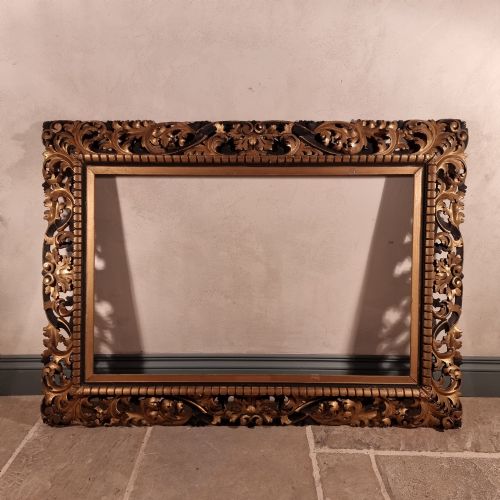
Italian Style Mirror
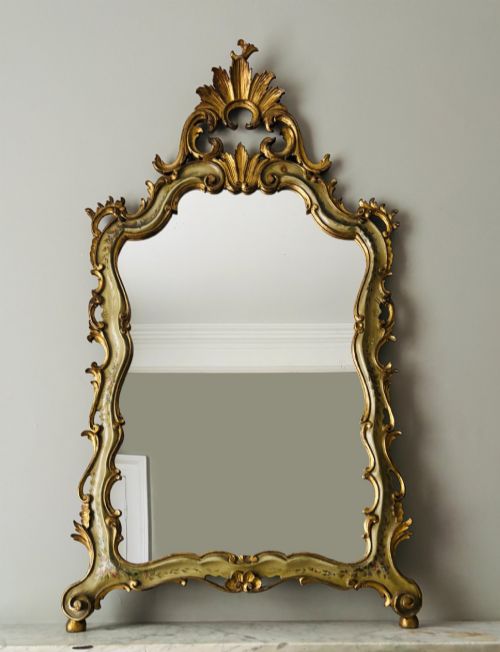
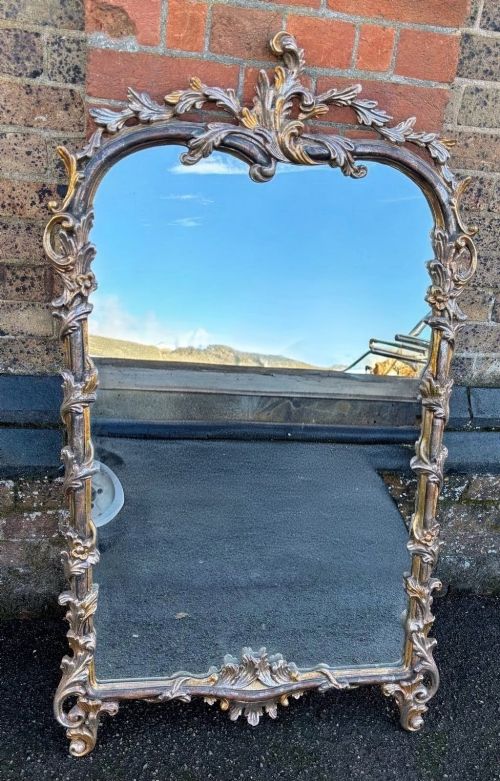
These pieces are decorative wall mirrors and frames carrying the classic forms of Italian style mirror design, sought after to bring ornate presence to a room.
Italian Style Mirror
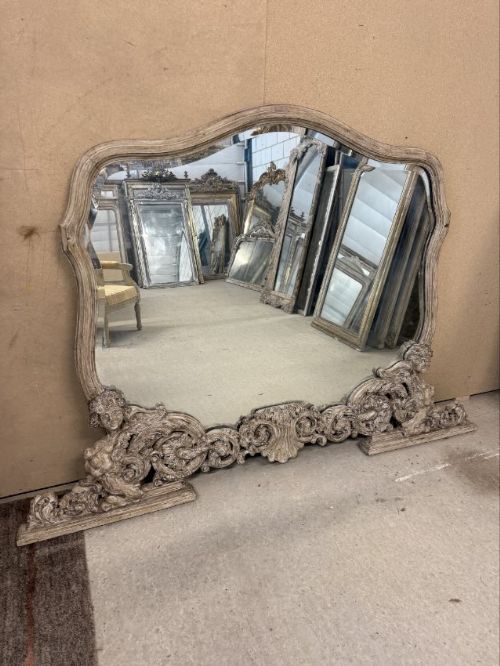
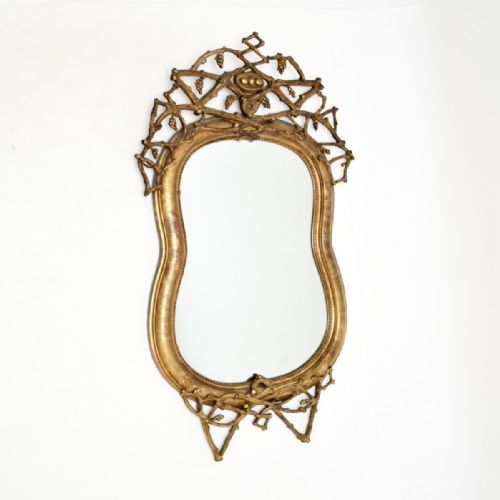
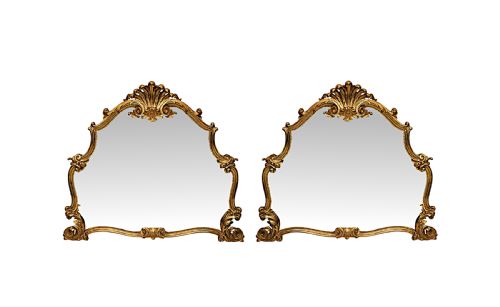
When you search for an italian style mirror, you encounter forms rooted in Florentine, Venetian, Baroque, and Rococo traditions spanning the eighteenth, nineteenth, and early twentieth centuries. The selection ranges from grand overmantel mirrors and cushion mirrors to intricate picture frames and girandoles.
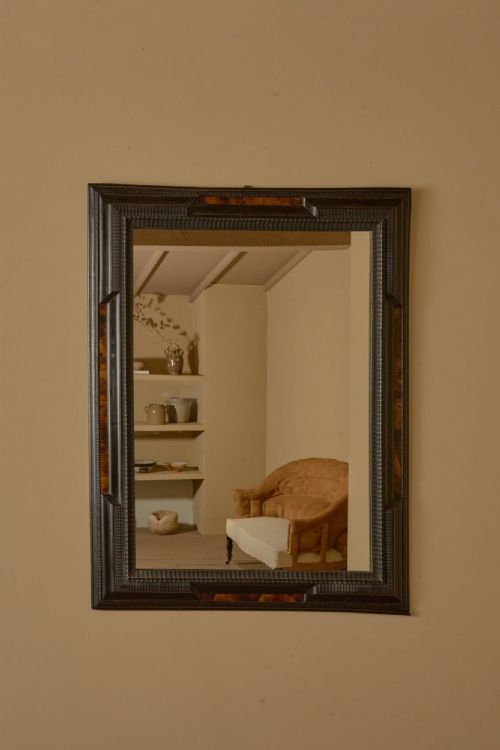
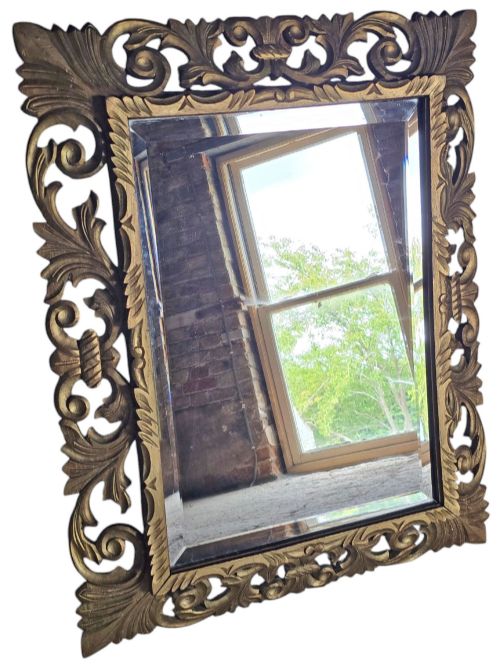
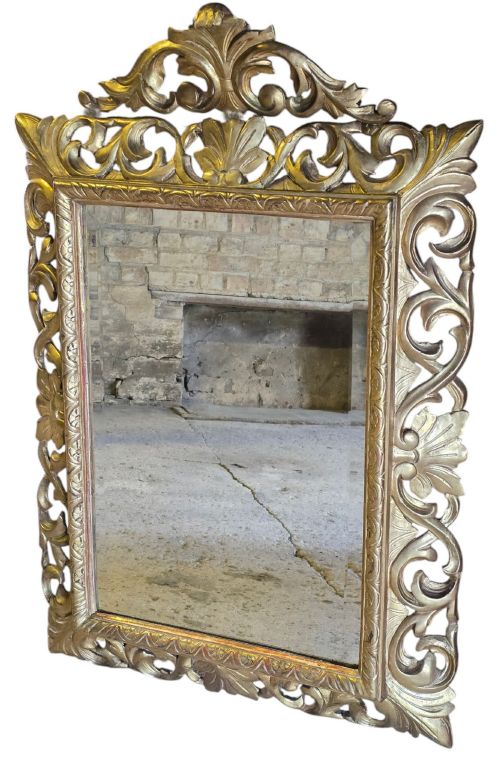
The Florentine and Venetian variations dominate the offerings, displaying characteristic carved giltwood, elaborate scrolling foliage, and engraved plates. Alongside these, you find console tables, pier glasses, and occasional painted or ebonised surfaces.
Pieces from this category function primarily as wall-hanging statement items, designed to draw the eye and reflect light within traditional or eclectic interiors. Their origins trace through successive revival periods up to the mid-twentieth century.
Materials and Techniques
The construction relies heavily on carved wood, gesso, and giltwood, where craftsmen shaped timber frames before applying layers of gold leaf or paint. Many examples employ silver and gold leaf surfaces or incorporate hand-painted details upon wood and limewood bases.
Glass production forms the secondary pillar of construction, utilising mirrored glass, engraved plates, and marginal mirror sections fitted within the decorated surrounds. Ebonised and faux tortoiseshell treatments appear alongside polychrome finishes to achieve specific aesthetic effects.
Italian Style Mirror Retail Price Guide 2026
Typical asking prices for italian style mirror among the pieces listed under this phrase on Sellingantiques today, from the lower quarter to the upper quarter. They describe what is for sale here now, not the wider market.
Object types range from grand overmantel mirrors and console tables down to small picture frames and twin-arm girandoles.
What Varies in Quality
Quality rests upon the depth and crispness of the carving within the wood or gesso, where skilled hand execution yields sharper foliage and more convincing asymmetry. Secondary elements like the precision of the engraved glass plate and the intactness of the original gilding dictate the standing of the piece.
The coherence of the design also marks the distinction, separating works that successfully channel eighteenth-century models from later, more mechanical interpretations. Structural integrity of the underlying frame and the preservation of original painted or gilt surfaces complete the assessment.
The Italian Style Mirror Glossary
- Giltwood
- Wood carved and coated with gold leaf or metal leaf. This surface treatment defines the appearance of numerous traditional frames and wall pieces.
- Gesso
- A plaster mixture applied to wood surfaces to provide a smooth base for gilding or painting. It allows craftsmen to model intricate relief decoration before applying gold leaf.
- Girandole
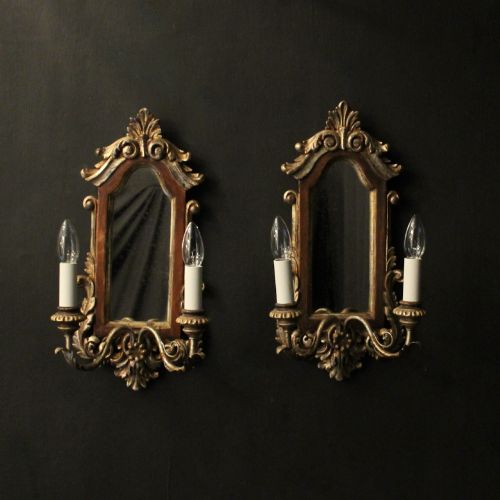
- A branched wall-bracket holding candles, often attached to a mirror plate. These pieces combine lighting utility with reflective decorative impact.
- Overmantel Mirror
- A large mirror designed to hang directly above a fireplace mantel. Their generous proportions capture and multiply light across the room.
- Pier Glass
- A tall, narrow mirror designed to hang on the wall space between windows. They frequently accompany matching console tables.
- Cushion Mirror
- A frame profile where the outer moulding slopes outward or inward in a pillow-like swell. Venetian examples often feature engraved details across this convex expanse.
Italian Style Mirror: Frequently Asked Questions
Where should I hang a large overmantel mirror?
These large pieces sit naturally above a fireplace mantel to anchor the room's central wall.
They also function effectively on main reception room walls where their reflective surface maximises natural light.
How do I identify a Florentine frame?
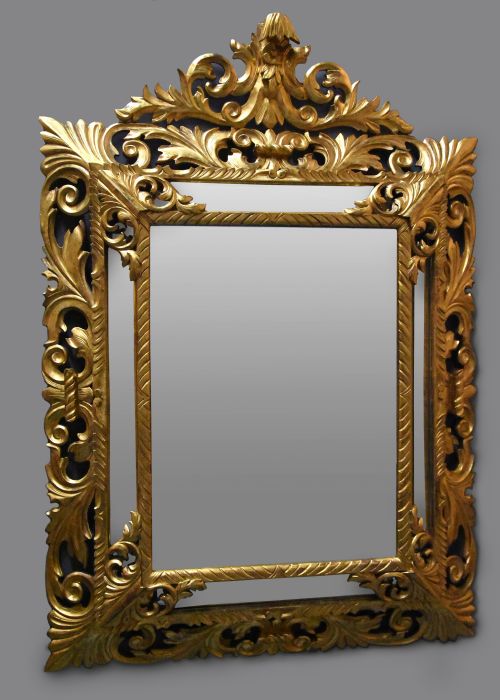
Florentine pieces typically display dense, carved giltwood foliage and scrollwork framing the glass.
They emphasise ornate surface texture rather than architectural symmetry.
Are Venetian mirrors different from standard giltwood designs?
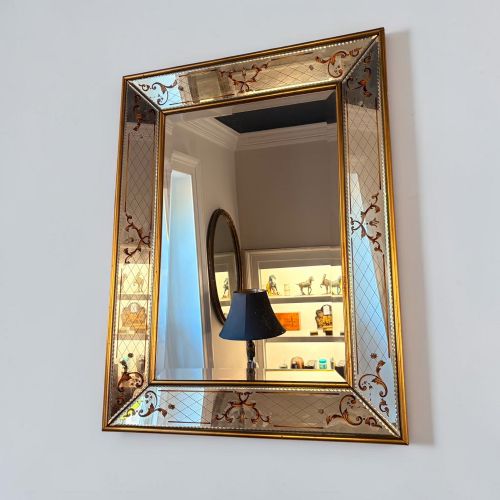
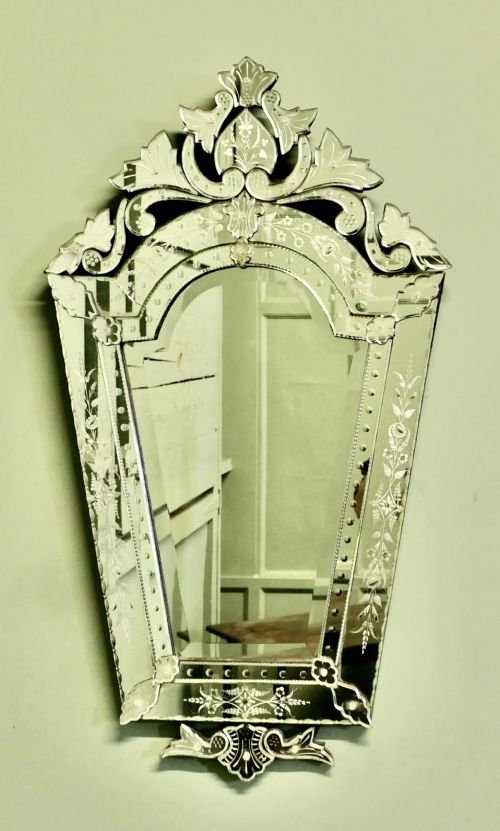
Venetian mirrors often feature engraved glass plates and marginal mirror sections set into the frame.
They rely on glass-on-glass construction and delicate etched decoration rather than heavy carved wood alone.
What periods do these mirrors come from?
The selection spans authentic eighteenth-century examples alongside nineteenth-century pieces and later revivals from the early twentieth century.
Revival movements frequently replicated earlier Baroque and Rococo aesthetics.