

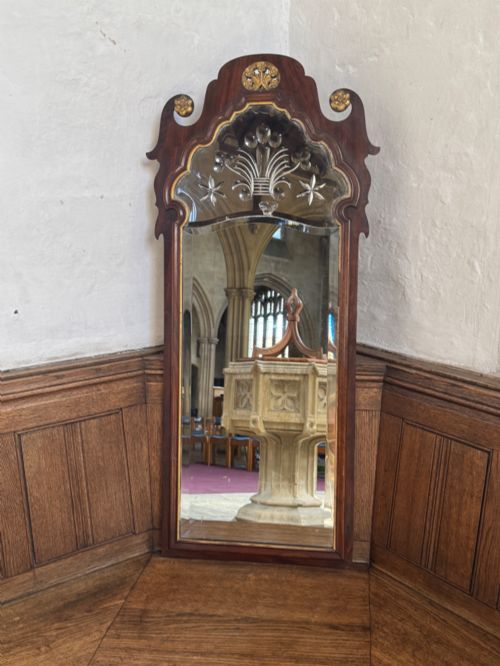
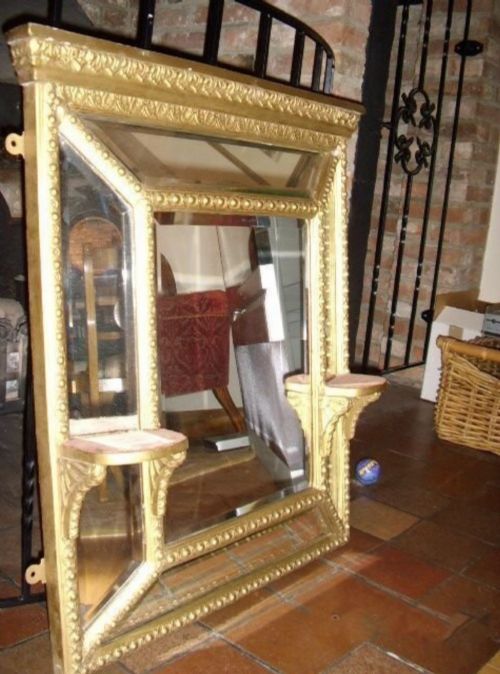

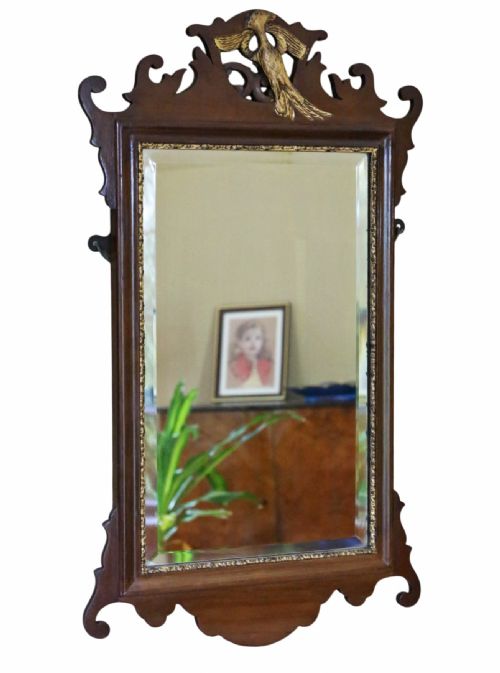


Cut Glass Wall Mirror
A cut glass wall mirror brings brilliant light and crisp surface reflection to a room.
Cut Glass Wall Mirror
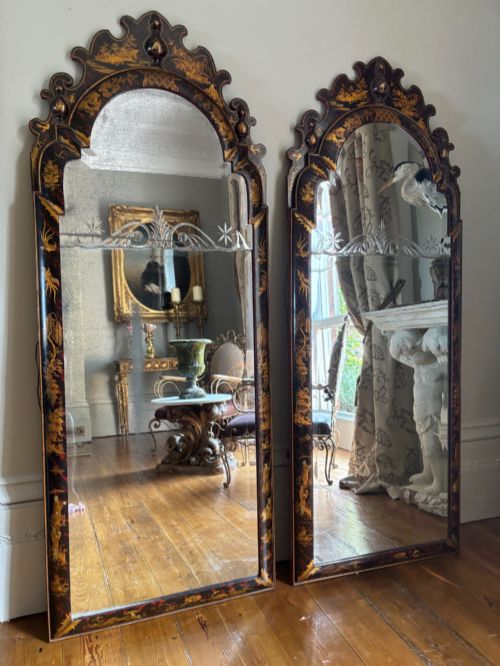
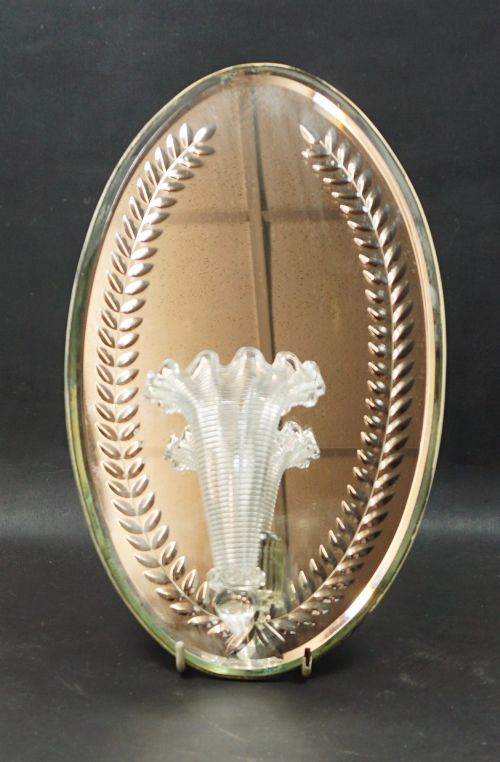
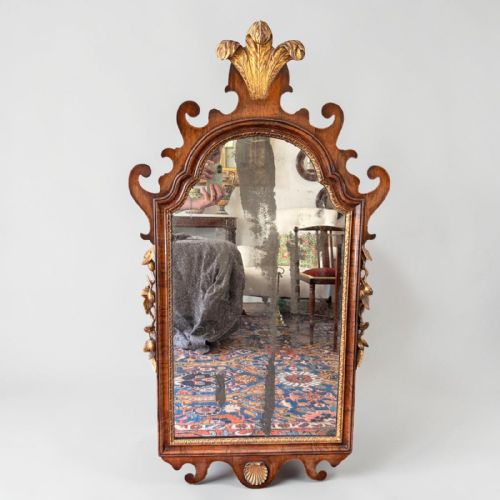
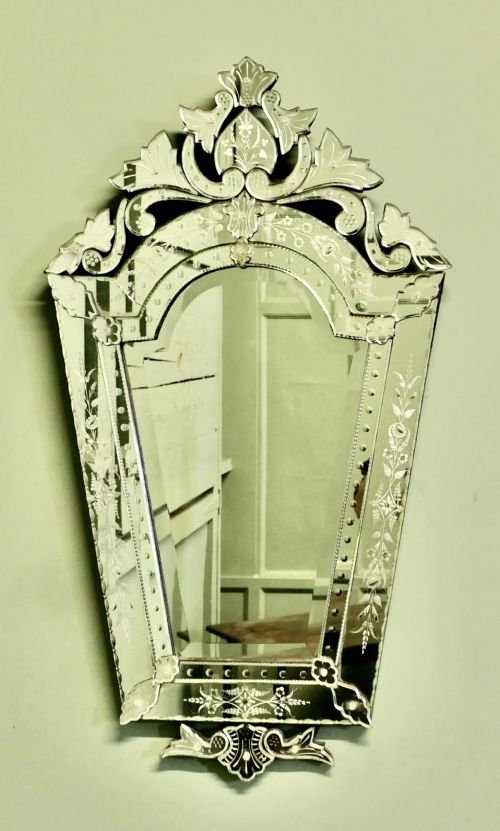
A cut glass wall mirror reflects light across interior spaces through bevelled, etched, and engraved glass plates. These decorative surfaces appear in round, oval, and rectangular forms designed to hang securely against domestic walls.
Examples on this page span the Edwardian period, the nineteen-hundreds, nineteen-twenty, and nineteen-thirty. They include Art Deco designs, Venetian influences, and French interpretations.
Buyers frequently encounter frameless variations alongside pieces framed in wood, chrome, metal, and silvered glass. Some incorporate distinct coloured borders, such as ruby red, or take on specific stylistic silhouettes like the sorcerer type.
Materials and construction
Makers utilised heavy sheet glass treated with silvering solutions to create the reflective backing. Metal frameworks, wooden structures, and chrome elements provided the necessary structural support for heavier hanging plates.
Artisans applied surface decoration through wheel-cutting, etching, and engraving directly onto the glass. These techniques produced intricate geometric patterns and floral motifs across the face of the mirror.
Cut Glass Wall Mirror Retail Price Guide 2026
Typical asking prices for cut glass wall mirror among the pieces listed under this phrase on Sellingantiques today, from the lower quarter to the upper quarter. They describe what is for sale here now, not the wider market.
Materials recorded across these wall mirrors include glass, mirrored glass, silvered glass, wood, chrome, and metal.
Assessing quality
Quality rests upon the depth and clarity of the glass cutting and engraving. Crisp, deeply incised lines catch light differently than shallow surface scratches.
The integrity of the original silvering and the stability of the surrounding frame determine the enduring character of each piece. Superior examples maintain precise symmetry in their geometric or floral etchings.
The Cut Glass Wall Mirror Glossary
- Silvered glass
- Glass coated on the reverse with a reflective metallic layer. This process creates the mirror surface essential for reflection.
- Etched glass
- Glass decorated by applying acid or abrasives to eat into the surface. This technique produces opaque patterns against clear or mirrored backgrounds.
- Bevelling
- Sloping the outer edges of a mirror glass plate to a thinner point. It refracts light at the perimeter and adds visual depth.
- Sorcerer mirror
- A convex or curved mirror type designed to distort reflections across a wider field of view. These unusual pieces create striking visual effects on a wall.
Cut Glass Wall Mirror: Frequently Asked Questions
How do I hang a heavy cut glass mirror safely?
Heavy mirrors require secure wall fixings suited to the specific wall construction, such as brick or lath and plaster. Ensure the hanging wire or brackets on the back match the weight of the frame.
Professional mirror hangers or heavy-duty wall anchors prevent the piece from shifting or pulling away from the wall over time.
What periods do these mirrors come from?
The available pieces originate from the Edwardian era, the nineteen-hundreds, nineteen-twenty, and nineteen-thirty. Each decade brings distinct stylistic shifts in framing and glass decoration.
Art Deco and Venetian influences dominate the later periods, while Edwardian pieces often feature delicate engraved detailing.
How should I clean an antique mirror glass?
Clean the glass gently using a soft microfibre cloth and a mild, ammonia-free cleaning solution. Avoid spraying liquid directly onto the glass edges where it might seep behind the silvering.
Keep moisture away from wooden frames and metal mounts to preserve the original materials and prevent corrosion.
Are these mirrors usually frameless?
Some examples are entirely frameless, relying on shaped edges and surface cutting for their visual impact. Others feature supportive frames made from wood, chrome, metal, or silvered glass.
Frameless variants highlight the decorative glass work itself, while framed versions incorporate structural borders like ruby red glass.