
Edwardian Glass Mirrors
Edwardian glass mirrors bring light and proportion to a room, combining practical reflection with the subtle craftsmanship of the early twentieth century.
Edwardian Glass Mirrors
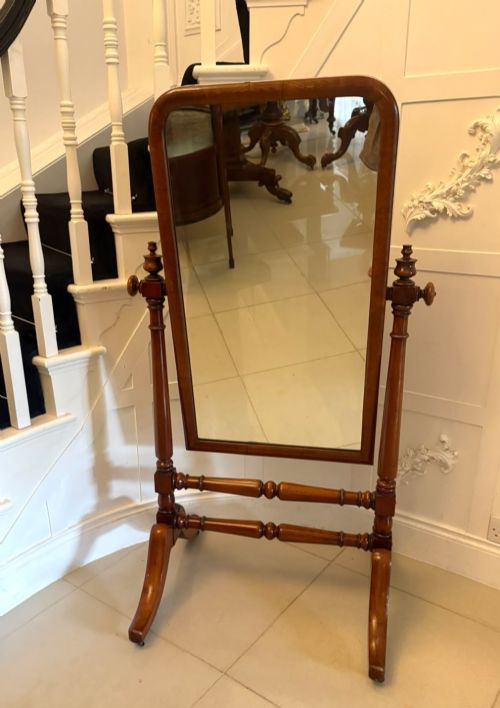
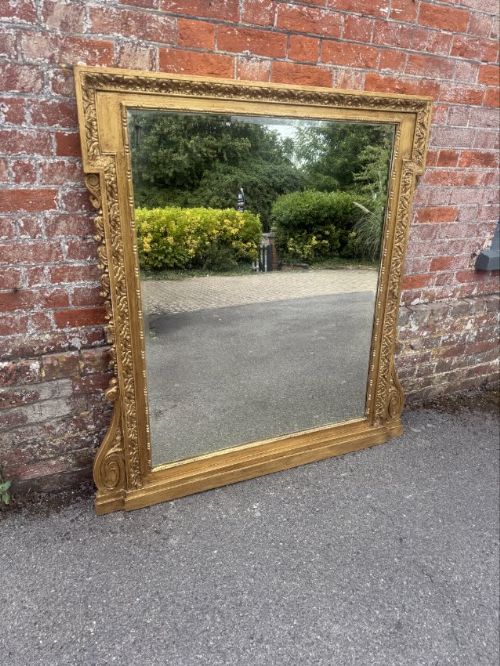
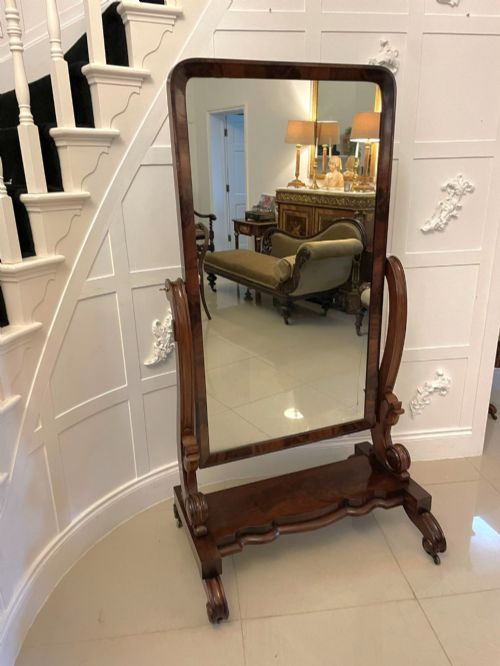
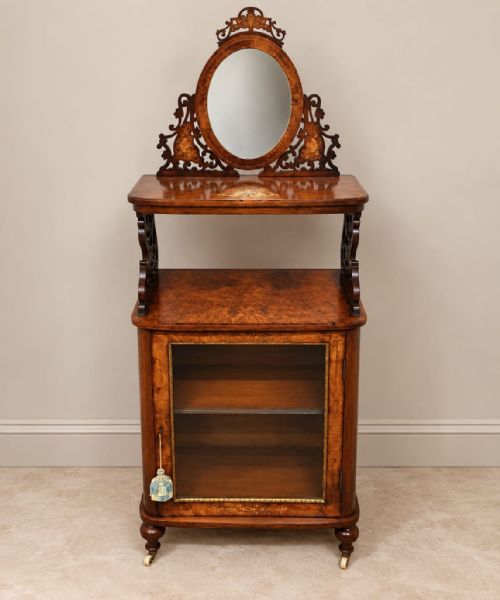
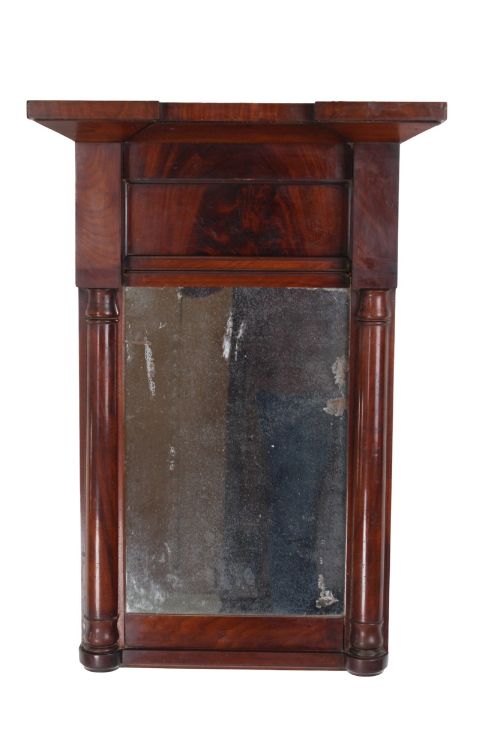
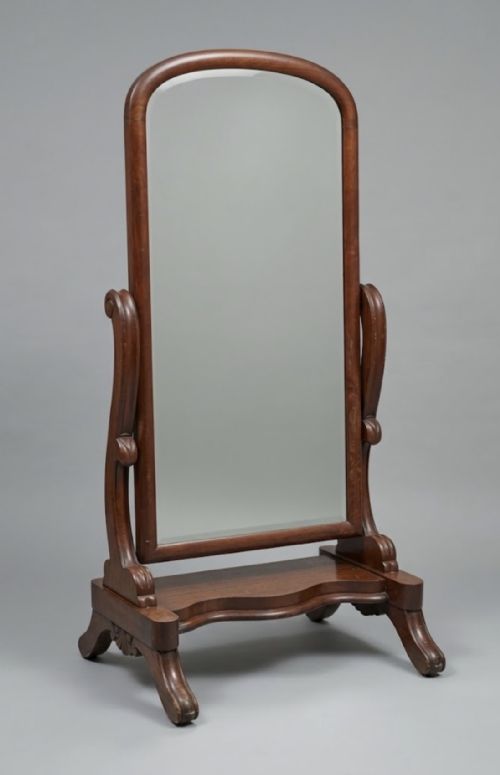
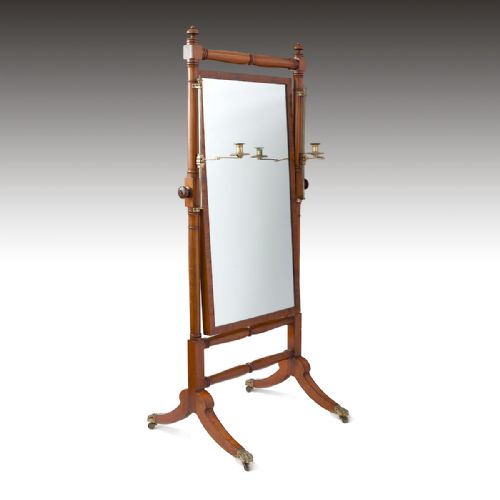
When searching for edwardian glass mirrors, buyers encounter items produced during the Edwardian period alongside pieces from adjacent eras such as the Victorian period and the early twentieth century. The selections available on this page encompass various forms designed for different domestic spaces, including wall mirrors, cheval mirrors, dressing table mirrors, and pier mirrors.
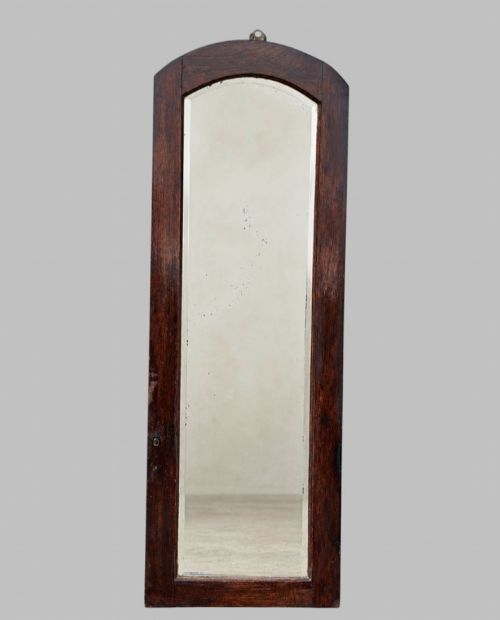
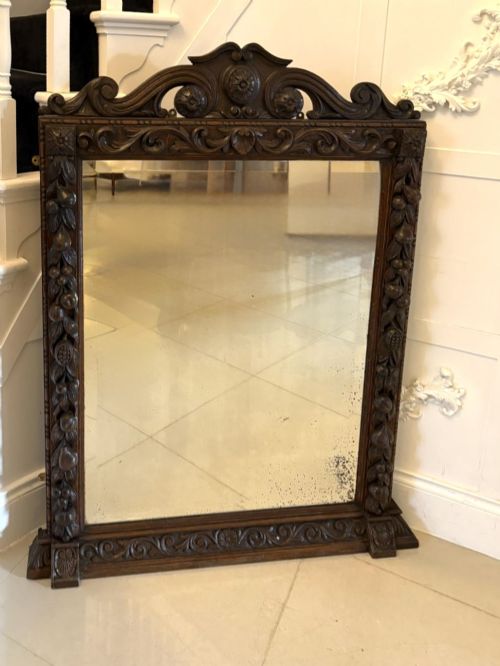
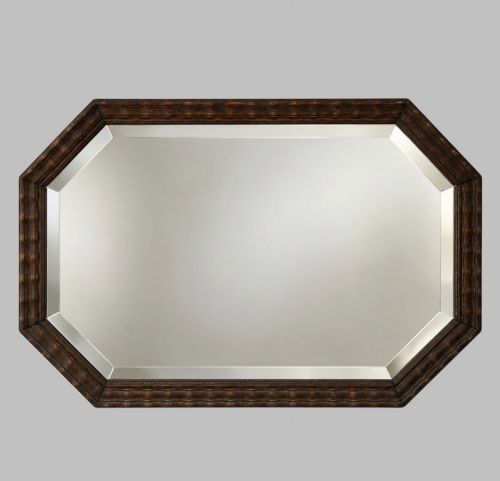
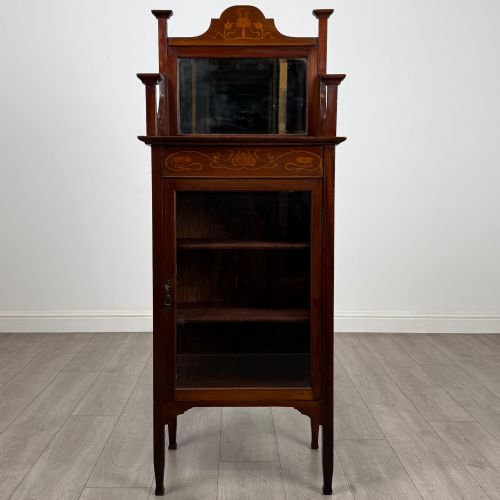
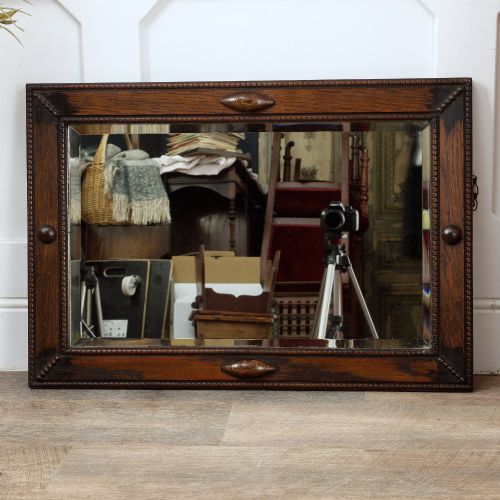
The most common variants on this page include mahogany, oak, and satinwood frames, frequently featuring inlaid details or carved wooden borders. Many of these pieces integrate bevelled glass, reflecting the prevailing manufacturing techniques of the time and providing a distinct optical depth compared to standard flat glass.
How they were made
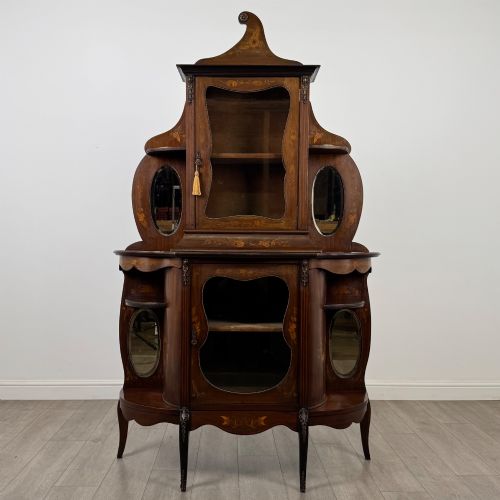
Makers utilised solid timbers such as mahogany, oak, and walnut for structural frames, frequently applying gesso, brass, or copper elements to create decorative surface textures. Inlay work in contrasting light woods also appears across mahogany and satinwood structures, demonstrating traditional cabinet-making skills.
The glass itself was cut and often bevelled at the edges, a process requiring precise edge-grinding to catch the light at oblique angles. Frames were joined using traditional woodworking methods, while hanging mirrors incorporated secure wooden or metal backing provisions.
Listings feature walnut, mahogany, oak, and satinwood frames, with many incorporating bevelled glass plates.
What varies in quality
Quality separates through the crispness of the timber carving, the precision of the frame joinery, and the clarity of the mirror plate itself. Superior examples display finely executed wood inlay, intact gesso work, and heavy, stable frames constructed from dense hardwoods like mahogany or oak.
The degree of bevel on the glass plate and the condition of the original silvering also distinguish finer items from simpler utility pieces. Pieces attributed to documented makers or specific stylistic movements like Arts and Crafts show a higher tier of design consideration and material selection.
Waring & Gillow·Heal & Sons·Gillow
The Edwardian Glass Mirrors Glossary
- Bevelled glass
- Glass with an edge ground and polished to an angle thinner than the centre. This technique creates a prismatic border that catches and refracts light.
- Cheval mirror
- A full-length floor-standing mirror suspended in a swivelling frame. This form allows the glass to tilt to various angles.
- Gesso
- A plaster-like mixture applied to wood frames before gilding or painting. It provides a smooth base for intricate carved relief details.
- Pier mirror
- A tall, narrow mirror specifically designed to hang on the wall between windows or above a pier table. They were historically used to maximise interior light.
- Overmantel mirror
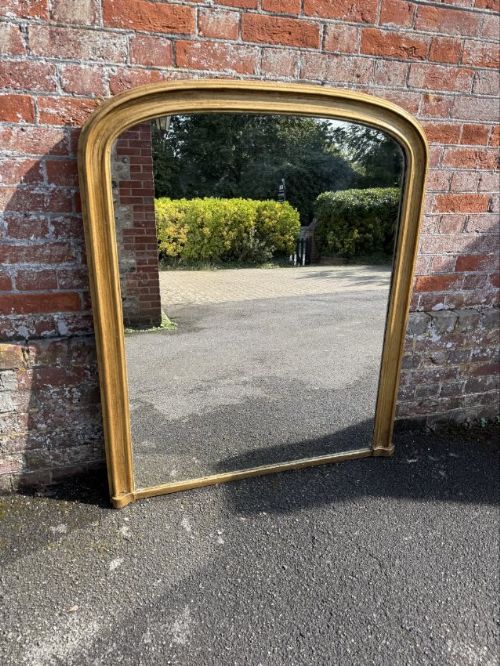
- A large mirror designed to be positioned directly above a fireplace mantelpiece. These often feature architectural arched tops or elaborate gilt frames.
Edwardian Glass Mirrors: Frequently Asked Questions
How do I hang a heavy wall mirror safely?
Heavy wall mirrors require sturdy fixings suited to the specific wall construction, such as solid masonry plugs or direct anchoring into wooden wall studs. Distributing the weight across two secure mounting points ensures stability.
Professional mirror hangers or picture-hanging specialists can supply appropriate wire, brackets, and D-rings capable of supporting the substantial weight of antique hardwood and bevelled glass frames.
How do I clean antique mirror glass?
Cleaning antique glass requires mild solutions and soft cloths to protect both the fragile glass surface and the surrounding wooden or gesso frame. Spraying cleaner directly onto the glass can allow moisture to seep behind the plate and damage the silvering.
Instead, apply a small amount of glass cleaner to a microfibre cloth and wipe gently. Avoid getting any liquid near the edges where the silver backing is exposed.
What is the difference between Edwardian and Victorian mirrors?
Victorian mirrors generally feature heavier proportions, darker woods like walnut and rosewood, and dense, ornate carving reflecting a penchant for elaborate decoration. Edwardian designs tend to be lighter, brighter, and more restrained in ornament.
Edwardian pieces frequently incorporate satinwood inlay, lighter oak and mahogany tones, and influences from the Arts and Crafts movement or simple revival styles.
Can I place a dressing mirror in a hallway?
Dressing mirrors and pier mirrors adapt well to hallway environments where space allows for floor-standing or wall-mounted reflection. Their original domestic function translates easily to entrance spaces for last-minute checks.
Freestanding cheval mirrors require sufficient floor depth to stand securely without obstructing household traffic flow.