



Gothic Wall Mirror
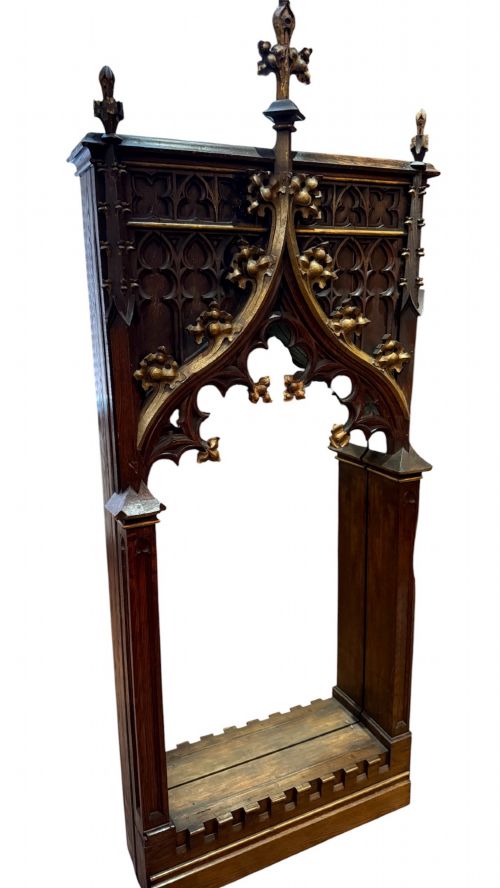
A gothic wall mirror brings architectural weight and dark wood grain into a room, offering the sharp arches and tracery of medieval design.
Gothic Wall Mirror
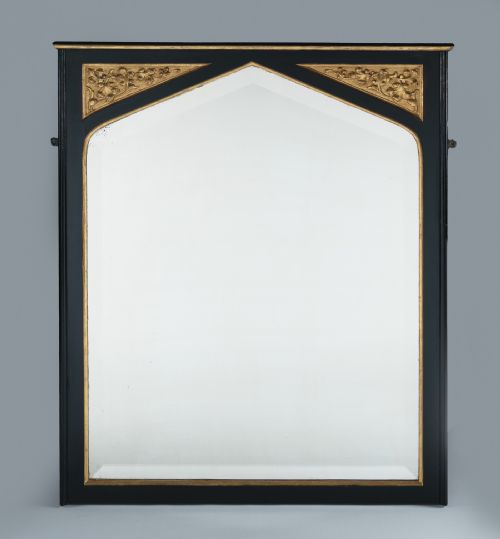
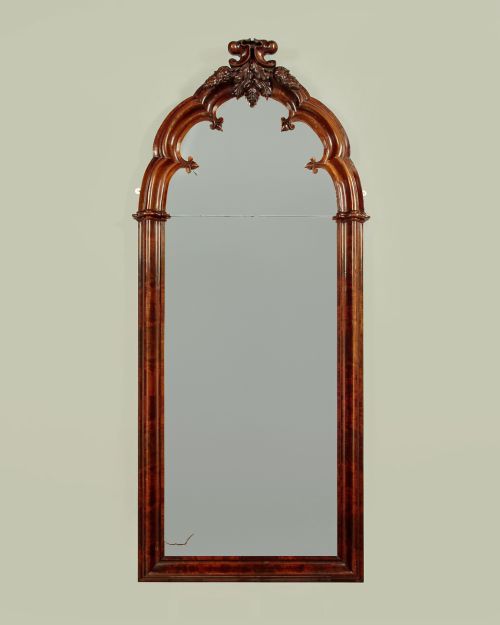
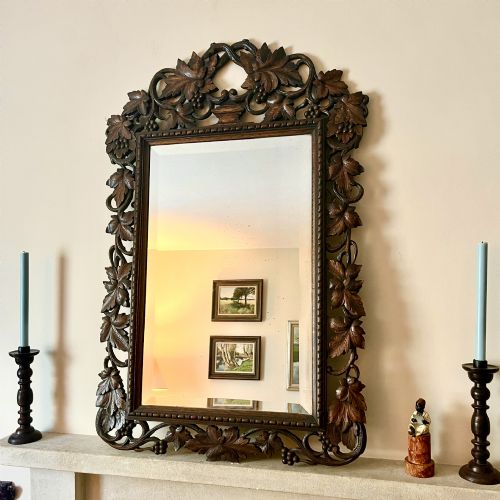
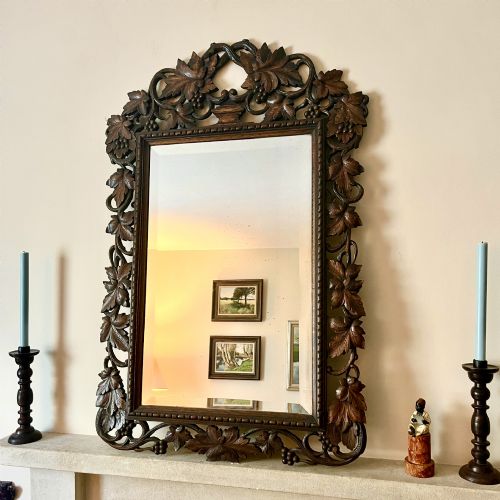
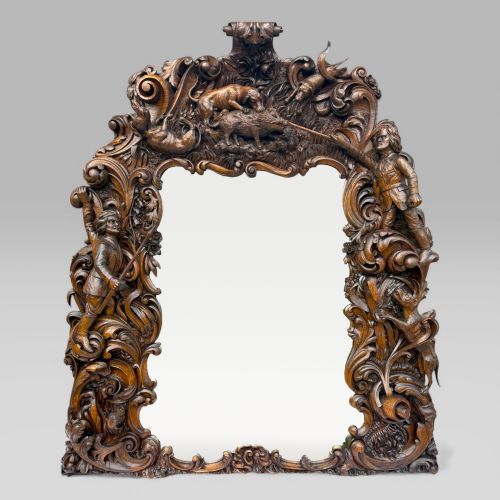
A gothic wall mirror is a reflective glass panel set within a heavily carved timber or gilded frame that borrows its geometry from medieval cathedrals and ecclesiastical architecture. When you search for a gothic wall mirror, you encounter pieces designed to anchor a room through sheer presence, utilising pointed arches, trefoils, and lancet shapes.
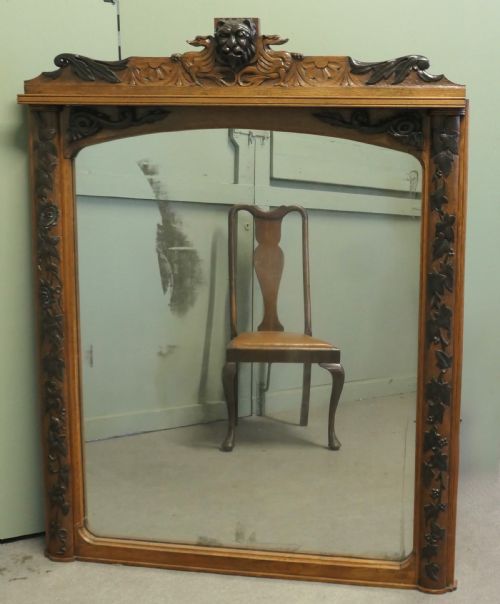
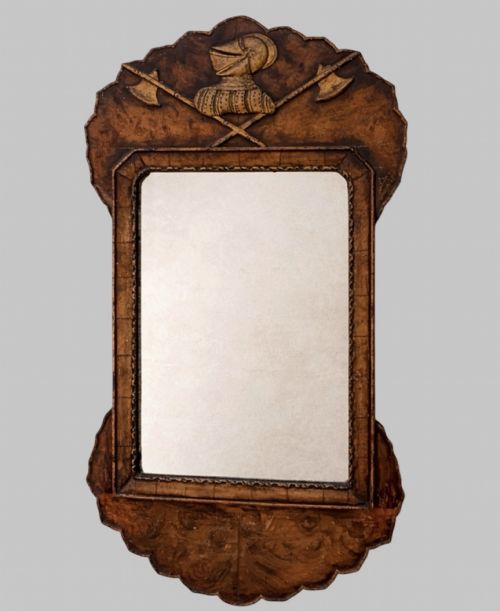
The pieces appearing on this page date primarily from the nineteenth century, spanning Victorian interpretations and the Gothic Revival movement. Oak forms the foundation of most examples, accompanied by walnut, mahogany, and occasional giltwood frames that reflect later decorative tastes.
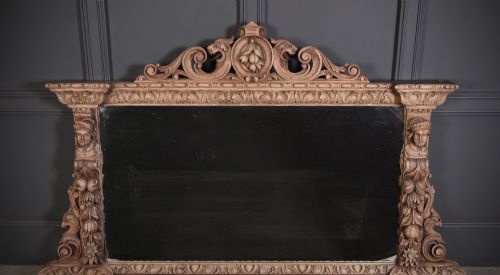
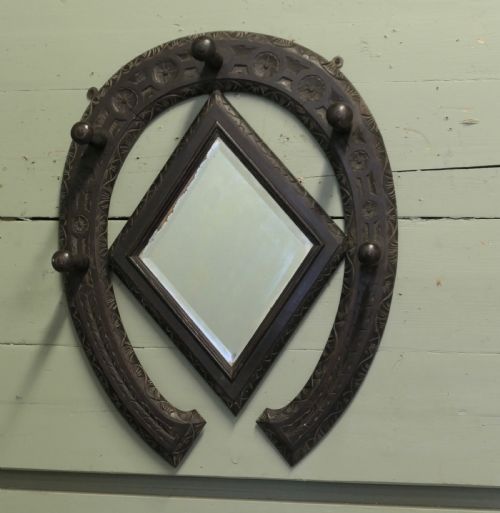
Beyond standard wall mirrors, the selection includes large overmantel mirrors intended for placement above fireplaces, alongside specialised forms such as coat racks and console mirrors. These objects range from restrained domestic examples to grand, heraldic pieces carved with armorial crests and dragon motifs.
How they were made
Makers constructed the primary frames of these mirrors from solid timber, predominantly oak and walnut, which responded well to deep, chisel-cut relief work. Carpenters joined the heavy frame members using traditional techniques to support the substantial weight of the timber and glass.
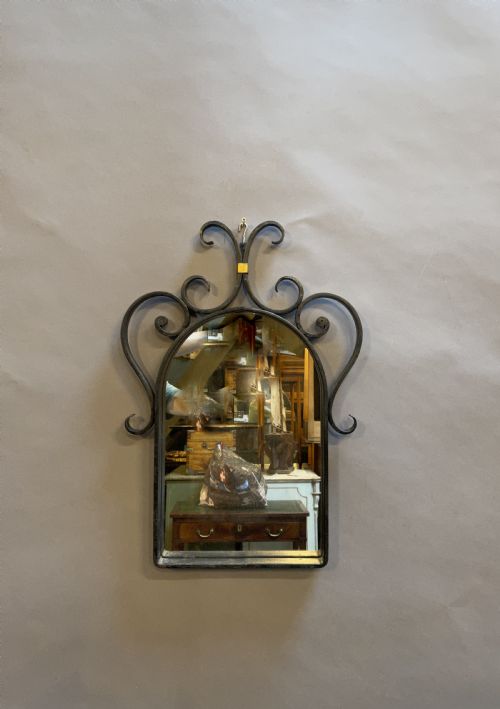
Giltwood and gesso surfaces received layers of composition ornament applied over wood bases, creating metallic finishes that caught candlelight in period interiors. Iron and brass elements, including hinges, hooks, and sconces, were integrated into utilitarian forms such as coat racks and bracket mirrors.
Gothic Wall Mirror Retail Price Guide 2026
Typical asking prices for gothic wall mirror among the pieces listed under this phrase on Sellingantiques today, from the lower quarter to the upper quarter. They describe what is for sale here now, not the wider market.
The inventory spans the Victorian period through to the early twentieth century, including Arts and Crafts examples.
What varies in quality
The depth and clarity of the wood carving dictate the distinction between standard production and exceptional examples, with crisp undercutting and well-defined tracery separating superior pieces from flat, mechanical work. The choice of timber also establishes grade, as dense, quarter-sawn oak displays medullary rays that add visual depth to the frame.
Originality of components, including the mirror glass itself and secondary brass or iron hardware, influences the standing of a piece within the field. Proportion and architectural coherence separate convincing interpretations of medieval design from unbalanced assemblies.
Cottier and Co
The Gothic Wall Mirror Glossary
- Gothic Revival
- An architectural and decorative movement drawing inspiration from medieval forms, prominent throughout the nineteenth century. This style utilises pointed arches, quatrefoils, and heavy carved woodwork.
- Overmantel Mirror
- A large mirror designed specifically to hang on the wall directly above a fireplace mantel. These pieces frequently feature architectural framing to anchor the hearth space.
- Gesso
- A plaster-like material applied to wooden frames as a base for gilding or painting. It allows craftsmen to mould sharp decorative details before applying metal leaf.
- Triforium
- An architectural element of arched arcades sometimes referenced in the fretwork and framing of revival mirrors. It adds layered depth to the timber border surrounding the glass.
- Armorial Crest
- A heraldic design carved into the timber cresting of select mirrors. These motifs denote lineage, association, or specific commission origins.
Gothic Wall Mirror: Frequently Asked Questions
What periods do these mirrors represent?
The pieces shown on this page date predominantly from the nineteenth century, with strong representation from the Victorian era and the Gothic Revival movement. Later examples extend into the early decades of the twentieth century.
Craftsmen during these periods drew heavily upon medieval architectural vocabulary, adapting stone and window tracery into domestic timber furnishings.
How were overmantel mirrors used?
Overmantel mirrors were designed to hang in the principal reception rooms of a house, positioned directly above the fireplace opening. Their substantial scale helped to bounce available light around dark period interiors.
They served as the visual centrepiece of a mantelpiece arrangement, often matching the surrounding architectural woodwork of the room.
Are these frames made of solid oak?
The vast majority of frames in this category utilise solid oak, selected for its strength and its historical association with medieval building traditions. Walnut and mahogany also appear frequently in domestic examples.
Some lighter or more decorative variants incorporate gesso over wood substrates, or combine iron and brass fittings for structural support.
How do I identify a Puginesque mirror?
Puginesque mirrors follow the strict architectural principles laid down by Augustus Pugin, prioritising structural honesty and authentic medieval church detailing over superficial decoration. These pieces adhere closely to true Gothic geometry.
They display disciplined carving, precise pointed arches, and a complete absence of foreign classical ornament.