
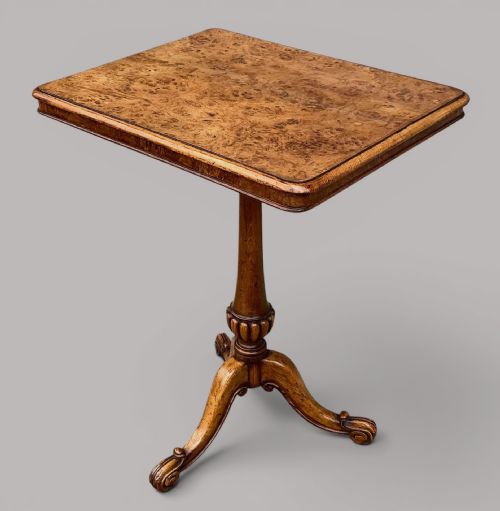


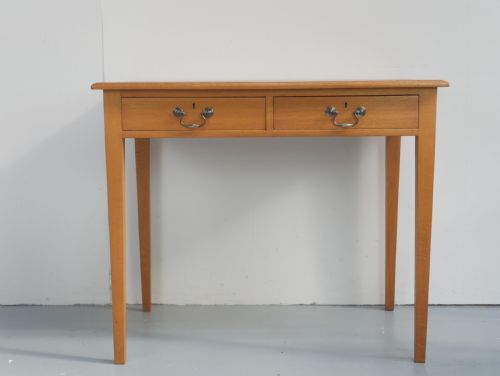
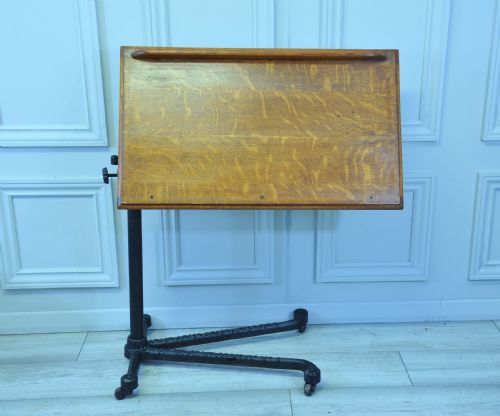

Golden Oak Side Table
A golden oak side table brings warmth and utility to a room, offering rich grain and sturdy charm in compact forms.
Identifying a Golden Oak Side Table
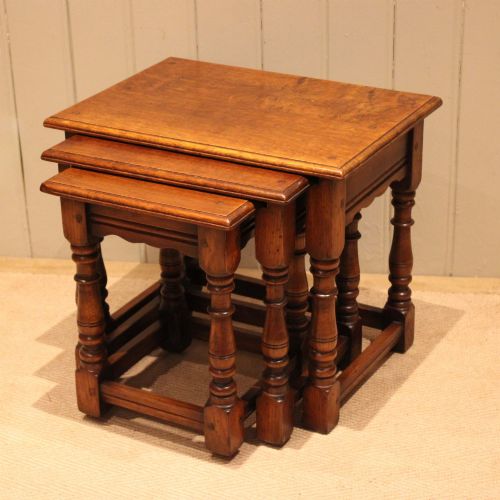
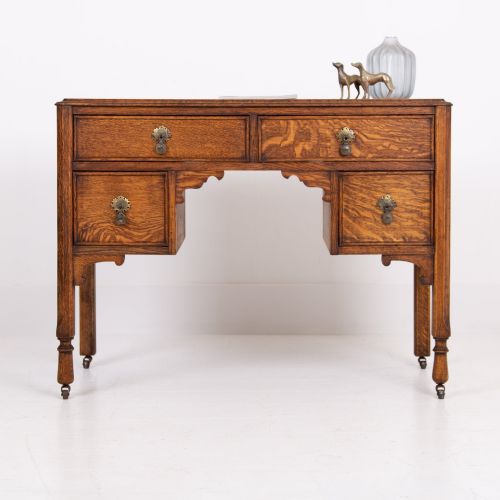
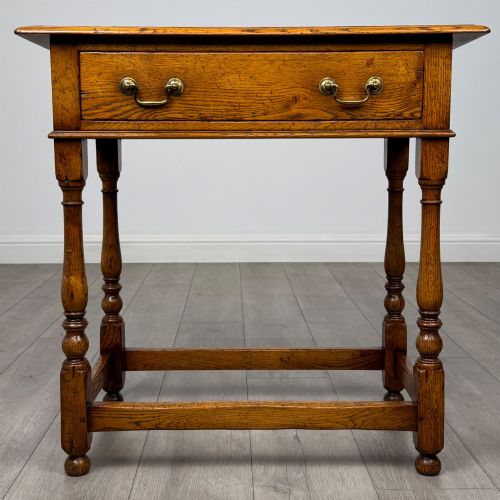
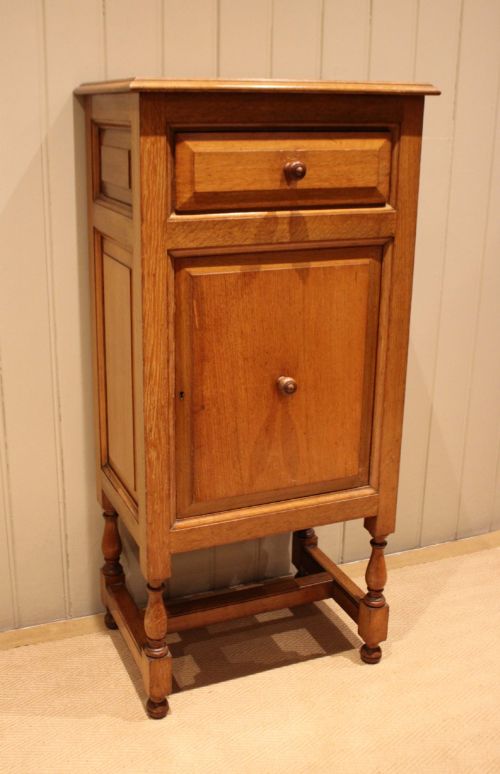
A golden oak side table is a versatile surface found beside seating or against hallway walls, designed for daily use and display. Buyers seeking a golden oak side table encounter pieces ranging from Edwardian and 1920s examples to earlier Victorian and Georgian designs.
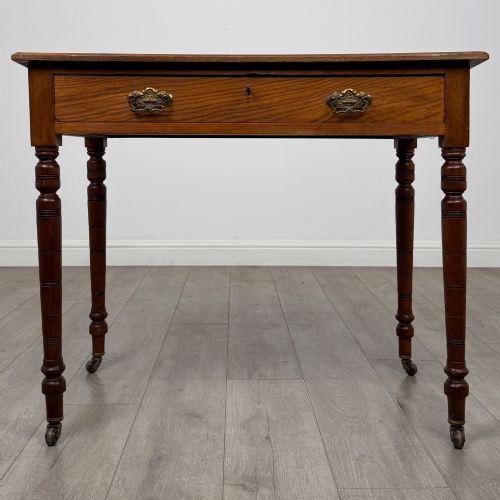
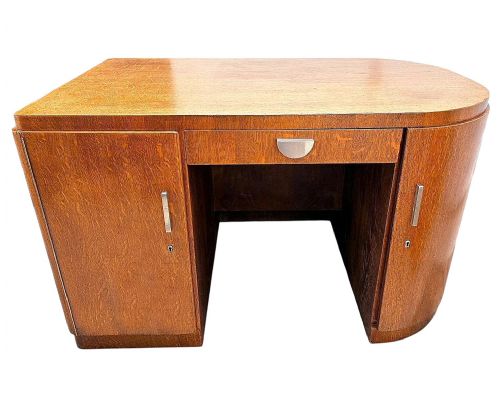
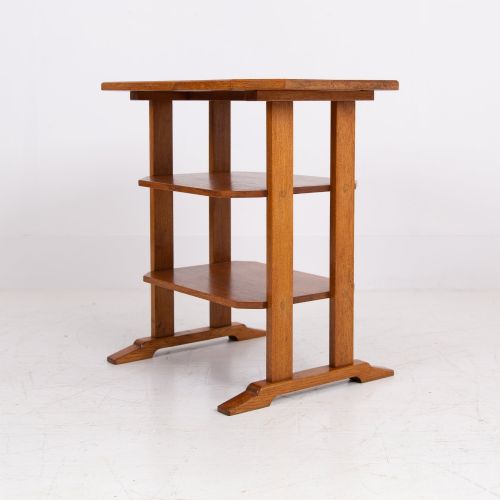
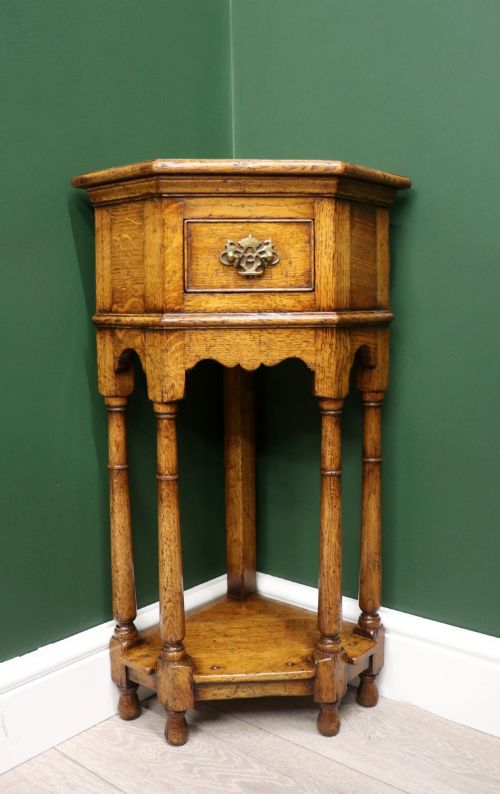
The selection includes two-tier gallery tables, demi-lune consoles, and simple occasional tables with single drawers or barley twist legs. These pieces emerge in styles spanning Arts and Crafts, Jacobean Revival, English Country, and Art Deco.
Most items hail from the early twentieth century, utilising solid oak or figured timber to create functional surfaces for lamps, books, and writing. The characteristic warm hue of the wood defines the category across various regional English and continental workshops.
Judging Quality and Character
Quality rests in the selection of figured timber, where lively grain patterns and rich honey tones elevate a simple occasional table into a notable furnishing. The presence of secondary materials like solid brass hardware and meticulous carving distinguishes standard utilitarian pieces from finer workshop productions.
Proportion and structural integrity separate robust examples from simpler constructions, with well-balanced tiers and sturdy turned legs ensuring enduring utility. The integration of thoughtful design details, such as raised galleries or shaped aprons, defines the upper tier of the range.
Retail Price Guide 2026
Typical UK retail prices for golden oak side table, calculated from the Sellingantiques database of over a million retail prices indexed since 2003. This retail price guide relies exclusively on Sellingantiques data; no external sources or auction records are used, so the figures do not describe the wider market.
Some Edwardian tables feature clever galleries designed to stop your afternoon tea from sliding off during lively parlour debates.
Lambs of Manchester·Edwards and Roberts·Gillows
The Golden Oak Side Table Glossary
- Demi-Lune
- Half-moon shaped furniture designed to sit flush against a wall as a console or side table. This form maximises floor space while offering a display surface.
- Barley Twist
- A form of woodturning resembling a twisted rope, popular in Jacobean Revival and later furniture. This decorative detail adds vertical movement to table legs.
- Frieze Drawer
- A drawer integrated into the horizontal band beneath the tabletop. These compartments often feature simple brass pulls or wooden knobs.
- Figured Oak
- Timber exhibiting distinct, decorative grain patterns such as medullary rays or flame figures. This wood is selected for its visual appeal on primary surfaces.
Frequently Asked Questions
How do I date a golden oak side table?
Dating relies on stylistic clues, construction methods, and materials recorded across periods like the Edwardian era, the 1920s, and the Victorian age. Arts and Crafts elements often point to the turn of the century, while clean lines suggest later Art Deco influences.
Examining drawer dovetails and hardware provides further context for the age of the piece. Comparing the turning on legs and the presence of veneers helps narrow down the decade of manufacture.
Where should I place a side table?
These compact tables fit comfortably beside armchairs, sofas, or beds to hold lamps, drinks, and daily reading materials. Demi-lune and console versions suit narrow hallways or landings where floor space is limited.
Multi-tiered and gallery designs offer extra storage for books and small decorative objects. Their warm wood tones integrate well into both traditional and contemporary interiors.
What is figured oak?
Figured oak displays natural grain patterns, including characteristic silver flecks known as medullary rays, which catch the light. Timber with these markings was deliberately chosen for prominent surfaces to highlight the natural beauty of the wood.
This variation in the grain separates standard furniture from finer pieces. It appears frequently in Arts and Crafts and Edwardian tables designed for display.
Are these tables suitable for writing?
Certain examples, particularly those designated as writing or craft tables with single frieze drawers, provide a compact surface for correspondence. Their proportions accommodate a chair while offering a drawer for stationery.
Most items function primarily as occasional or lamp tables rather than dedicated desks. Checking the height and knee clearance helps determine suitability for writing.