

Vintage Wine Table
A vintage wine table brings compact utility and timeless timber character to a corner, offering a handy surface for a glass without crowding the room.
What vintage wine table examples exist
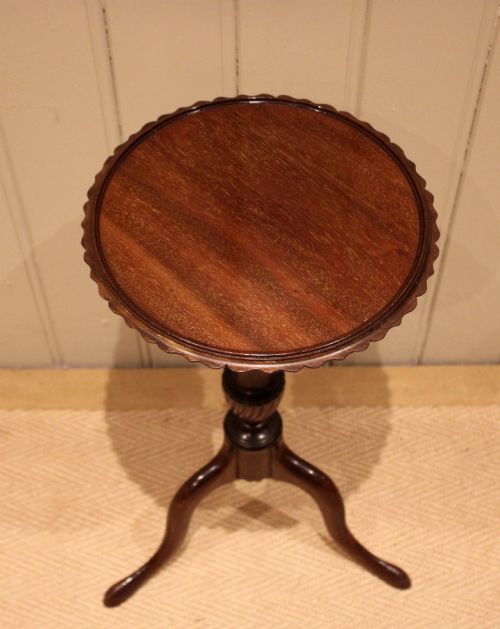
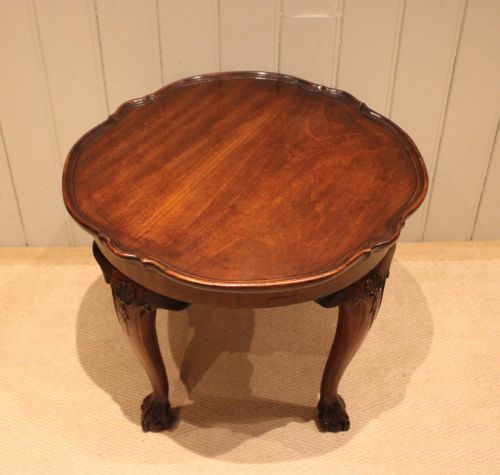
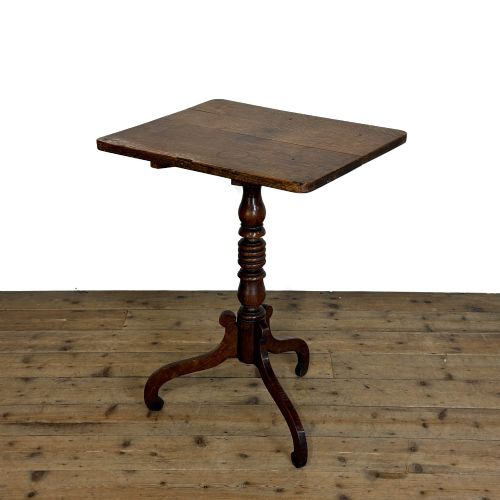
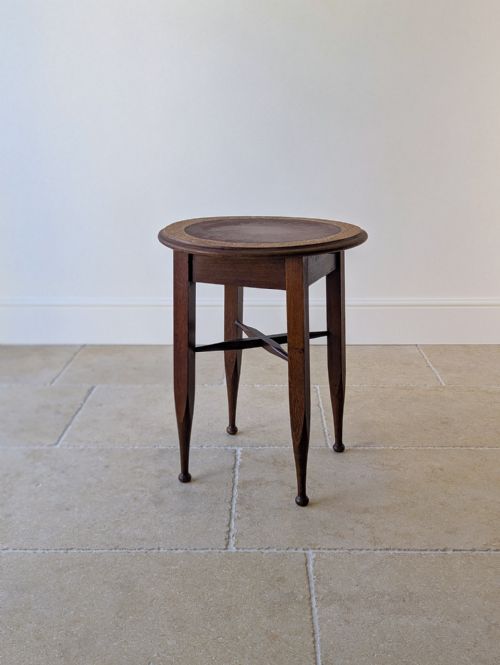
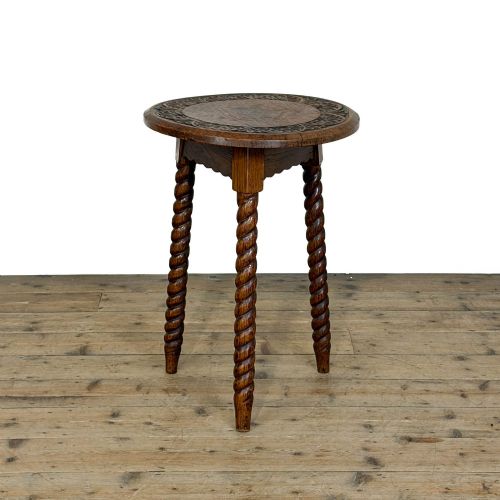
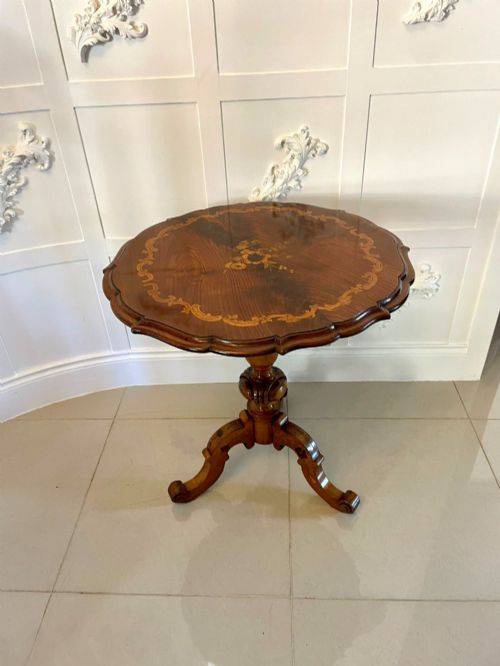
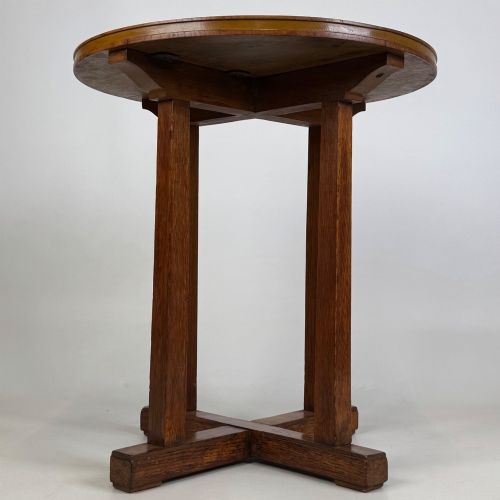
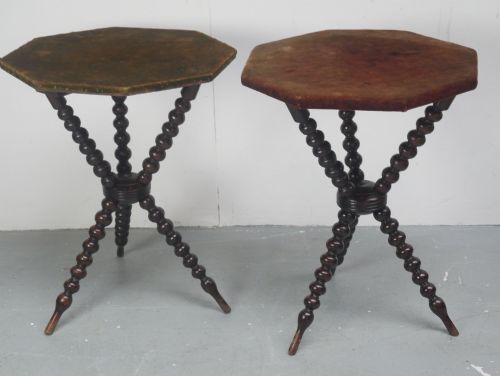
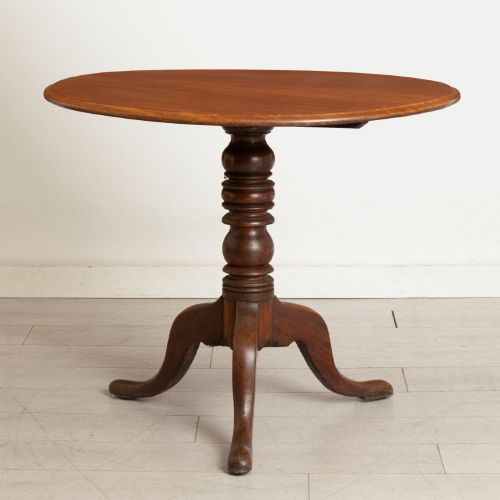
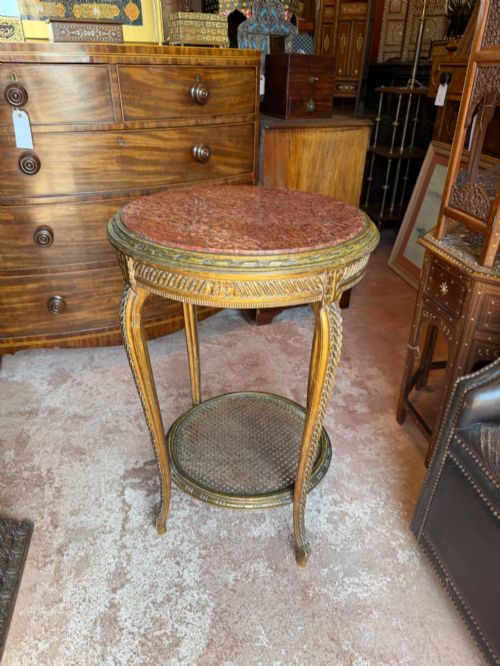
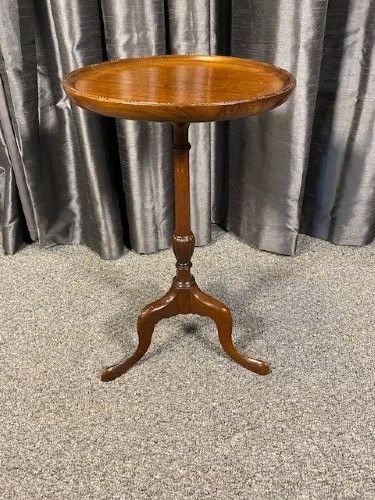
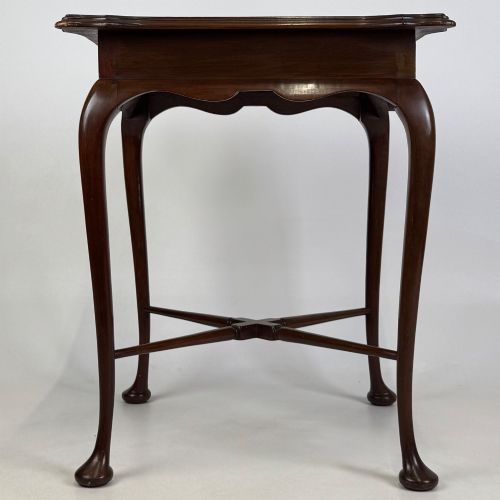
A vintage wine table search reveals a diverse mix of small occasional surfaces, side tables, and specialised miniature wine tables spanning the Edwardian era, 1900, 1920, 1930, and Georgian periods. You are most likely to meet mahogany, walnut, and oak side tables alongside octagonal Art Deco occasional pieces and pie crust top designs.
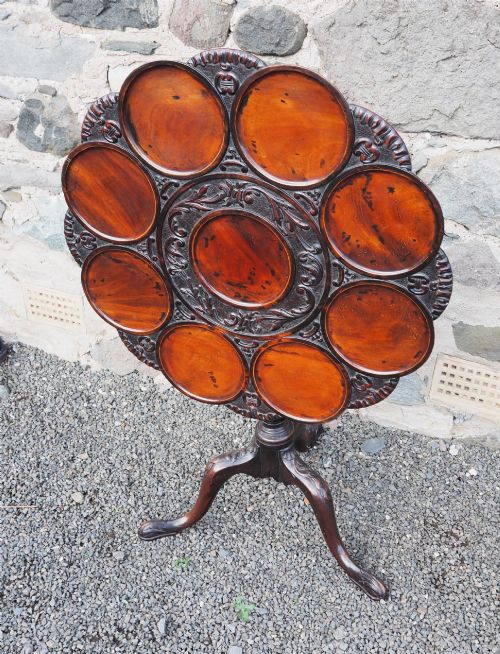
These versatile pieces function effortlessly as bedside stands or compact drink holders in sitting rooms. Their varied forms range from simple occasional surfaces to carved teak novelties and traditional pedestal wine tables.
Materials and construction
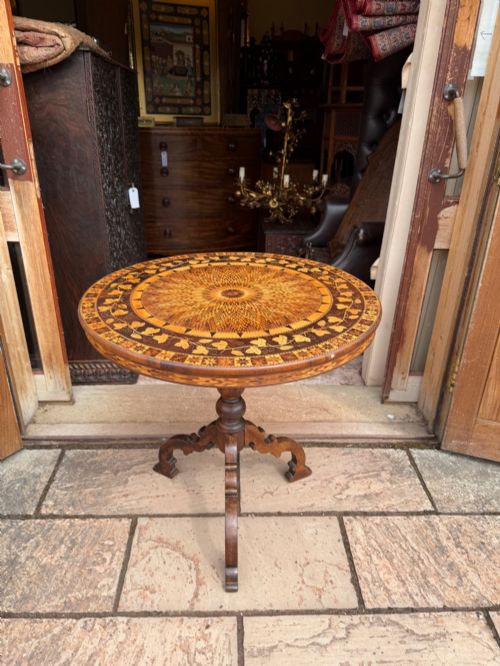
Cabinet makers utilised solid timbers including mahogany, walnut, oak, and general timber to build these compact surfaces. Walnut veneer surfaces and detailed brass hardware occasionally appear alongside intricate inlay work and carved elements.
Construction techniques reflect the prevailing style of each era, moving from Edwardian revival and Jacobean revival methods to clean geometric Art Deco forms and traditional Georgian pie crust edging.
Retail Price Guide 2026
Typical UK retail prices for vintage wine table, calculated from the Sellingantiques database of over a million retail prices indexed since 2003. This retail price guide relies exclusively on Sellingantiques data; no external sources or auction records are used, so the figures do not describe the wider market.
Listings feature mahogany, walnut, oak, and timber surfaces spanning the Edwardian period, 1900, 1920, 1930, and Georgian eras.
Judging quality in a vintage wine table
The distinction between standard examples and superior pieces rests on the choice of timber and the precision of decorative elements such as inlay and carving. Finer versions exhibit careful selection of mahogany, walnut, or teak grains rather than plain commercial timber.
Construction integrity and stylistic purity separate ordinary utilitarian items from refined period specimens. Well-executed revival styles and clean Art Deco geometry command attention through balanced proportions and crisp execution.
The Vintage Wine Table Glossary
- Pie crust top
- A decorative raised border carved with scalloped indentations resembling pastry edges, frequently found on Georgian surfaces.
- Occasional table
- A small, movable piece of furniture designed for temporary use in a living space or parlour.
- Veneer
- A thin layer of choice wood applied over a base timber foundation to provide an attractive exterior grain pattern.
- Jacobean revival
- A late nineteenth and early twentieth century design style that mimics seventeenth century English oak furniture.
- Inlay
- A technique where contrasting materials are inserted into recessed portions of a timber base to form decorative patterns.
Frequently Asked Questions
Where should I place a wine table?
These compact surfaces sit comfortably beside an armchair, in a tight hallway, or tucked into an empty corner of a sitting room.
Their modest footprint allows them to hold a glass, book, or small lamp without dominating the floor space.
How do I identify an Edwardian wine table?
Edwardian examples typically feature lighter mahogany or walnut timbers, sometimes incorporating subtle inlay work or classic revival motifs.
They reflect the refined, domestic tastes of the early twentieth century before Art Deco geometry gained popularity.
Are these tables sturdy enough for daily use?
Solid construction in oak, mahogany, or walnut ensures these small tables handle everyday items like cups and books with ease.
Their lightweight nature also makes them simple to move around the room as your seating arrangement changes.