

Small Accent Table
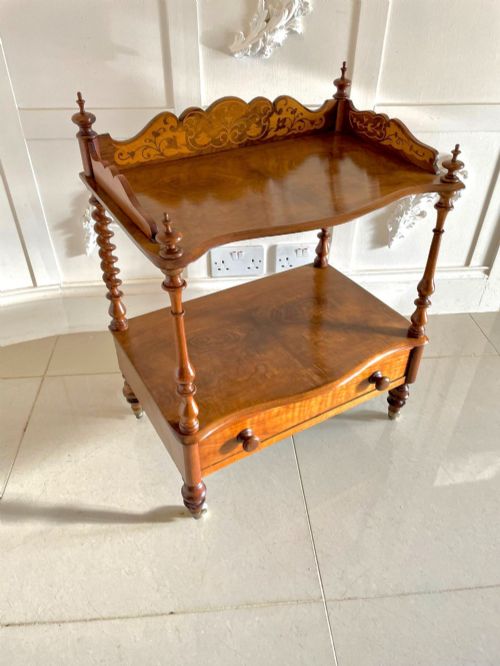
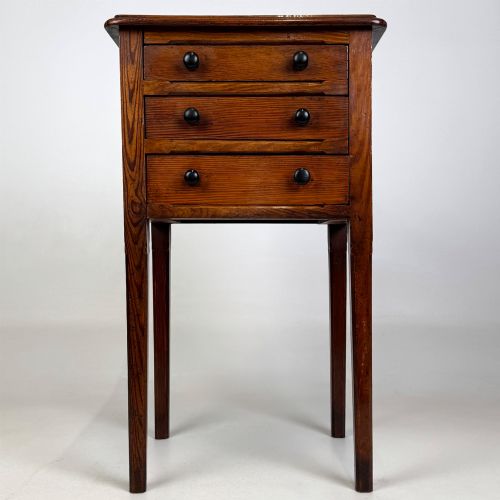
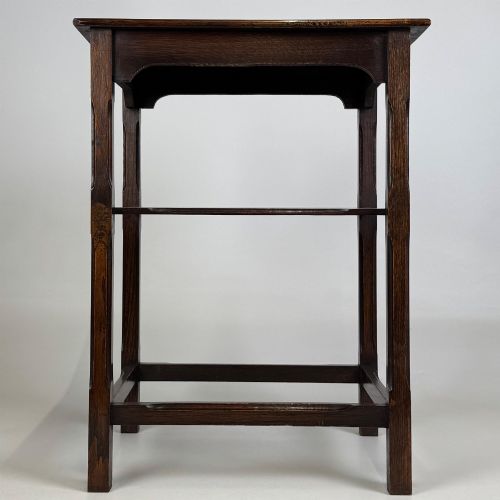
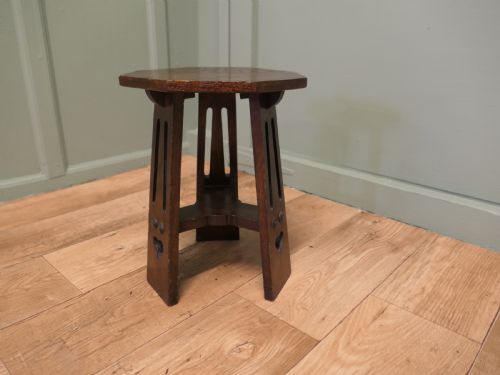
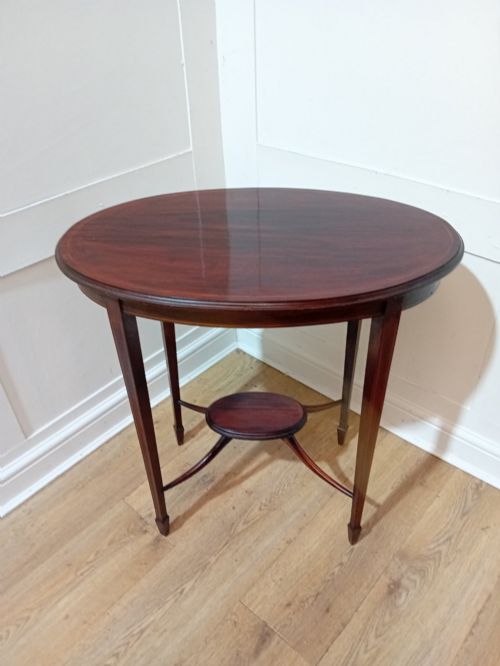
A small accent table brings utility and character to a corner, most often appearing here as an Edwardian or Victorian oak side table.
Small Accent Table
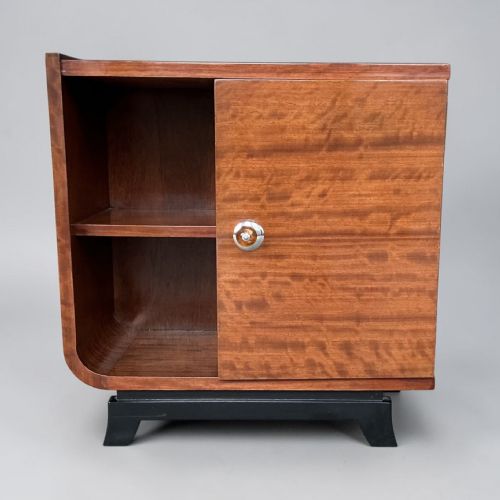
When searching for a small accent table, buyers encounter compact occasional furniture designed for specific domestic spots beside seating or in hallways. The pieces span side tables, lamp tables, wine tables, and nests of tables originating primarily from the Victorian and Edwardian eras, alongside pieces reaching back into the Georgian period.
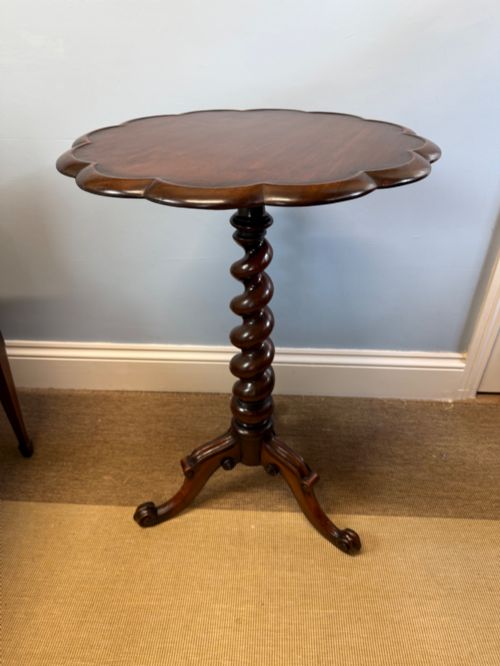
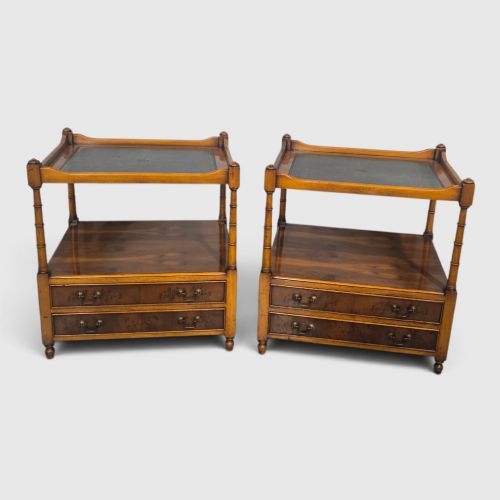
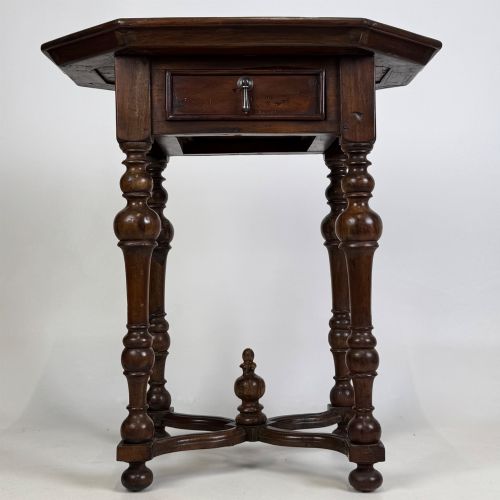
The most common version met on this page is the Edwardian or Victorian oak side table, often square or oval, alongside mahogany wine tables and walnut lamp tables. These versatile forms served utilitarian purposes in period homes, functioning as surfaces for lighting, reading materials, or decorative objects without dominating a room.
Materials and construction
Cabinetmakers utilised durable hardwoods such as oak, mahogany, and walnut, frequently selecting burr walnut or wood inlay for decorative surfaces. Solid construction methods employed sturdy pedestals, tripod legs, and drop-leaf mechanisms to create stable, functional small furniture.
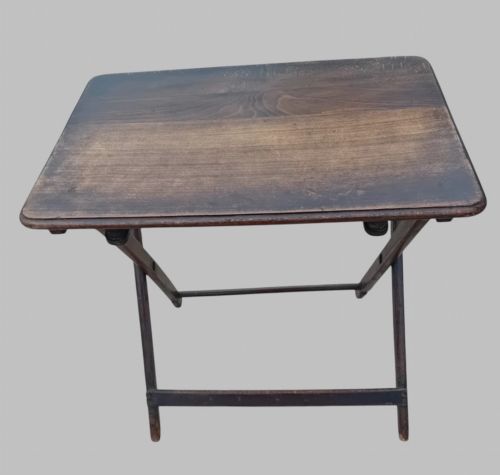
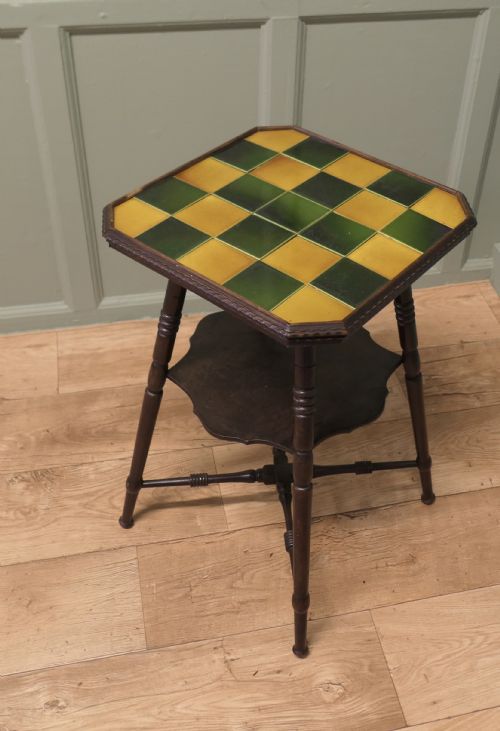
Detailing often included carved motifs, tiled tops in Arts and Crafts pieces, and folding or tilt-top designs for adaptability. Brass fittings and satinwood accents further distinguished the joinery of these compact tables.
Small Accent Table Retail Price Guide 2026
Typical asking prices for small accent table among the pieces listed under this phrase on Sellingantiques today, from the lower quarter to the upper quarter. They describe what is for sale here now, not the wider market.
Factors of quality
Quality rests upon the selection of timber and the integrity of the joinery, distinguishing straightforward utilitarian items from finer decorative examples. Superior tables demonstrate thoughtful execution in carved details, stability in pedestal bases, and precision in drop-leaf or tilt-top mechanisms.
The use of figured woods such as burr walnut or detailed wood inlay elevates a piece beyond basic domestic utility. Cohesion in style, whether adhering to Arts and Crafts principles or Revival aesthetics, indicates a higher standard of original craftsmanship.
Shapland & Petter
The Small Accent Table Glossary
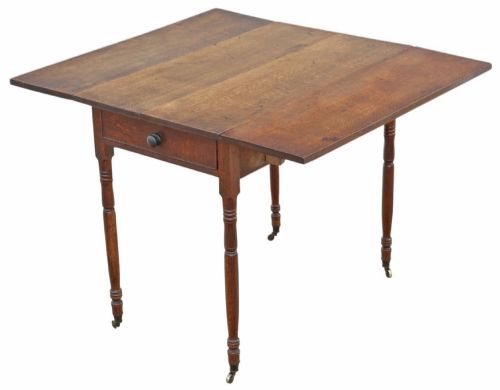
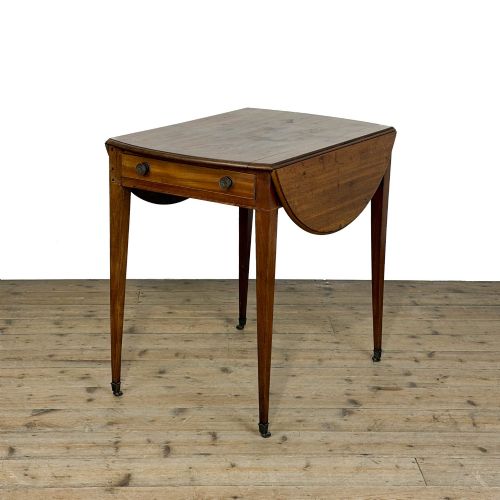
- Pembroke table
- A drop-leaf table with hinged flaps on either side, designed during the 18th century and continued in later periods. These tables often feature a single drawer and slender legs.
- Wine table
- A small pedestal table with a round top, traditionally utilised for holding a glass and bottle of wine. They frequently employ tripod legs for stability.
- Tilt-top table
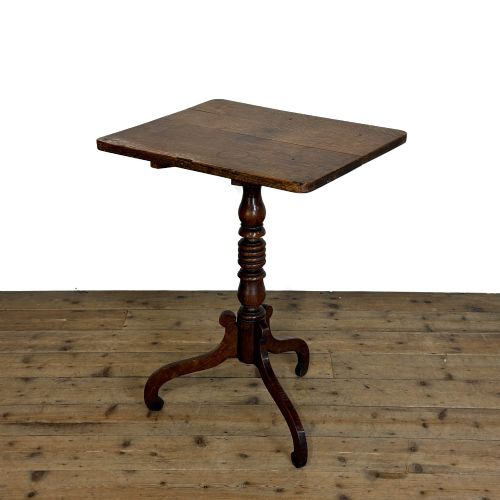
- A table with a hinged top that can be tilted vertically when not in use to save space. This mechanism was popular on pedestal and tripod tables.
- Nest of tables
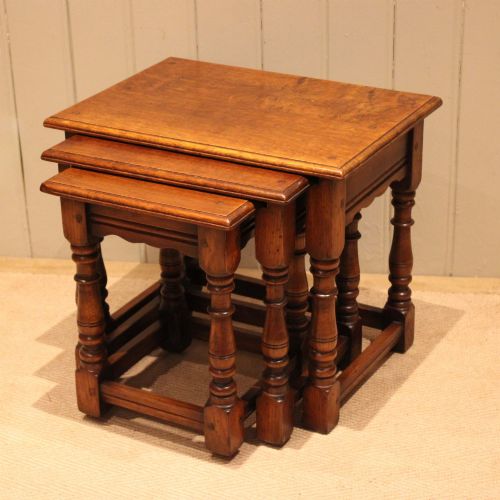
- A set of graduated tables designed to fit neatly beneath one another. They offer flexible surface space in compact rooms.
- Sutherland table
- A narrow drop-leaf table with exceptionally wide leaves and a folding underframe. When the leaves are dropped, the table occupies minimal floor space.
Small Accent Table: Frequently Asked Questions
Where should I place a small accent table?
These compact pieces fit naturally beside armchairs, sofas, or in unused corners to provide a convenient surface for lamps and drinks.
Their restrained scale ensures they integrate into hallways and bedrooms without crowding the floor plan.
How do I identify an Edwardian accent table?
Edwardian tables frequently feature lighter oak or mahogany construction, sometimes with simple carved details or inlaid wood.
They reflect the domestic demands of the early 20th century, prioritising practical utility and straightforward charm over heavy ornamentation.
What is the difference between a wine table and a lamp table?
Wine tables typically feature a small circular top supported by a central pedestal and tripod base for placement beside a seat.
Lamp tables offer a slightly broader surface area, often square or rectangular, built to support heavier lighting fixtures.
Can these tables handle daily use?
Solid hardwood construction in oak, mahogany, and walnut provides the structural durability needed for everyday placement in a modern home.
Careful maintenance of the wood surface preserves the finish against routine wear from drinks and decorative items.